Guadahortuna, Jaen, Baños de la Encina and Andujar, Andalusia, Spain. 21st to 2nd October 2018.
(Recent Posts, Top Posts, Subscribe and Search at bottom of page. Clicking image doubles size. Trip summary and links to posts.)
.
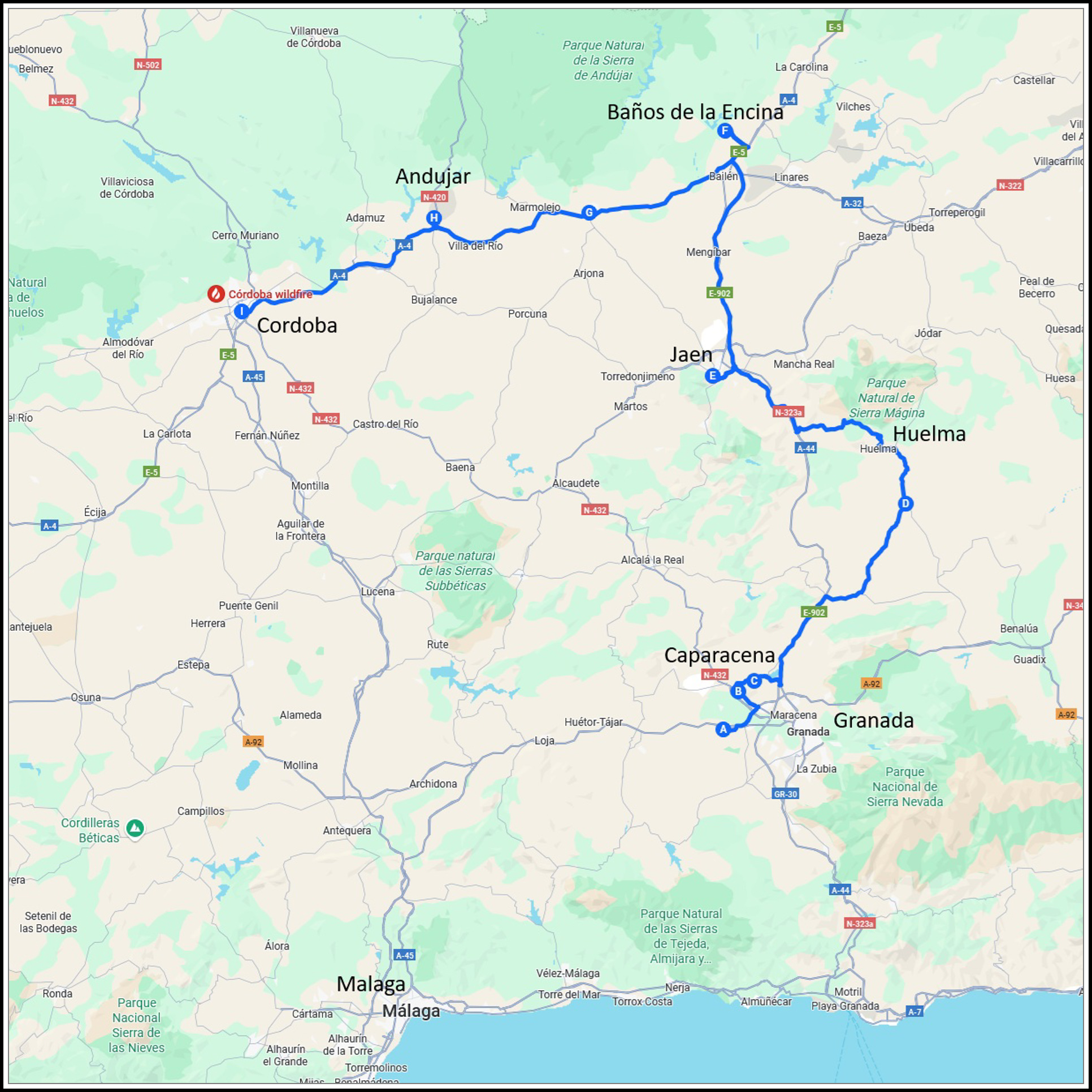
This map shows our route for this day:
 .
.
.
.
.
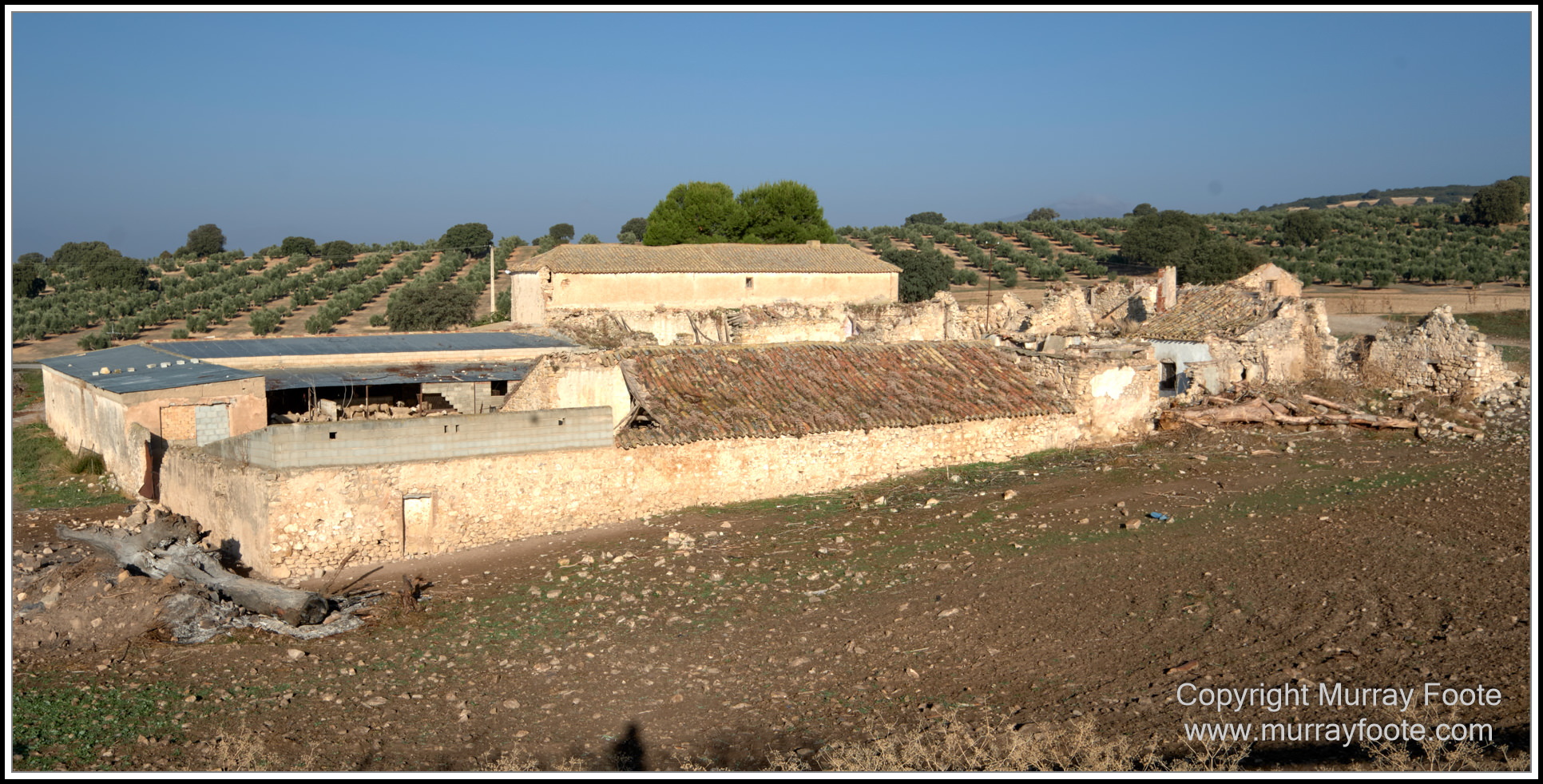
This is about halfway between Caparacena and Guadahortuna. I wasn’t able to find it on Google Earth, so not sure precisely where. On the left under the corrugated iron roof are at least sixteen sheep, that you can just see if you click on the images for a larger view. On the right end it must be tourist accommodation, for an authentic rural experience at very cheap rates, especially in the winter.
.
.
.
.
Huelma
.
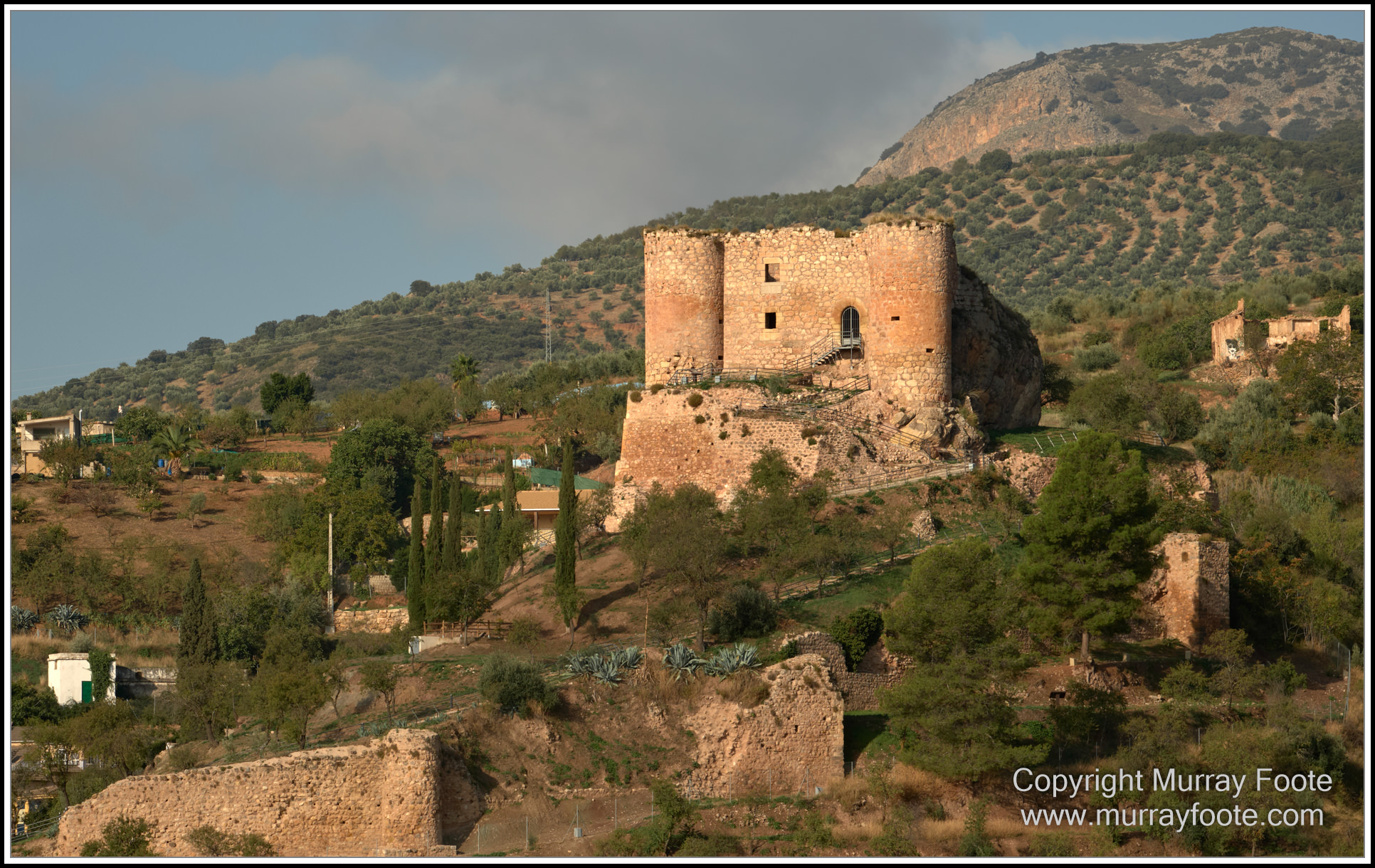
Castillo de Huelma.
This castle was built in the sixteenth century, replacing an earlier Moorish castle. The Christians had earlier taken Huelma in 1438.
.
.
.
.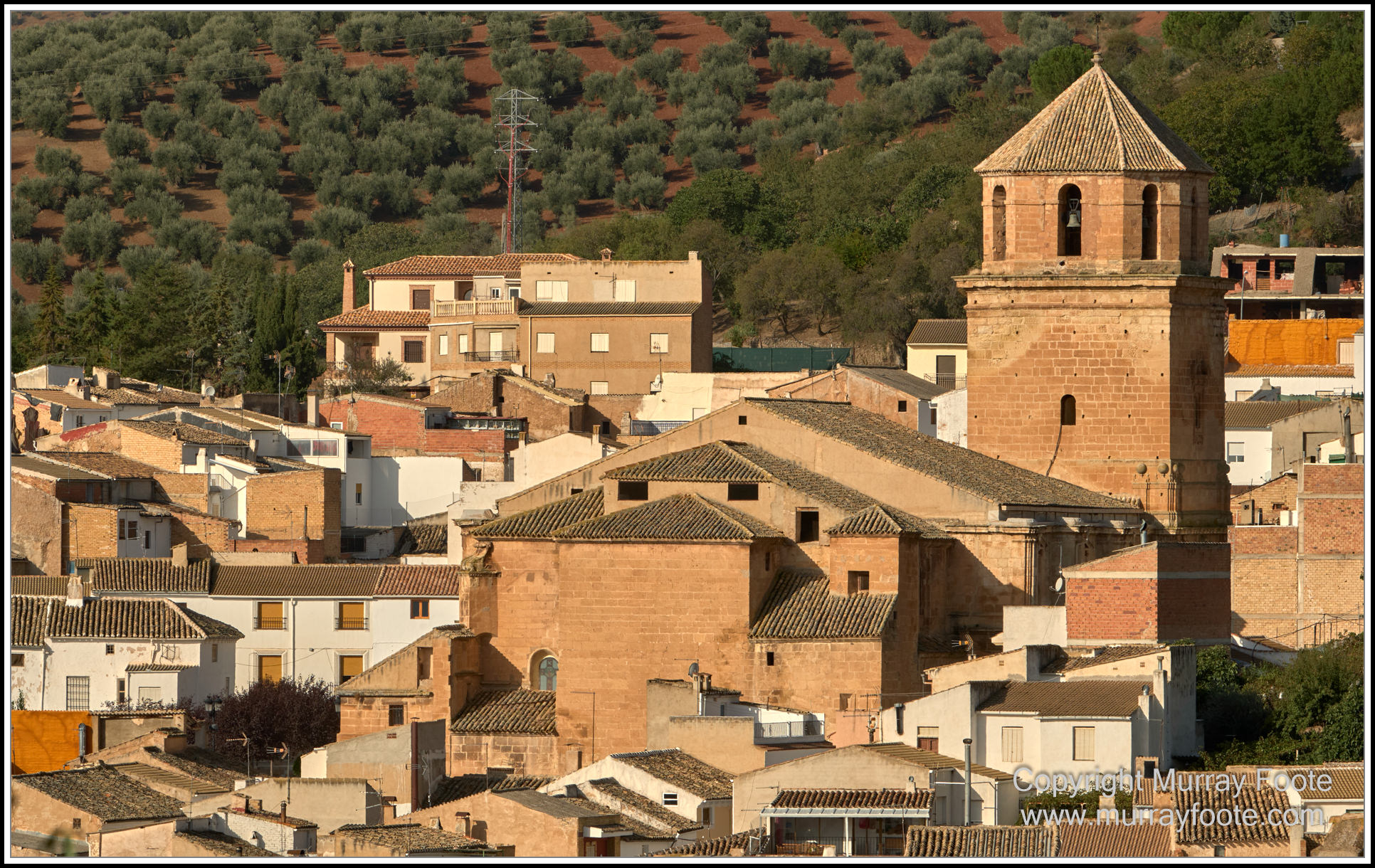
The main church of Huelma, Iglesia de la Inmaculada Concepción.
.
.
.
.
. 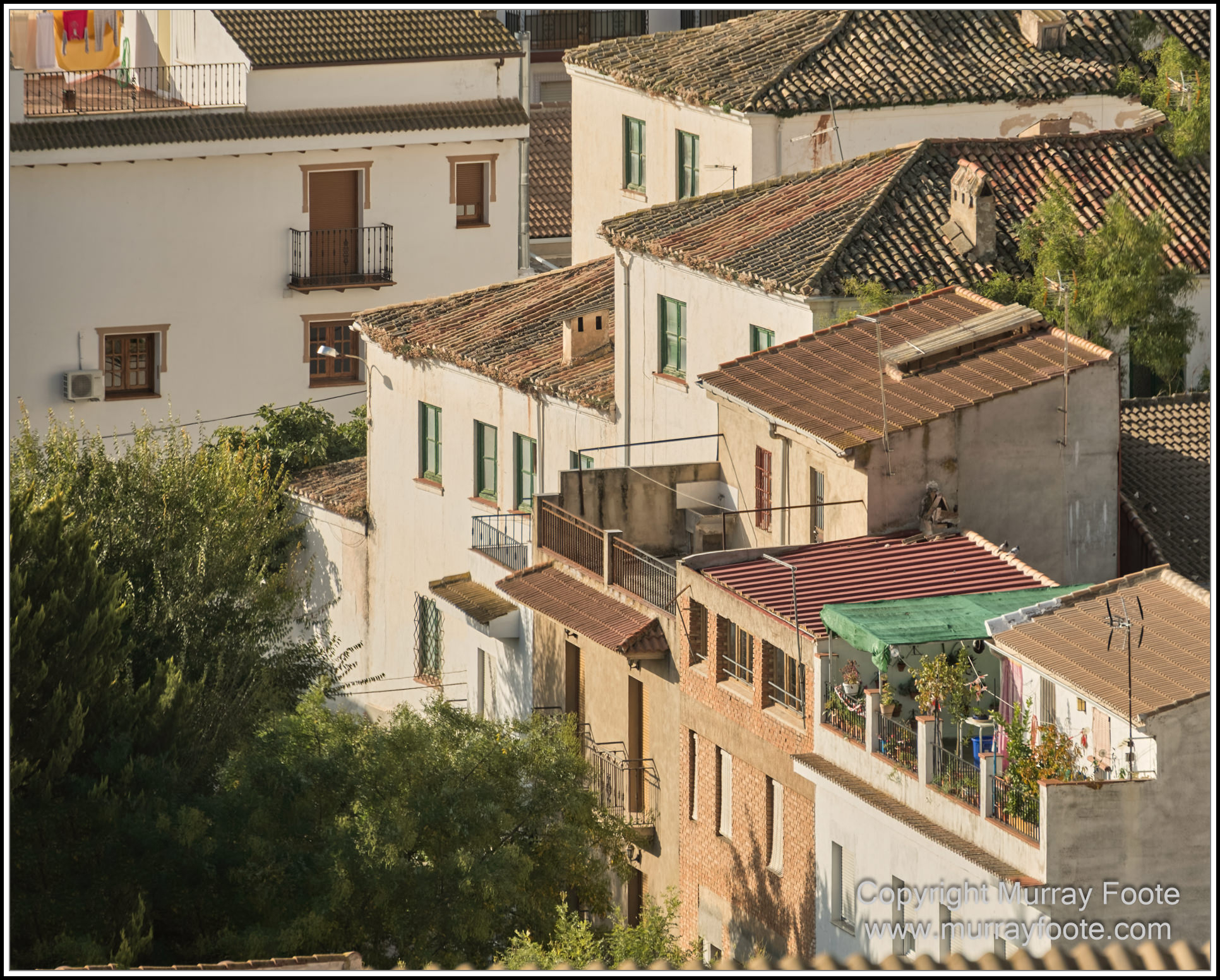
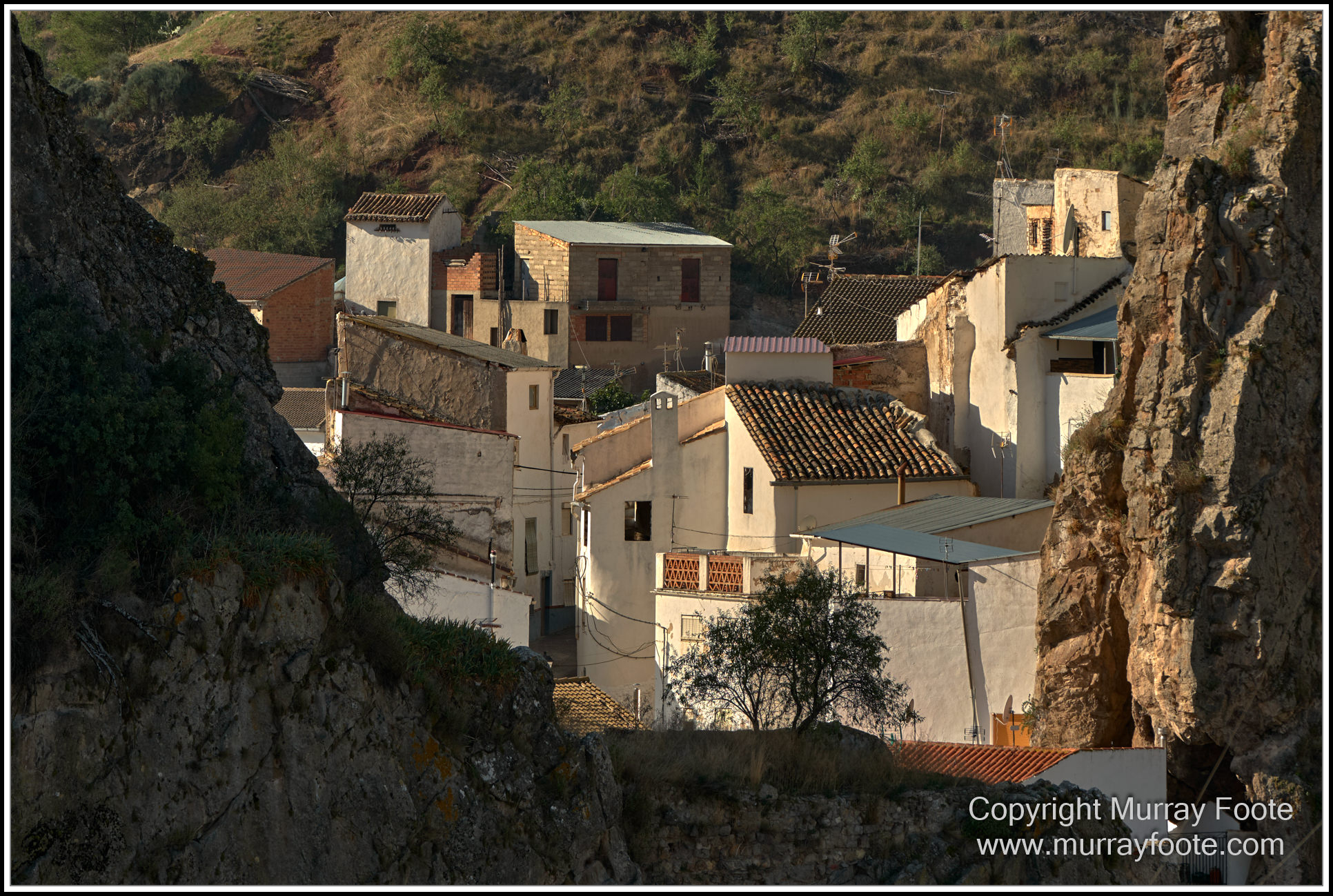
Views of town houses.
.
.
.
.  .
.
.
.
. 
Part of the town with a remnant of the ancient outer castle wall, at the right.
.
.
.
.
Jaén
.
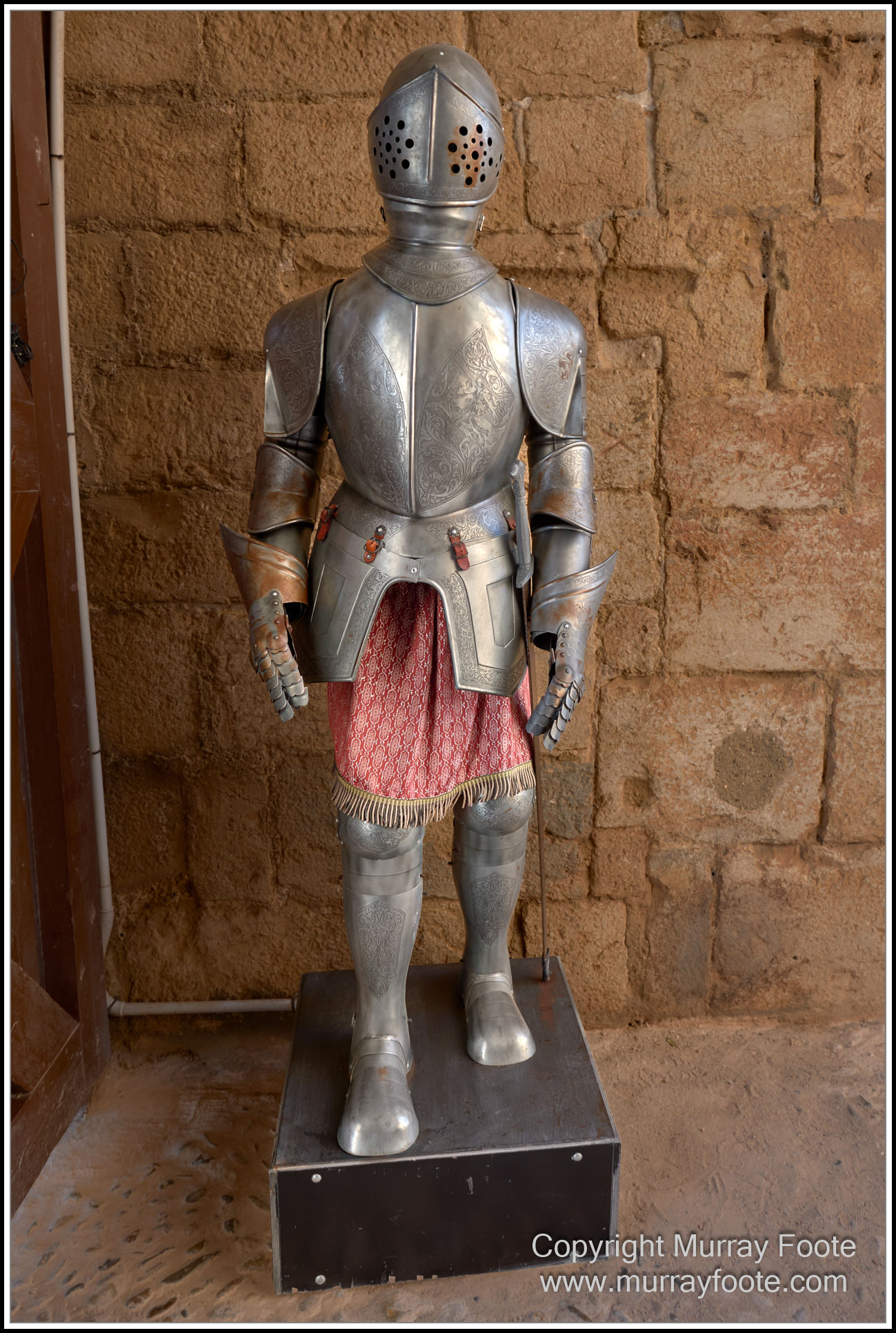
We are now in Castillo de Santa Catalina, Jaén. There must have been no distant view of the castle from our route. Here you can see an electric cable coming down the wall behind a robotic Christian knight on his charging pad. And wearing a dress, so a female knight. They were quite unstoppable in battle as long as their battery didn’t run out, impervious to crossbow bolts and electrocuting the opposition who had never heard of electricity – until, at last, the Moslems found the answer on the web and invented the Fire Hose.
.
.
.
. 
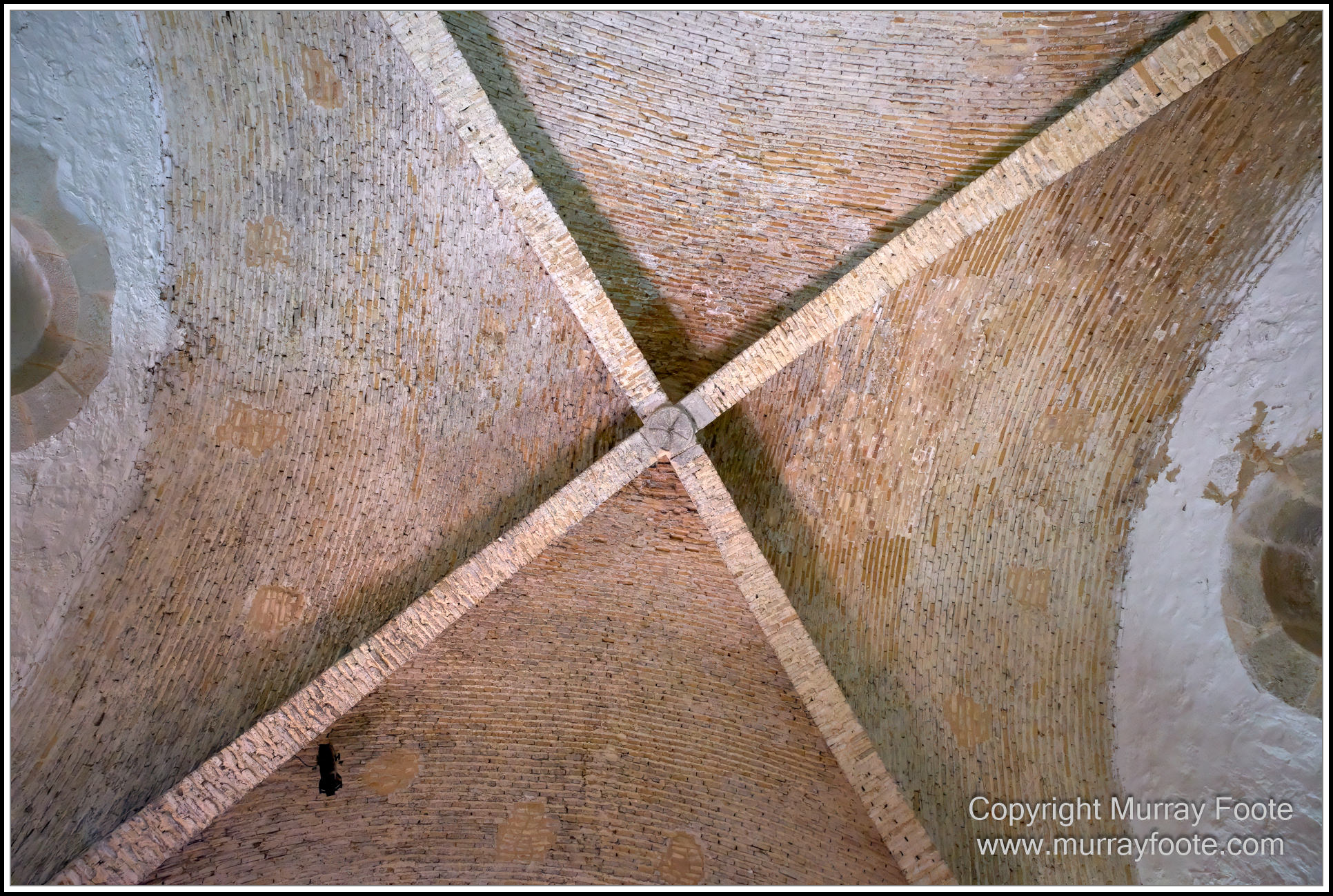
Looking up as we walk in, at castle ceilings.
.
.
.
. 
Jaén is the capital of Jaén Province which in turn has the largest concentration of castles and fortresses in Europe.
.
.
.
. 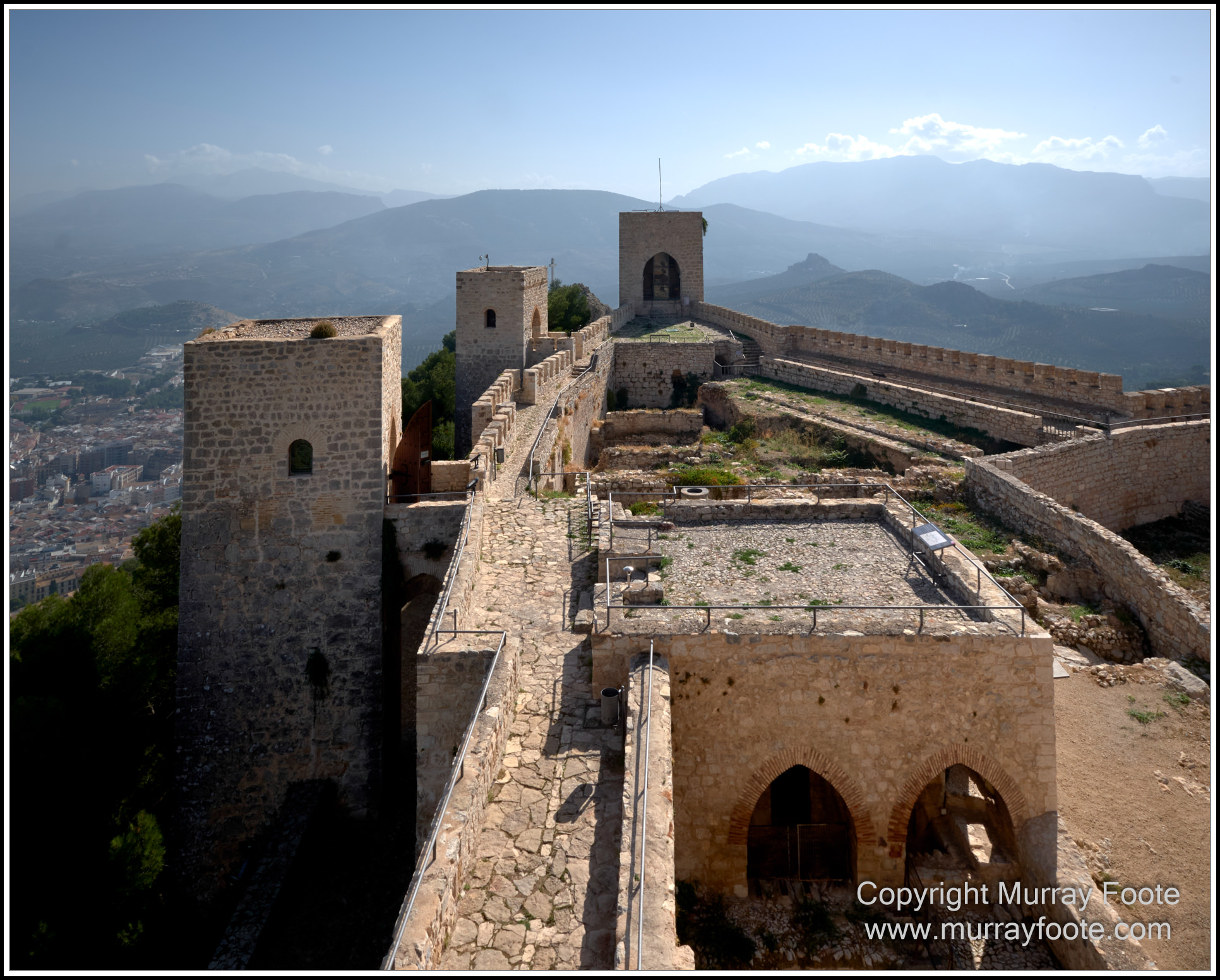
We are now on top of one of the smaller towers and you can see the commanding view over the countryside.
The original castle was built by the Moors in the 8th century but little remains of that. It withstood seiges by Ferdinand III of Castile in 1225 and 1230 but fell to another in 1245-46. The current castle was mainly constructed by Ferdinand after that time.
After 1246, Granada was effectively a vassal state of Castile though it was not overrun until 1474.
.
.
.
. 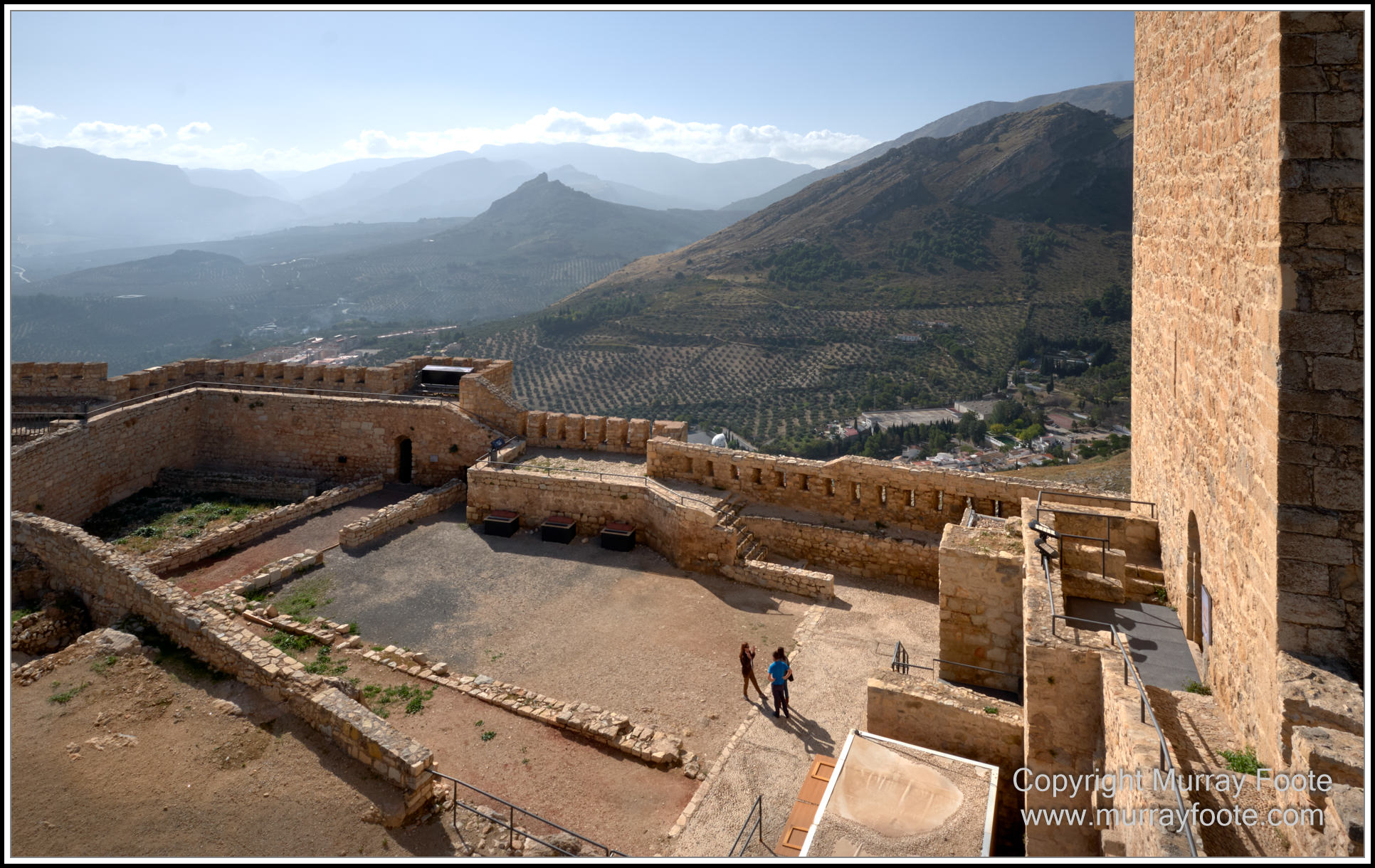
In the distance you can see what must be olive trees because this region is the World’s largest producer of virgin olive oil.
.
.
.
. 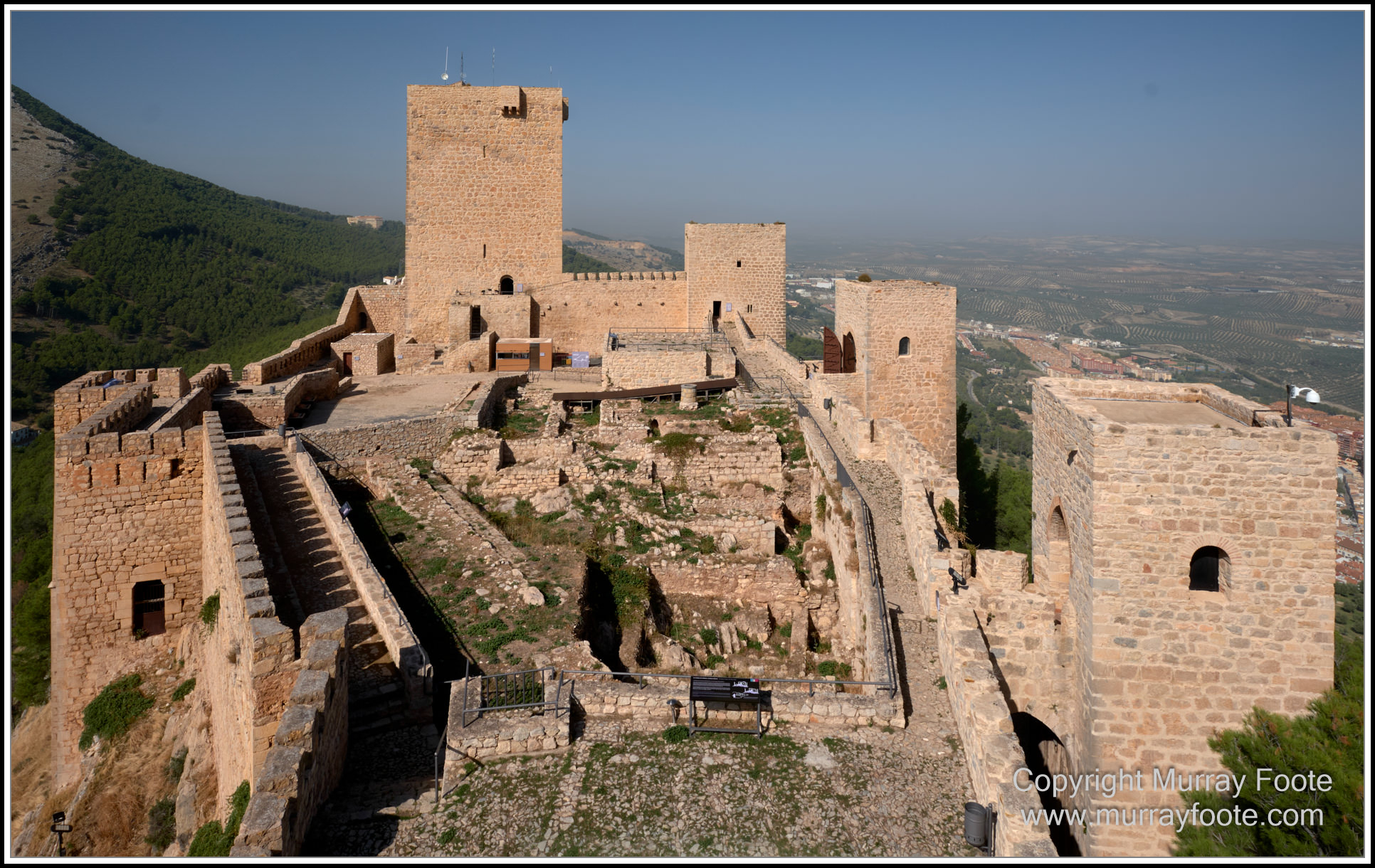
The Spanish strengthened the castle fortifications in 1809-1810 in preparation for a Napoleonic seige but then surrendered without a fight in 1810. The French withdrew from Andalusia in 1812 following defeat at the Battle of Salamanca. Their hold over the Iberian Peninsula was never very secure.
.
.
.
. 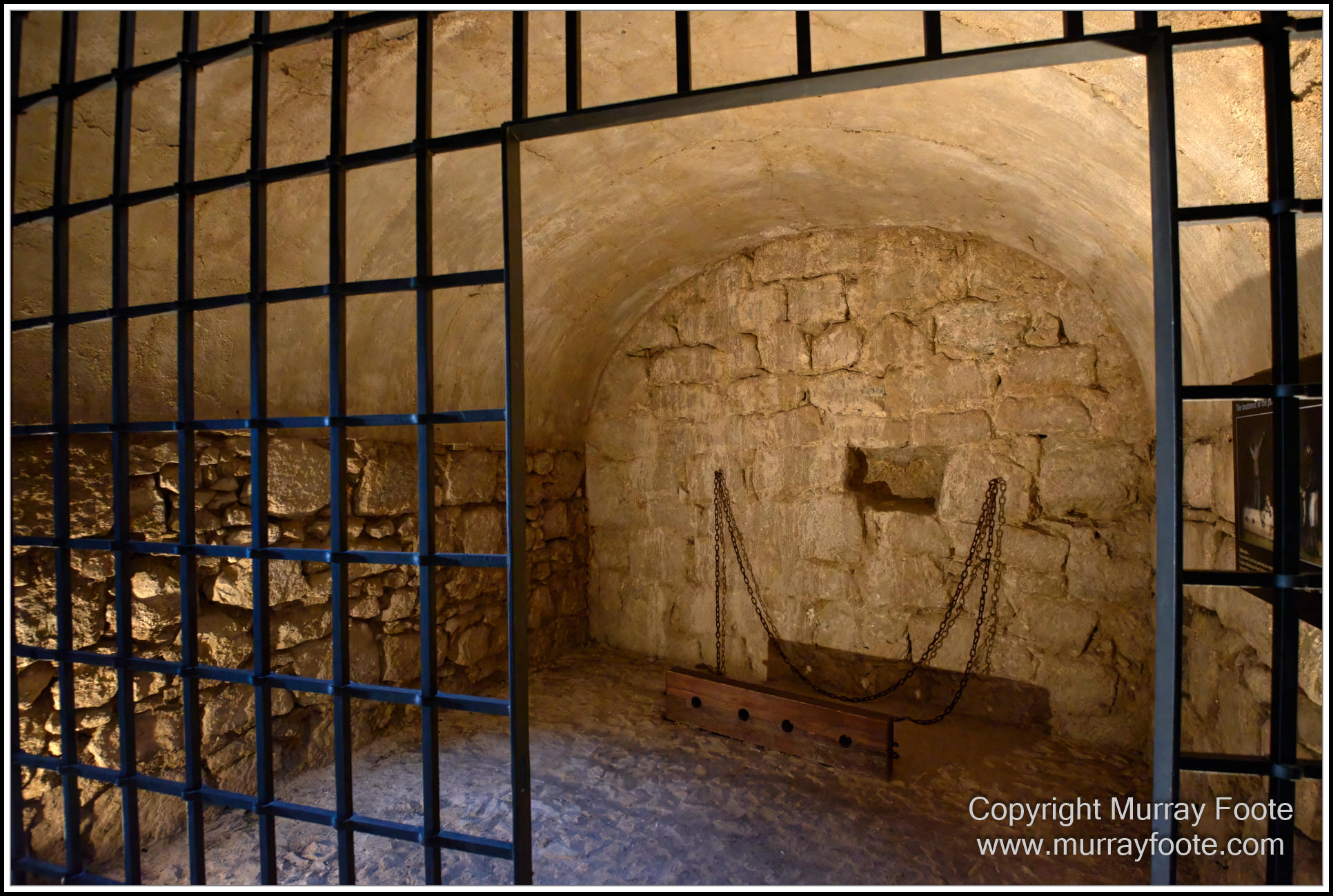
Budget accommodation in the castle.
In the interests of an authentic mediæval experience, there is no bed but you can savour a position chained up and with your hands or feet in the stocks. No need even for a door and I imagine this is quite popular with history buffs.
.
.
.
. 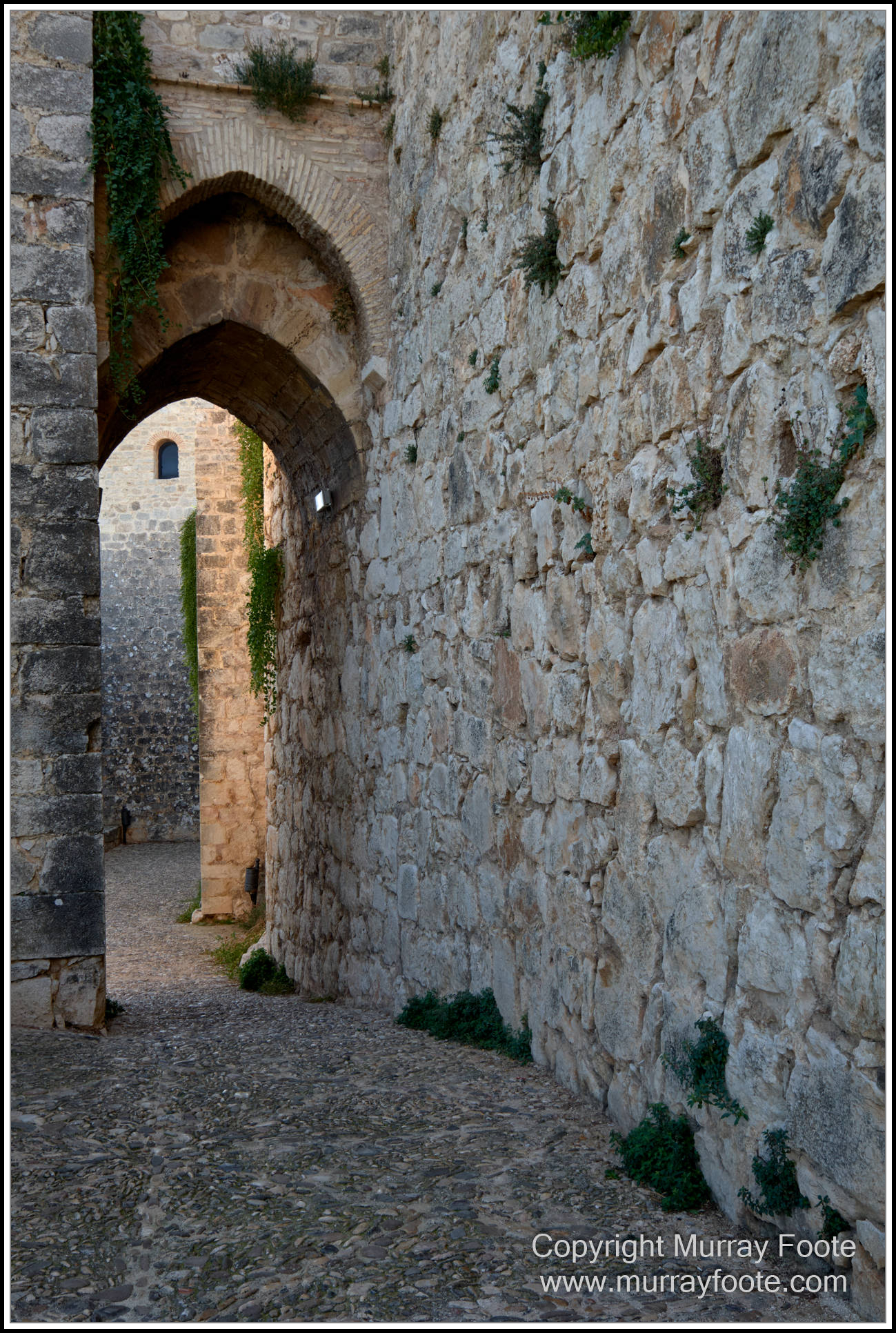
Walls and passageways.
.
.
.
.
Baños de la Encina
.
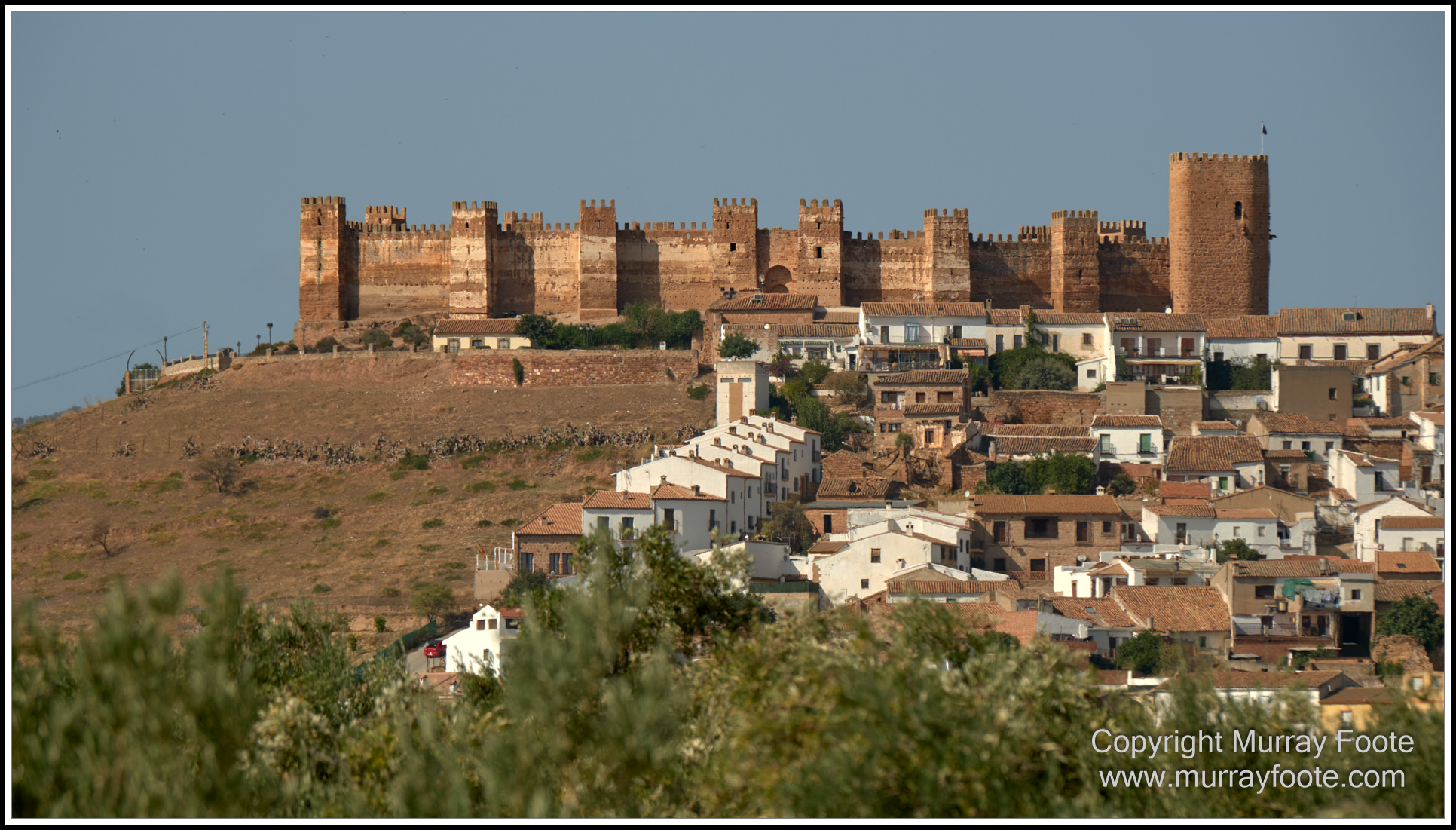
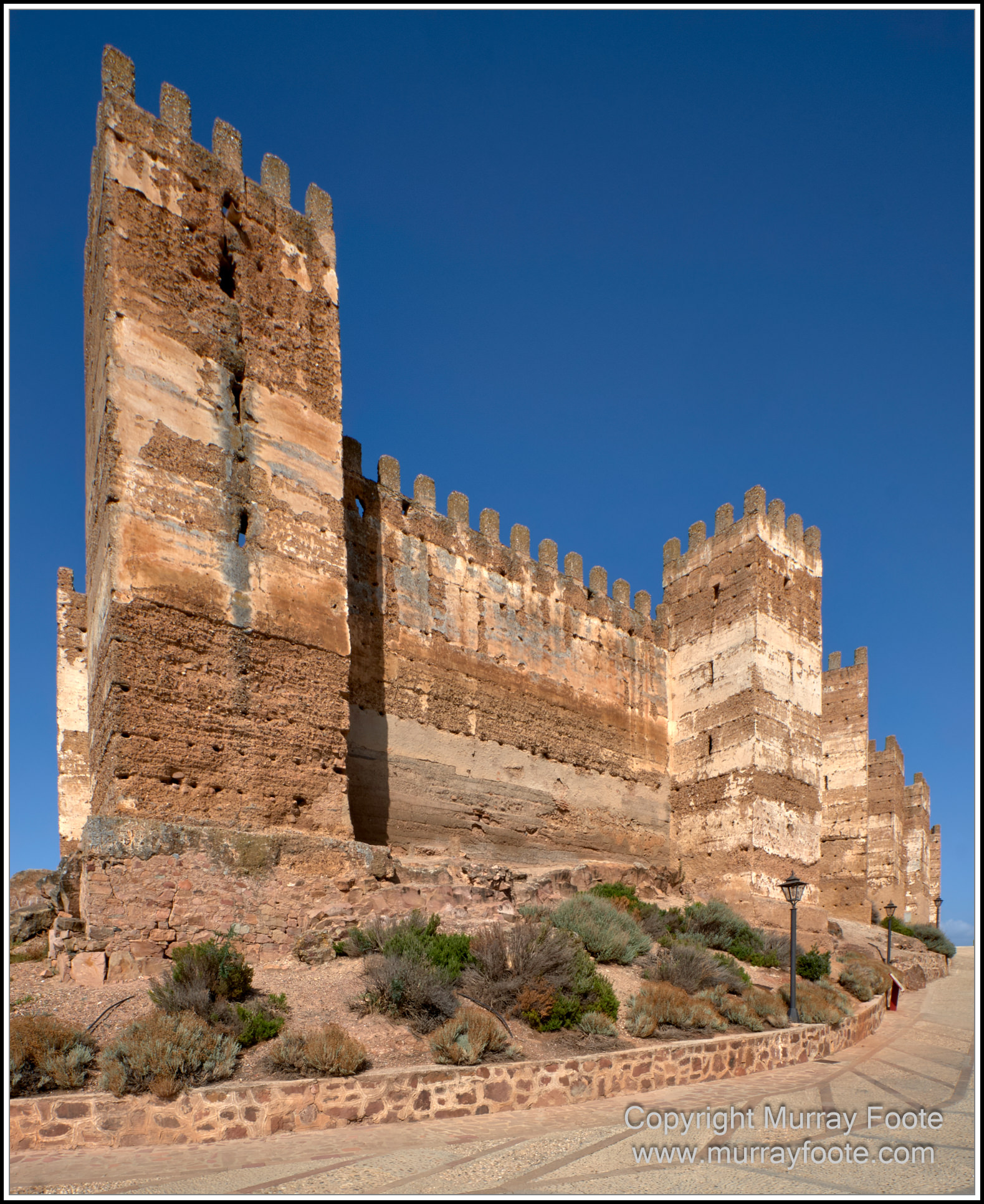
Castillo de Burgalimar.
This castle was built in 967 by the Umayyad Caliphate of Córdoba. In the 12th and 13th centuries, it changed hands multiple times between Al Andalus and the Christian kingdoms of the North. In 1212, there was a pivotal battle about 20 kilometres north of here at Navas de Tolosa where the combined forces of Castile, Aragon, Portugal and Navarre crushed the Almohad forces. The site of the battle was constricted so that neither side could use their archers and it was brutal hand-to-hand combat. Some years later, after 1233, the Almohad Empire disintegrated when due to dynastic contention there was no longer a single leader.
Another pivotal battle just ten kilometres south of here was the Battle of Bailén in 1808, the first open-field defeat of a Napoleonic Army. The army was 20,000 strong but mainly inexperienced new recruits. They had just plundered Cordoba and were weighed down by the many wagons of their loot. Surrounded and lacking water, the army and 17,000 troops surrendered in the largest French defeat of the Peninsula War. Under the terms of the surrender they were to be repatriated to France but the Spanish instead sent them to the Balaeric island of Cabrera, where most died of starvation. I imagine many of the survivors were quite miffed by that.
.
.
.
. 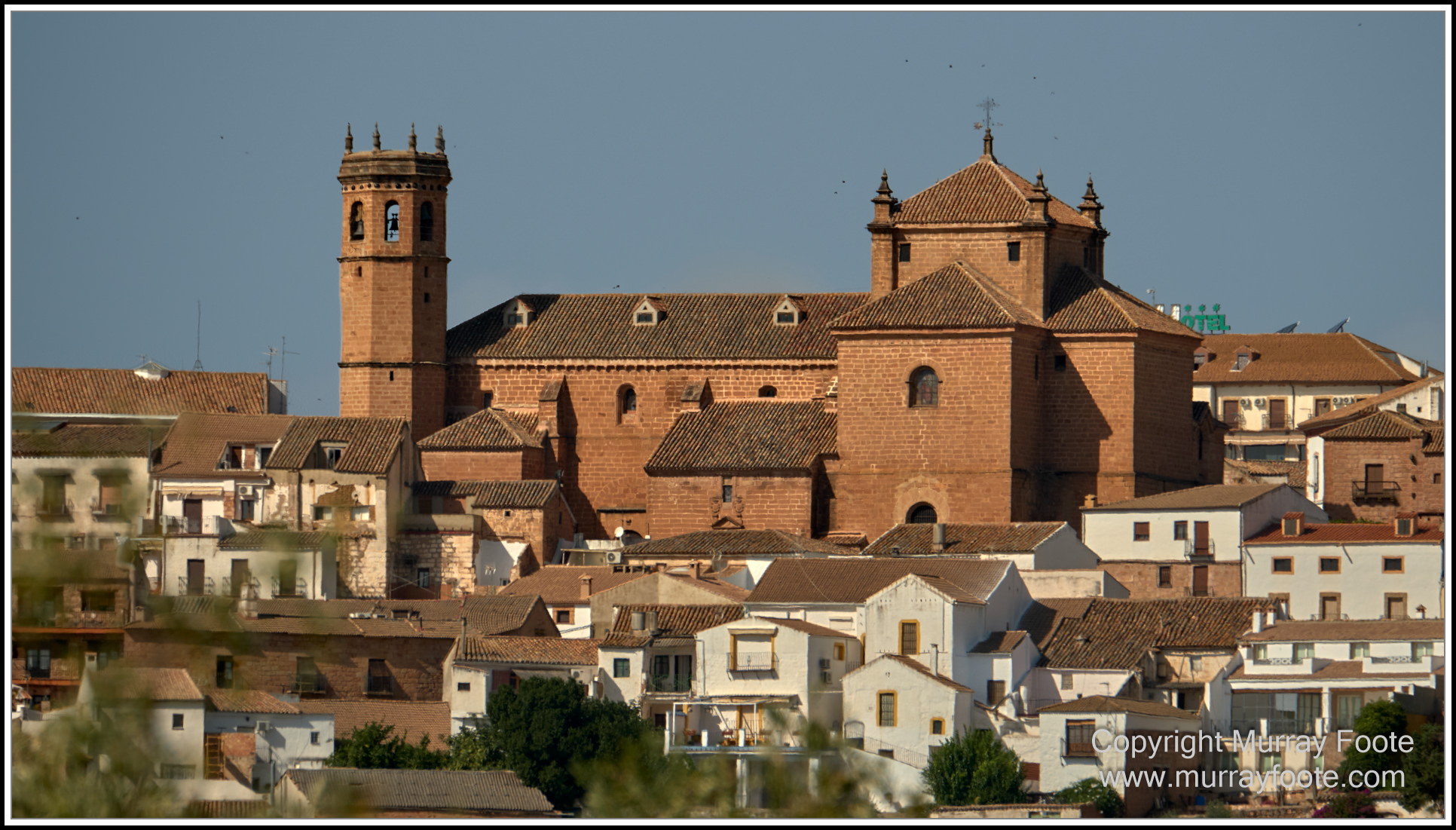
Iglesia de San Mateo, dating from late 15th century.
.
.
.
. 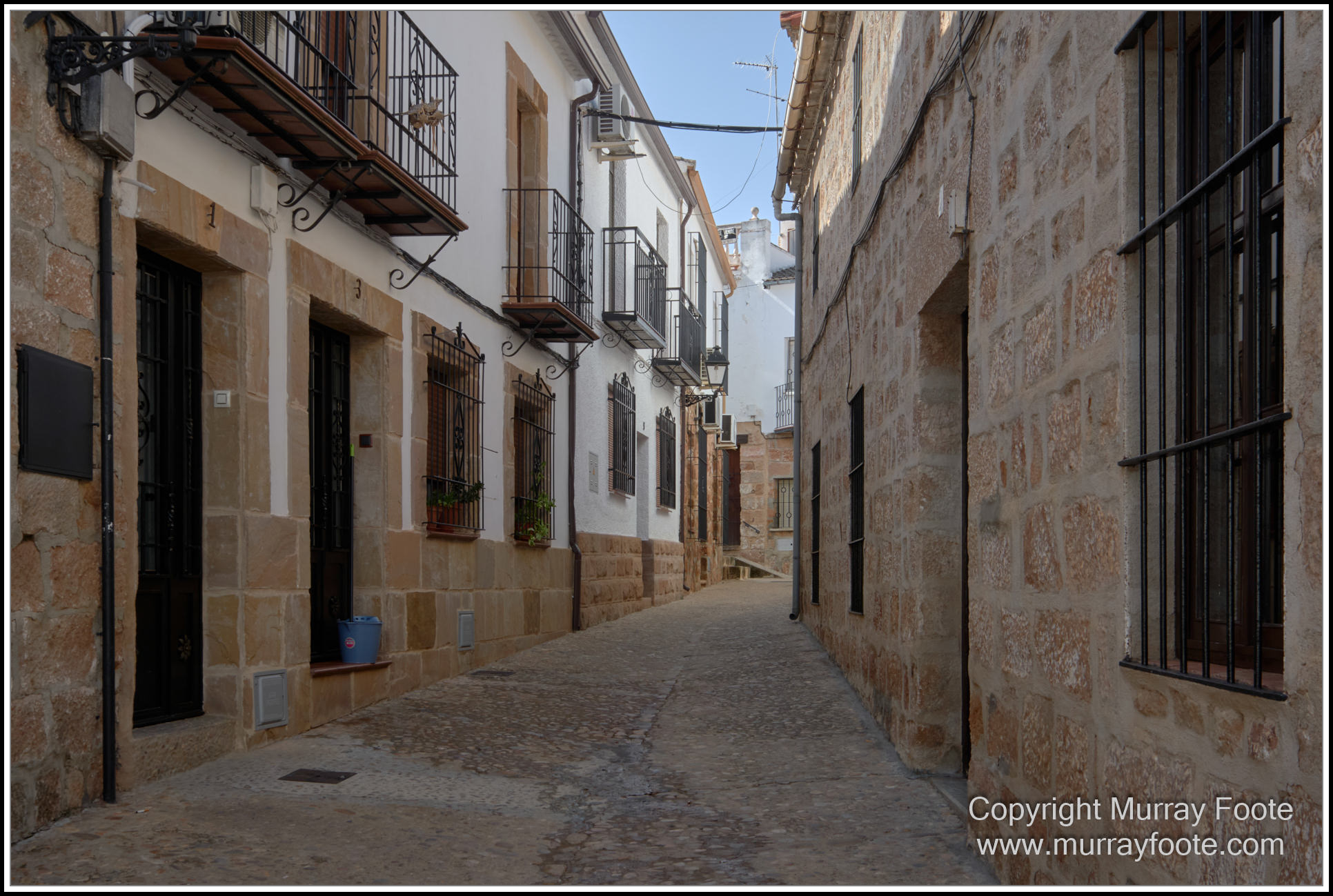
Walking through Baños de la Encina.
.
.
.
. 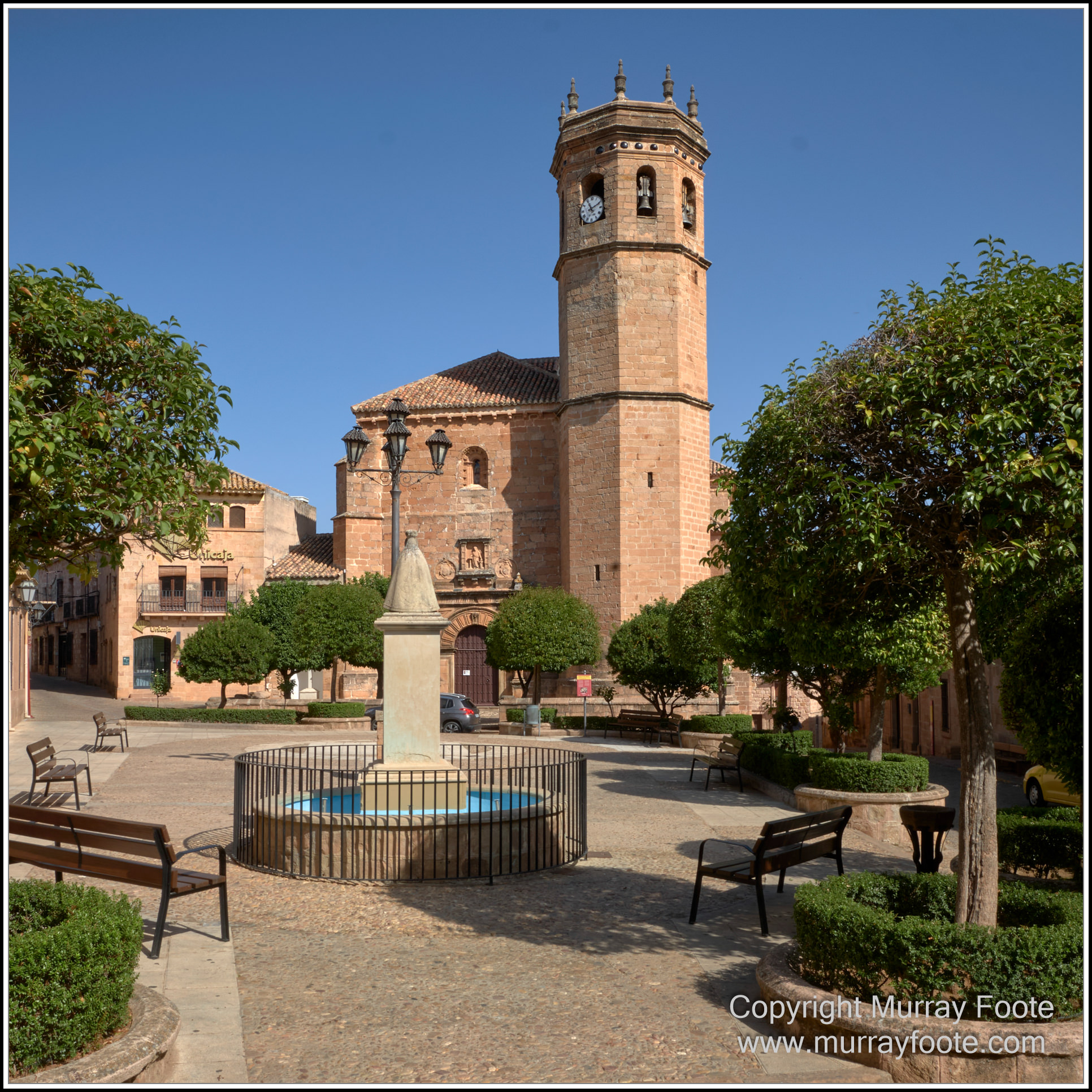
Iglesia de San Mateo. Castle not far away to the rear.
.
.
.
. 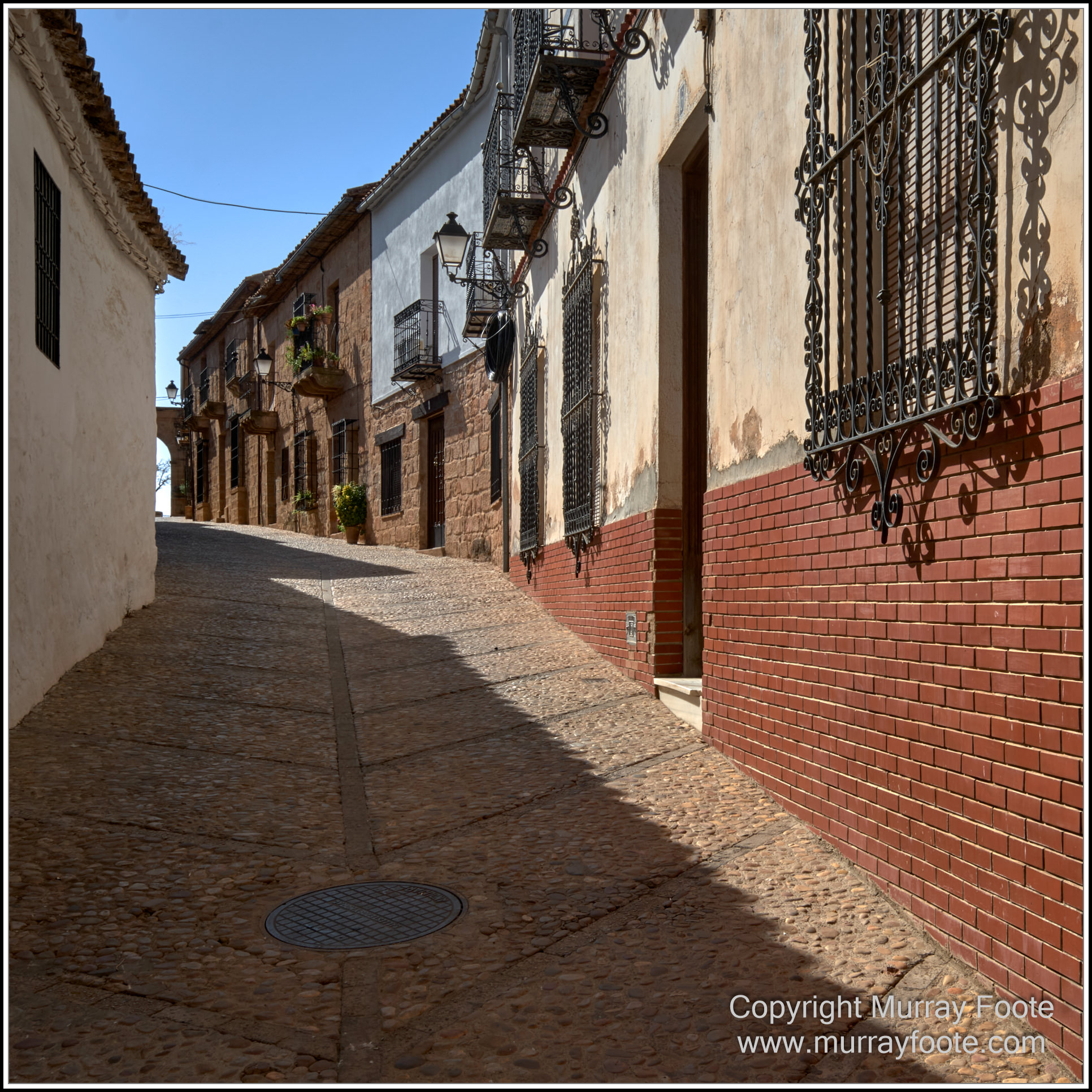
Walking through Baños de la Encina.
.
.
.
. 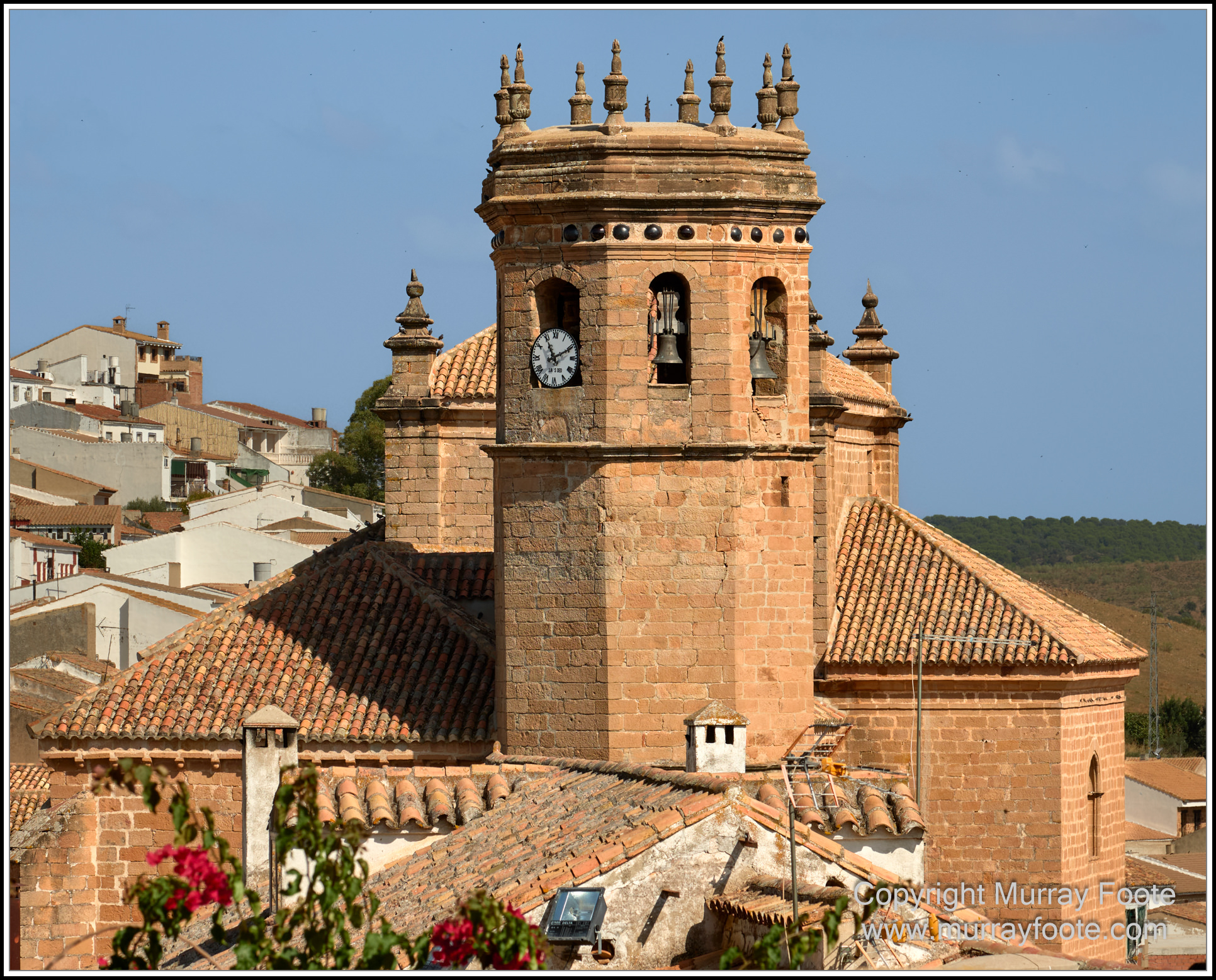
Iglesia de San Mateo bell tower.
.
.
.
. 
Castillo de Burgalimar.
.
.
.
. 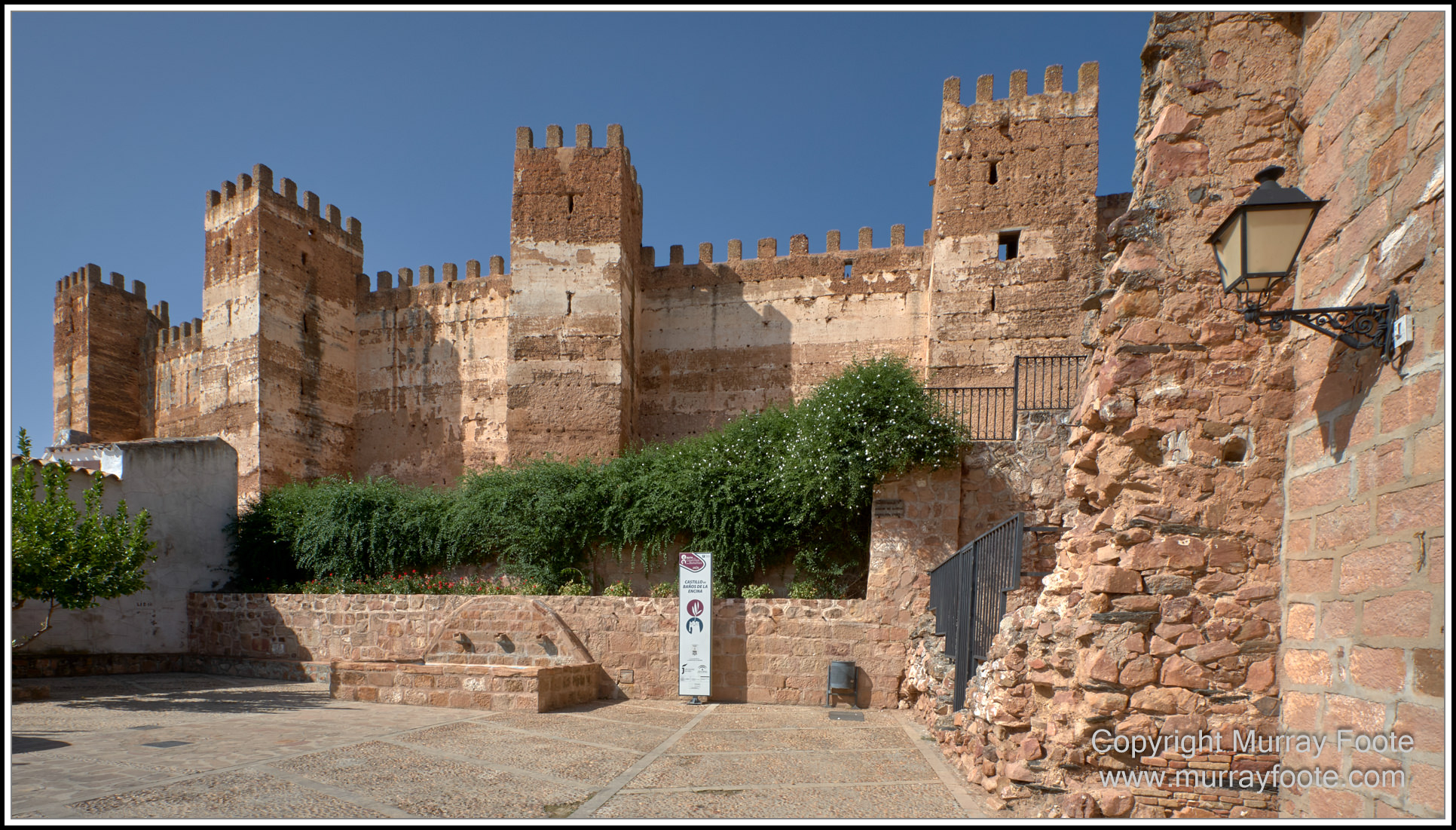
Castillo de Burgalimar.
.
.
.
. 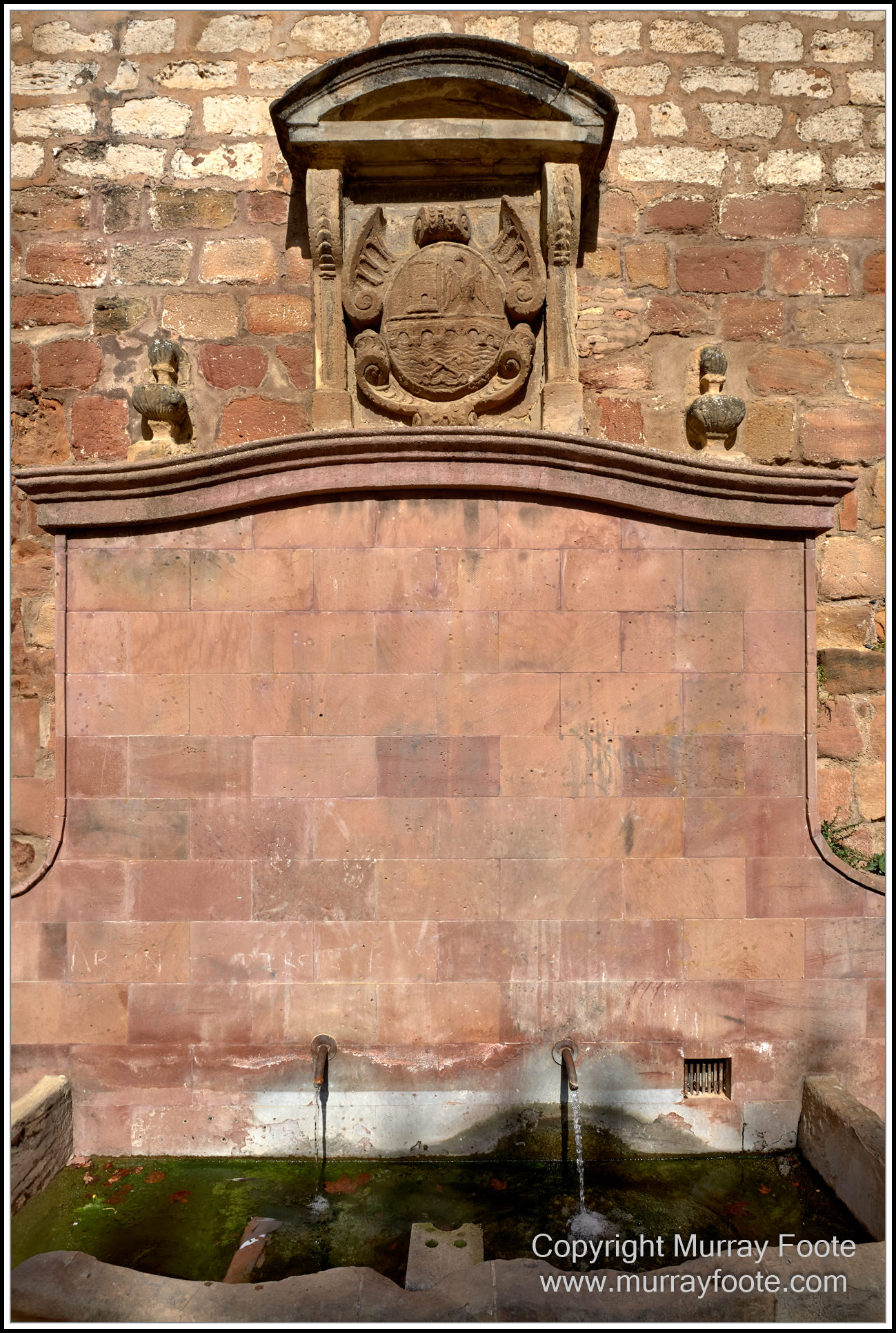
Torreon de la Fuenta Sorda.
This is on an old tower of the Almohad town wall, probably originally wooden, and covered in stone during the 15th century. The coat of arms of the town is at the top. The water comes from an underground spring and persists even in the worst droughts.
.
.
.
.
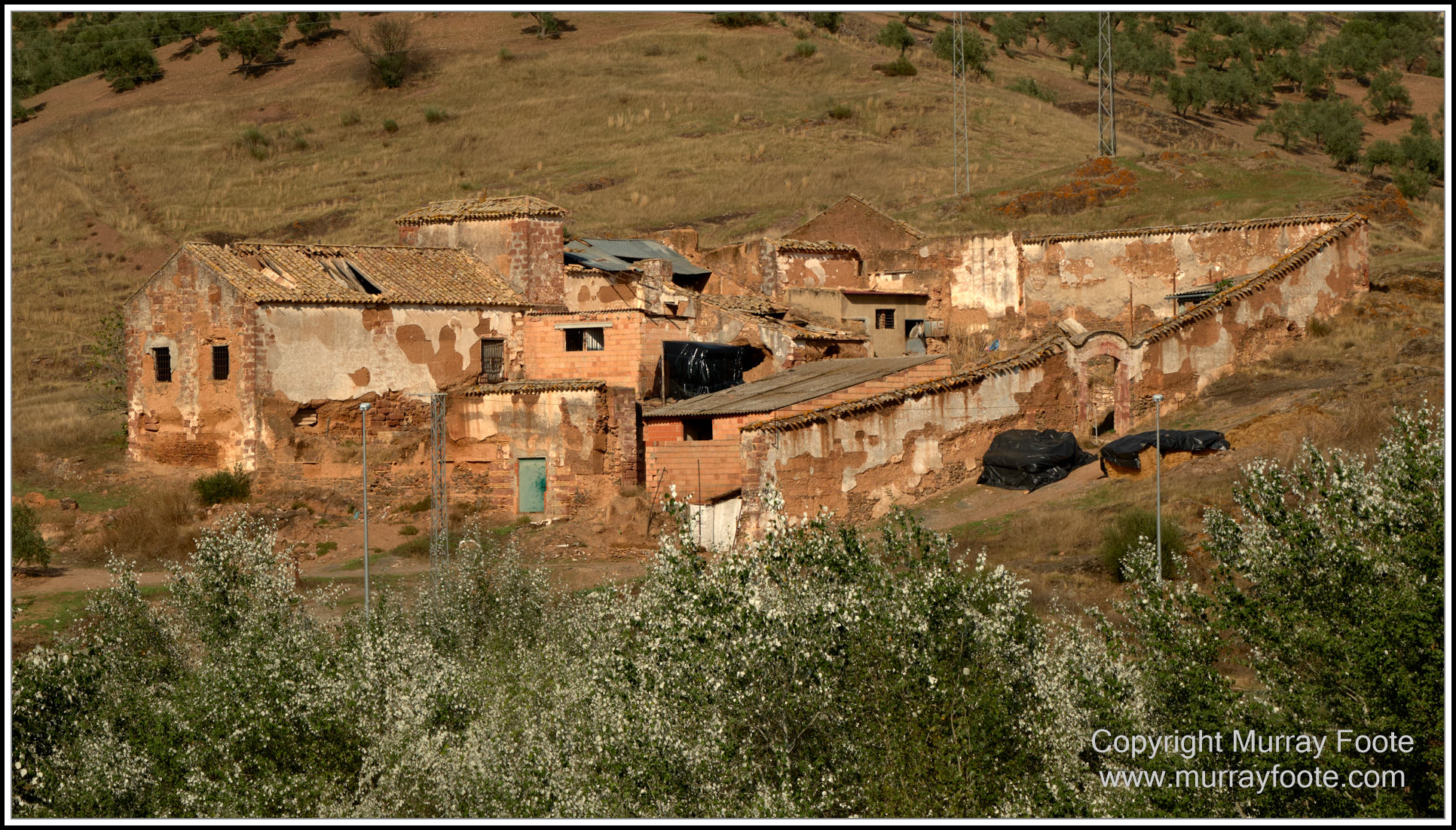
We have now left Baños de la Encina and are on the road near Andujar. These are either old farm buildings or expertly constructed to give an impression of age by a jeans manufacturer. There is a horse looking at the camera, out of a stall window, at centre right. Perhaps you can see it if you click the image for a larger view, though still more obvious in the full-sized image.
.
.
.
.
Andujar
. 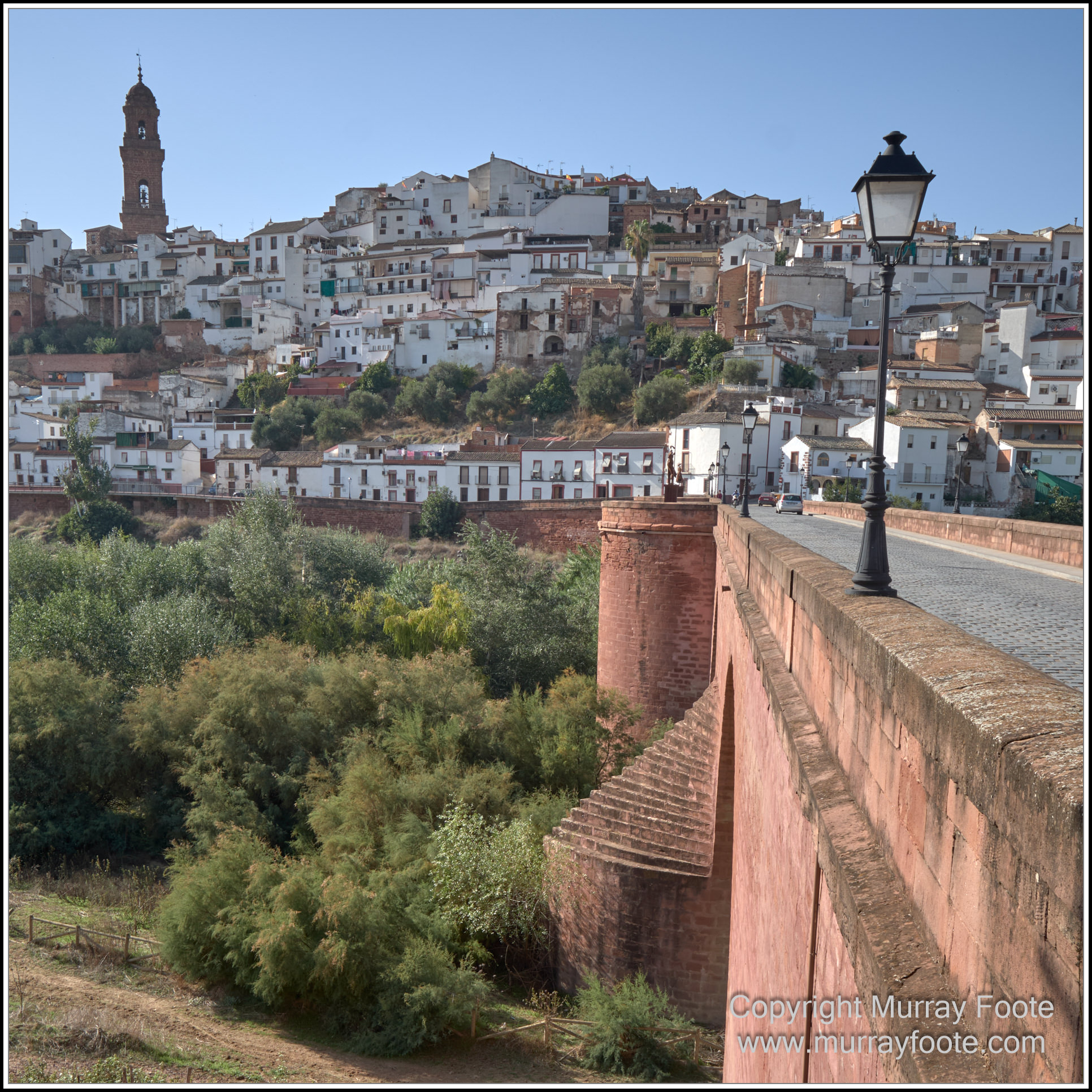
View into Andujar, with Puente Romano, or Roman Bridge, built by Septimius Severus (193-211).
.
.
.
. 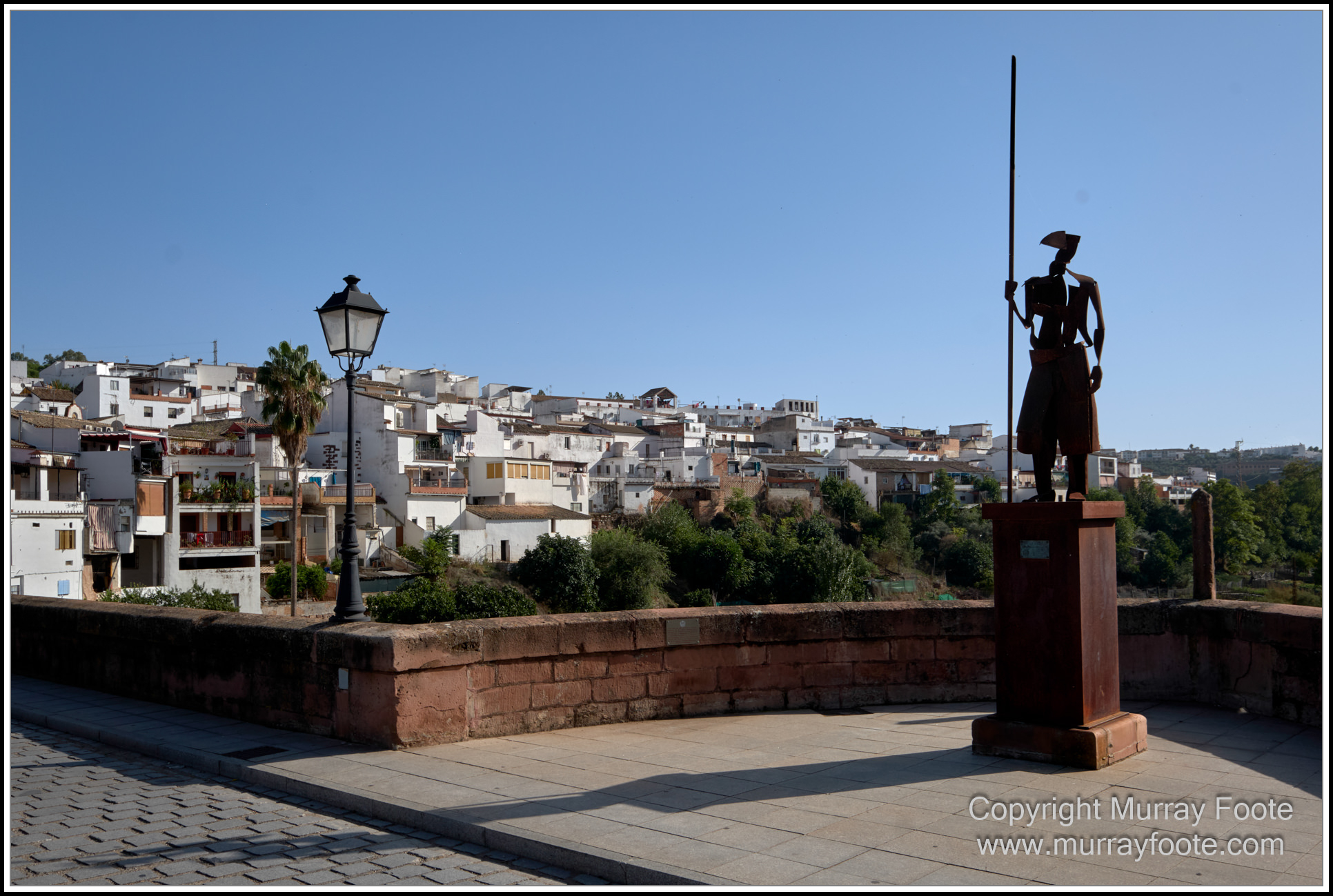
I think this is a sculpture of Don Quixote, on Puente Romano.
.
.
.
. 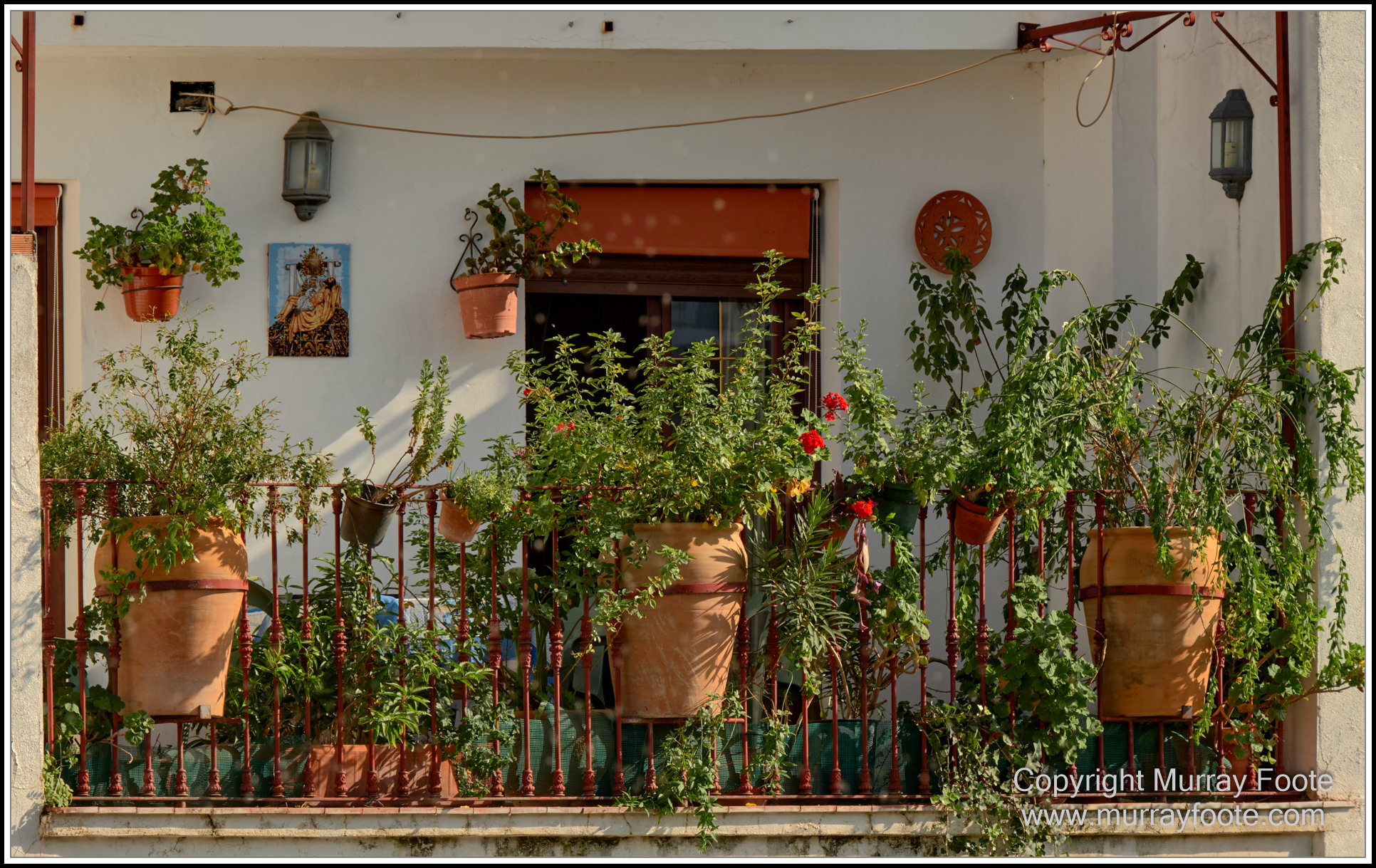
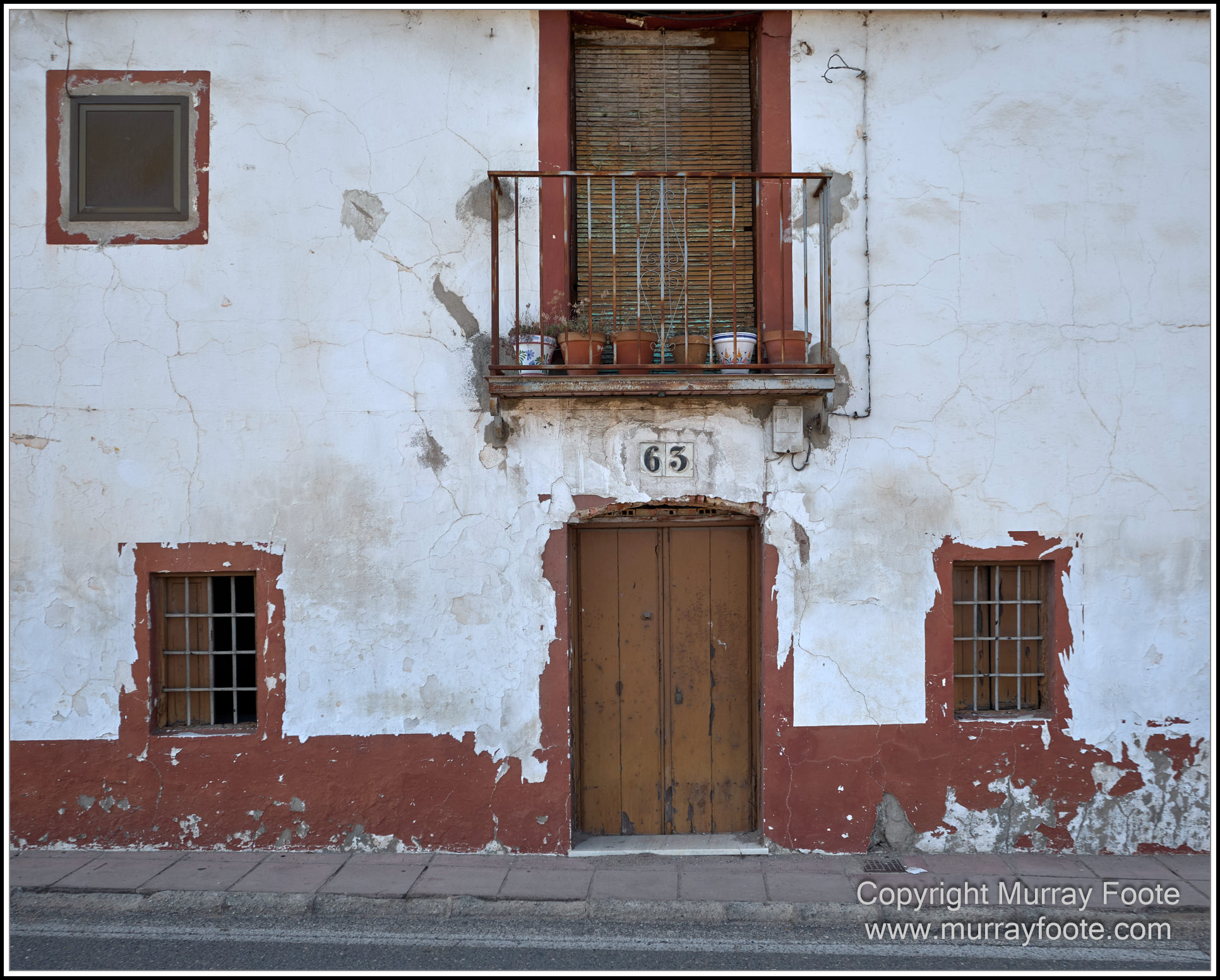
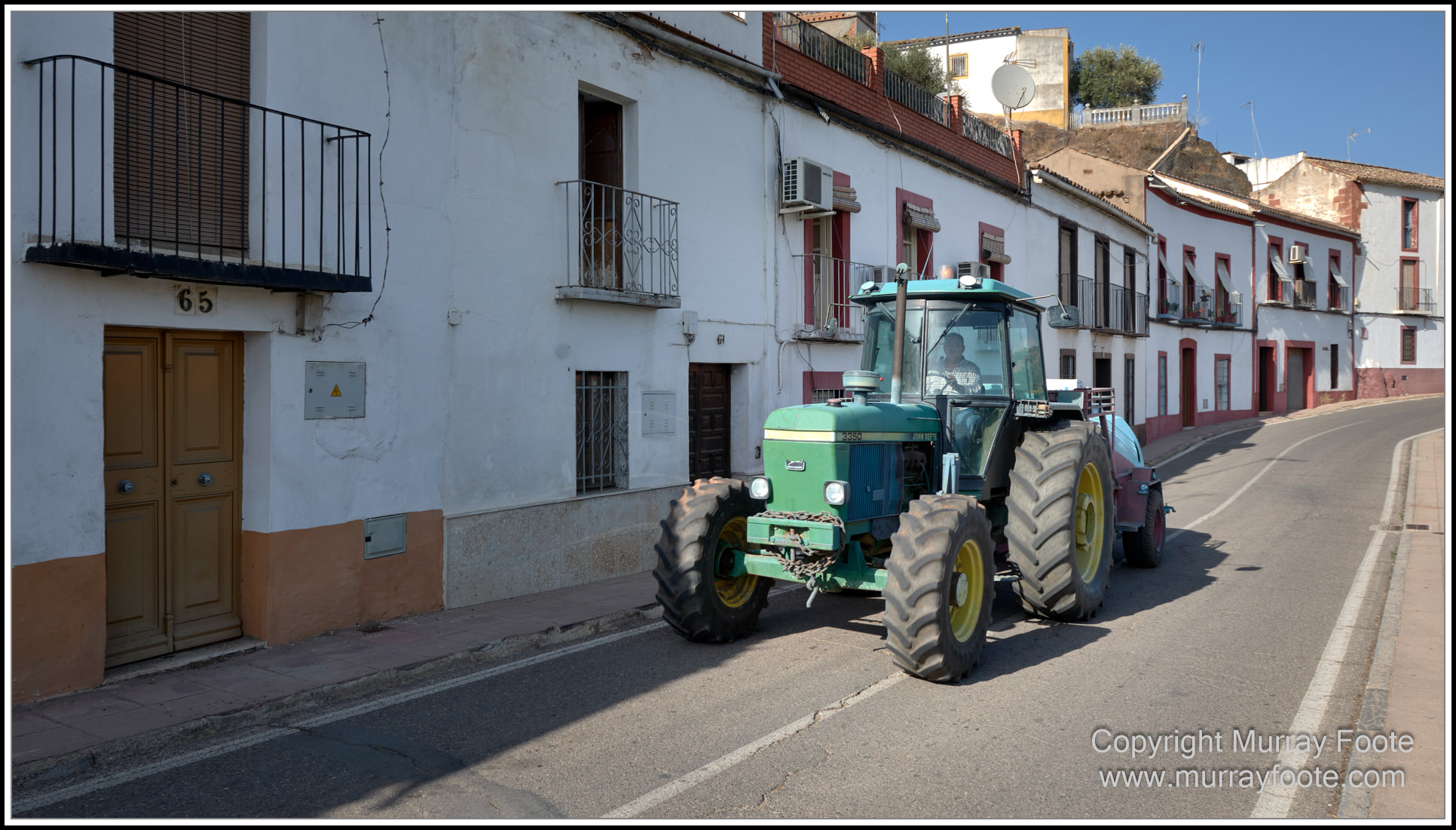
Street views.
.
.
.
.  .
.
.
.
.  .
.
.
.
. 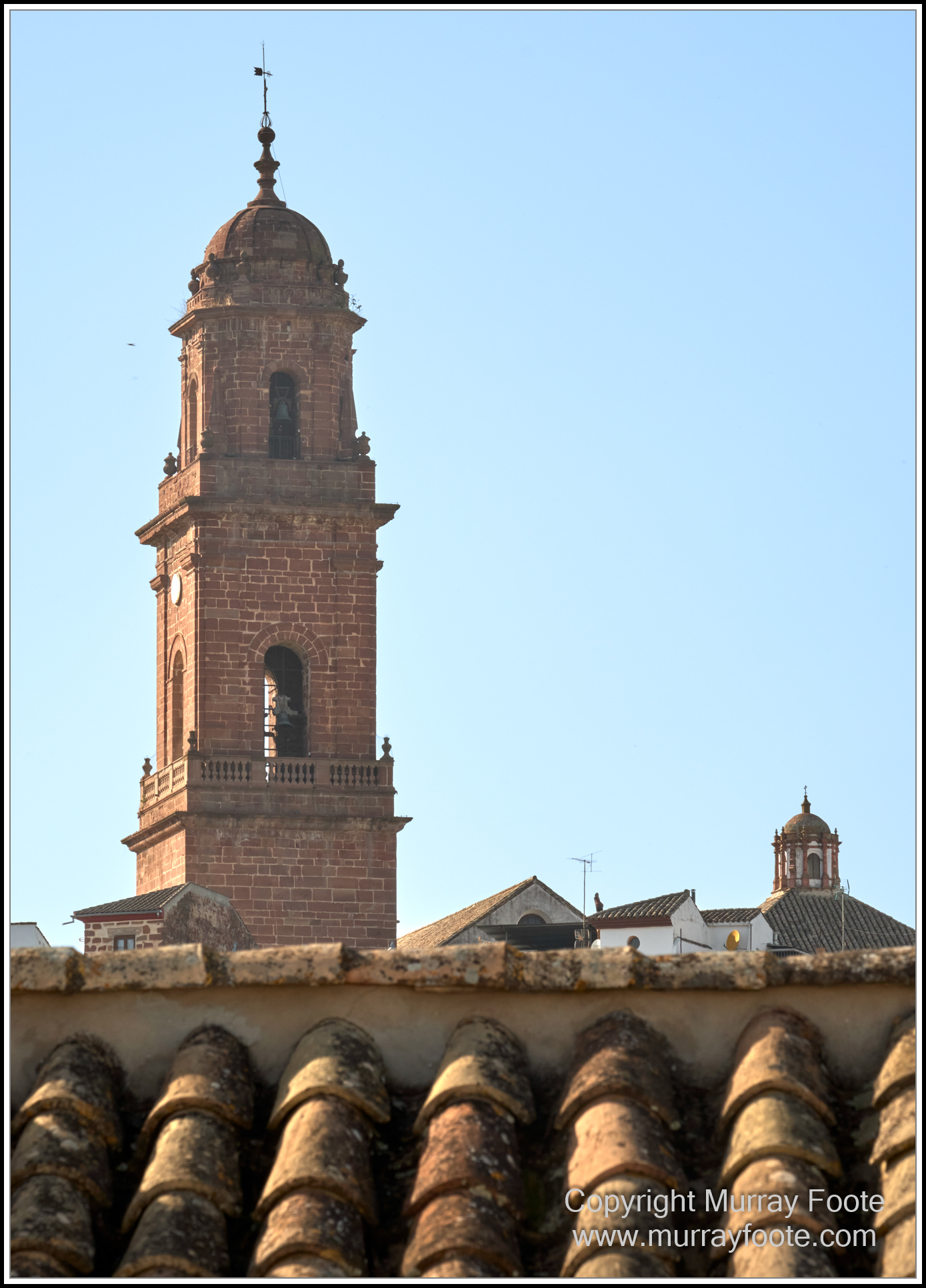
Church tower of Iglesia de San Bartolomé.
.
.
.
. 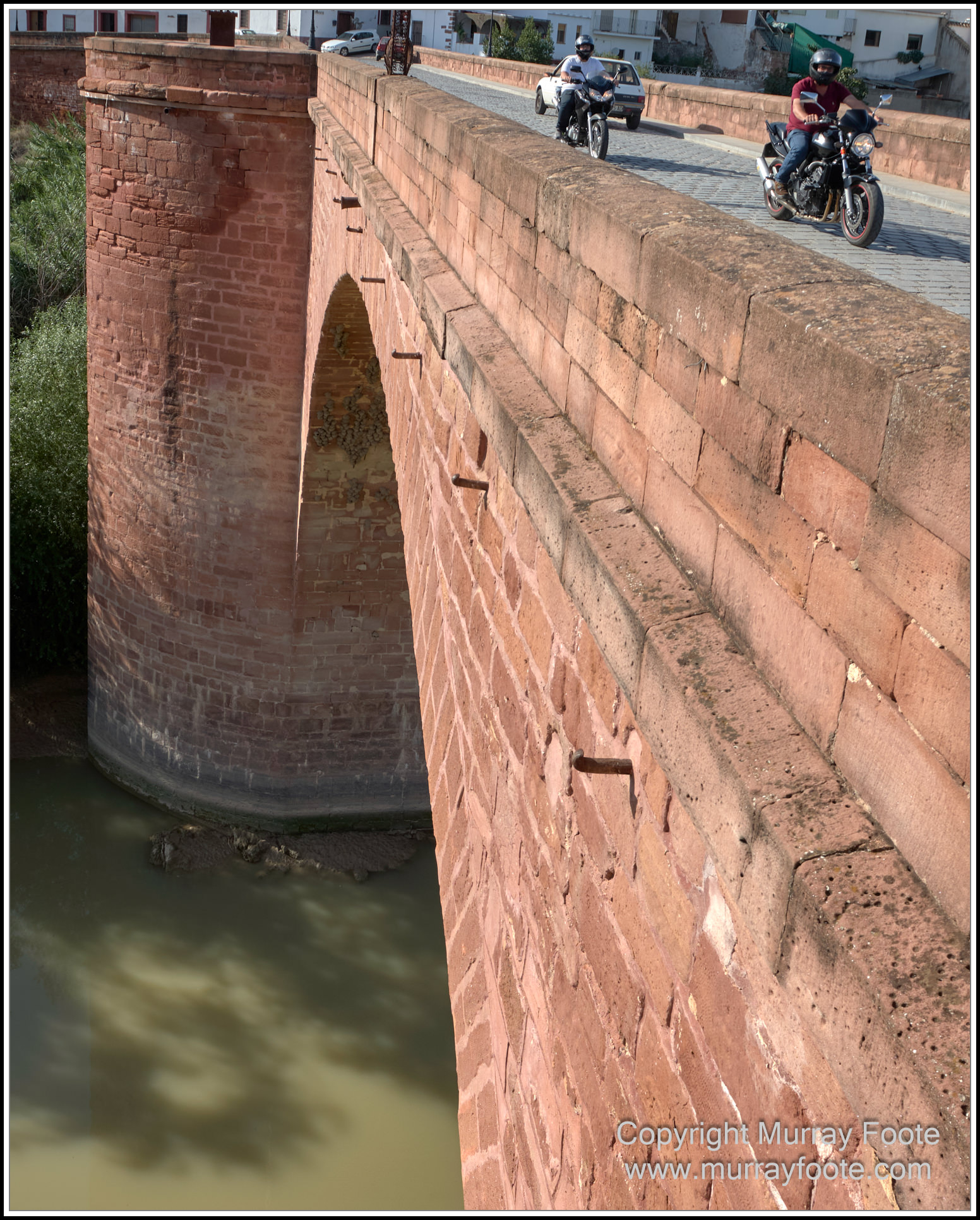
Bikers leaving Andujar over Puente Romano.
.
.
.
.
 Murray Foote
Thanks for the memories. We did a similar trip in 2011.
LikeLike
Amazing how earlier generations built towers and castles brick by brick and these are still standing today.Would be nice if those building standards had also survived to today as well.
LikeLike