Coles Bay to Port Arthur, Tasmania, 10 October 2023
.
Click on any image to see it larger (If you are on a PC at least).
.
I had hoped to visit Bluestone Bay in the early morning and had read of someone driving in in a Subaru Forester (same car as ours) but that was some years ago, road conditions may have changed and a National Parks officer advised me not to try. We could have walked in and out but that would have taken too much time. So we just visited Sleepy Bay, not far from where we were staying.
.
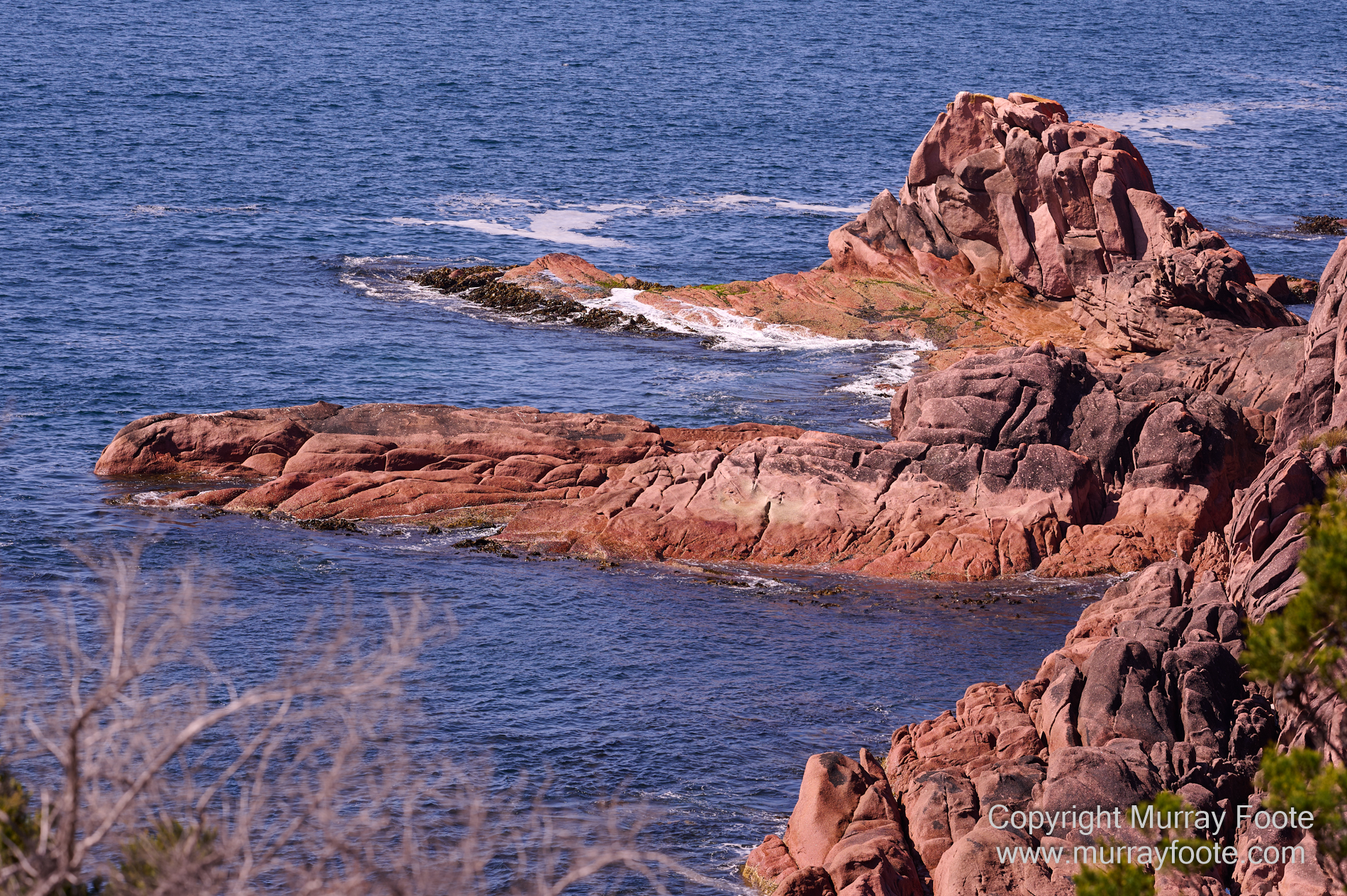
Dramatic coastline.
.
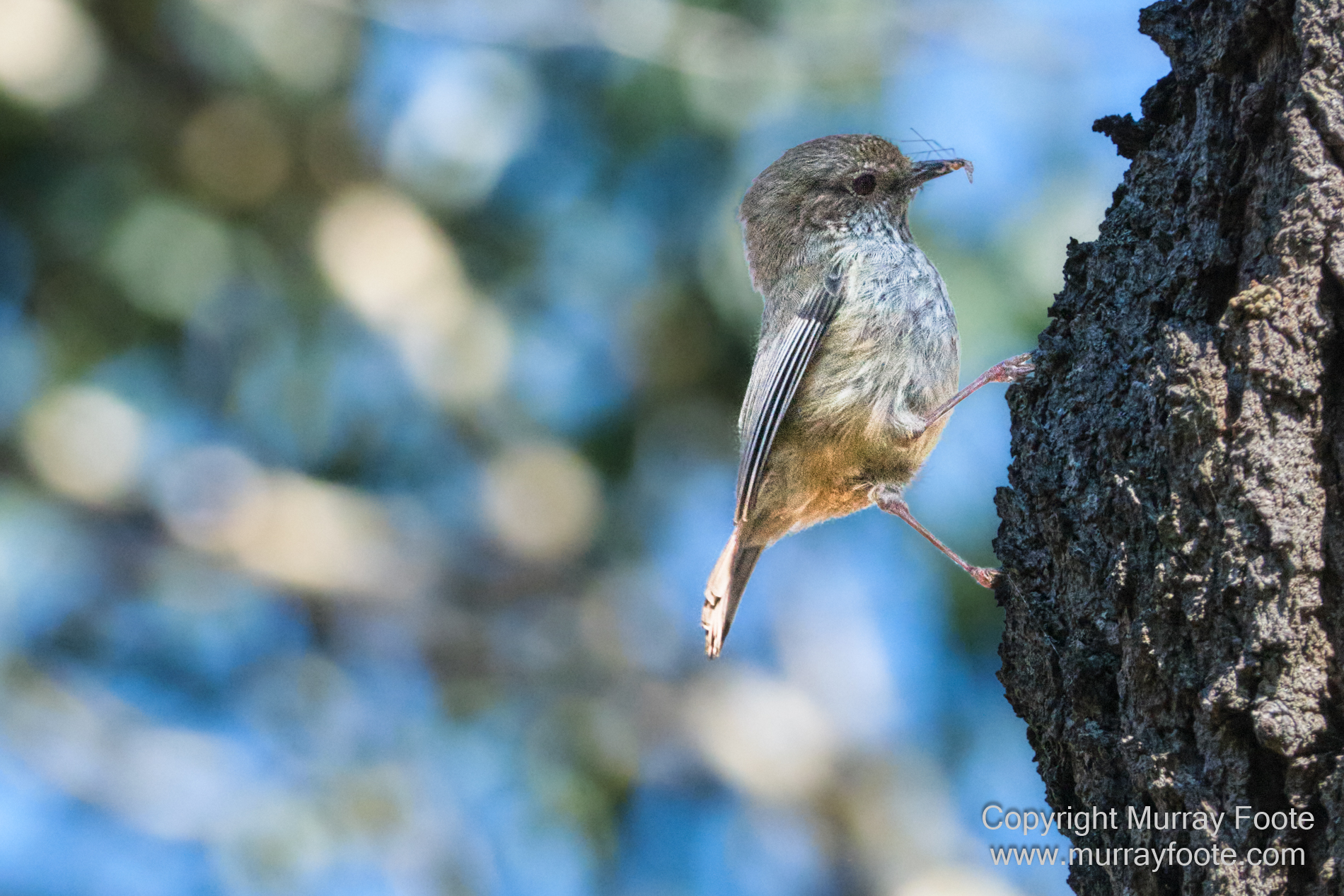
Thornbill
Walking in, I was alerted to some dolphins surfing below, but I did not see them so was unable to photograph them. However, there was this tiny bird flying round near the path. I’m not sure whether this is a Brown Thornbill or a Tasmanian Thornbill.
. 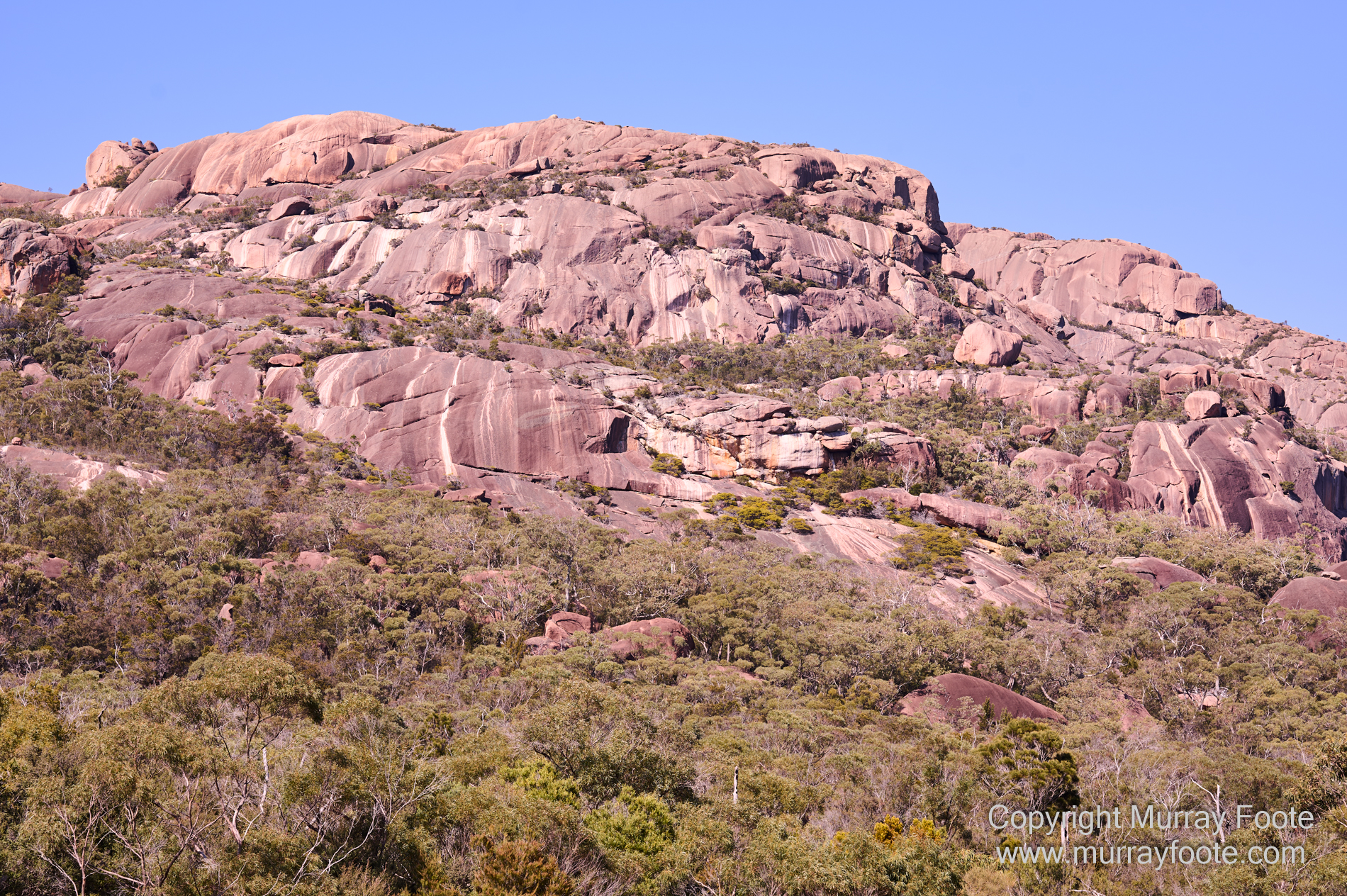
Impressive rocky hills surrounding Sleepy Bay.
. 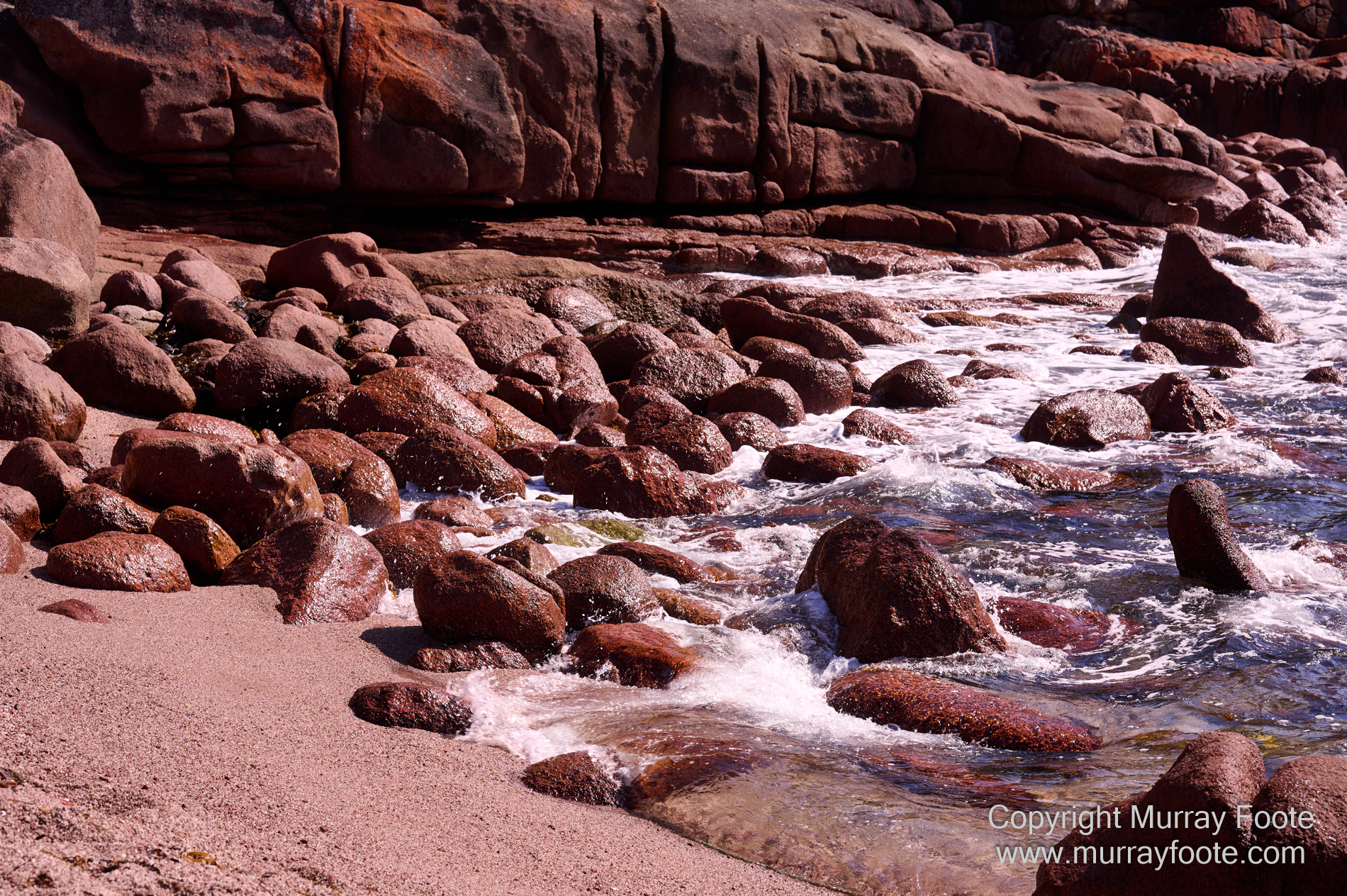
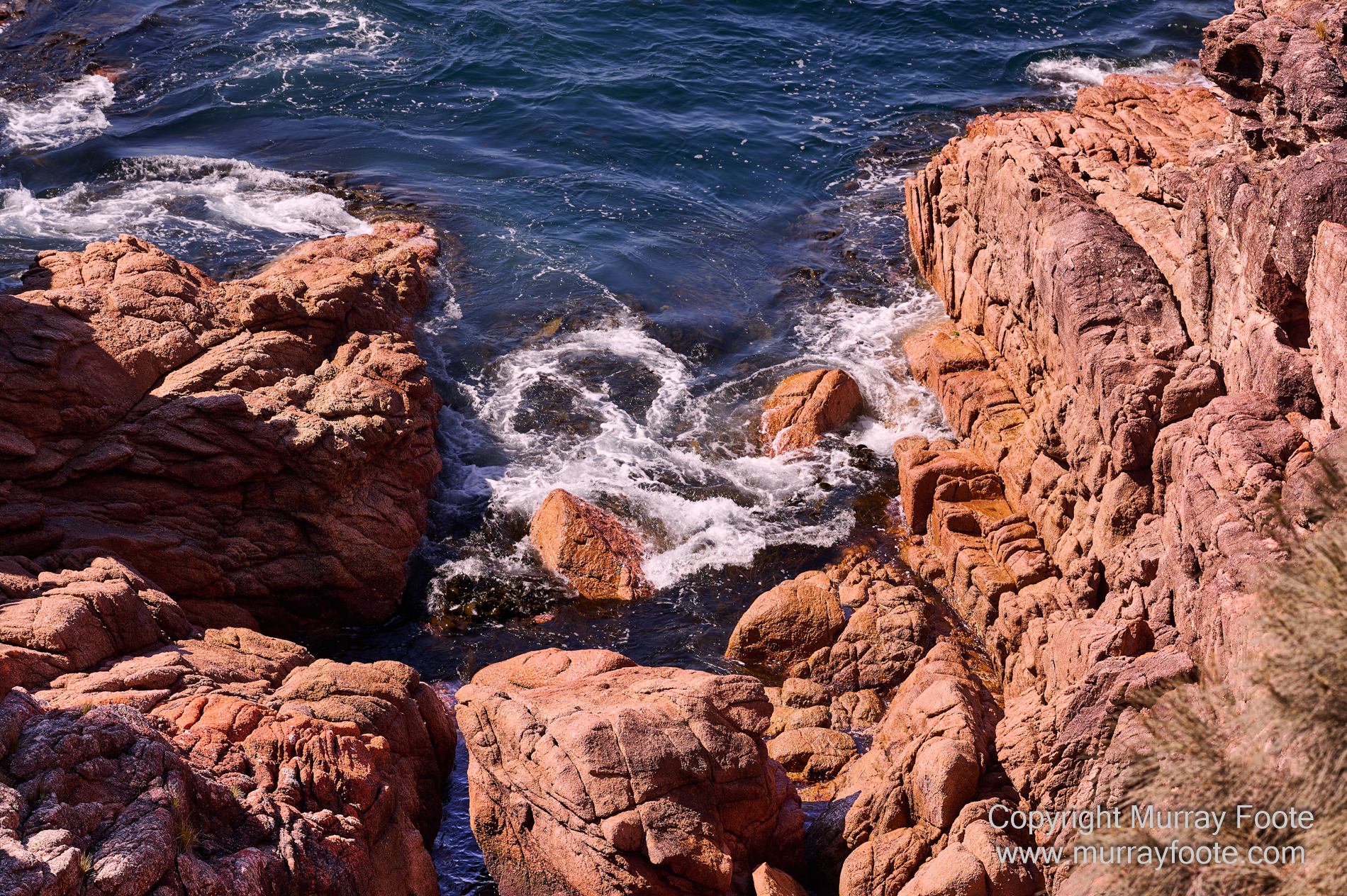
Red rocks and surf.
. 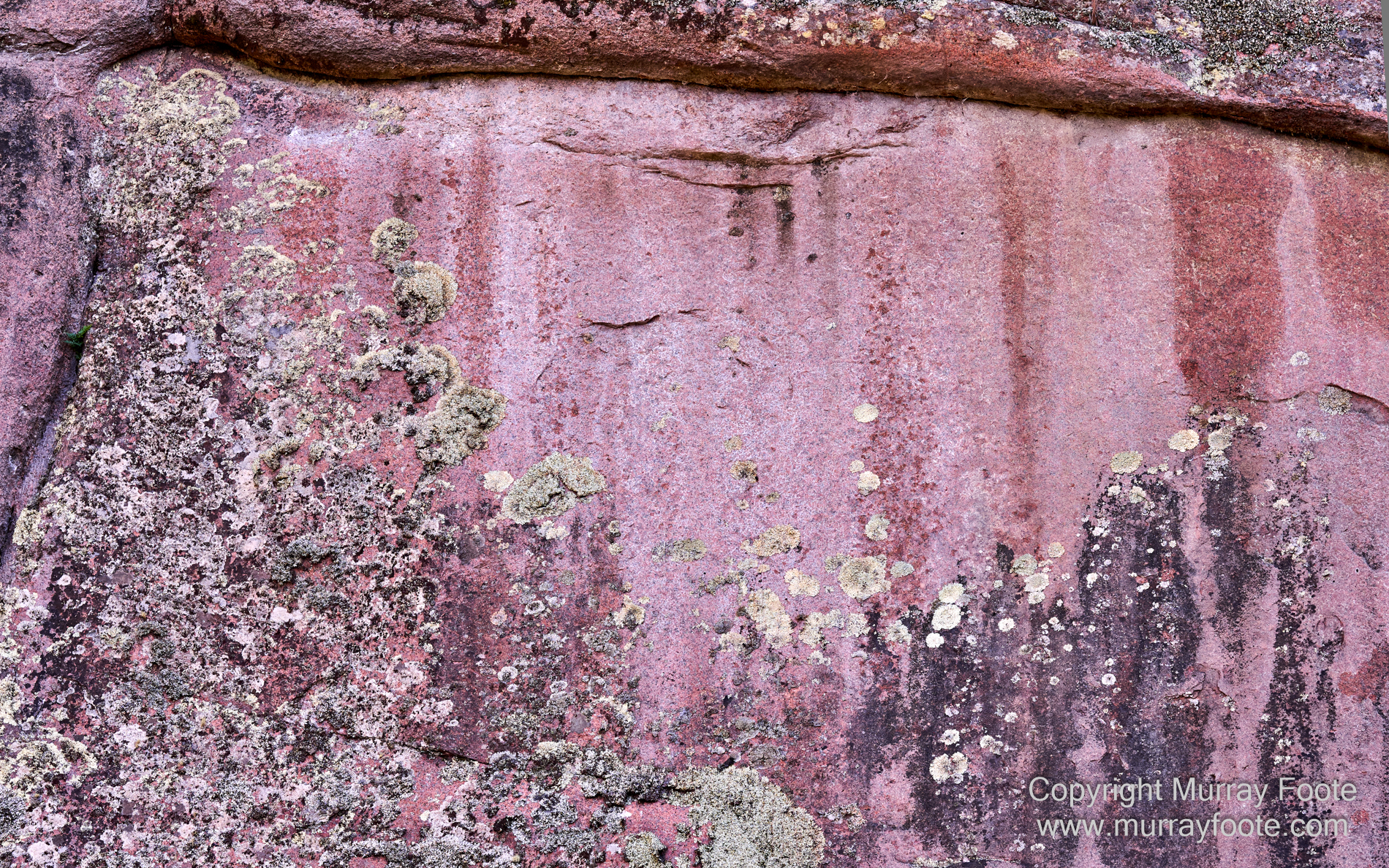
On the way back, we made a detour to an impressive cliff face.
. 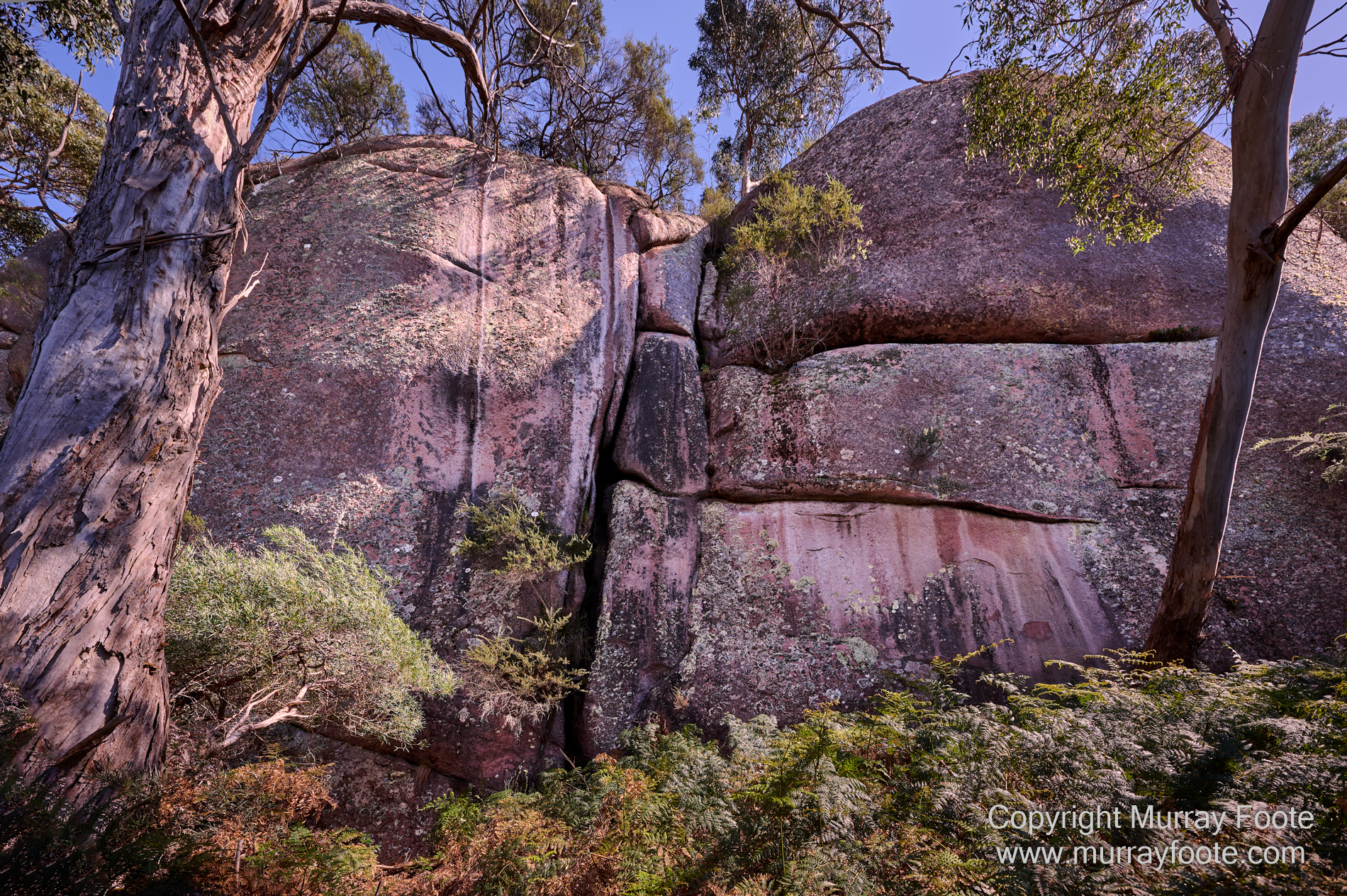
This is a wider view that includes the previous image.
.. 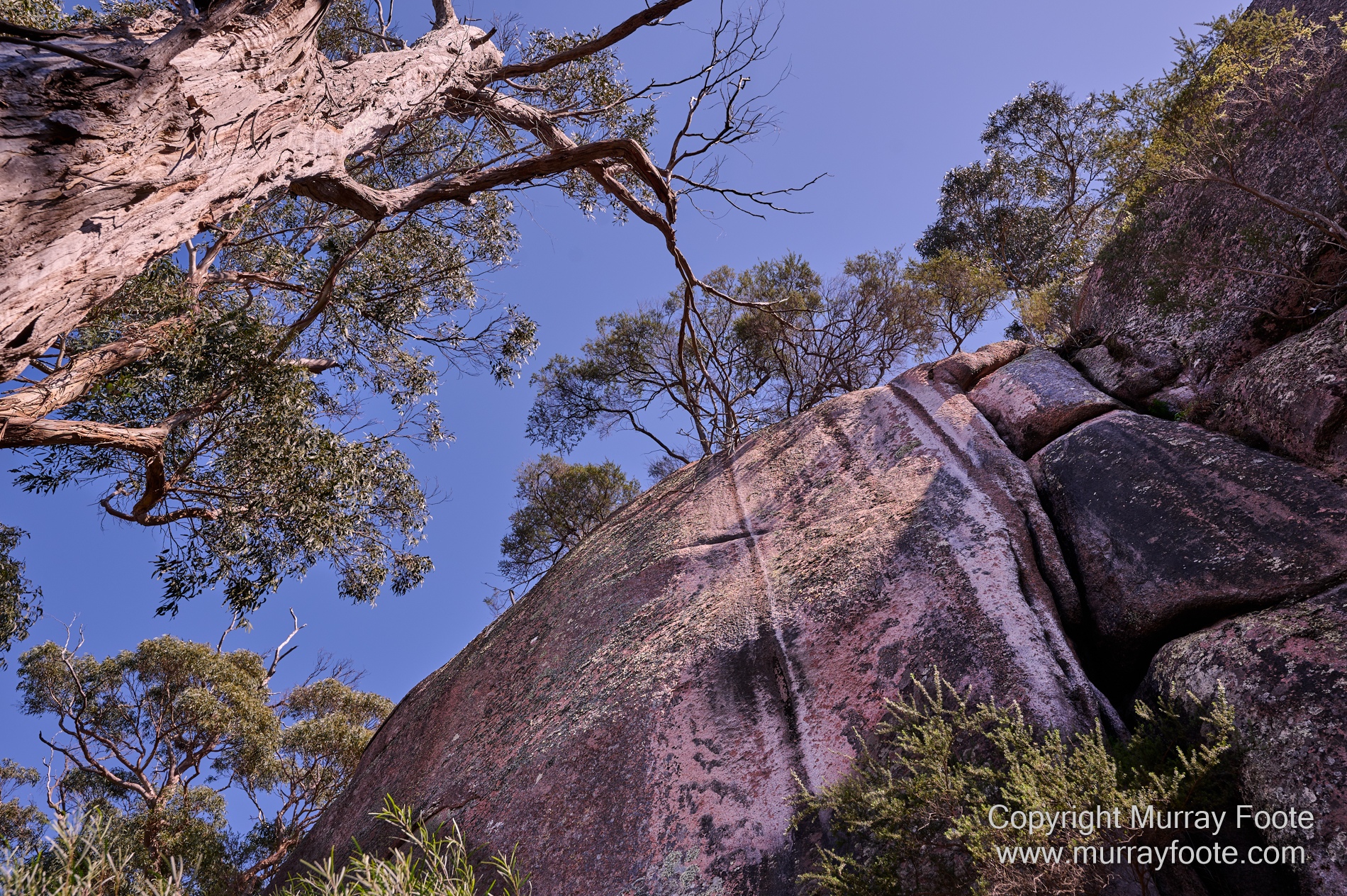
… And looking up.
.
. 
Last view on the way out.
. 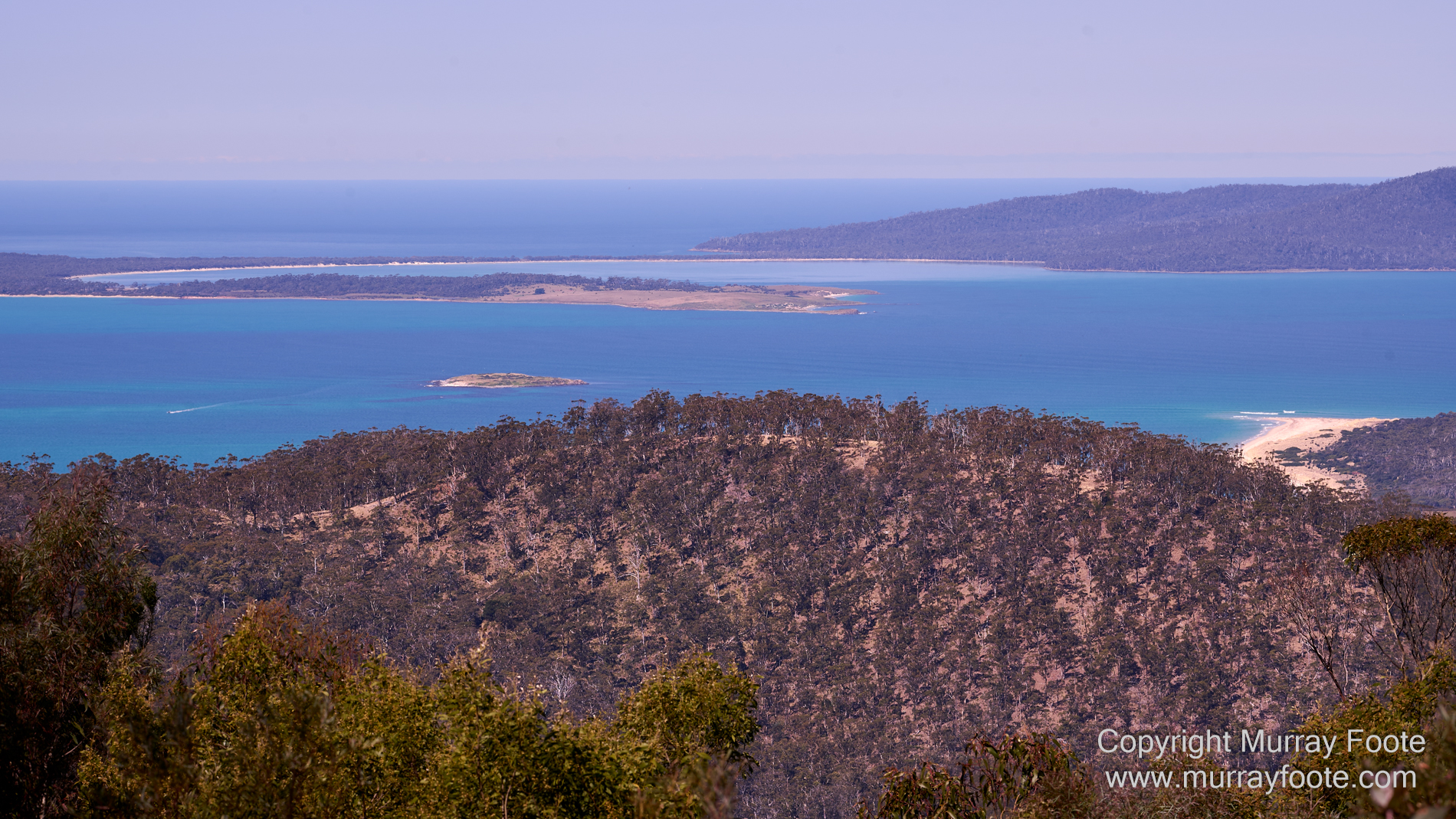
After leaving Sleepy Bay and Coles Bay, the next stop nearly two hours later was Thumbs lookout. We are looking across at Maria Island, including on the left the very narrow isthmus that connects the northern and southern halves of the island.
(I have an earlier post from 2017, Haunted Bay and Neptune’s Treasures, that covers a walk to Haunted Bay at the South of the island and a walk along the isthmus.)
. 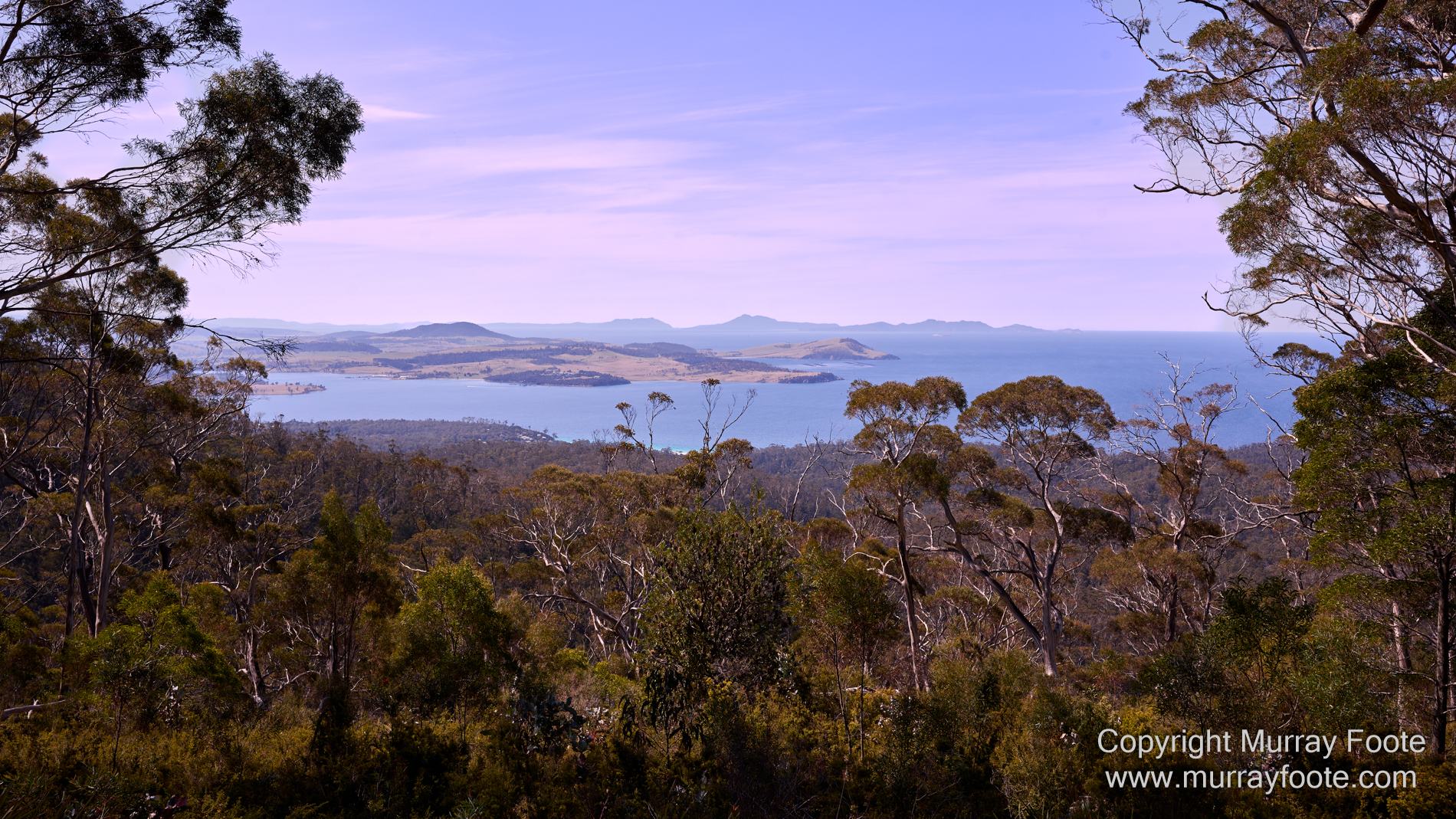
We are looking north now, across Prosser Bay to Freestone Point and Lord’s Bluff and the Freycinet Peninsula (including Coles Bay) on the horizon.
. 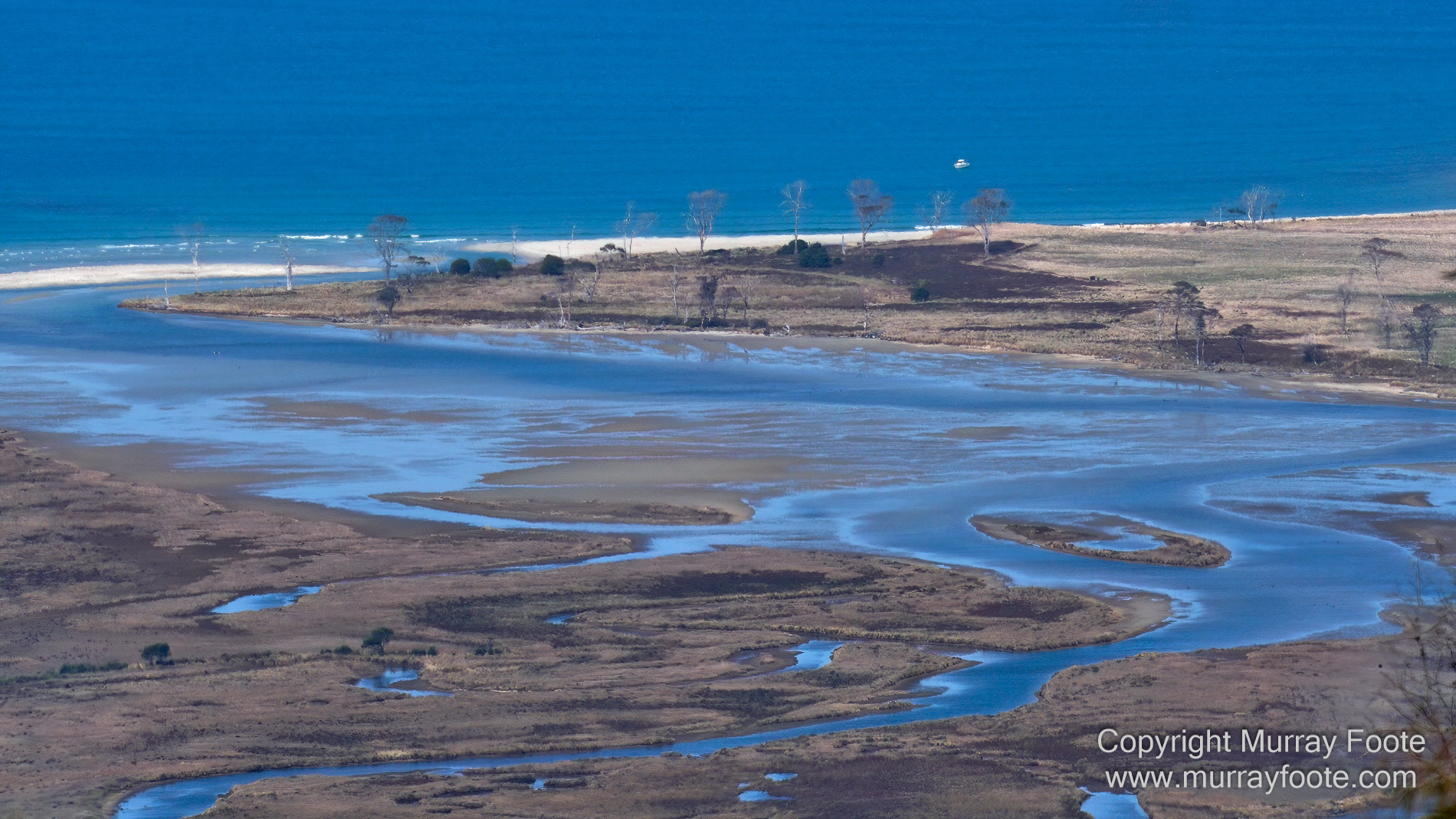
This is south-west, to Sandspit Ricer and Earlham Lagoon.
. 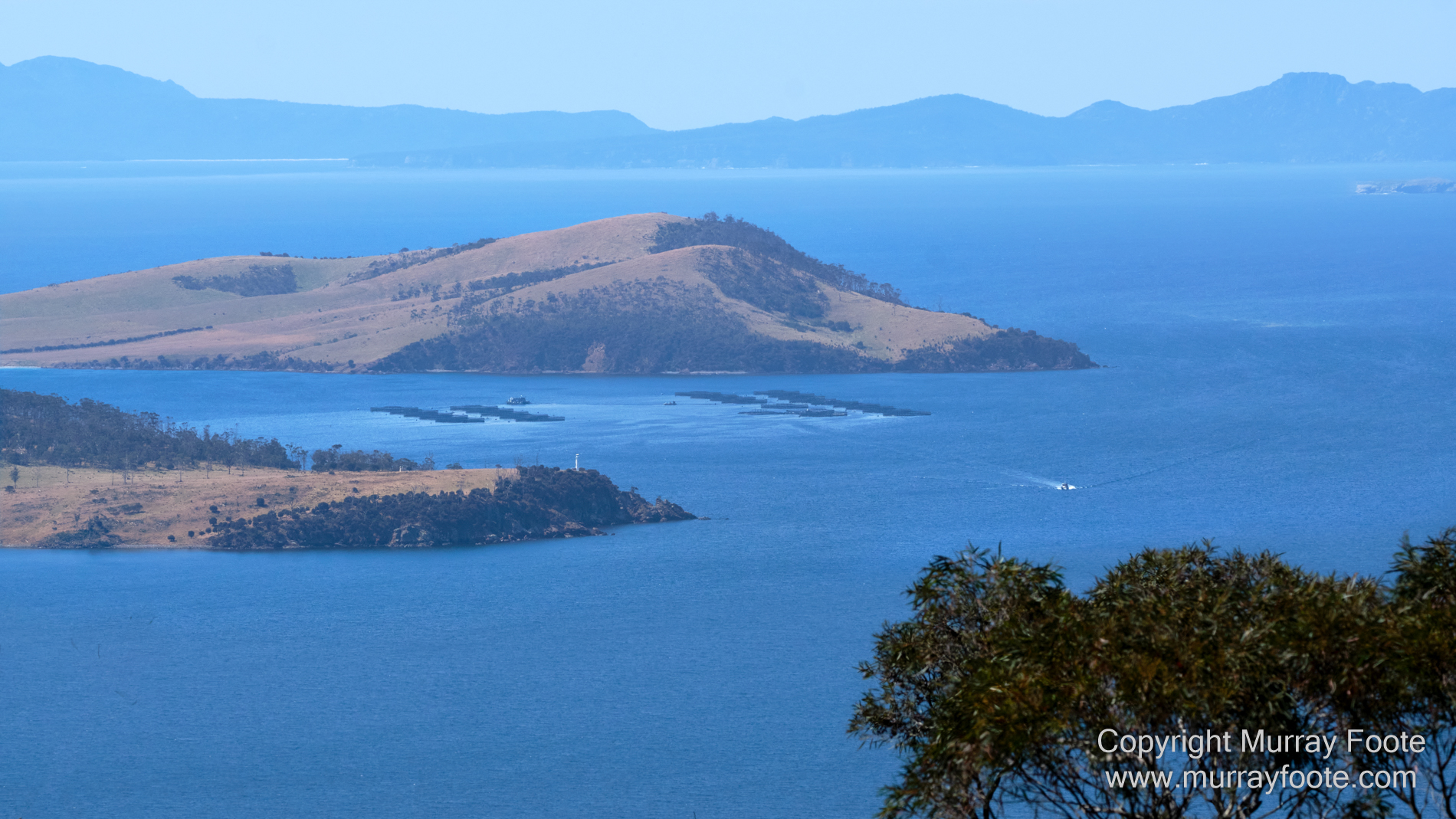
North again, zoomed in from the previous image, with Salmon cages in the water in front of Earl’s Bluff, and a small boat proceeding out of there and about to turn in front of the lighthouse on the nearer point. You can see all of this more clearly if you click on the image for a larger view.
. 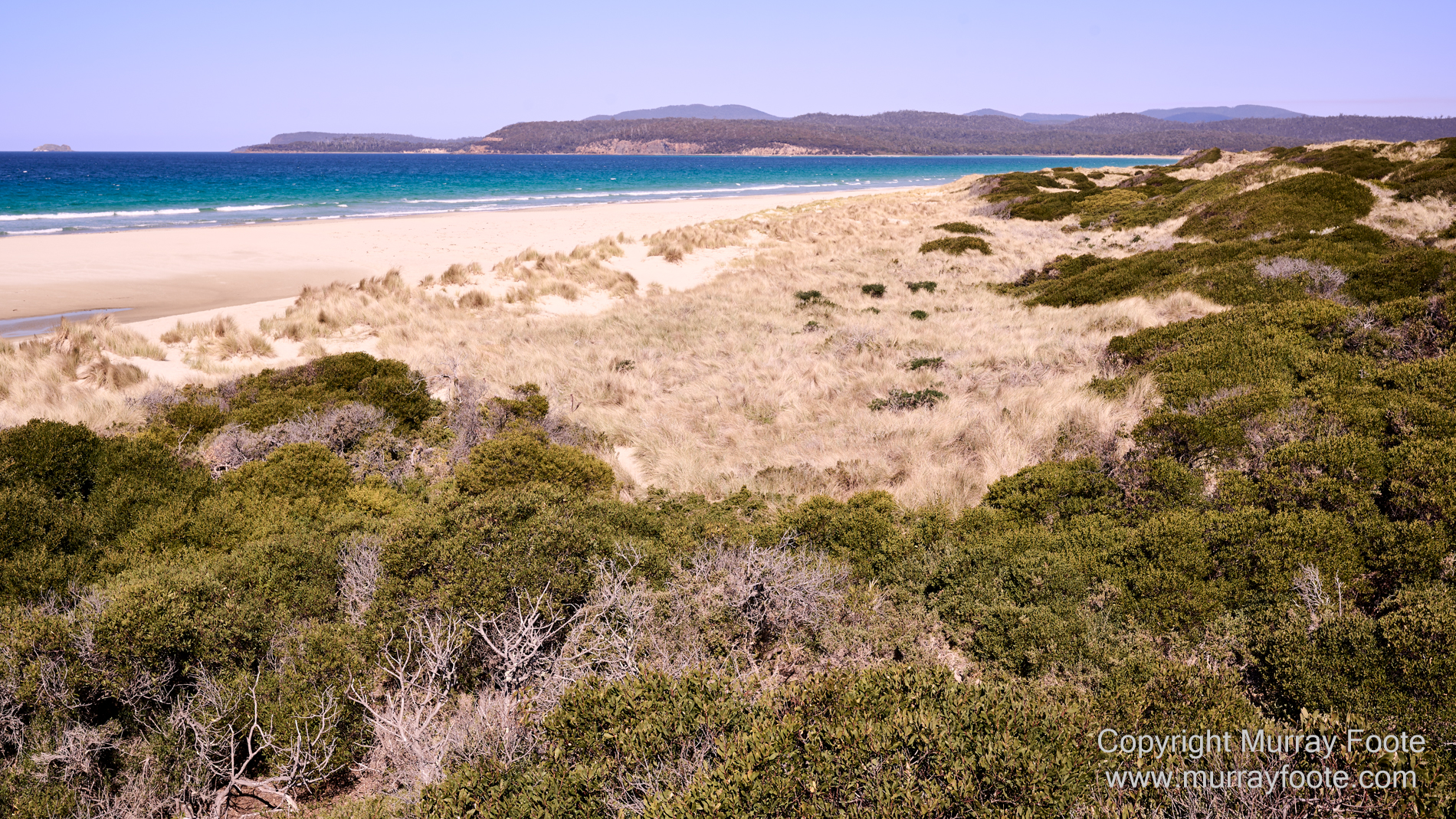
Next stop was Marion Bay Viewing Platform. This is looking south.
. 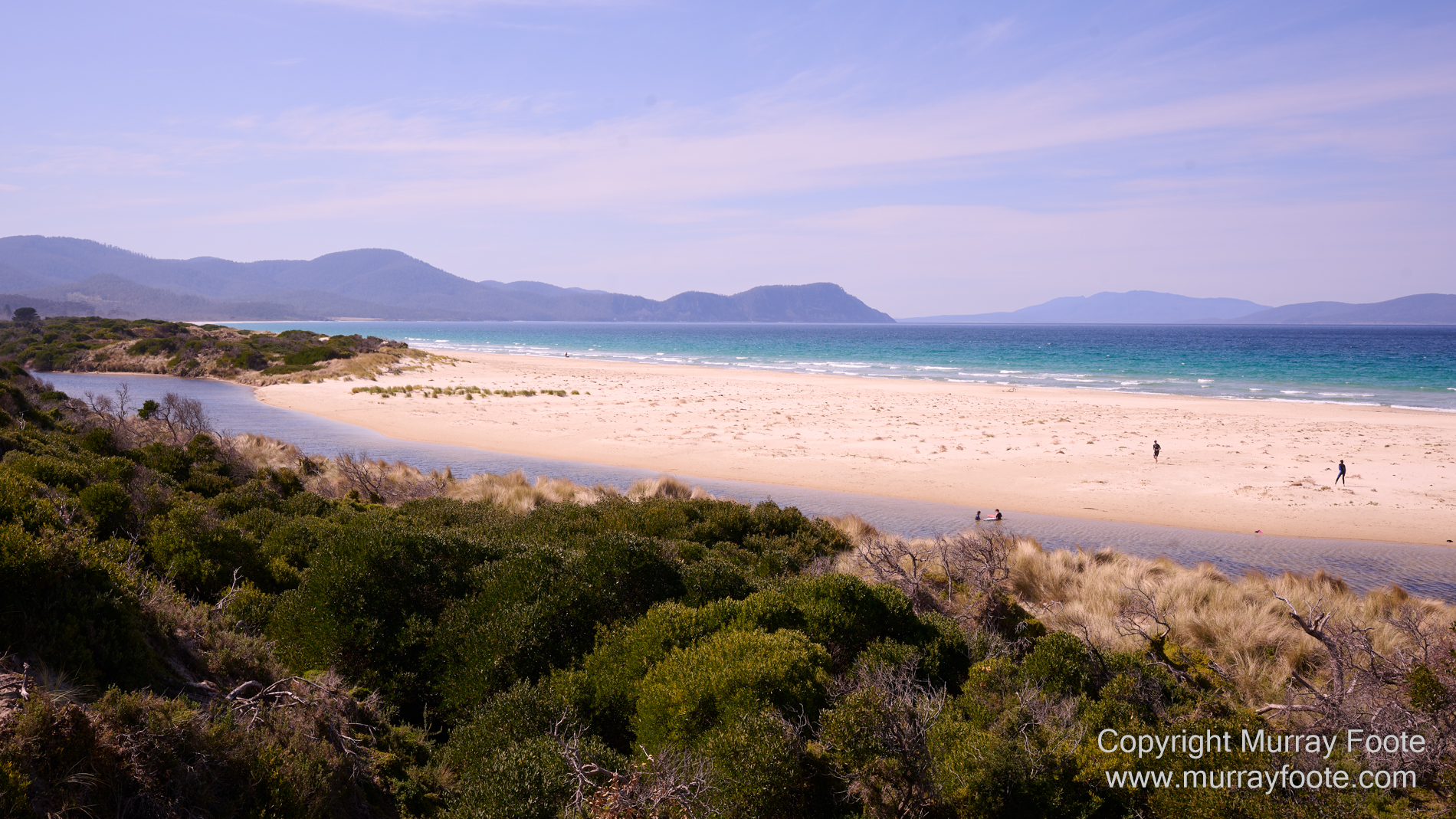
… And this is looking north, including a couple of people throwing a frisbee around on the beach.
. 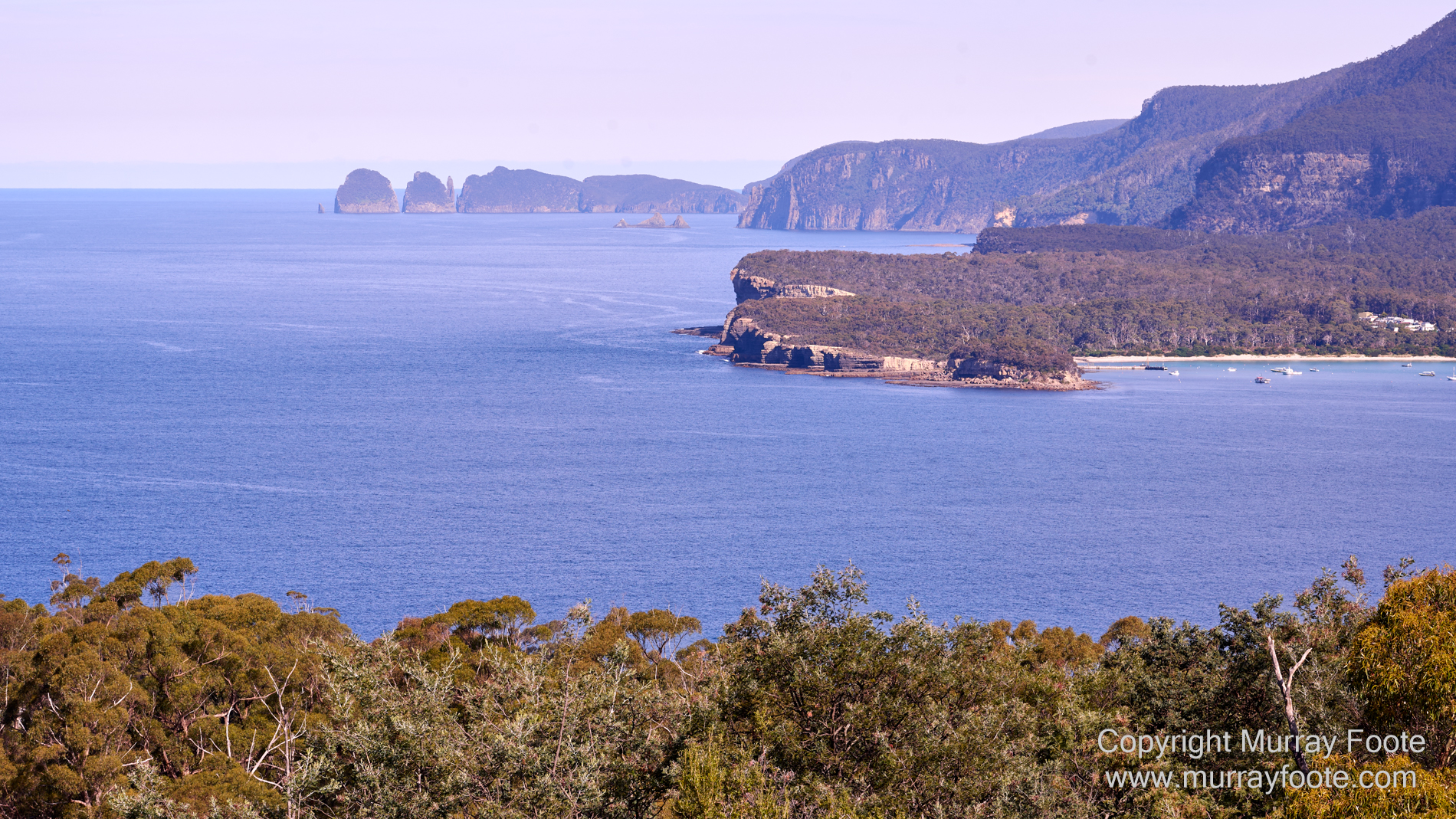
Further on, a viewpoint looking south to the Tasman Peninsula from near the Tessellated Pavement.
(We will see the far point close up from the sea in the next post).
. 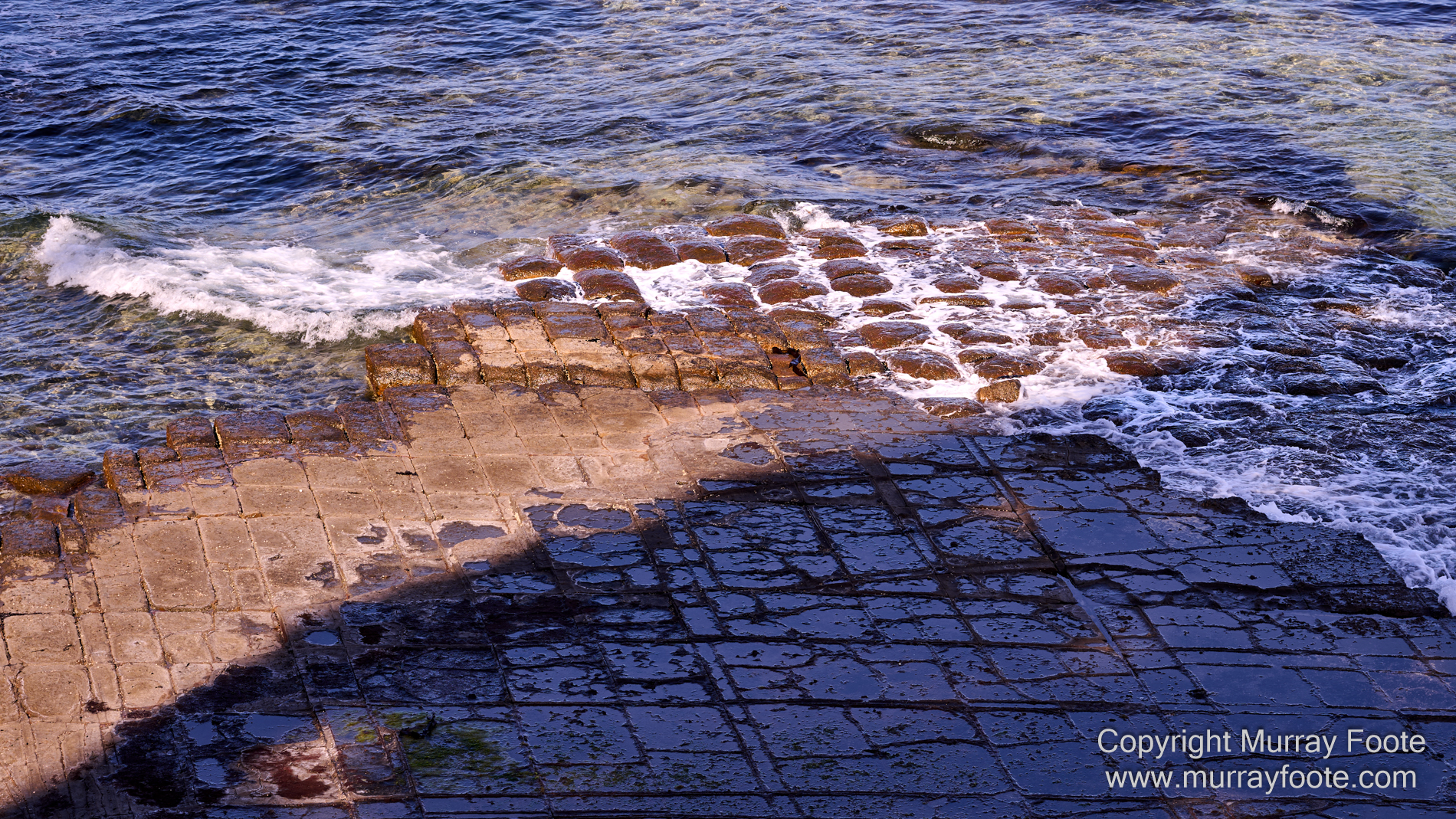
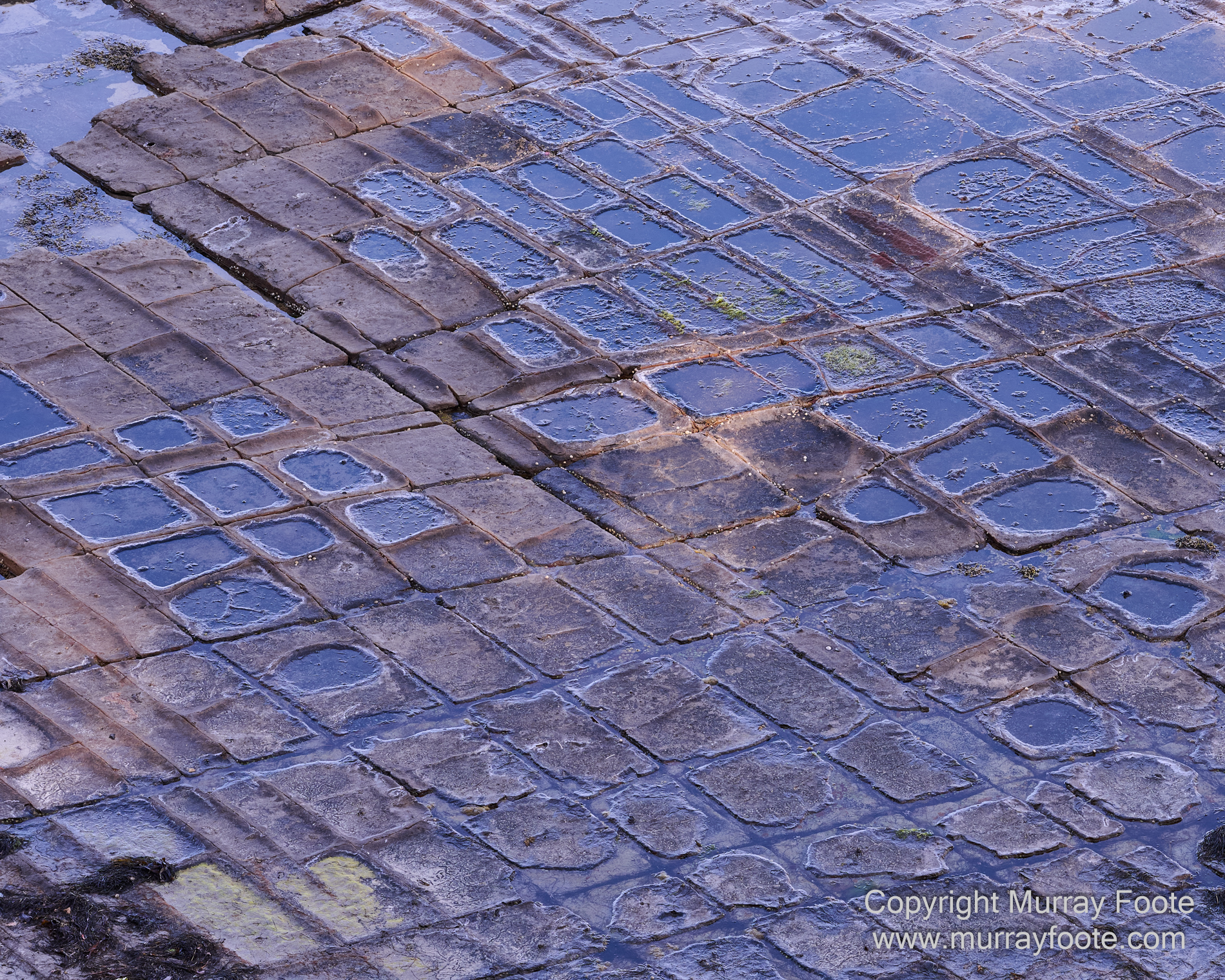
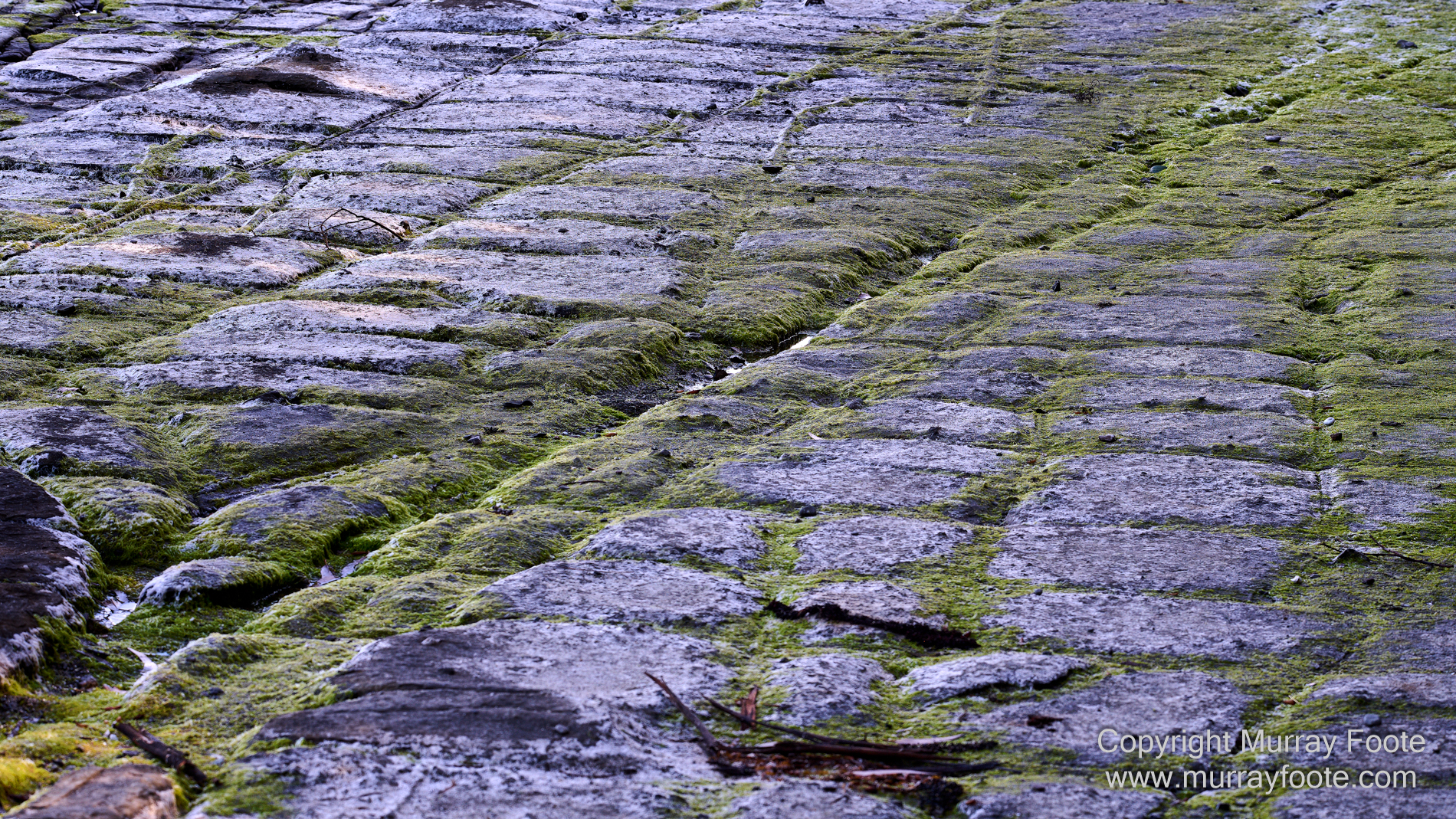
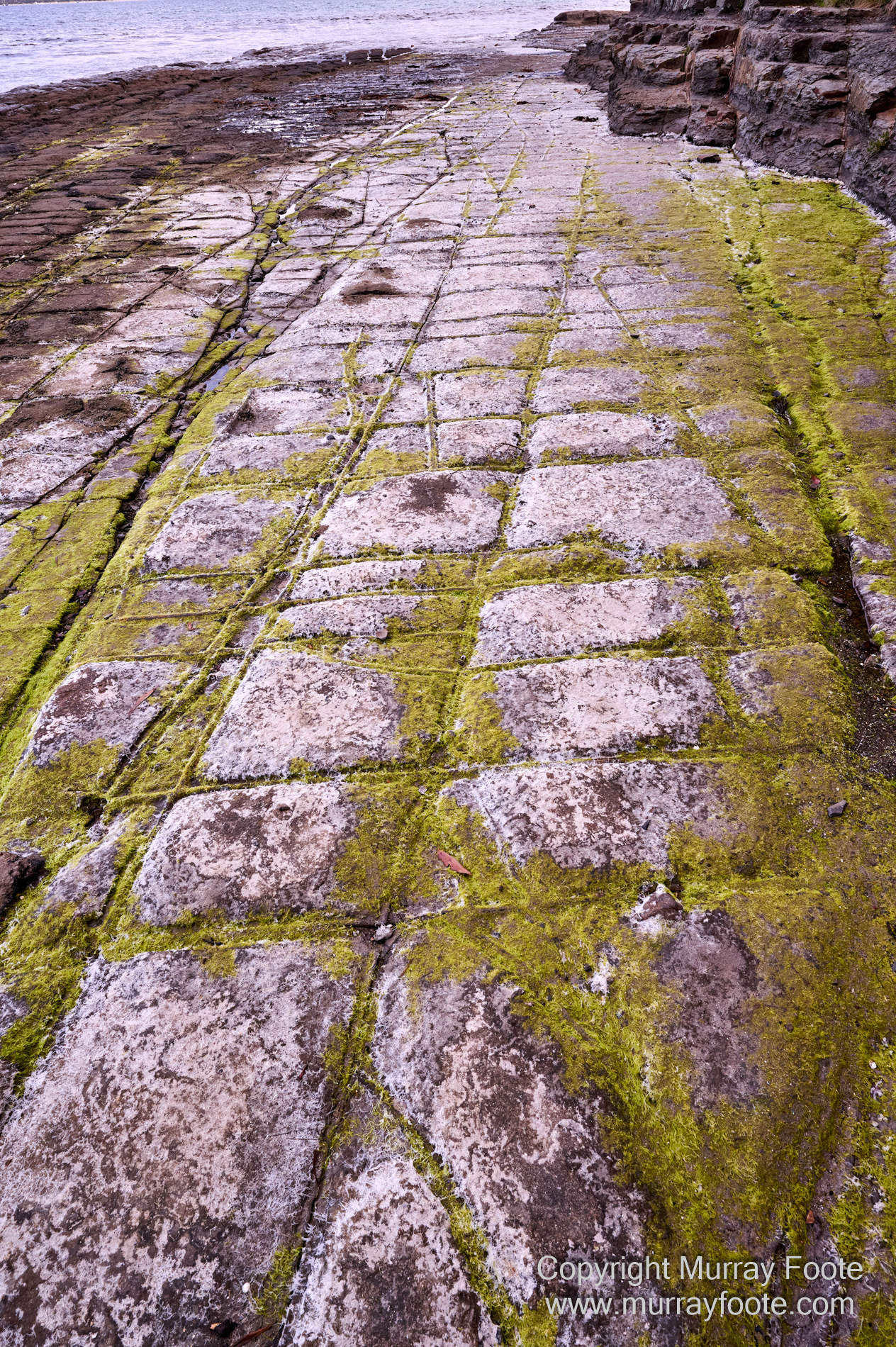
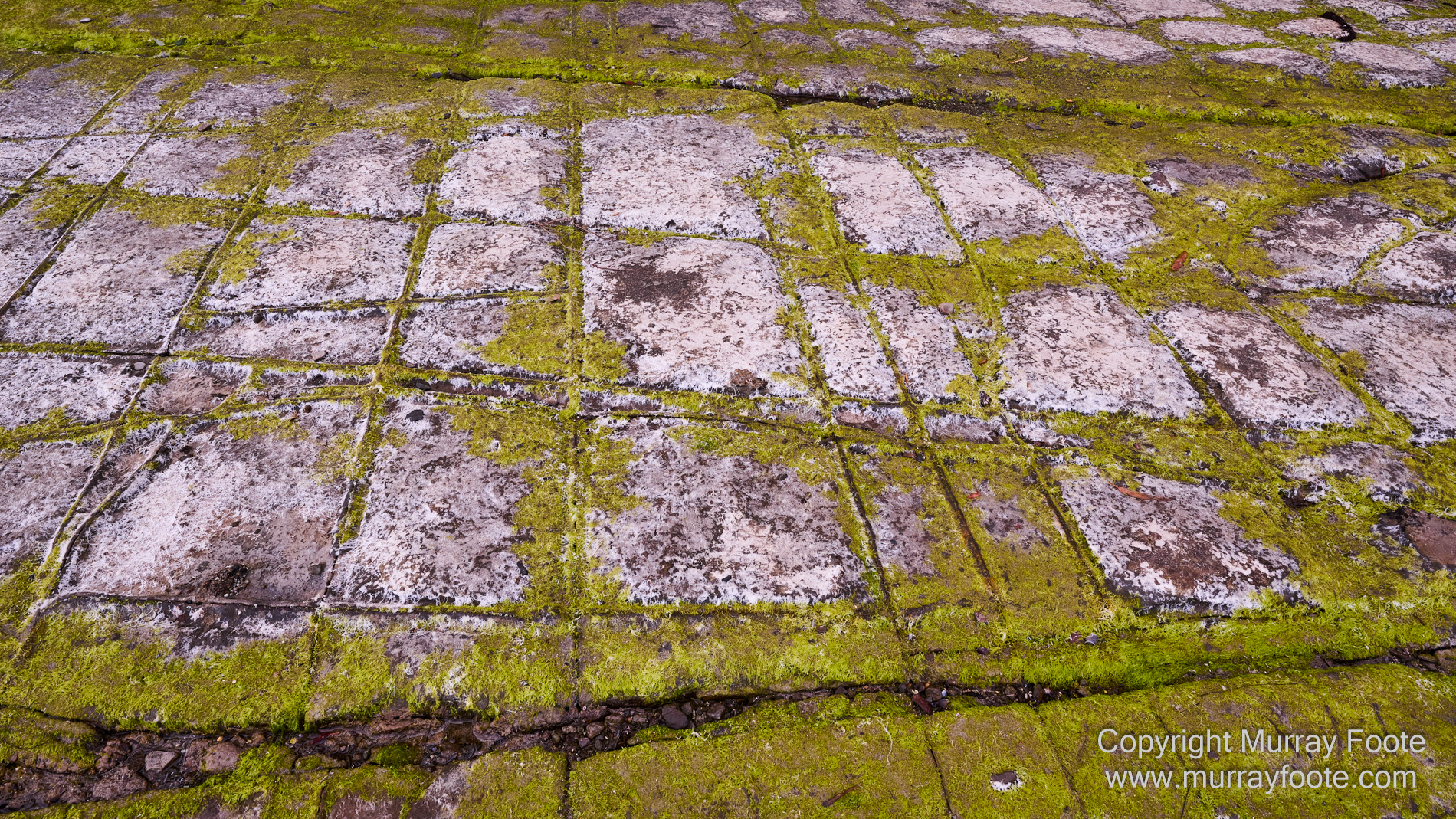
I was most impressed by the Tessellated Pavement at Pirates Bay, just before Eaglehawk Neck leading to the Tasman Peninsula. Here flat sandstone has been fractured into mainly rectangular segments. There can be pan formations and loaf formations. The pan formations have raised edges due to salt crystals. The loaf formations are closer to the seashore where the rocks do not dry out so much, so the salt does not form and the edges f the rectangles are recessed.
Here we can see pan formations in the shadow at the front, and loaf formations further out being washed over by the sea.
. 
You could probably find and mark off an area to play Chess or Go or Go-Moku.
. 
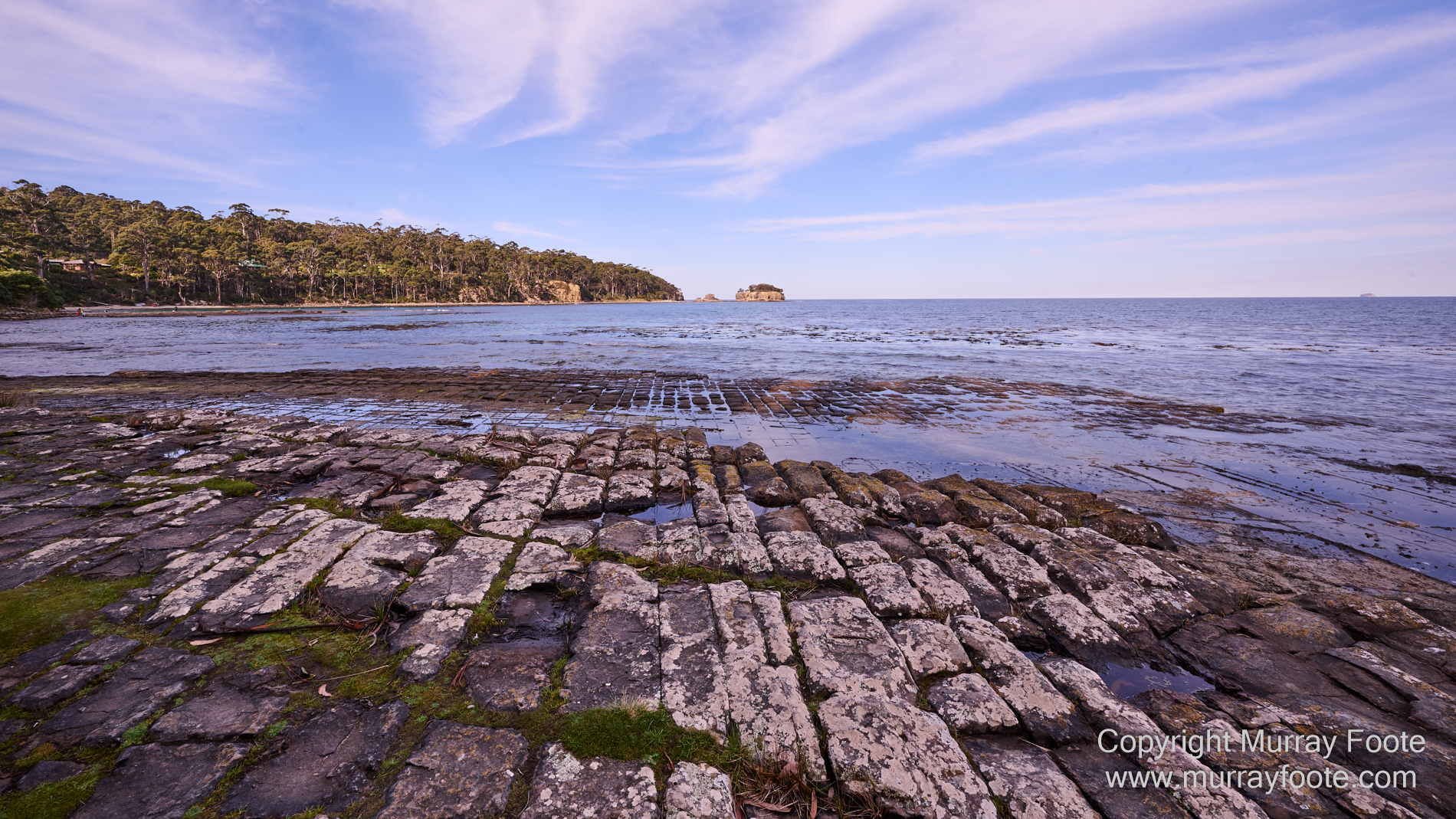
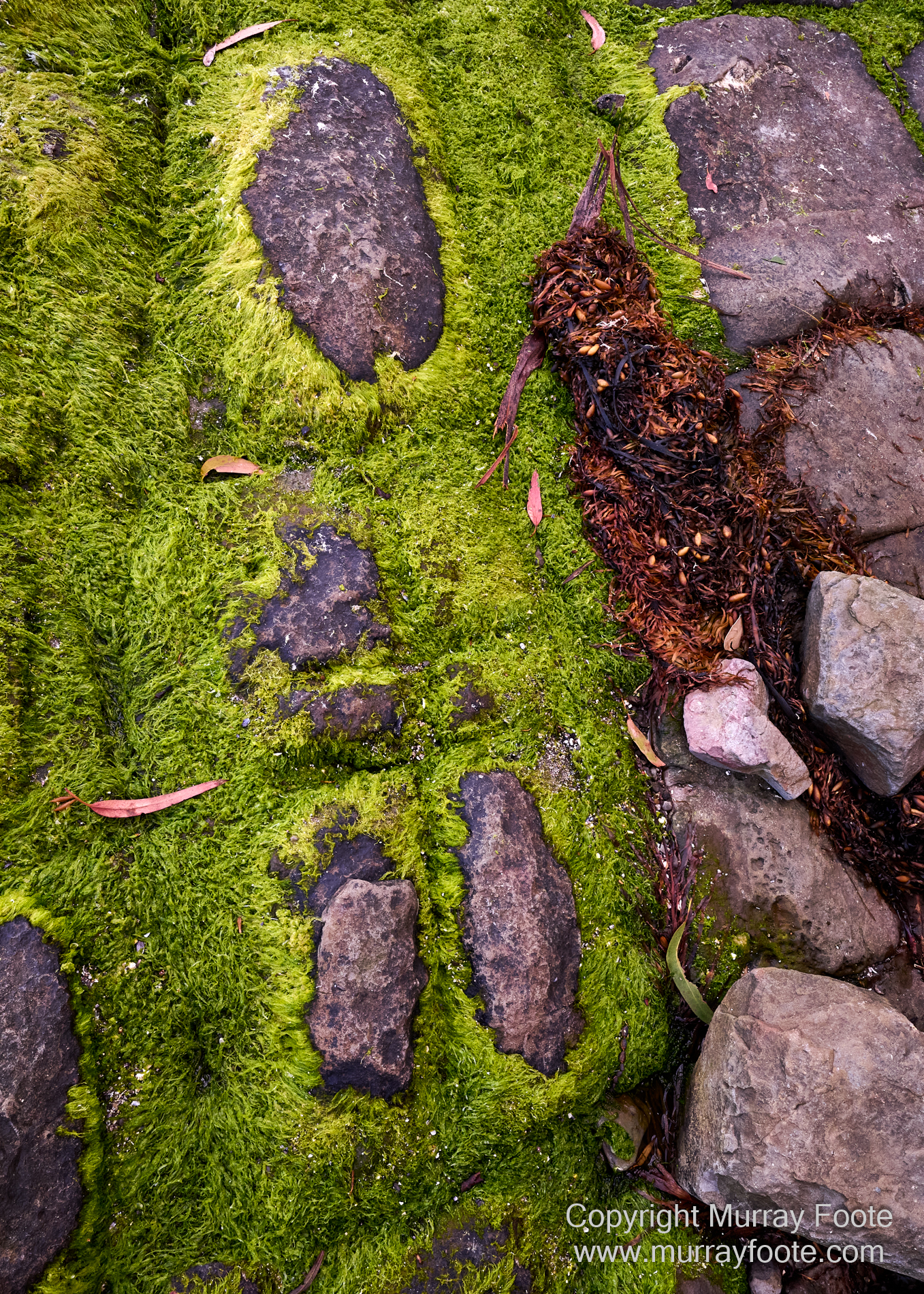
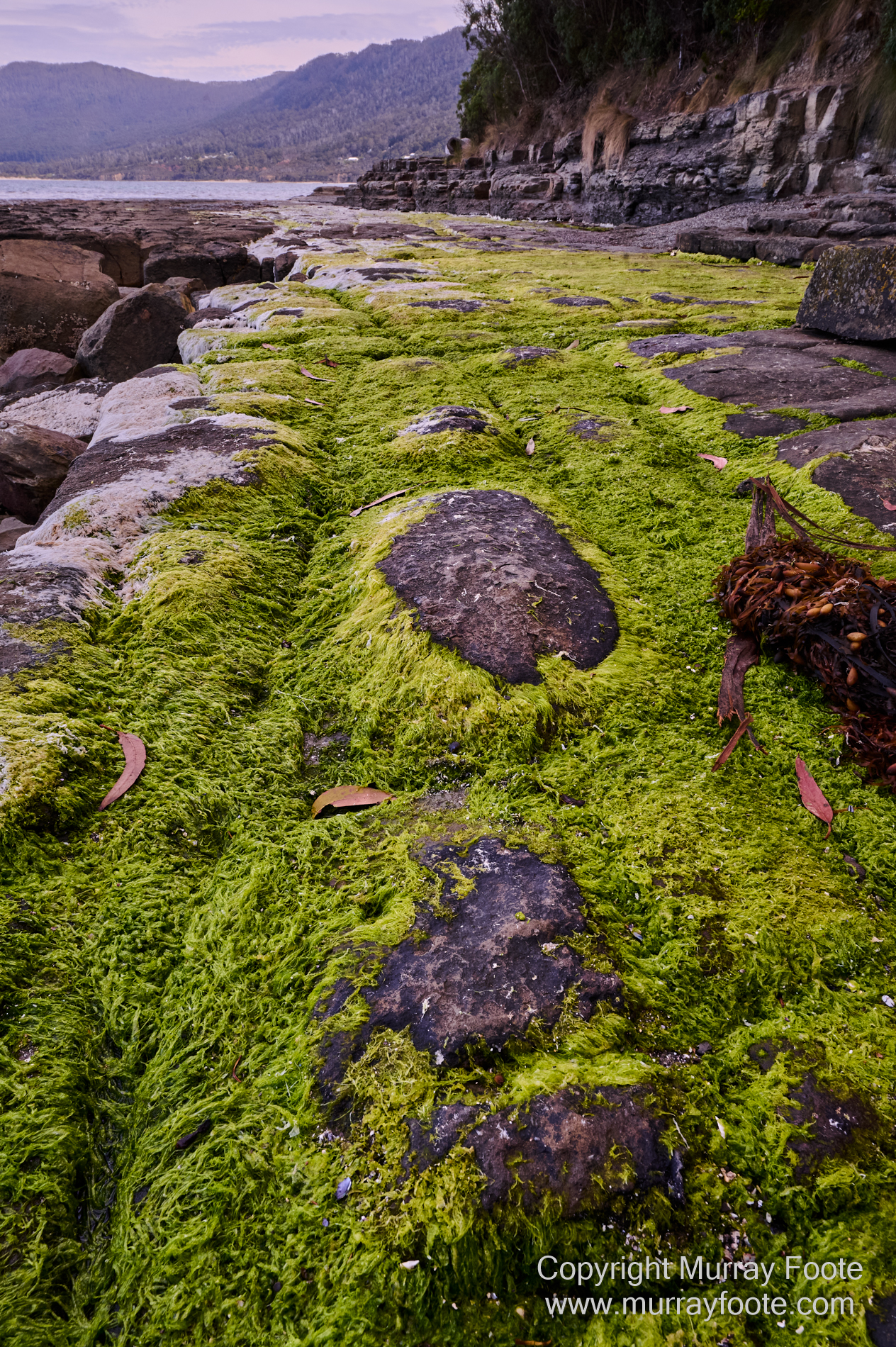
Marine moss can give a further element of colour.
. 
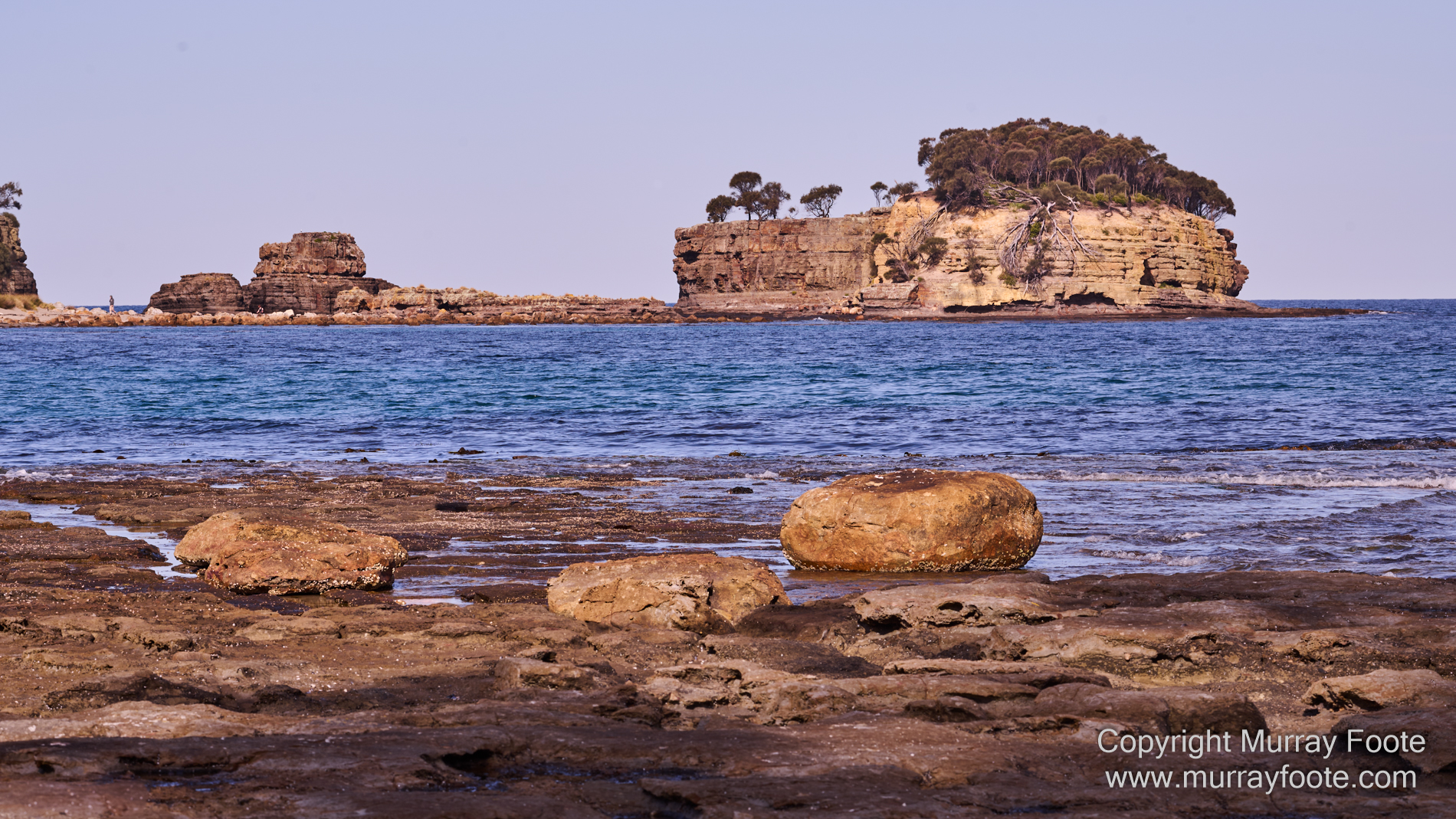
Walking north and looking how it progresses there.
.
Further on, there is some tessellation here, but not as much.
. 
Now back and walking south, with more marine moss.
. 
The view leads out towards the Tasman Peninsula.
. 
The tessellated pavement covers quite a large area.
.  .
.
. 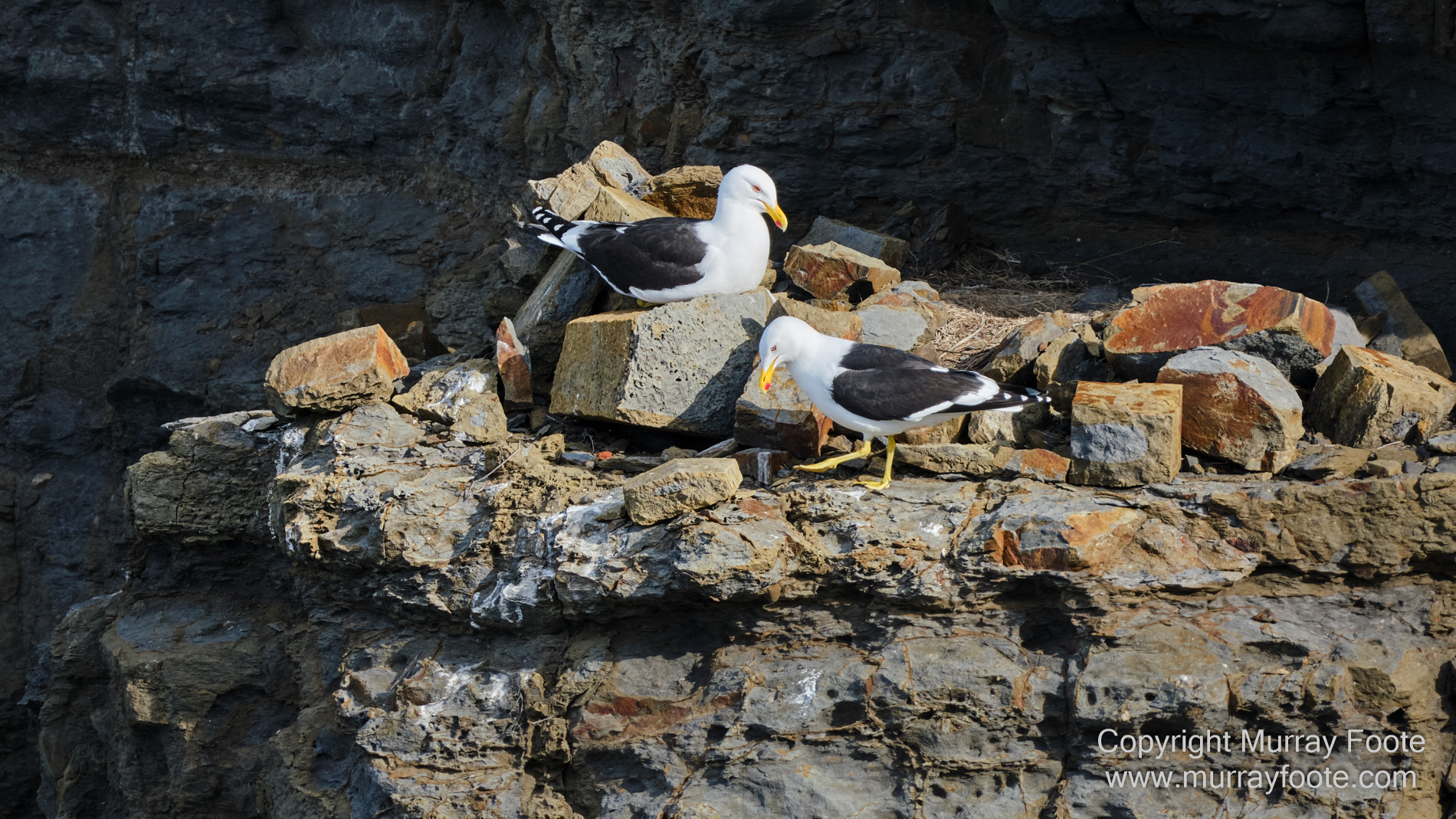
Now on Tasman Peninsula, just beyond Tasman Arch, a pair of kelp gulls in a cliff-side nest site.
. 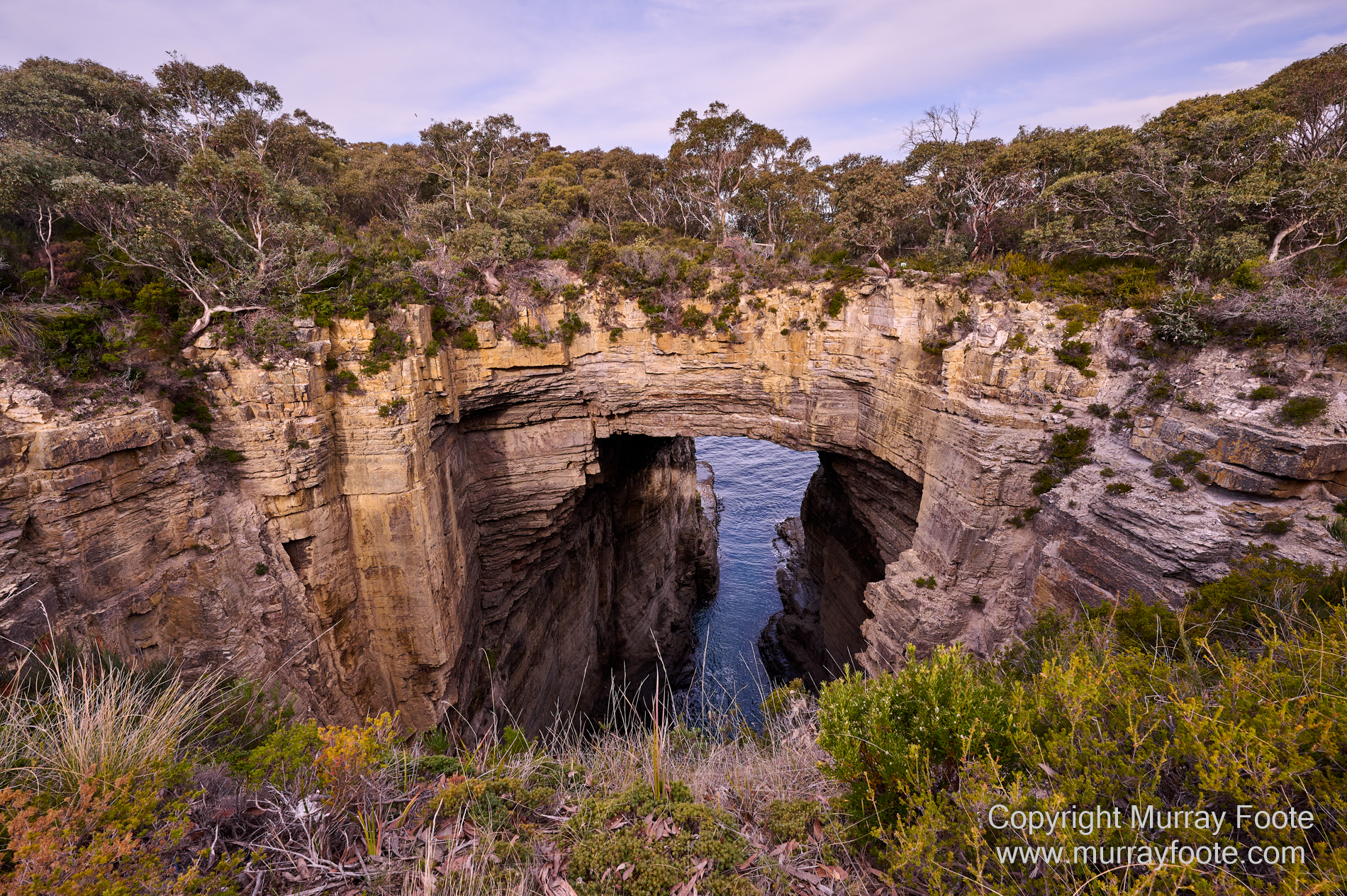
This is Tasman Arch, a collapsed sea cave.
. 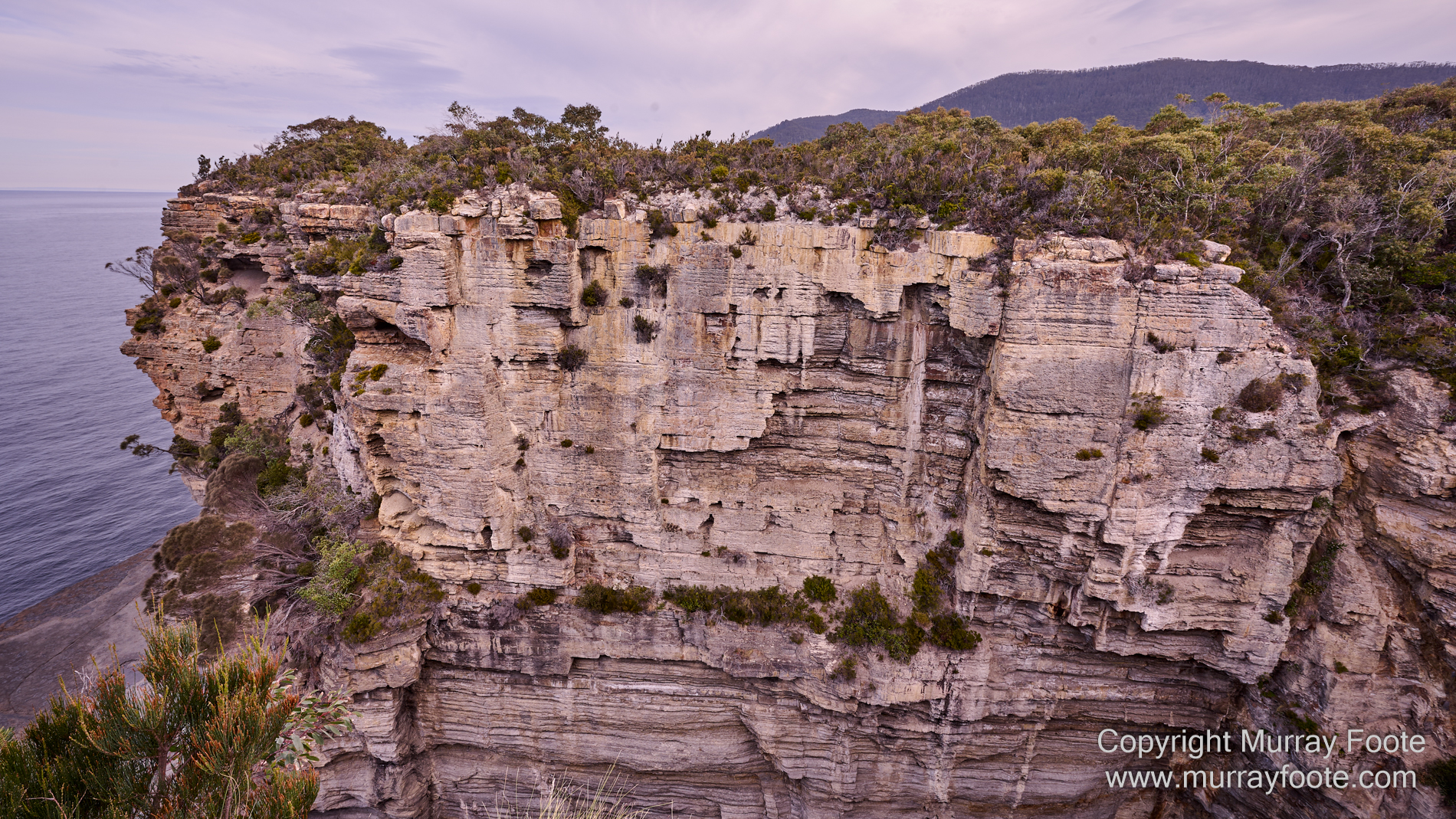
The far side of the cliff at Devil’s Kitchen.
. 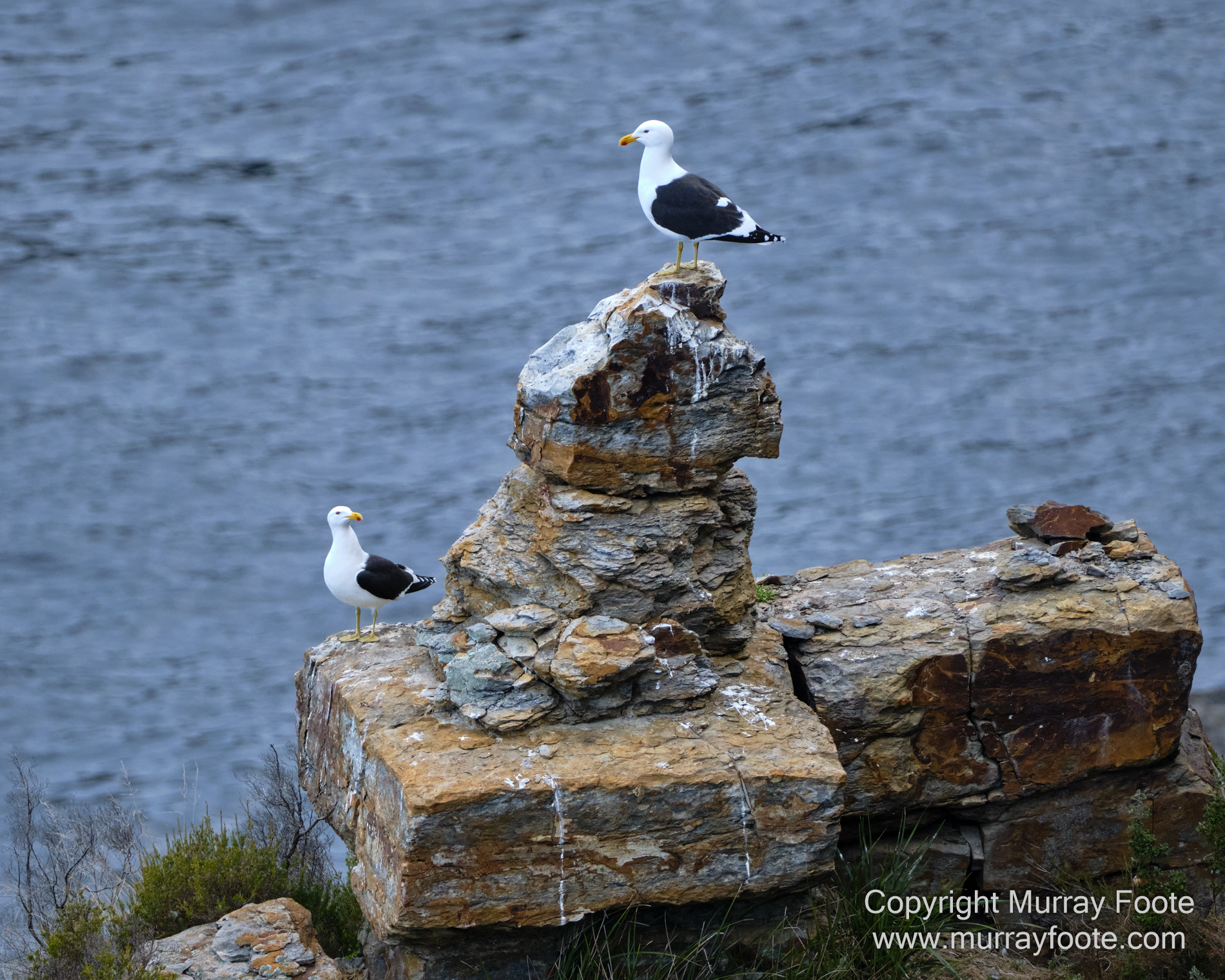
Another couple of kelp gulls near Devil’s Kitchen.
. 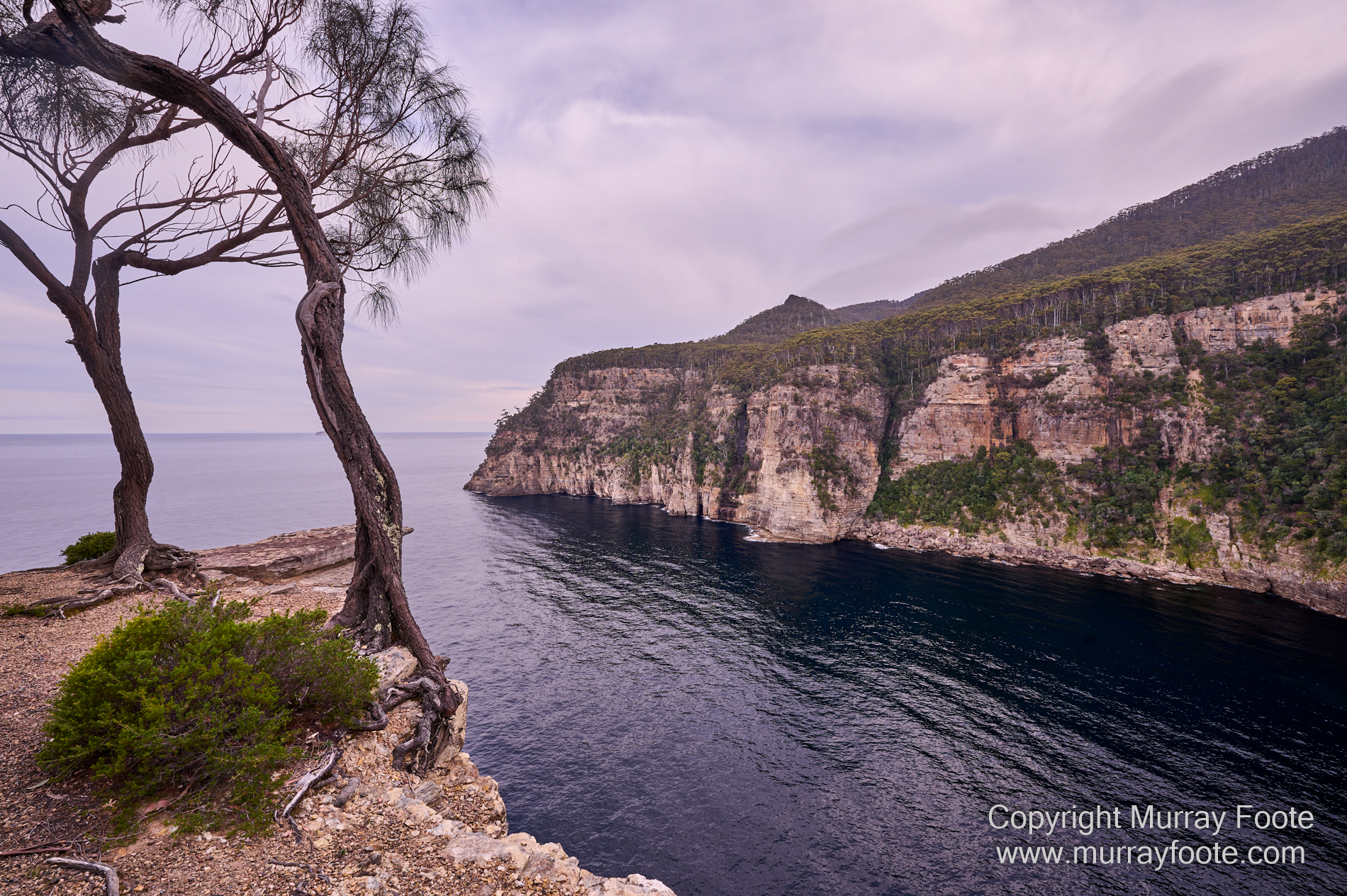
Waterfall Bay lookout (not enough rain for the waterfall, further out to the right).
. 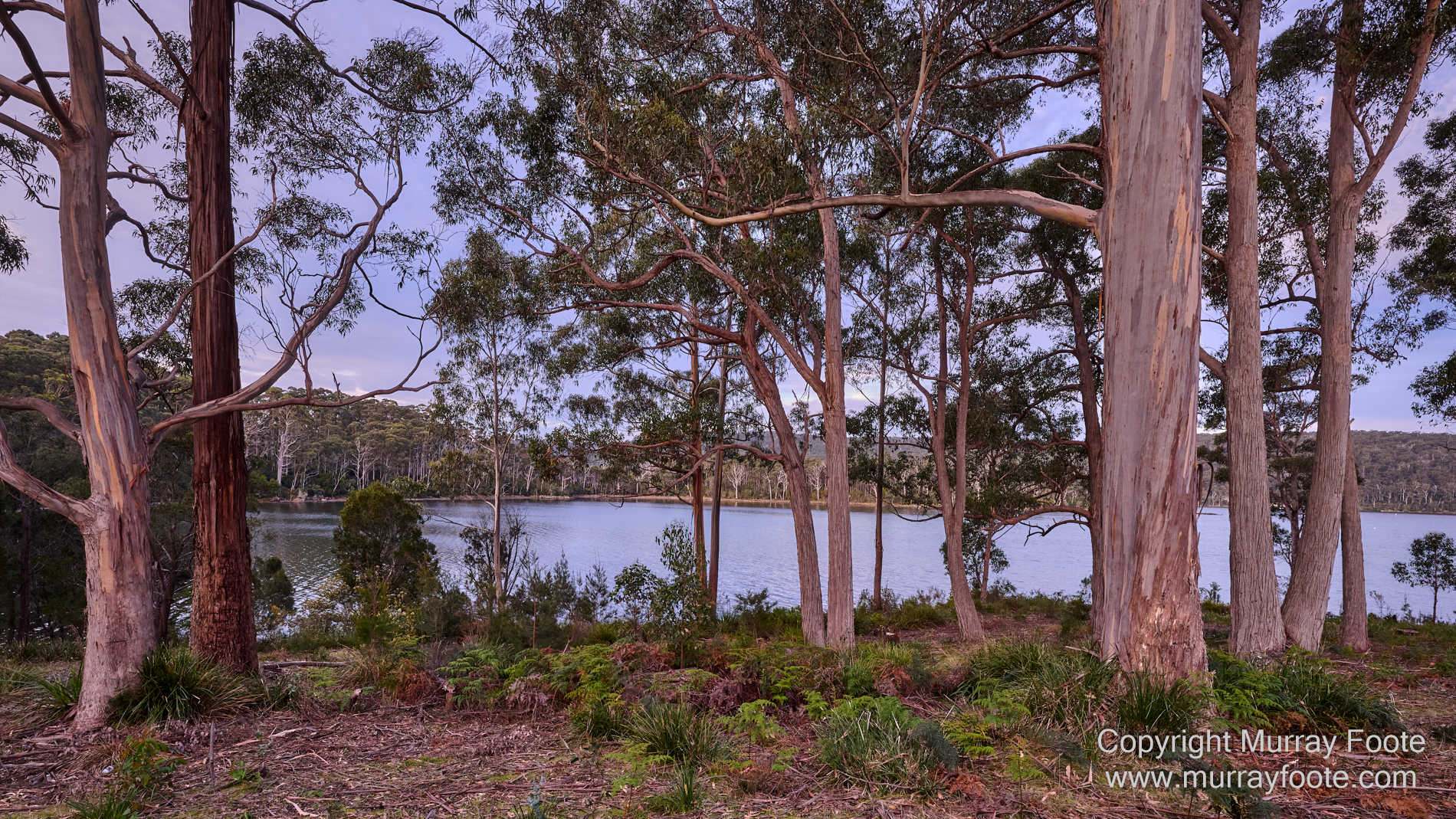
I went outside to take it, but this is the view from our room at the Fox and Hounds Hotel in Port Arthur. Somehow reminds me of a John Glover painting from the early nineteenth century. Just add a few indigenous people.
.
(Note Usually I have borders around the images but I export them from Lightroom and the latest version of Lightroom no longer supports the third party utility I use.)
 Murray Foote
Pingback: Coles Bay to Hobart (IR) – Murray Foote
Pingback: Tasmania Itinerary 2023 | Murray Foote
Pingback: Coles Bay to Hobart Monochromes | Murray Foote