Dhilba Guuranda–Innes National Park, South Australia, 14 July 2024.
(Recent Posts, Top Posts, Subscribe and Search at bottom of page. Clicking image doubles size. Trip summary and links to posts.)
.
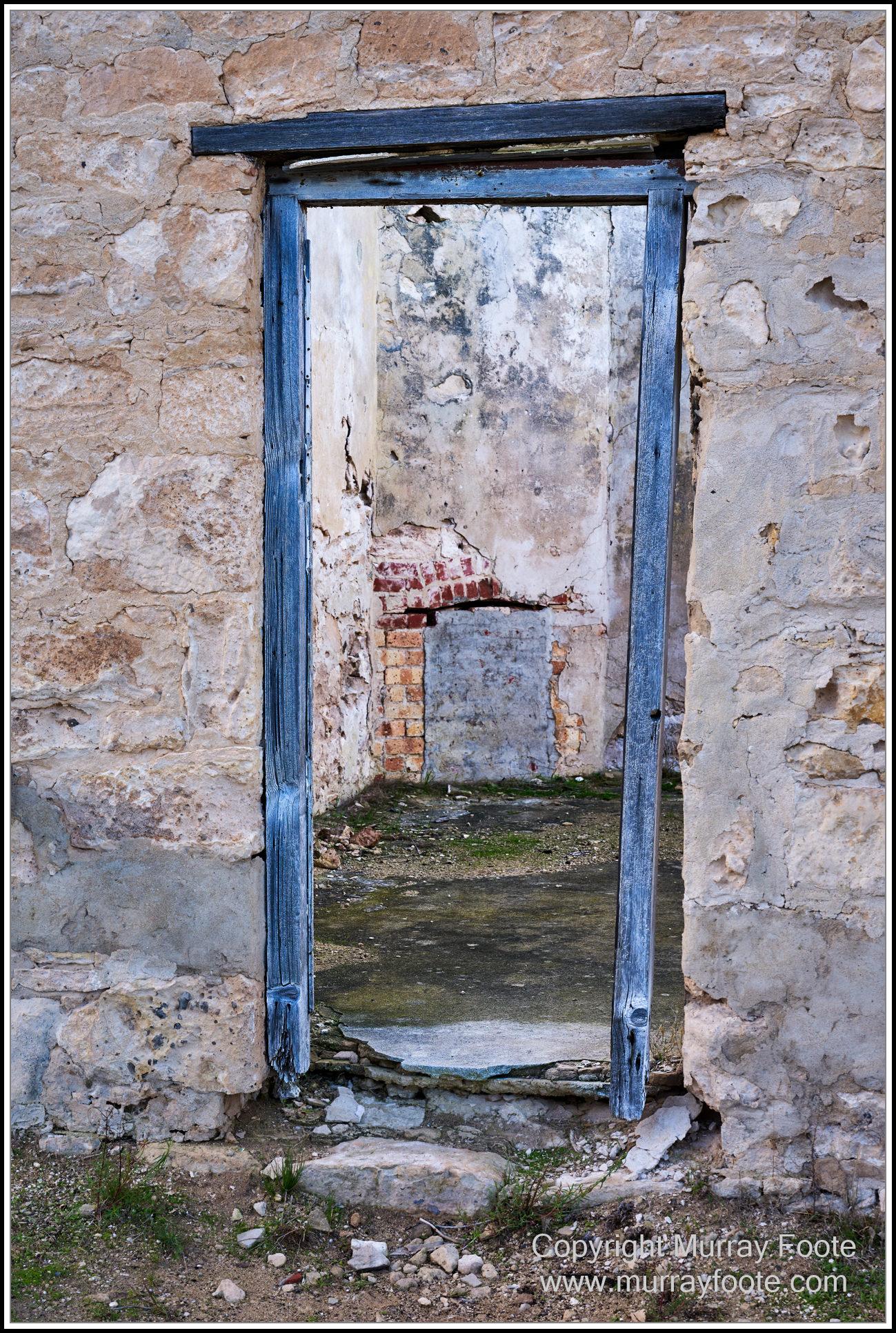
Looking through a door to a bricked-up fireplace in a derelict house.
.
.
.
. 
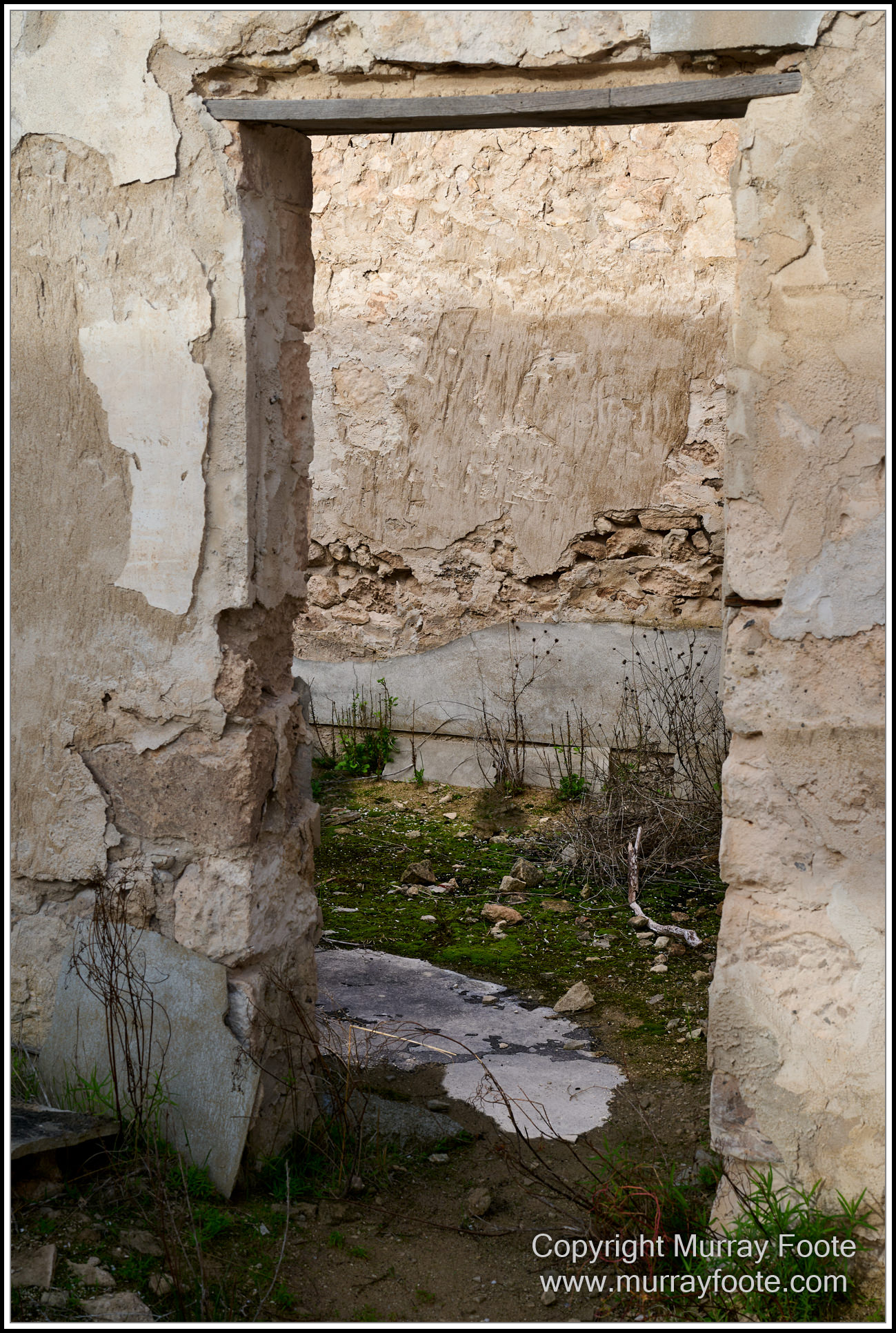
The back yard of the house next door.
We are staying at Inneston, in Dhilba Guuranda–Innes National Park. Many houses are derelict but some have been restored and are available to rent.
.
.
.
.  .
.
.
.
.
.  .
.
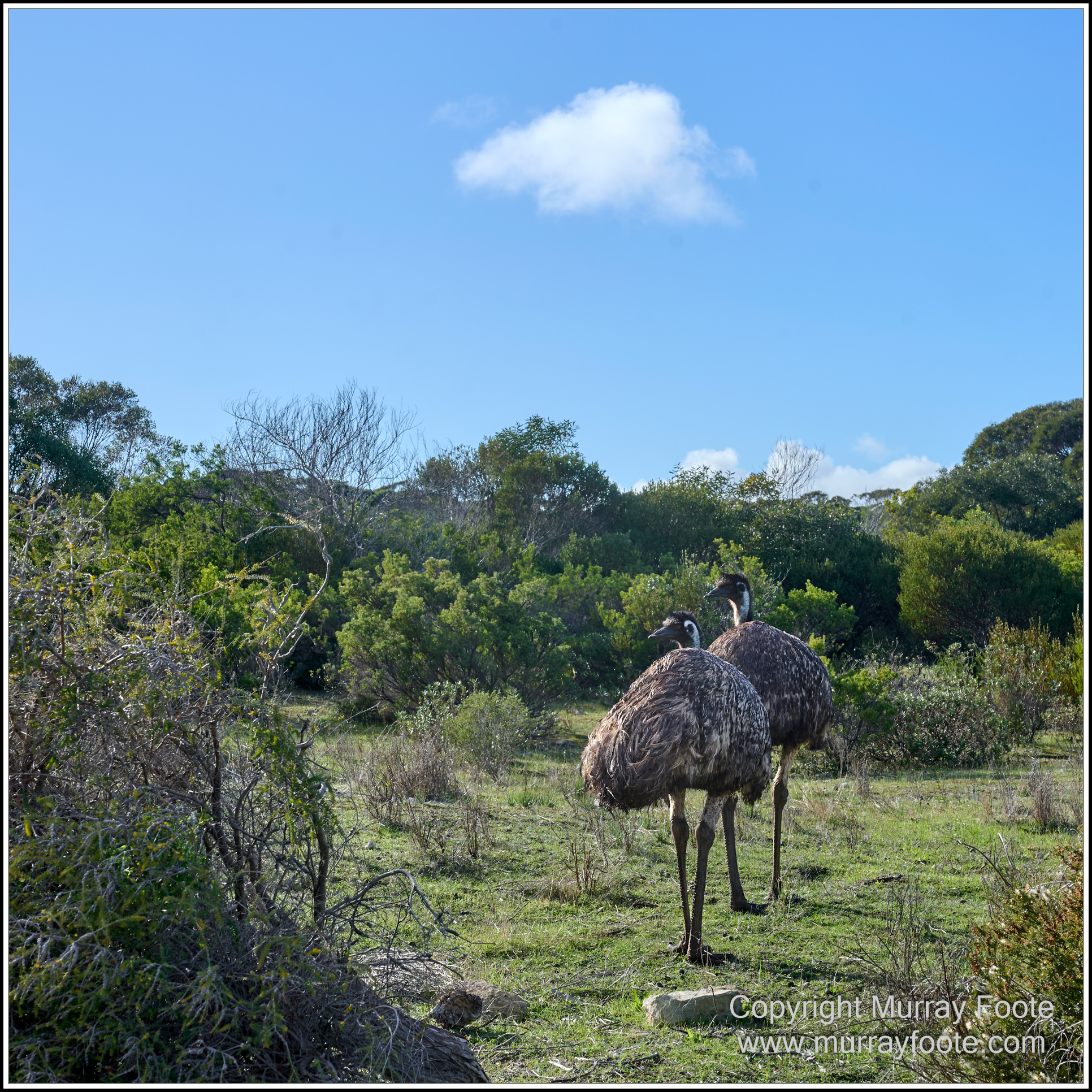
A couple of emus wandered by.
.
.
.
. 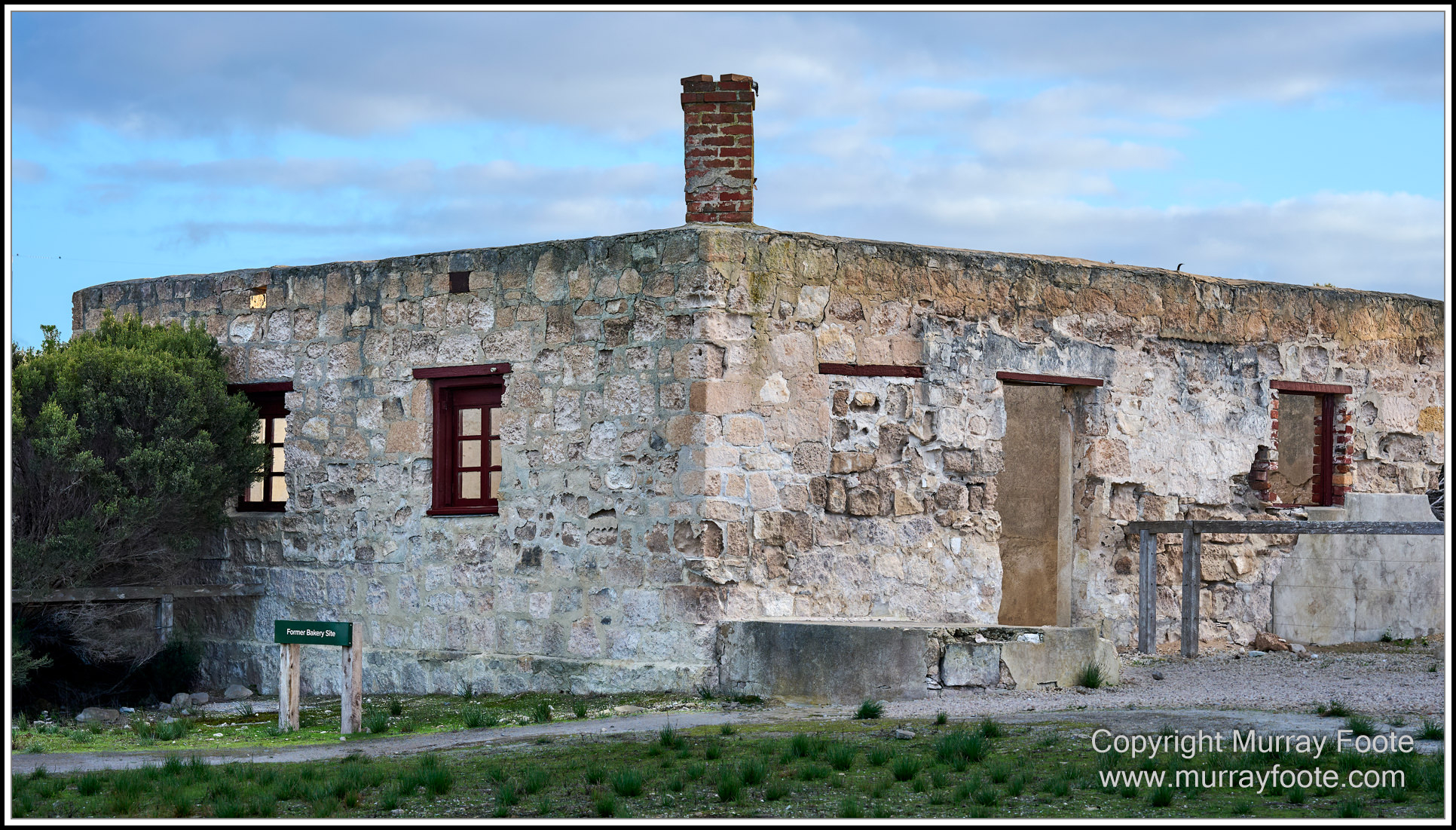
The Bakery.
.
.
.
. 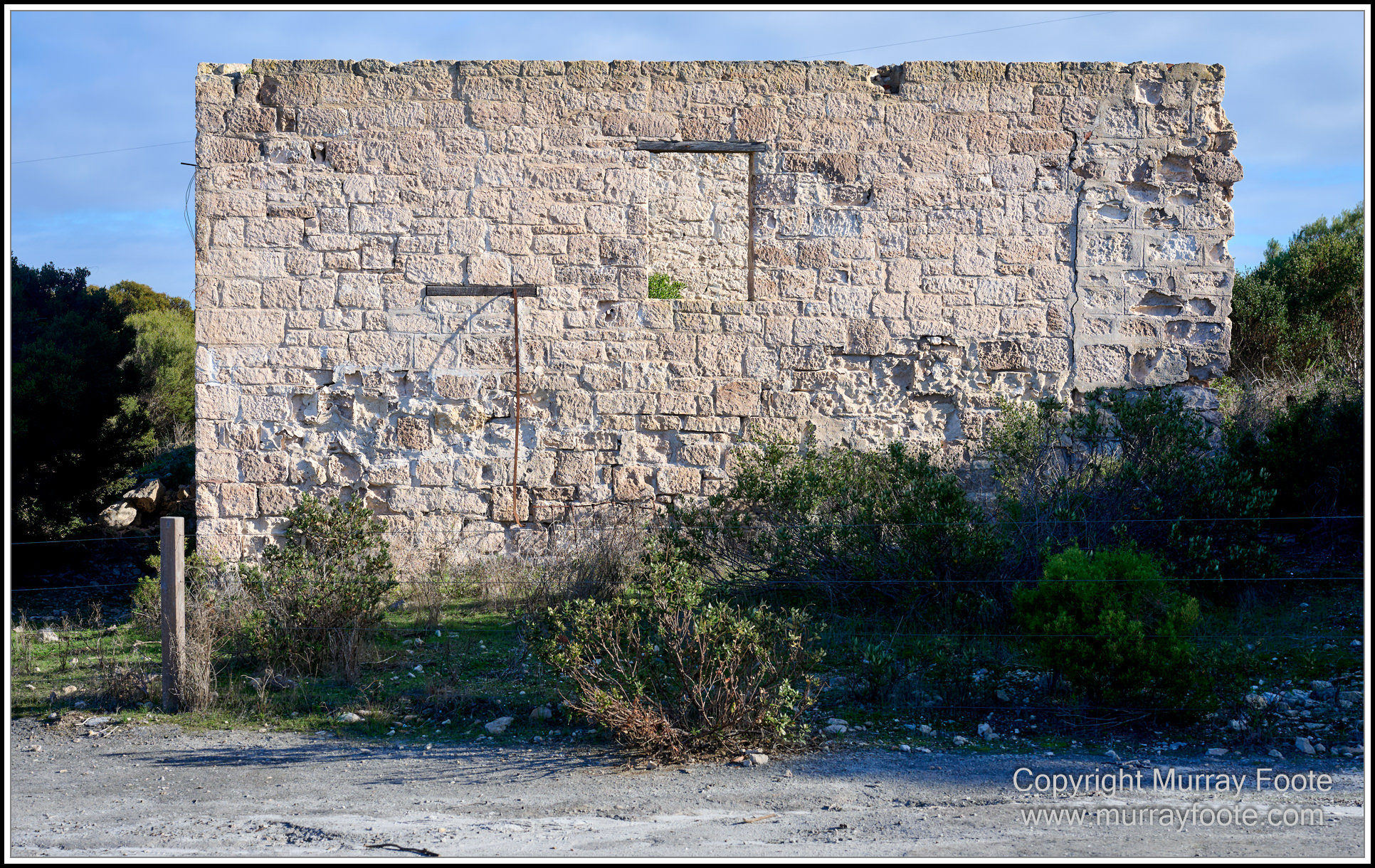
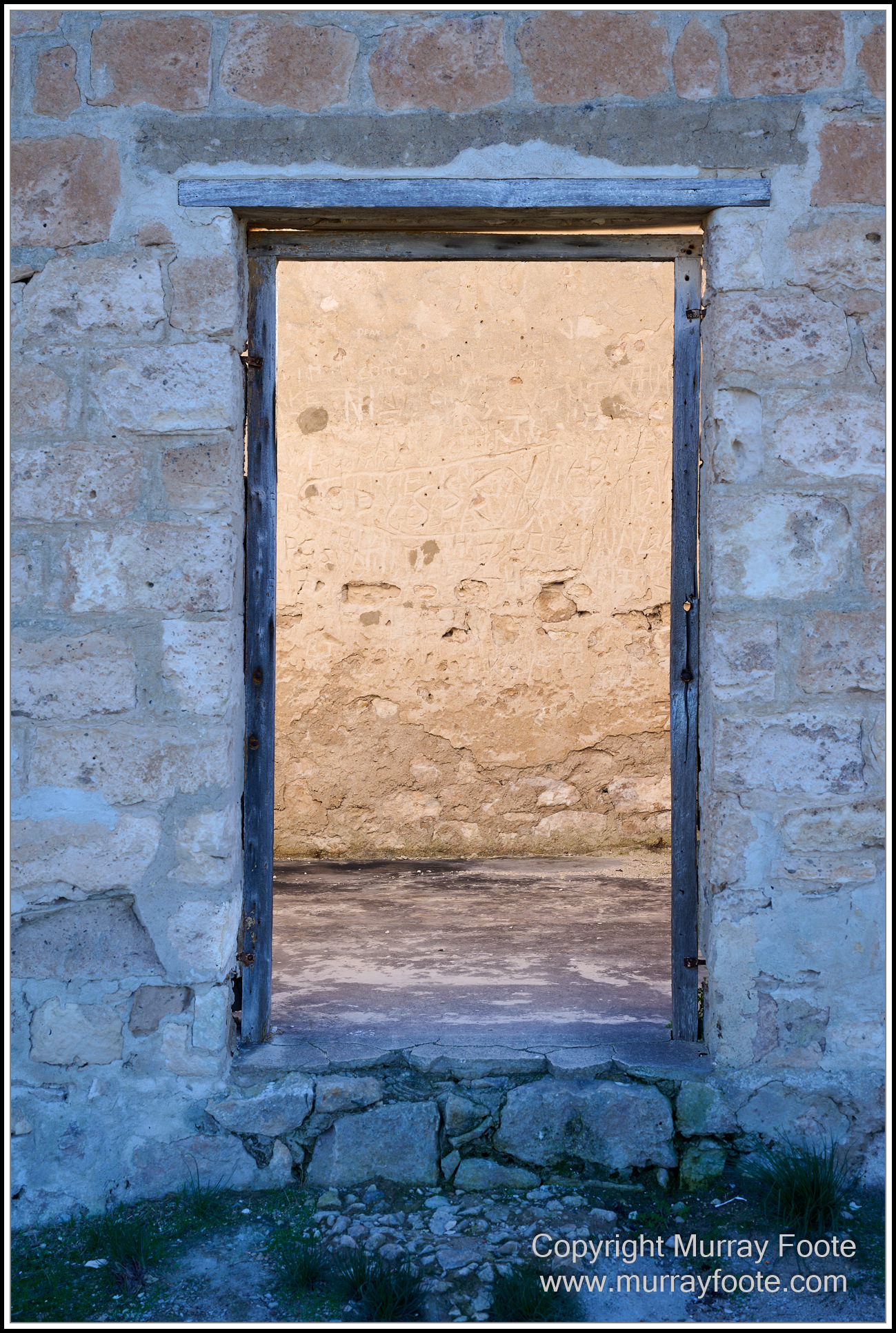
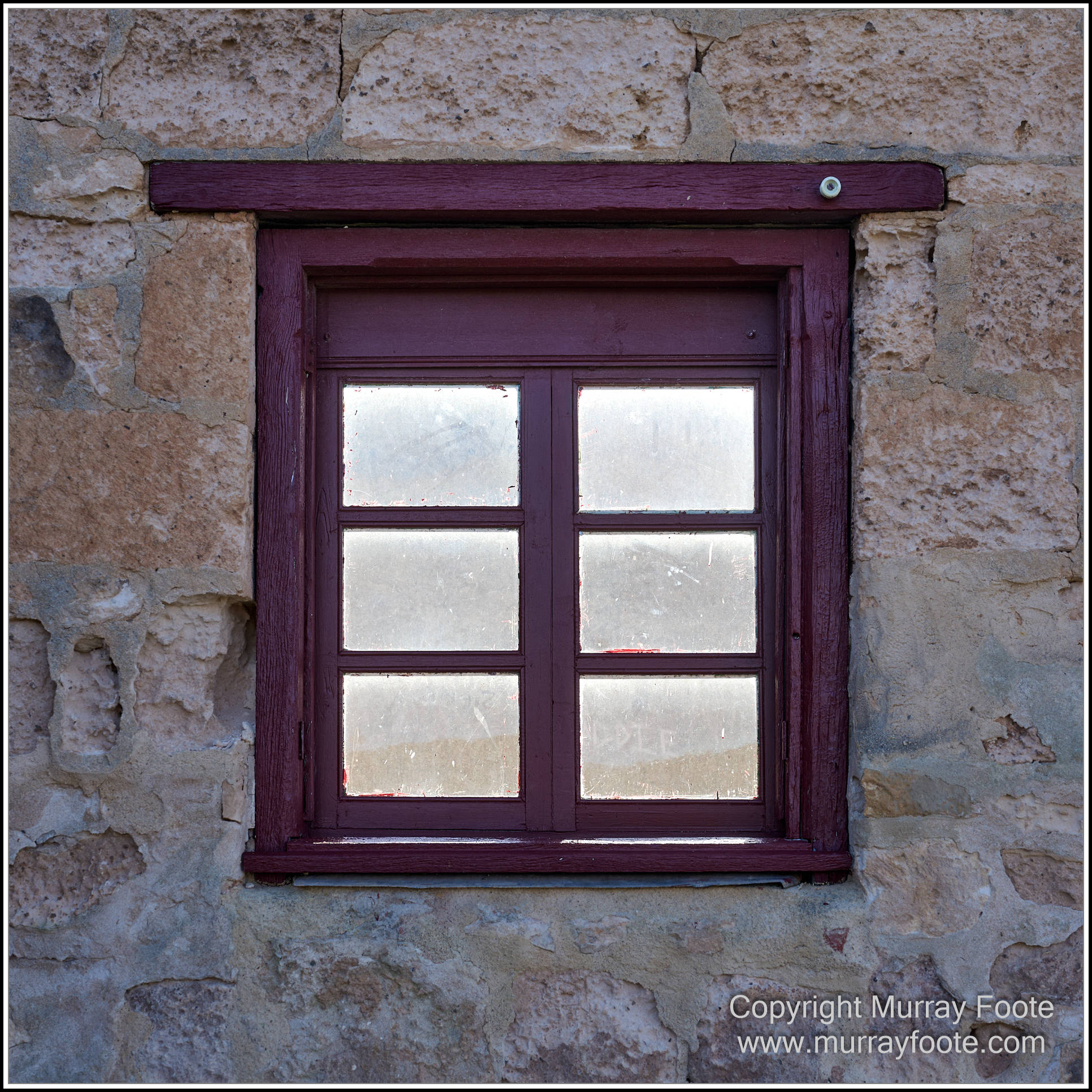
This and the next four images are at or from the Bakery.
.
.
.
. 
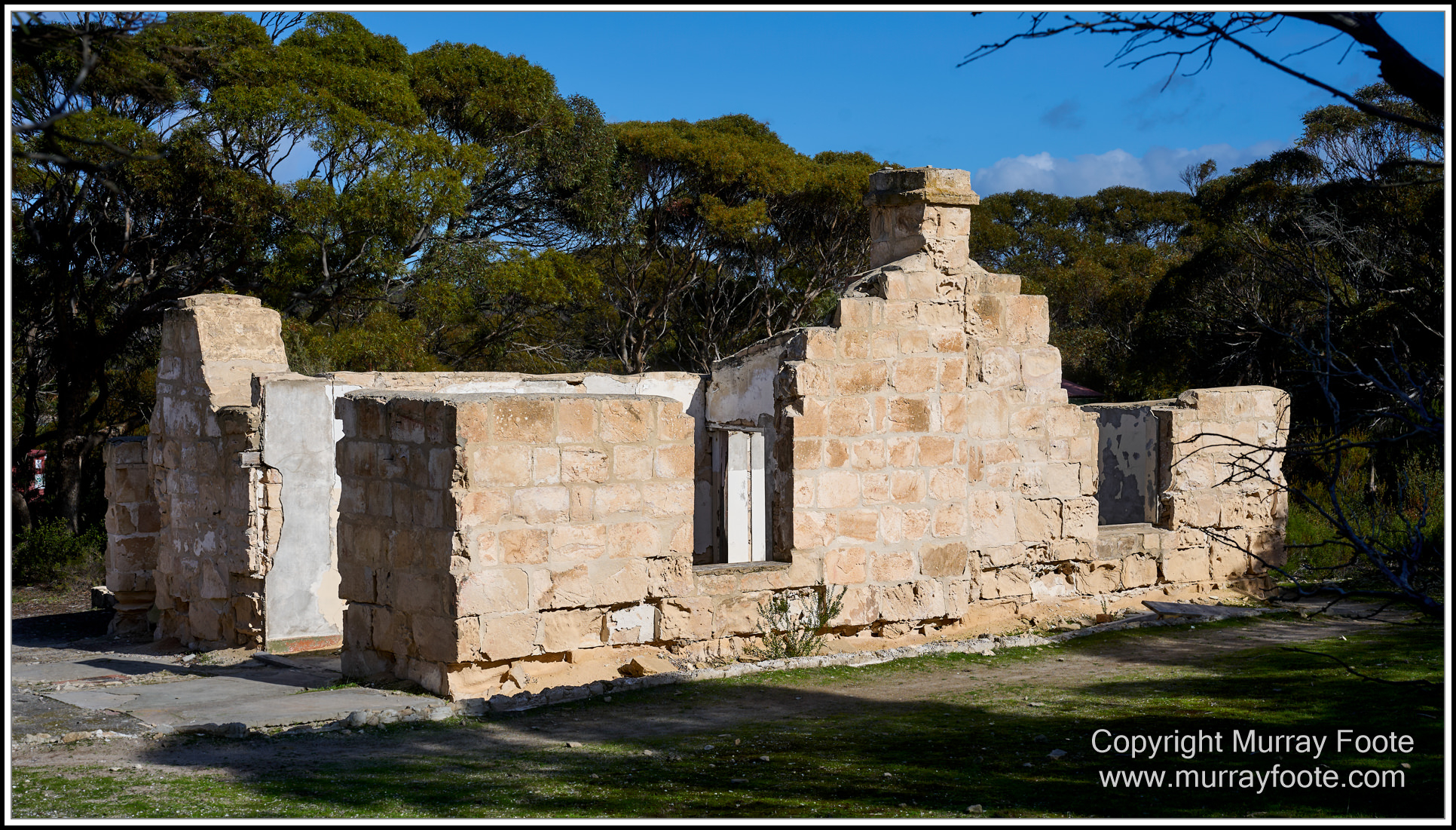
Inneston flourished from 1913 to 1930, centred on a factory producing plaster for the building industry. the source of the plaster was gypsum, from draining and mining a local lake. From 1922 there was also a production of chalk for schools..
.
.
.
. 
The population was 100 men and 30 women in 36 dwellings. The buildings used local materials. the walls were of locally quarried limestone, interior dividing walls used gypsum blocks and plaster on the walls was made at the factory. Only roofing iron and timber needed to be shipped in from Adelaide.
.
.
.
. 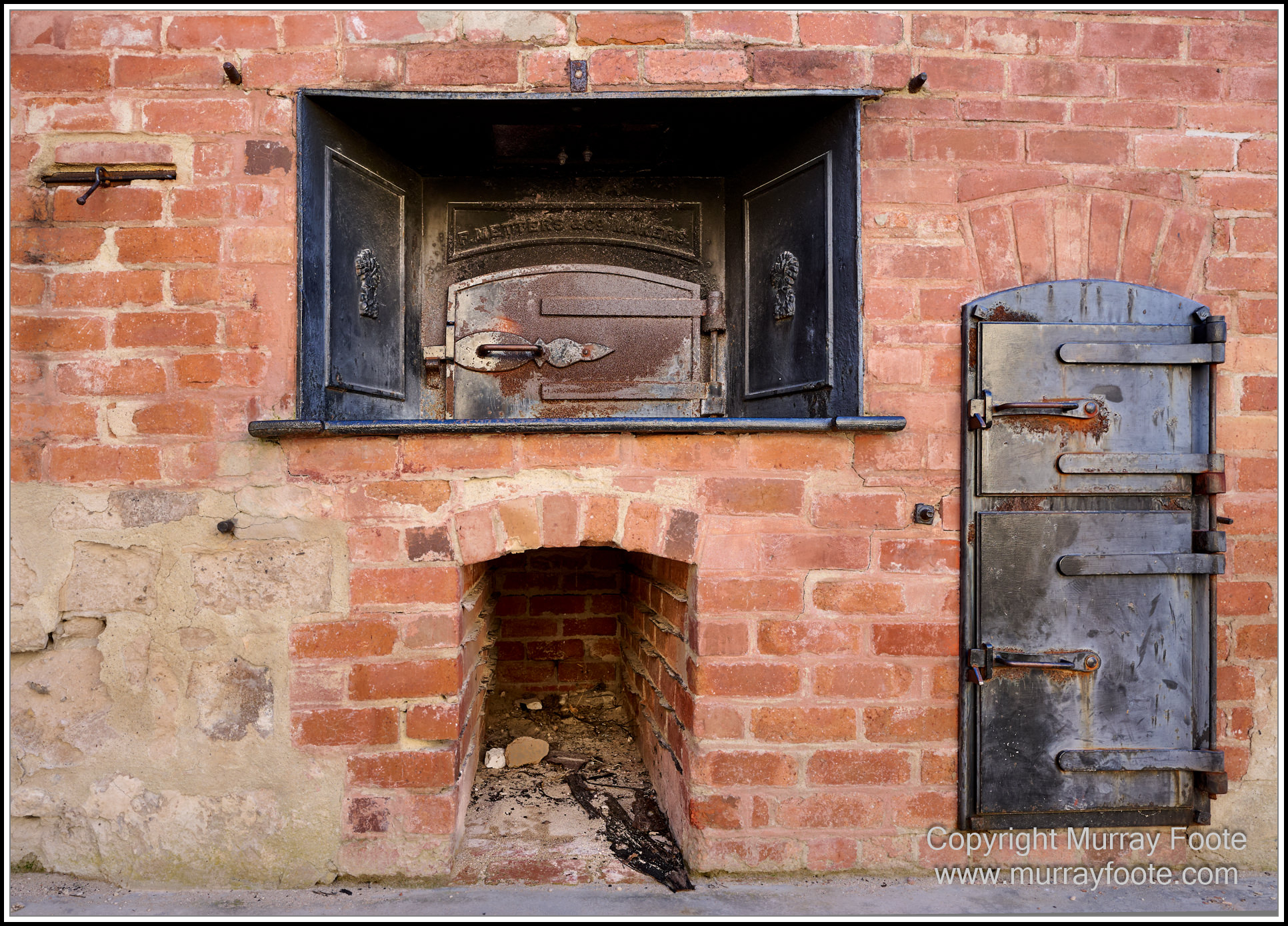
Ovens in the Bakery.
.
.
.
. 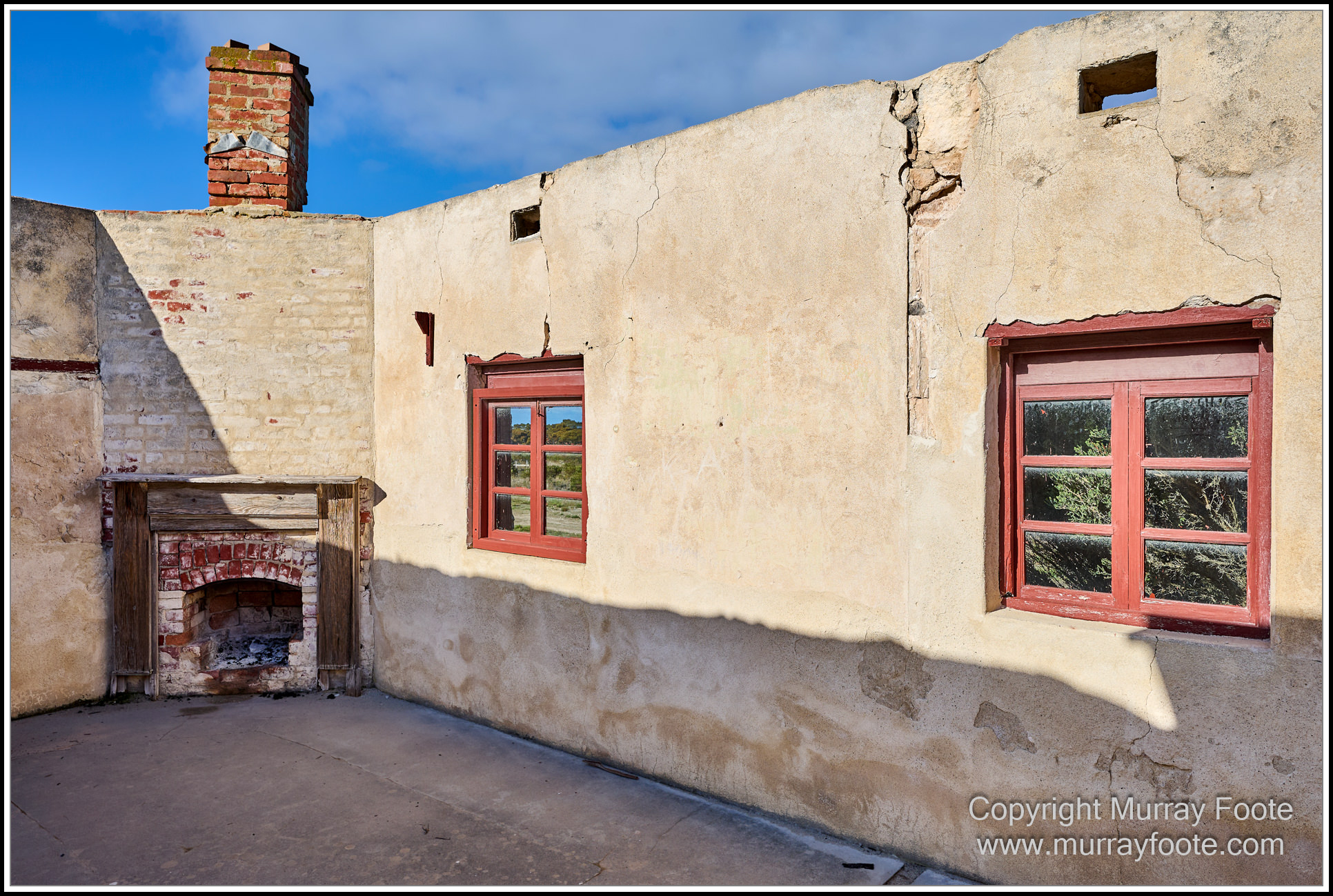
The interior of the Bakery. There was also a Hall and School, which was next door.
.
.
.
. 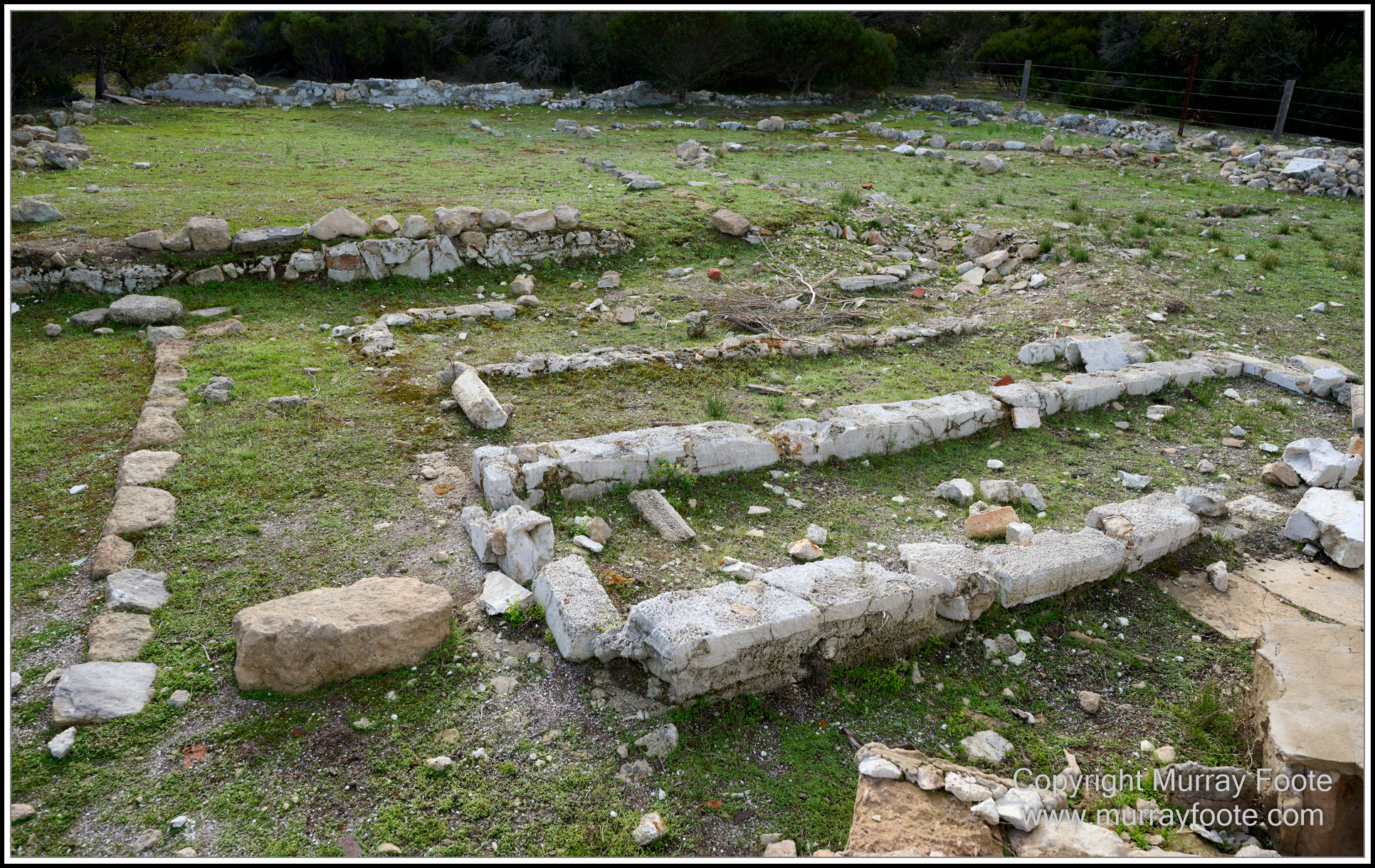
Some buildings have not survived.
.
.
.
. 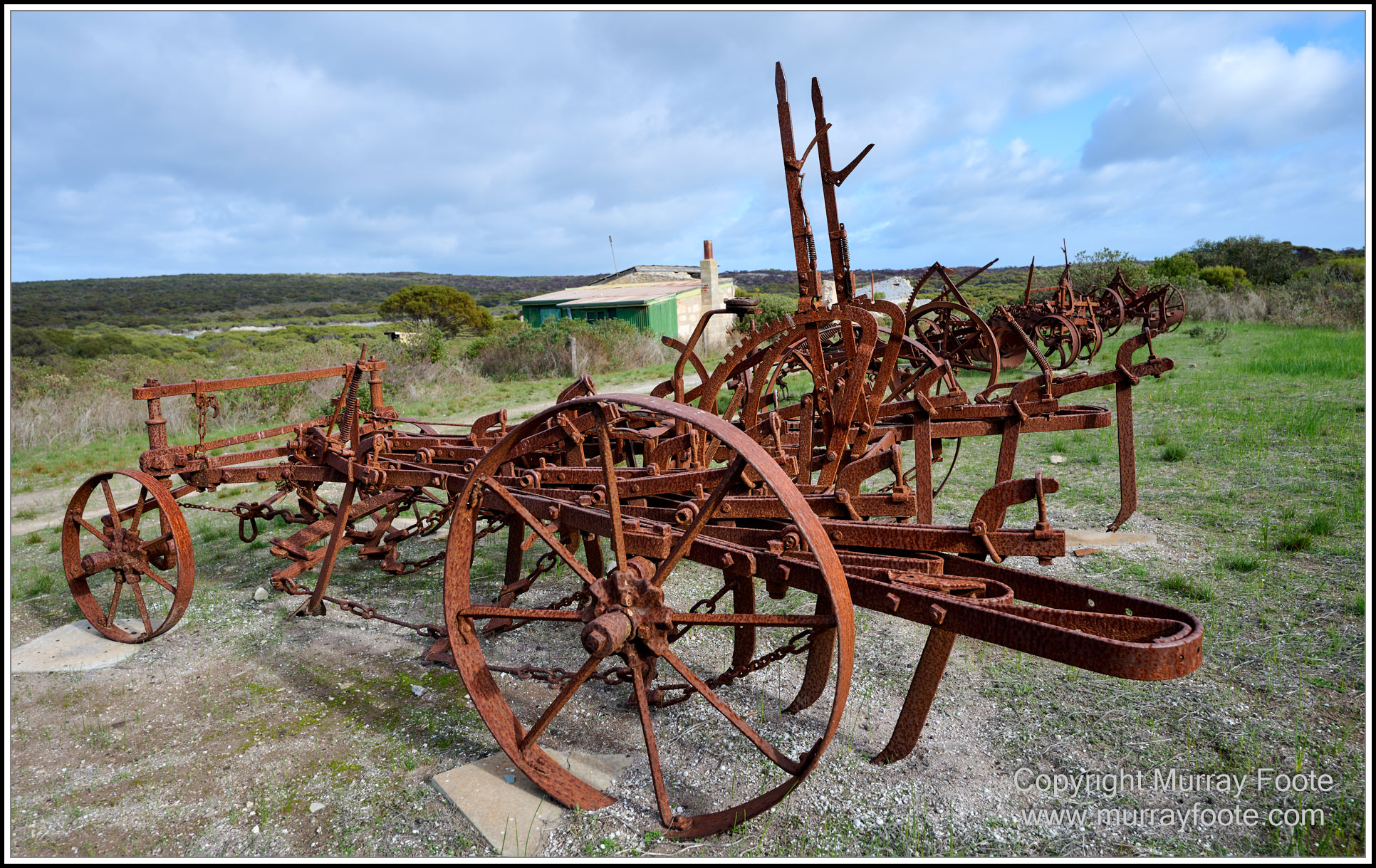
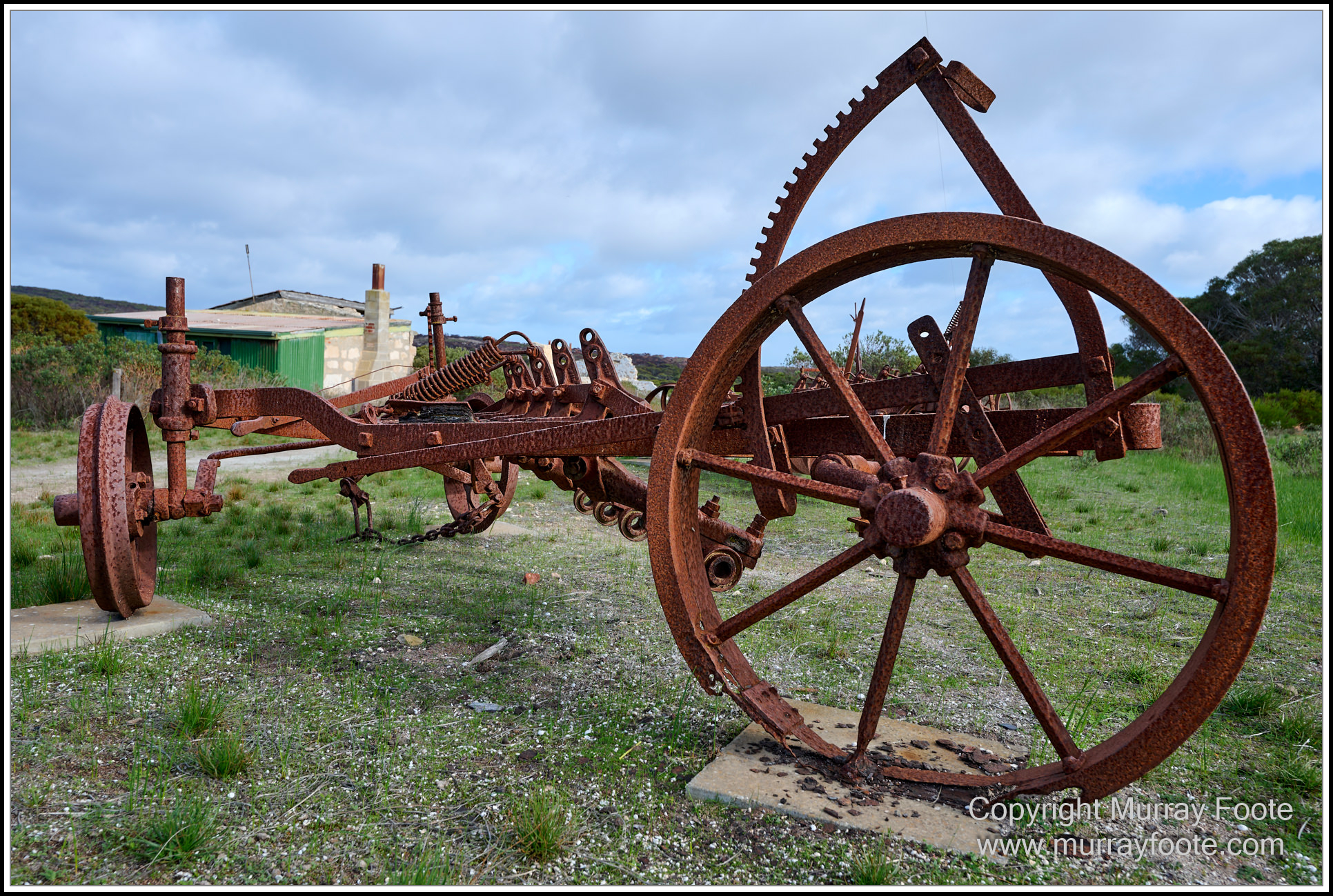
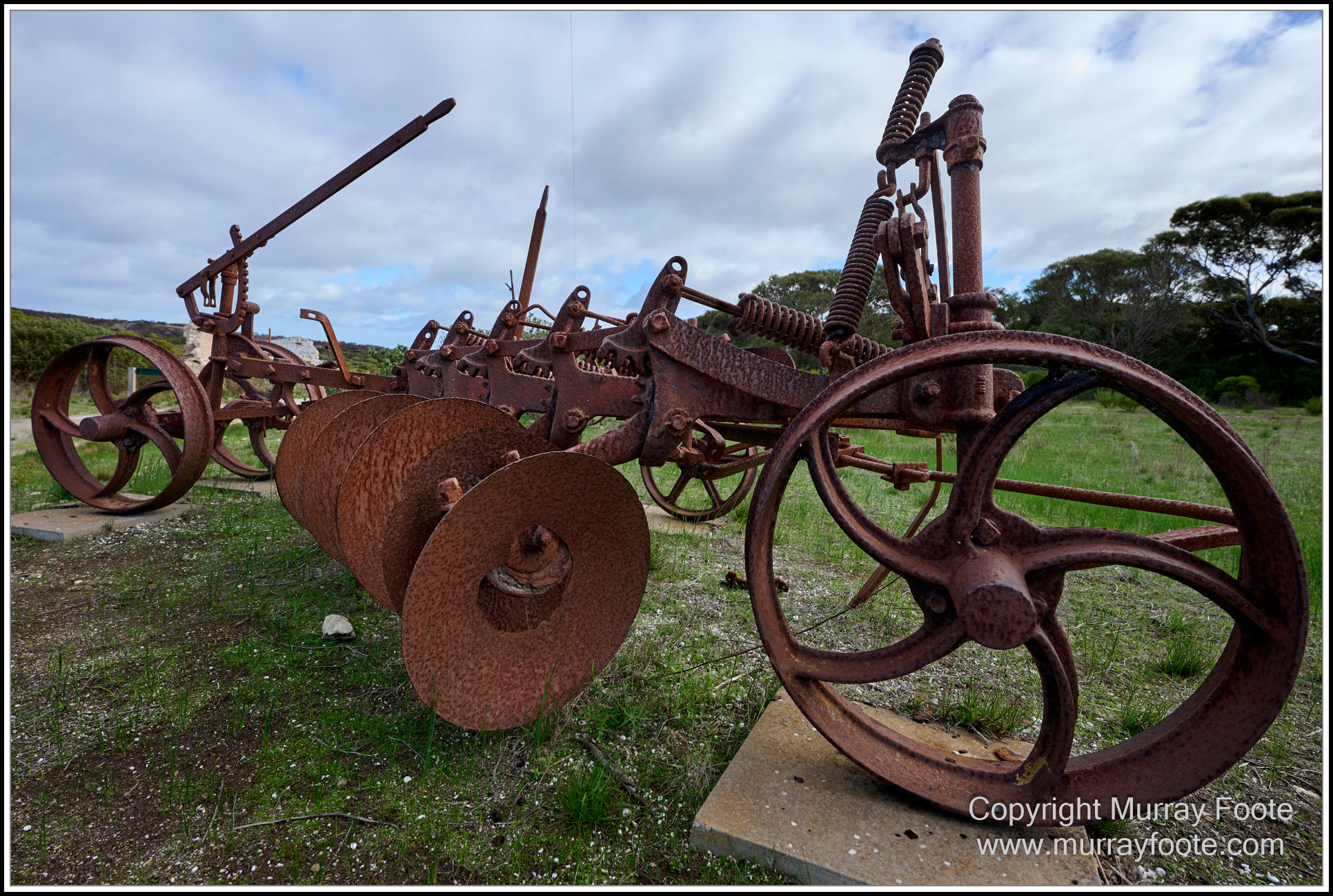
A collection of old agricultural machinery.
The building in the background would be the Stables. Prior to the Model T Ford in the 1920s, the only transport was by horse and cart or by foot.
.
.
.
.  .
.
.
.
.  .
.
.
.
.  .
.
.
.
. 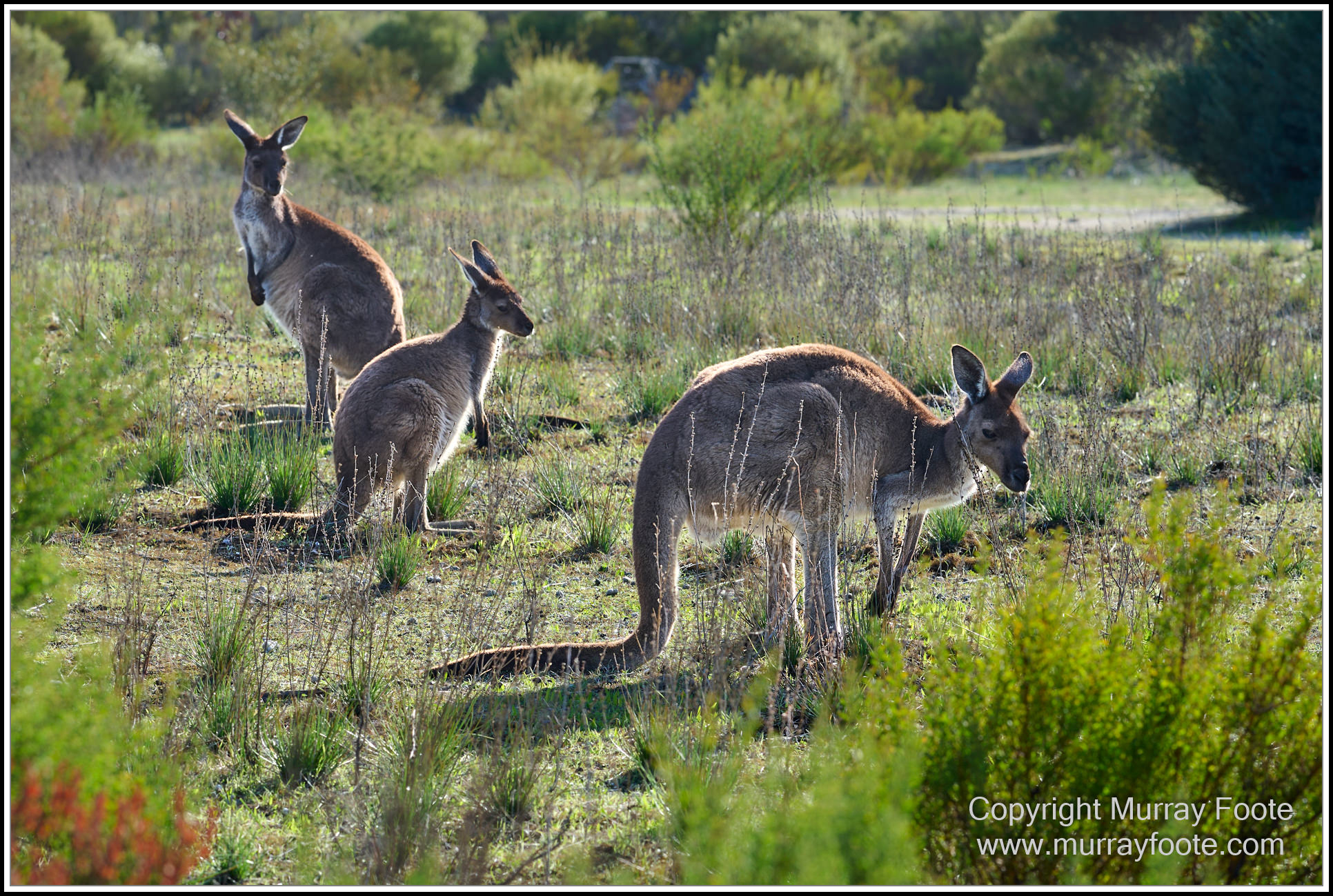
Western Grey Kangaroos (we are in a national park after all).
.
.
.
. 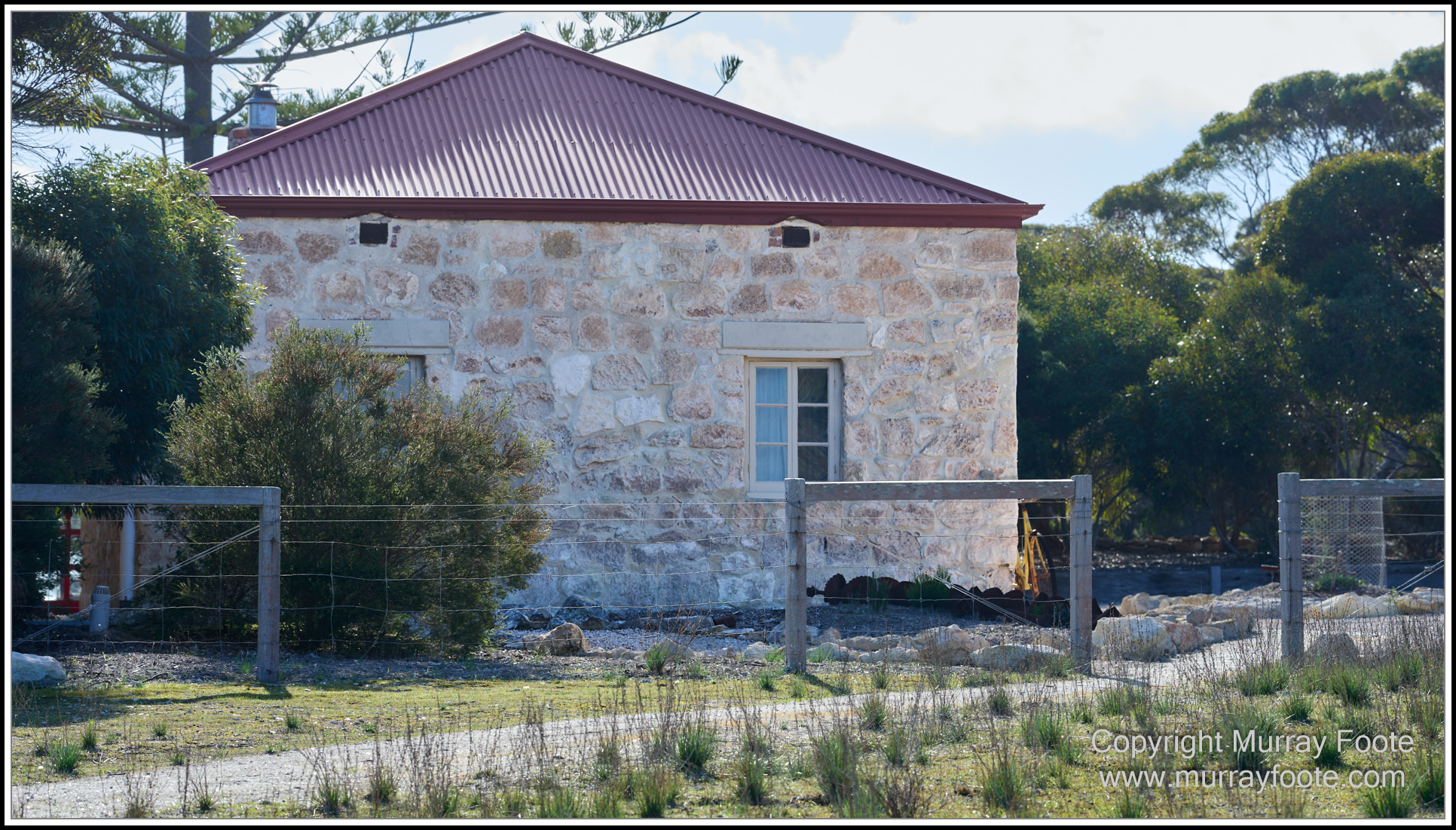
Probably the Mallee Lodge, one of the places you can stay in.
.
.
.
. 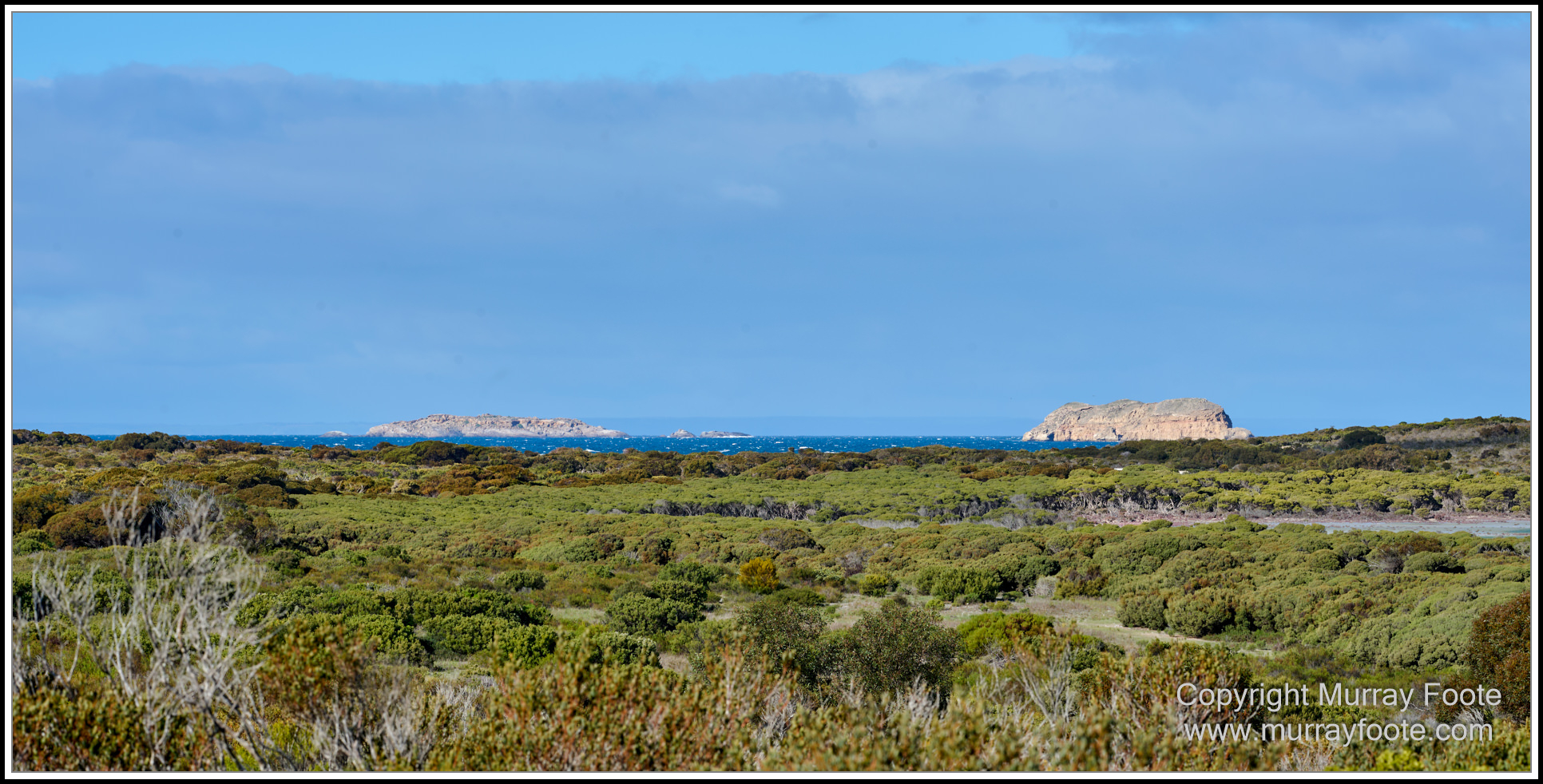
View from the east end of town.
The track you can see may be the old track to Stenhouse Bay. We saw the jetty there in an earlier post. That was the route to export the plaster and the only contact with the outside world.
After 1930 the plaster factory closed down and the town slowly wound down. Local gypsum had become exhausted but there was another supply at Stenhouse Bay and production continued from there until 1939.
.
.
.
. 
One of the locals stayed behind to supervise all goings-on.
.
.
.
. 
He tends to stay quite still and watch intently.
.
.
.
. 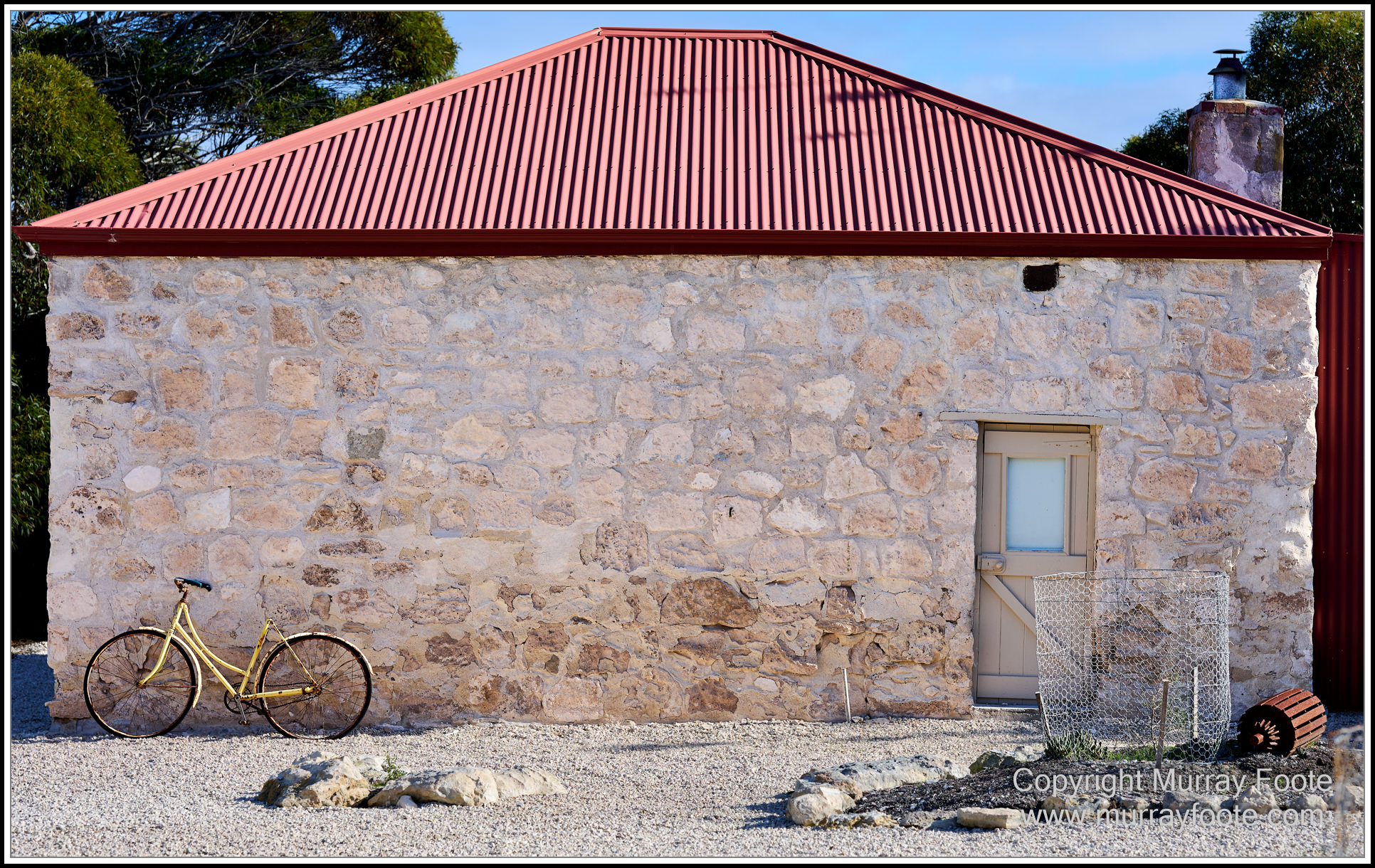
Limestone house and bicycle.
.
.
.
. 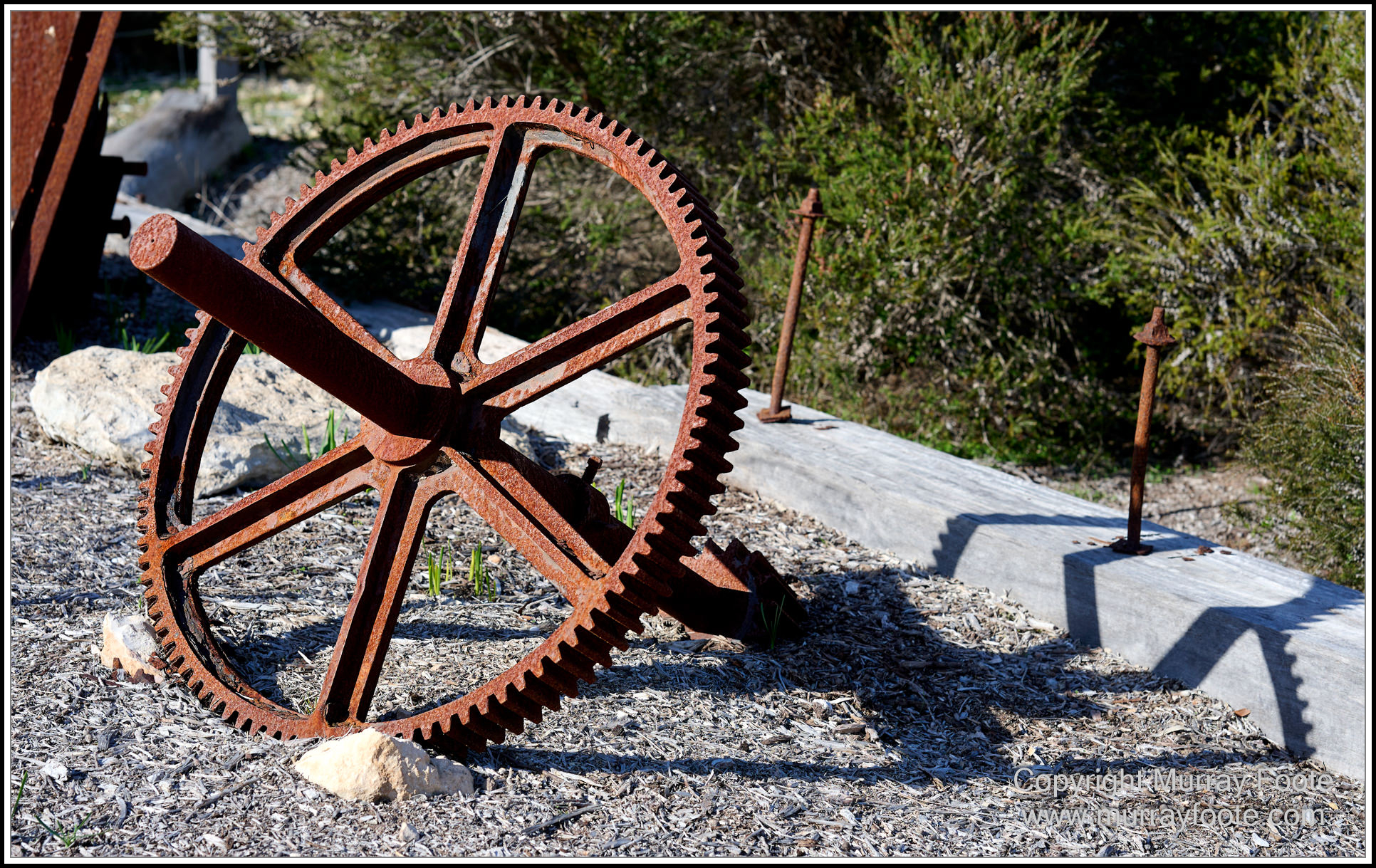
Old gearing wheel.
.
.
.
. 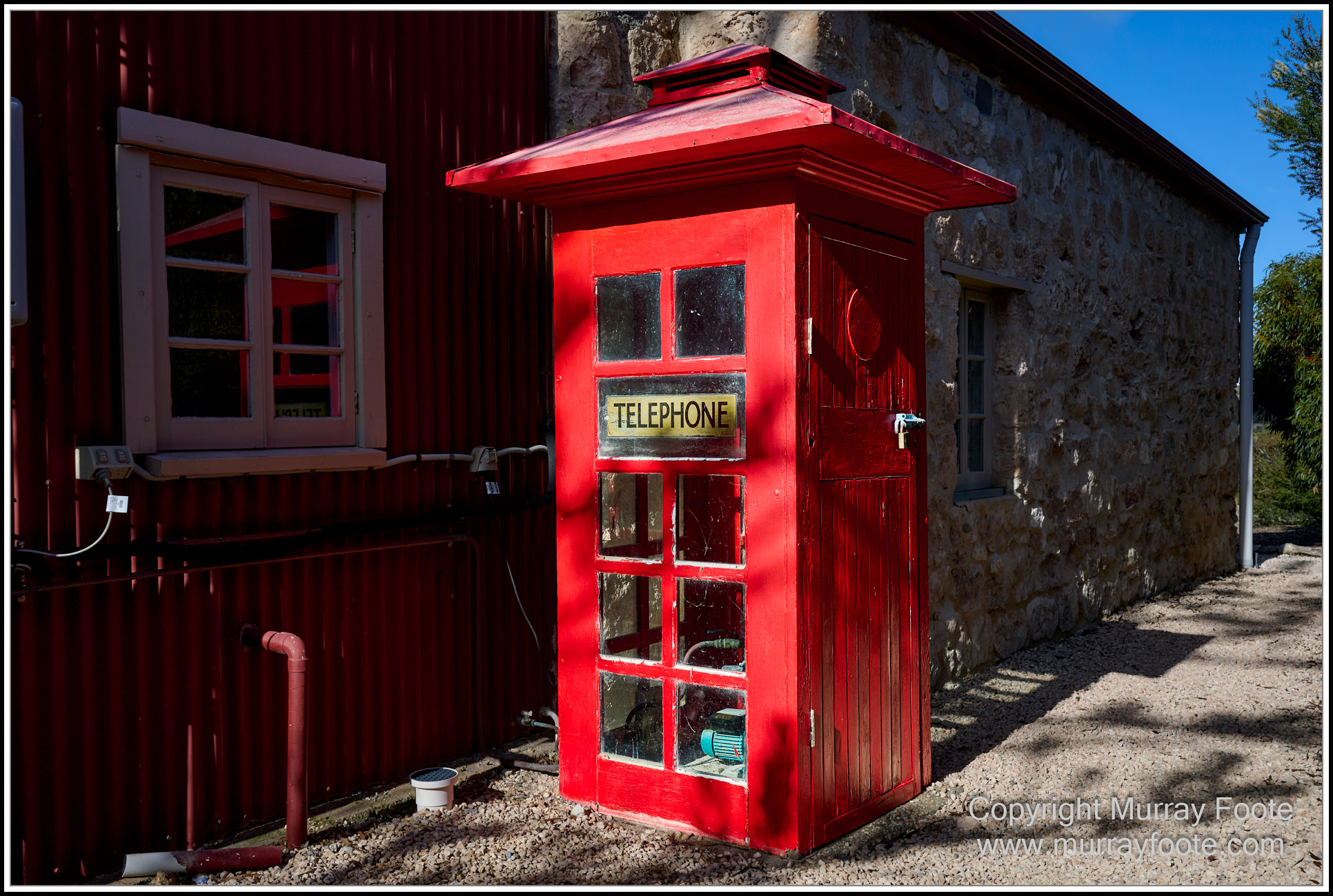
It’s not blue though.
.
.
.
. 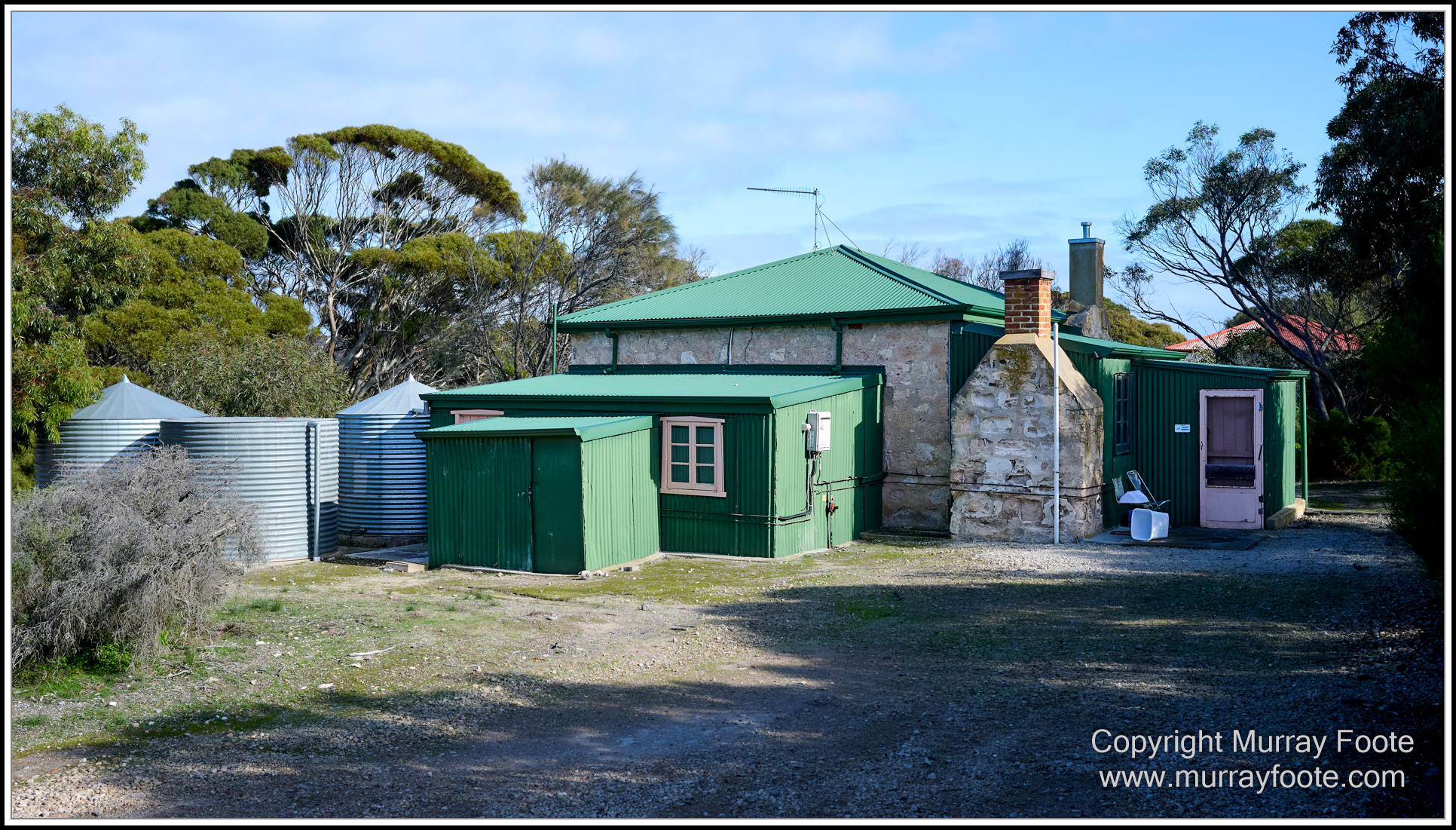
Cottages in good condition are probably available to rent.
.
.
.
.  .
.
.
.
. 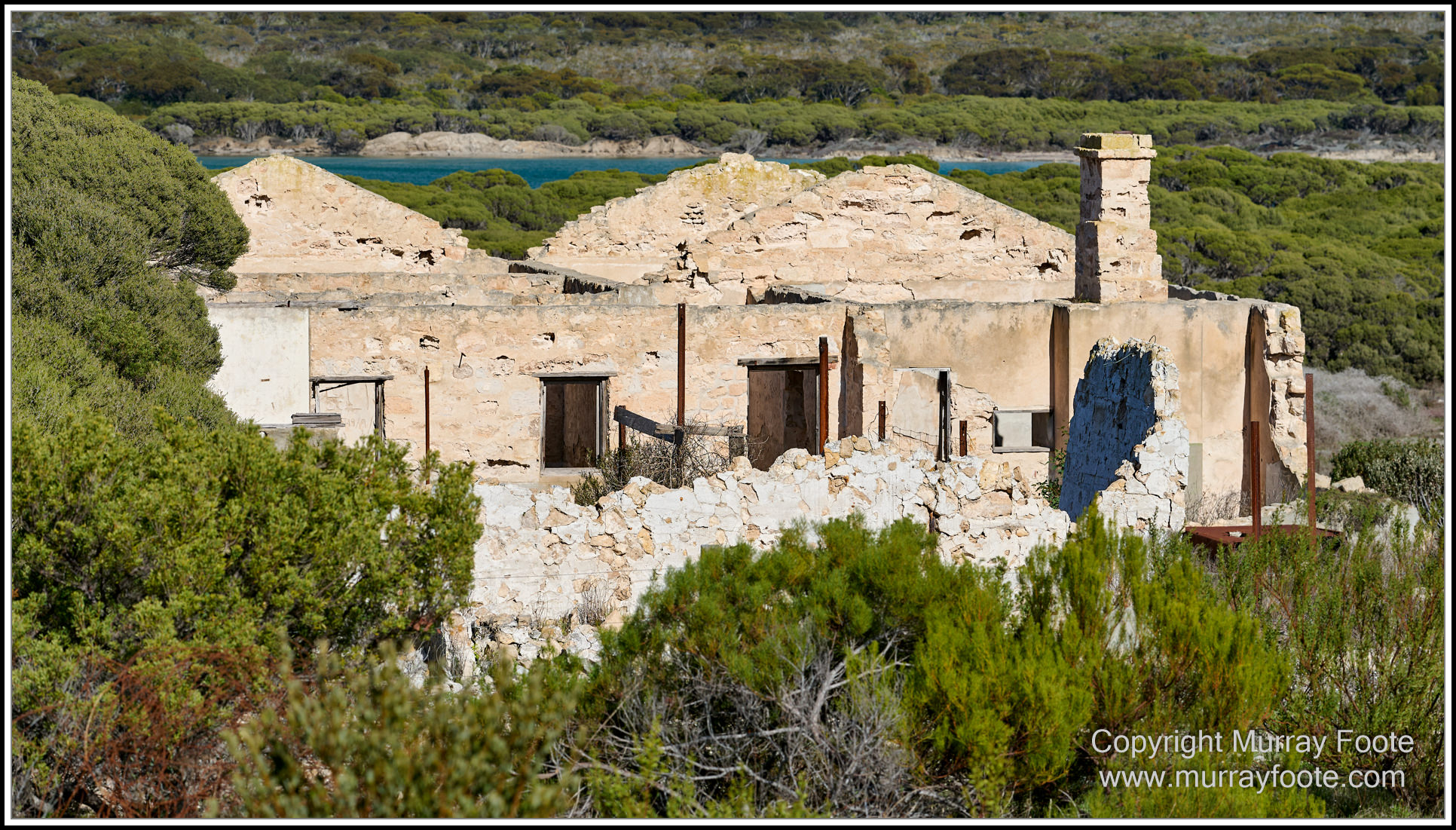
Perhaps not this one though, unless very chesap.
.
.
.
. 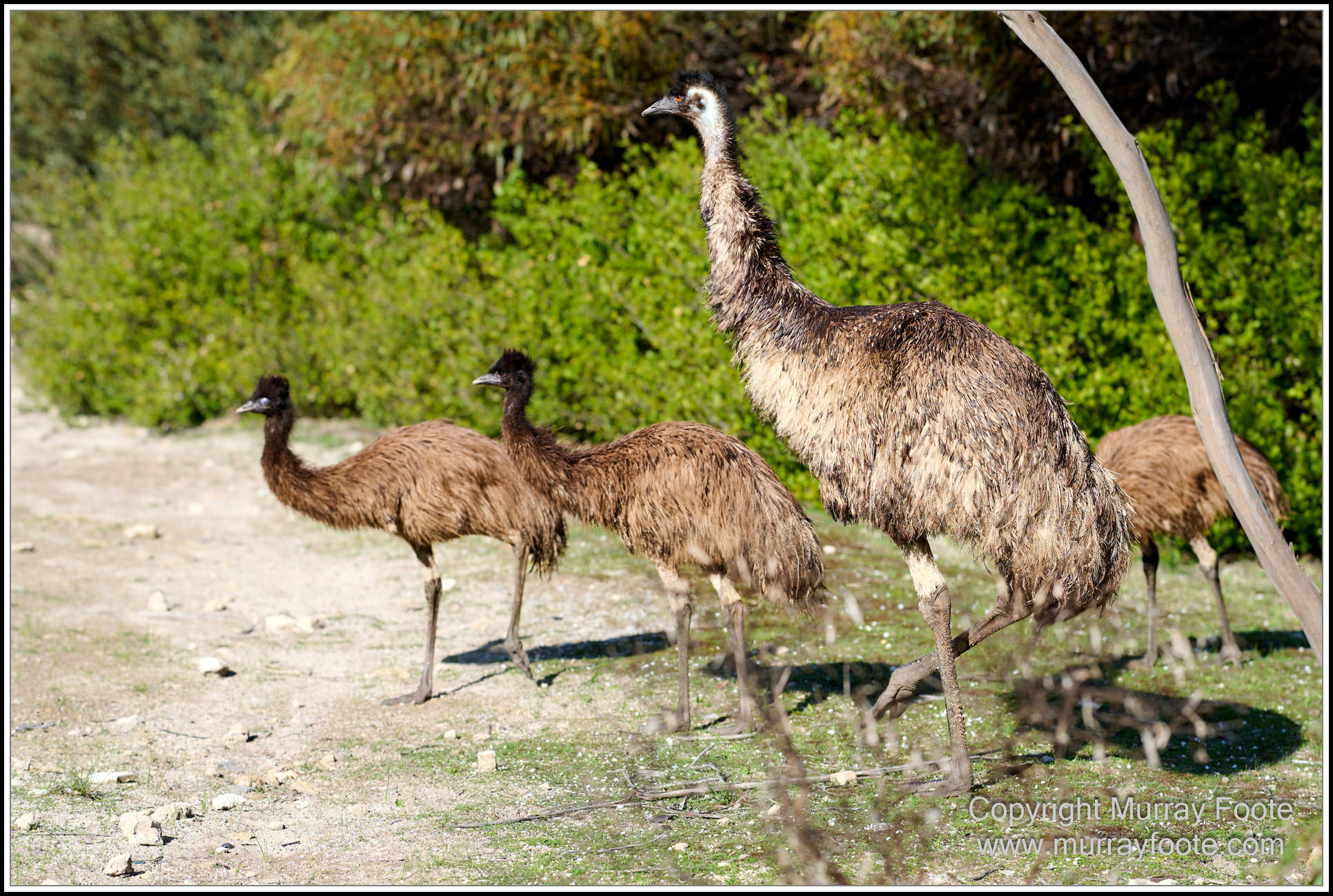
Adult emu and chicks. This will be the father.
.
.
.
. 
The Post Office. This is where we were staying.
.
.
.
.  .
.
.
.
. 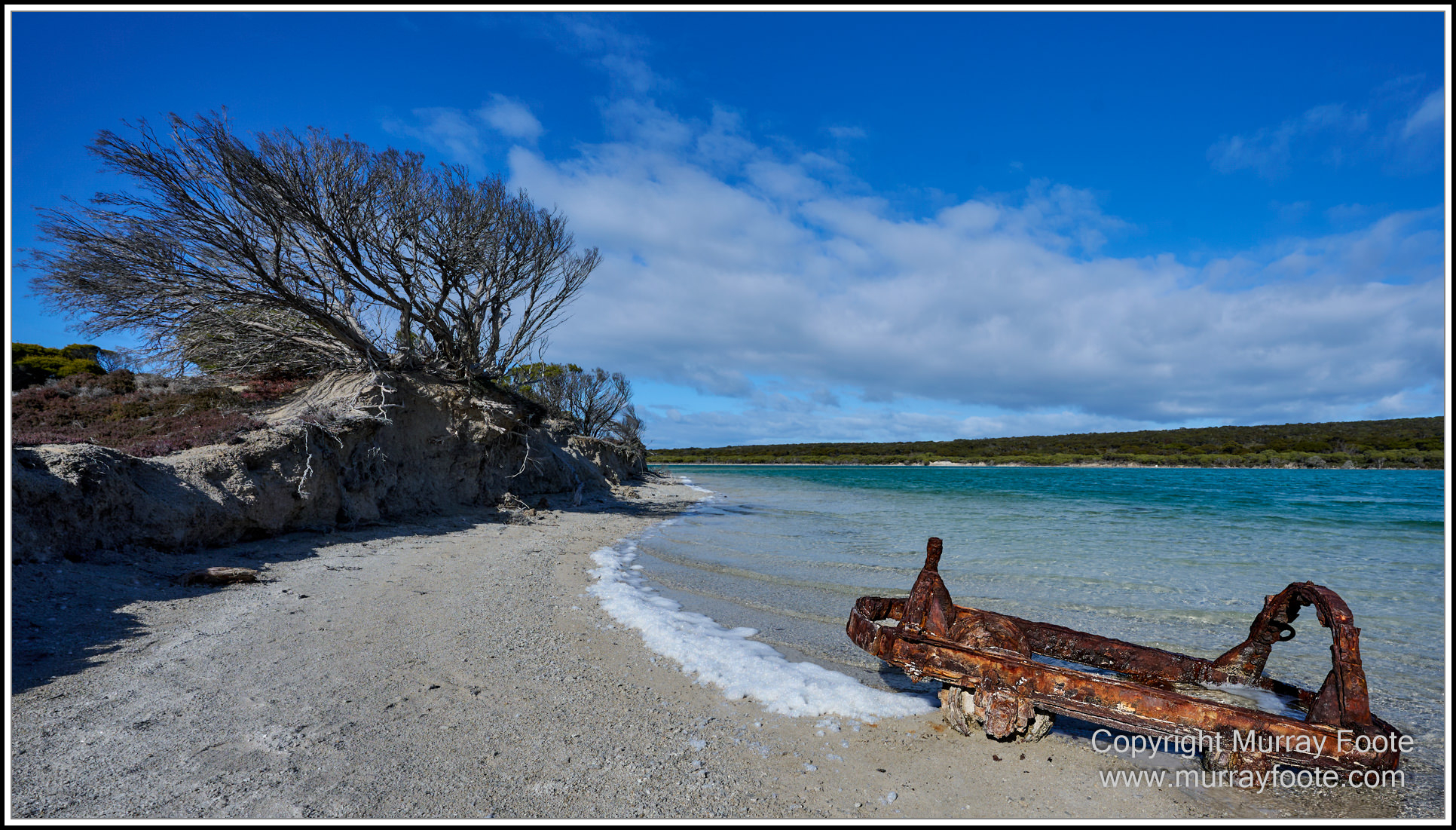
Inneston Lake.
The lake was the source of the gypsum and the Crushing and Washing Plant was near here. The rusted object appears to be a cart left over from the mining and crushing.
.
.
.
.  .
.
.
.
.  .
.
.
.
. 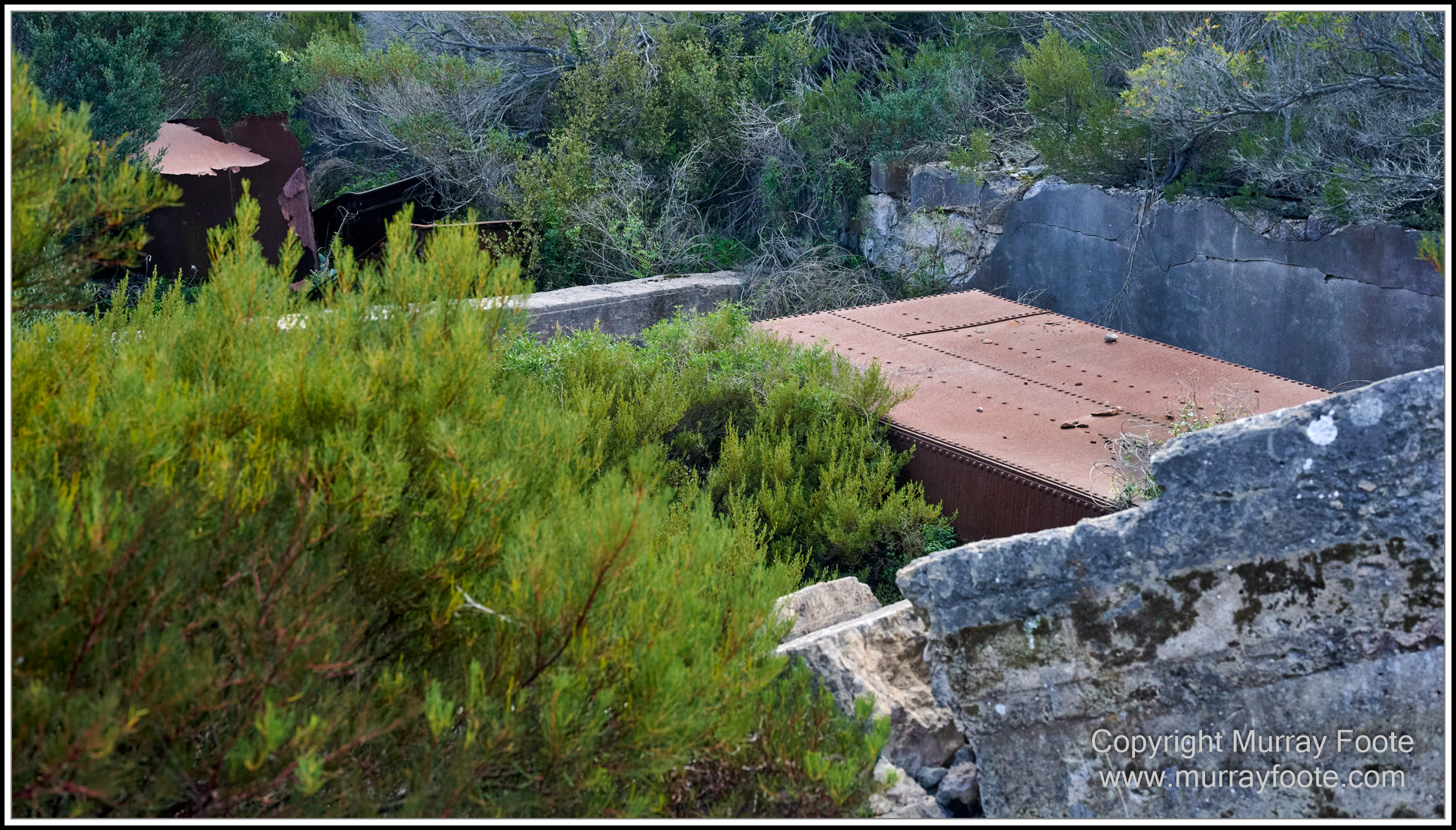
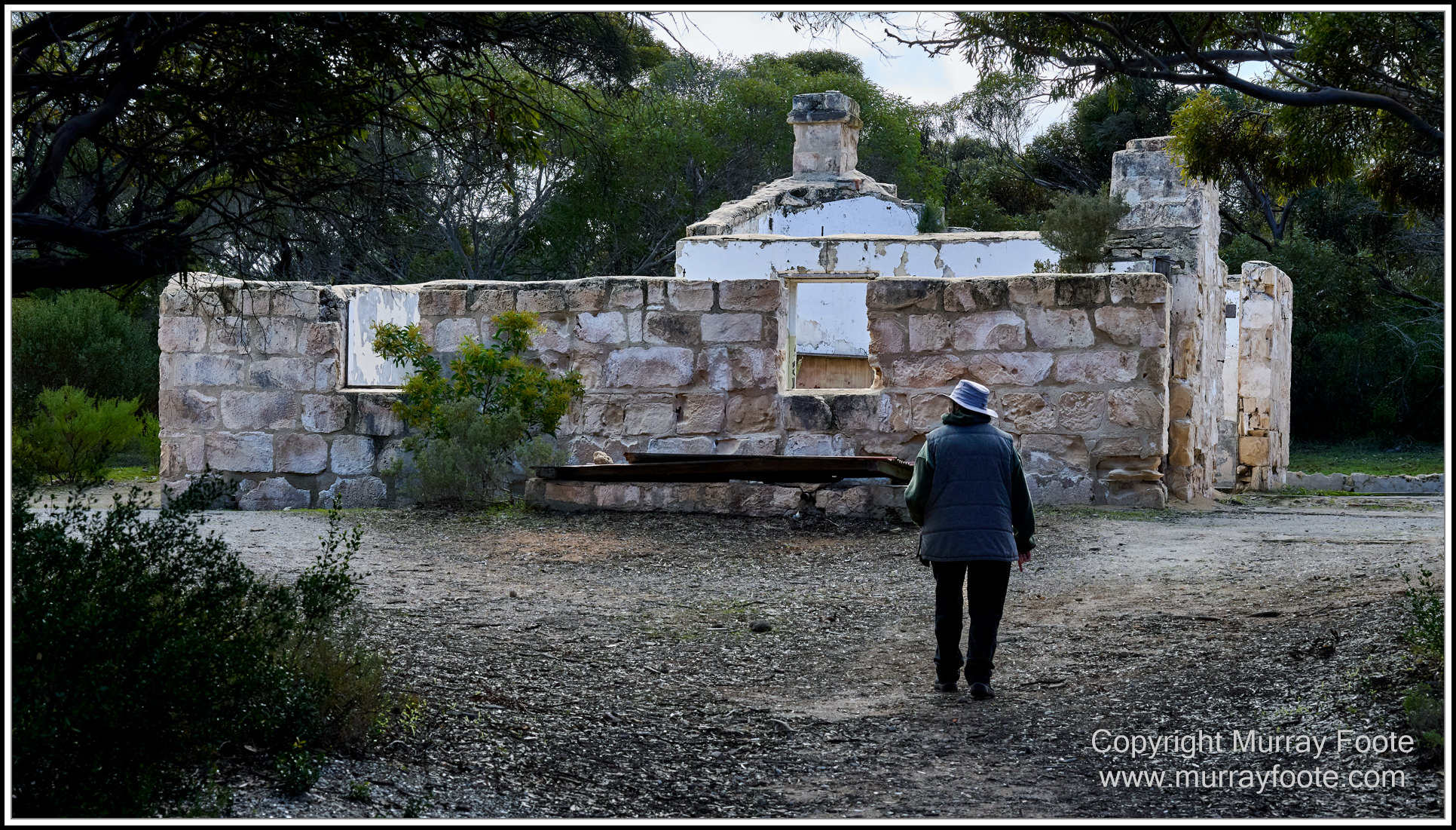
All that remains of the Plaster Factory.
.
.
.
.
 Murray Foote
Great record of a mostly forgotten town. Love the bakery ovens.
LikeLike
Great place to stay as well and in a wonderful location.
LikeLiked by 1 person