(Recent Posts, Top Posts, Subscribe and Search at bottom of page. Clicking image doubles size.)
.
I have a new camera on order.
. .
.
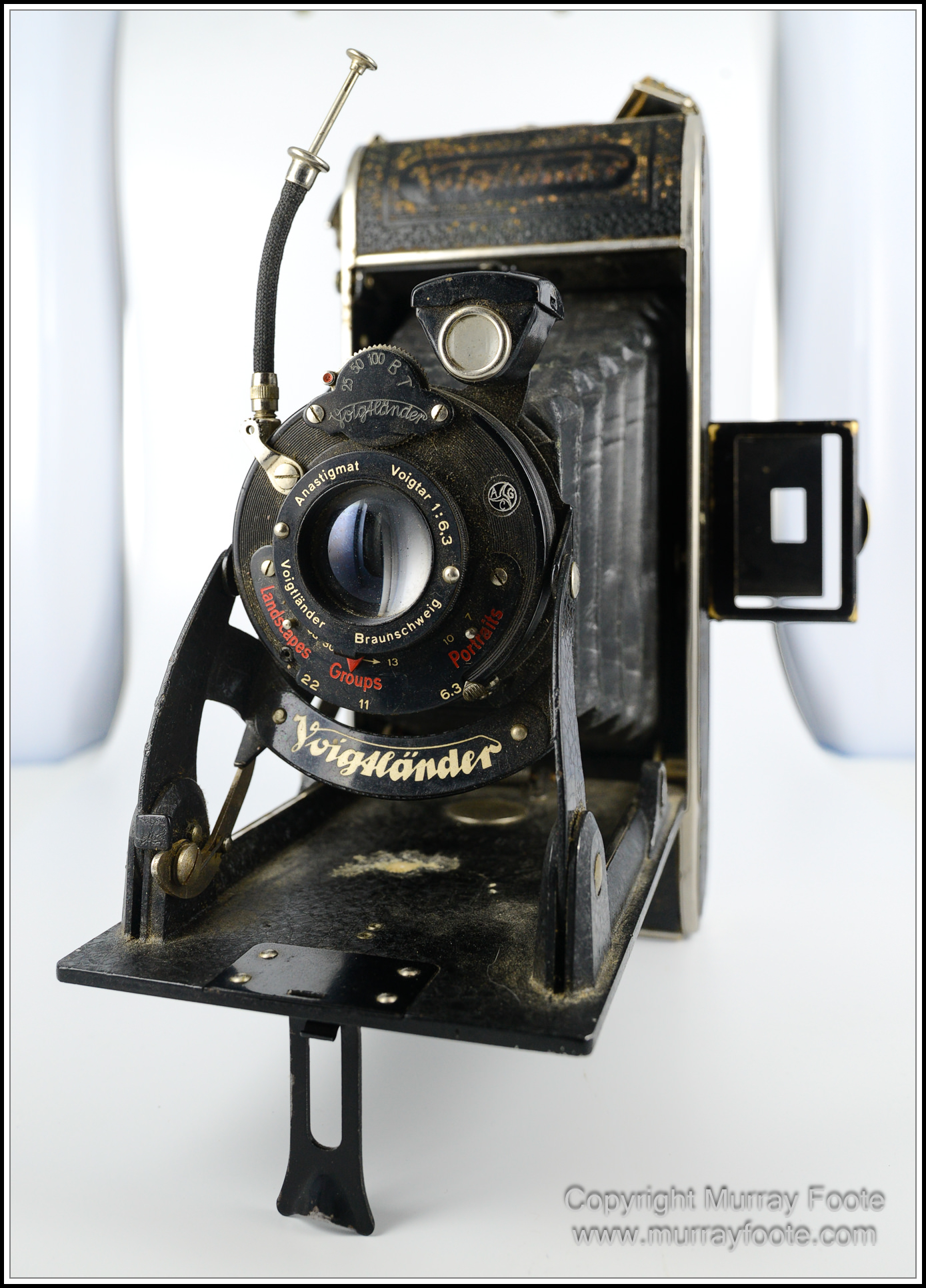
You’d never think this was a new camera, would you? It has such an amazing retro feel to it, appearing to be really, really old.
.
That’s probably because it is. This is a 1931 Voigtlander Bessa. It is a folding 6×9 camera with a film size a little larger than 120, shutter speeds of 25, 100, B and T, and apertures of 6.8, 11 and 22. I own it and it’s an object of wonder but I haven’t used it as I was given it after I stopped shooting film. I started exclusively shooting digital in 2008, when I bought a Nikon D3. This Voigtlander is not the camera I have on order.
.
It’s a Fujifilm GFX100RF, with a fixed 35mm lens, equivalent to about 27mm full-frame. It has a maximum f4 aperture (full-frame equivalent about f3.1) and does not have optical stabilisation. Some criticise it for that but they are not issues for me. More importantly, it is a light and compact medium format camera with excellent resolution, subtle tonal variation and unique capabilities. (I’ve been waiting for two months and don’t have it, so no image of the camera).
Oh, you wanted an image! OK, then here’s one. Not a whole lot in common with the GFX100RF though. It’s a Kodak Brownie No. 3, 1908-1934. No controls apart from the shutter and the wind-on lever. The original version was a cardboard camera covered in leatherette. For that one, you didn’t load or unload film, you sent the whole camera back to Kodak and they returned prints and the camera reloaded with film. Cost $US4. Perhaps the only camera further from the RF would be a Kodak Disk Camera (which was incapable of a sharp image).
.
 .
.
.
Crop modes
The GFX100RF offers many opportunities to crop in different ways while retaining useful resolution. There is a lever that allows a digital zoom from 35mm (102mp) to 45mm (61mp) to 63mm (31mp) to 80mm (20mp). Full-frame focal length equivalents are 27mm, 35mm. 50mm and 63mm.
What particularly interests me is a dial that allows you to crop to different aspect ratios. These include 1×1, 4×3, 3×4, 3×2, 5×4, 7×6, 16×9, 65×24 and 17×6. (4×3 is native, 3×2 is standard 35mm and 65×24 is Xpan.) I haven’t shot 4×3 or 16×9 (which is more cinema or TV than film) but in the film era I shot 1×1, 3×2, 5×4, 7×6, 9×6 and 17×6, with dedicated cameras for each format. While I didn’t have an X-Pan, there’s no real difference from the 65×24 aspect ratio to 17×6 (which is 68×24). That both choices are there is for historical not practical reasons. I also shot Widelux with a slightly less wide aspect ratio but a very wide coverage.
3×2, XPan and Widelux were with 35mm film; 1×1, 7×6, 16×9 and 17×6 were with the larger 120 film; 5×4 was with the much larger 5×4 inch sheet film. Film size is not the same as format size though when panoramas come into the equation. 3×2 is standard 35mm film or miniature format, as Leica originally defined it; 1×1, 7×6, 9×6, XPan and Widelux are medium format; and 5×4 and 17×6 are large format. The GFX100RF offers a digital equivalent to many film cameras I have used with their different aspect ratios and format sizes.
Seeing and finding your exact composition when you take the photo should produce a better, more precise and quite different result. Cropping in post-production is really not the same at all.
.
Storage and speed
Having a medium format digital camera also has implications for computer speed and storage. The RF generates huge files, and even if you select a crop mode you still get the full RAW file. Uncompressed 16-bit RAW is 209mb, lossless compressed (a more likely choice) is 135mp and compressed 72mp. JPEG is 30-50mp and HEIF (a new format with limited usage) 30% less.
So you need a fast computer for processing and lots of disk storage. Mind you, scanning a 5×4 slide can generate a 500MB image and twenty years ago I was processing those in Photoshop with my computer of that era. That must have been slow.
My computer has a motherboard with lots of SATA ports for bulk data storage on conventional hard disks, much cheaper than SSDs. Currently I have 7TB of stored images and 7TB free on those disks. So I have enough storage for the RF and anyway, hard disks are relatively cheap.
My computer build is five years old. It was fast for that bygone era and should be adequate. At a cost I could make it much faster. The main factor affecting computer speed is hard disks. Upgrading my M.2 SSDs from PCIE 3 to PCIE 5 would increase their speed by 7.5 times and I could increase that further by putting some of the SSDs into a RAID array. (PCIE is the standard for transfer speed between computer components; RAID is running disks in unison). That would mean new motherboard, chip and memory and cost $A3,000 to $A4,000, but is probably not necessary.
.
Usage
I am not planning to just have the RF because I will use other cameras for long telephoto, wildlife, ultrawide, macro, infrared and live music. I will soon have five or six active cameras. One reason for that is backup bodies. A second body is essential for travel and important projects. (I have had a body fail and another partially fail while travelling and I had a body fail at a Blues Festival.) It is also often useful to carry two bodies with different lenses so you can quickly switch. For international travel, I take Fuji for lightness and compactness. I will have the X-T5 and probably the X-E4 as well as an X-T2 IR (with an infrared- converted sensor) and the RF. For live music I have a Nikon Z6iii and a Z6ii because they are better in low light (and they also have better autofocus). One challenge is that five of the six cameras have quite different autofocus systems, so I just have to make sure I am on top of all the usage variations.
The ultimate purpose of photography is really to print, because that it a whole different form of quality to digital images. Normally you would want to print yourself, otherwise it’s not really your own work. A medium format digital camera makes it possible to print A1 or A0 though, which would require commissioning a custom print.
I will use the new camera mainly for landscape and travel, and to a lesser extent street photography, and expect to slow down for more contemplation, as many film formats used to require. This post is not a review of a camera I don’t have. Instead of that, here are images taken over the last forty-five years, to illustrate the formats I may use with the RF.
.
.
.
.
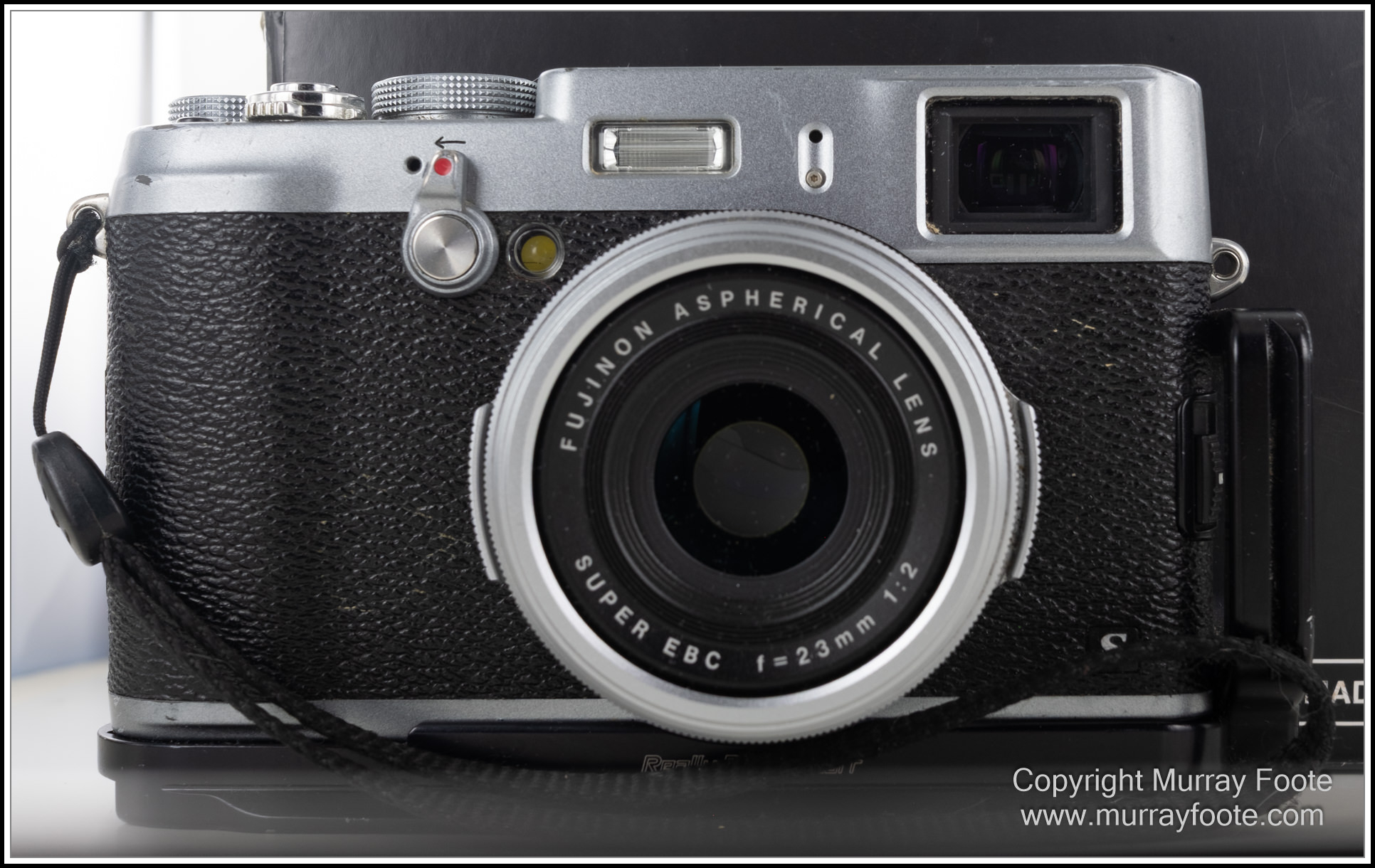
X100.
 .
.
Fujifilm X100s. (Digital, 6×4 aspect ratio)
Many people describe the RF as a medium format version of the crop-sensor X100vi, but really it’s not. Similar in some ways but cameras for different purposes to be used in different ways. I owned both the original X100 and the X100s. They are ideal street photography cameras but I sold my X100s in order to have one less camera body when travelling, and instead use my XE-4 and 23mm f2 lens.
The X100’s 23mm lens is equivalent to 35mm in full-frame terms. You can get the same field of view in the RF by selecting to crop to 45mm and changing the aspect ratio to 6×4 for 54mp resolution.
Here are some images I took with the X100 or X100s.
.
 .
.
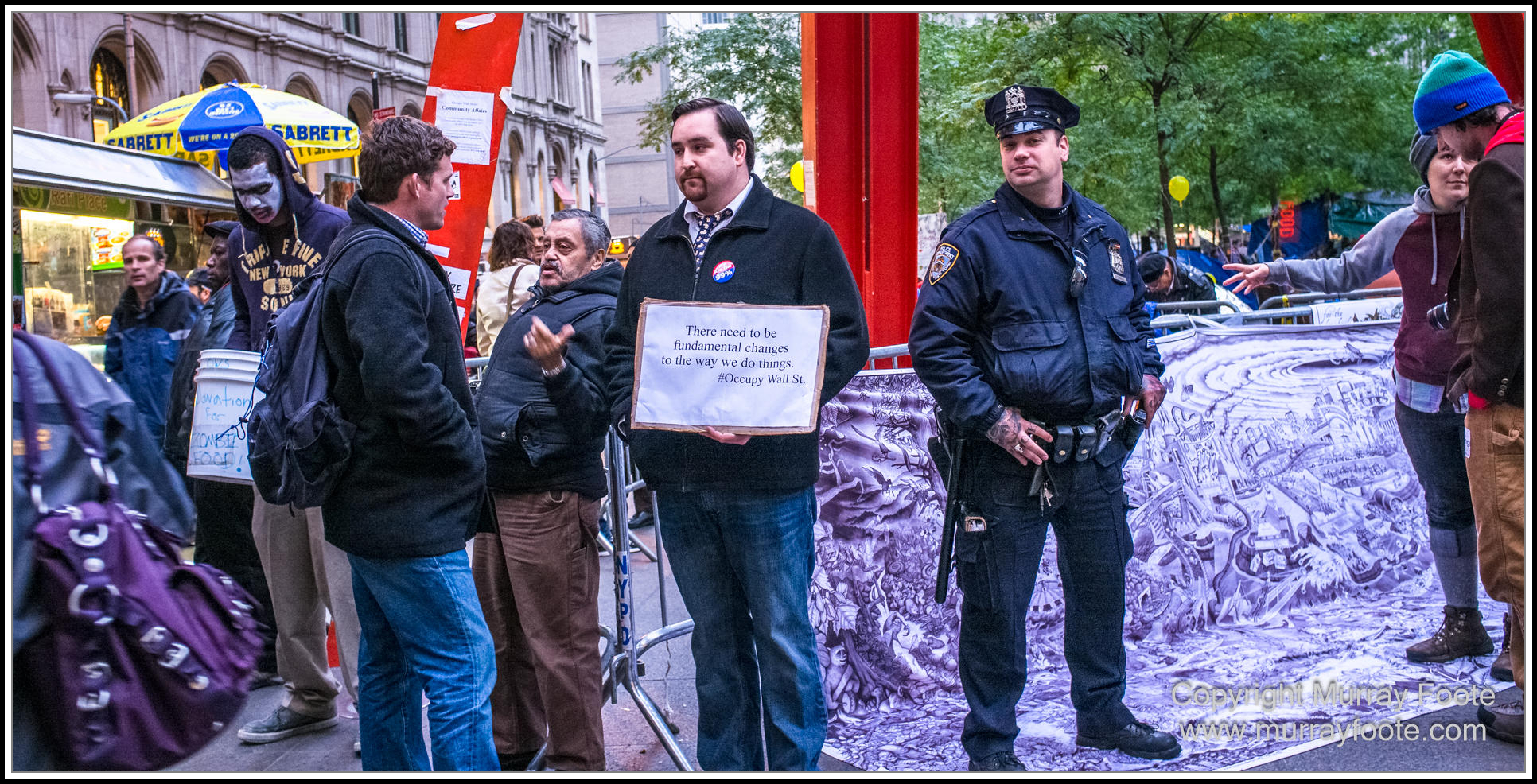
Occupy Wall St, Zuccotti Square, New York, Oct 31 2011 (X100).
This image is cropped from the top. Sometimes, when shooting in just one aspect ratio, cropping is inevitable. Almost all other images in this post are uncropped however.
Usually, I take a full set of cameras and lenses when travelling. However, in 2011, unnecessarily concerned about safety on the streets, I just took the original X100. For more of those images, see here.
.
.
.
.
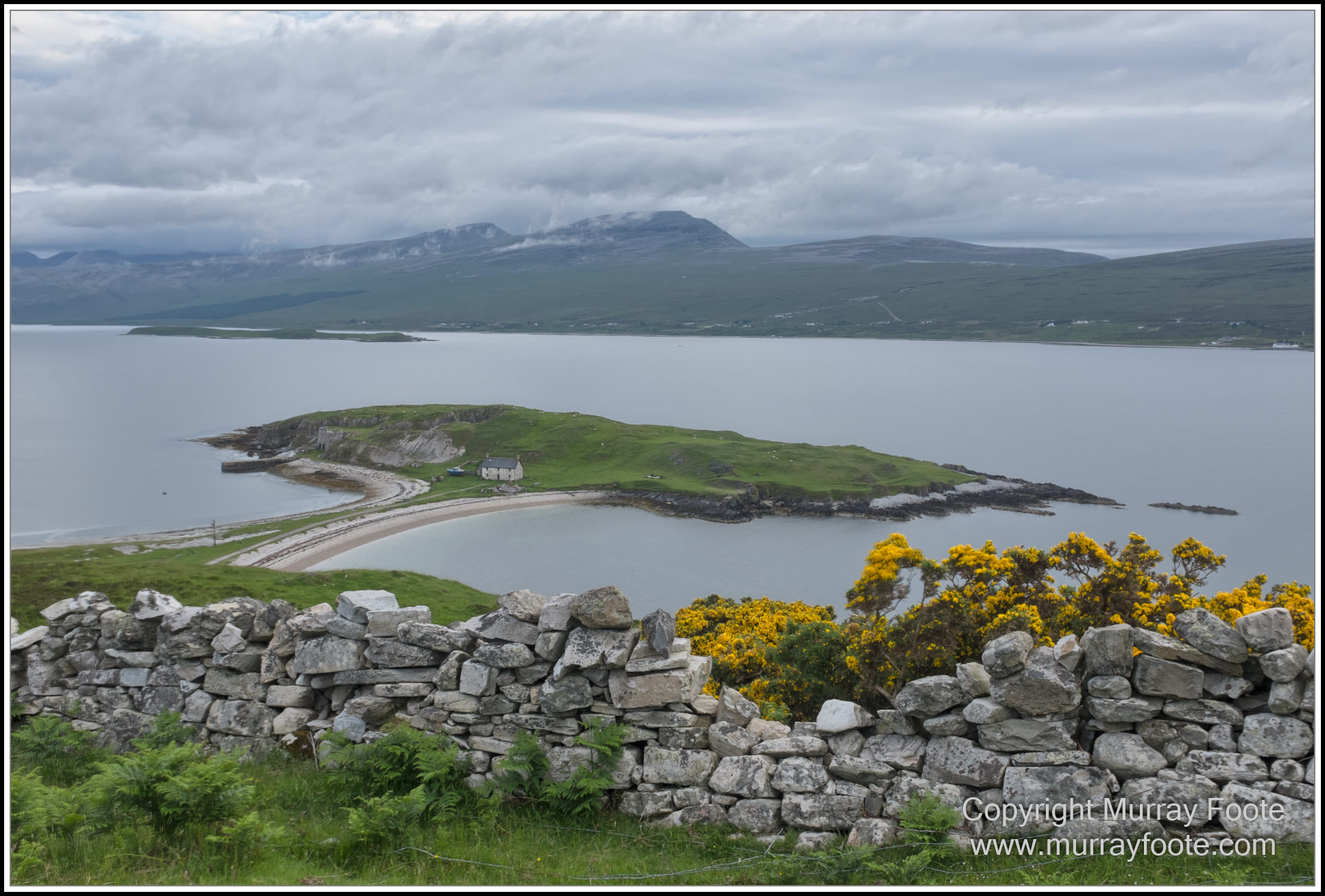
Loch Eriboll and Ard Neakie Headland, far north Scotland (X100s, 2013).
.
.
.
. 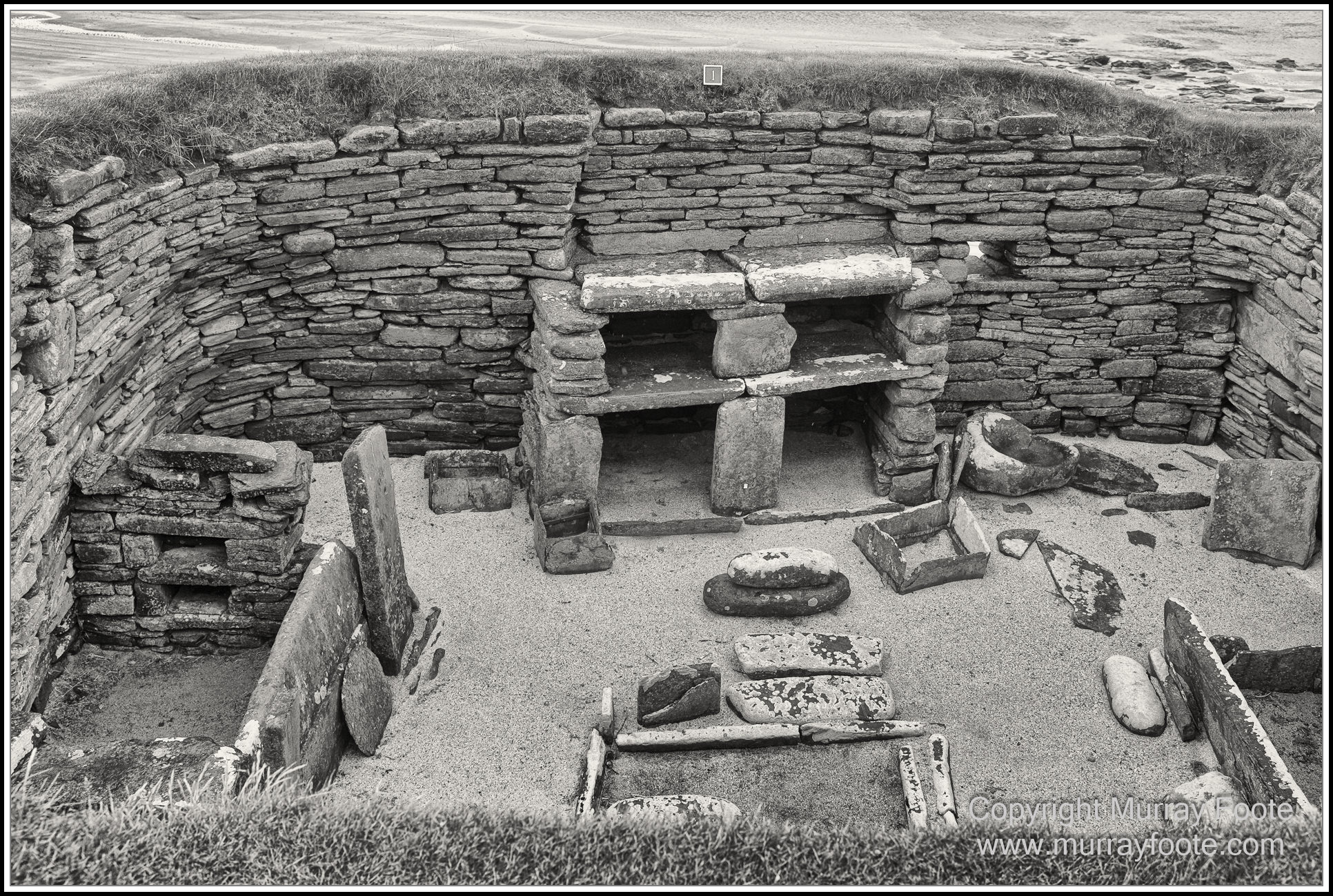
House 1, Skara Brae, Orkney (X100s 2013).
.
.
.
.
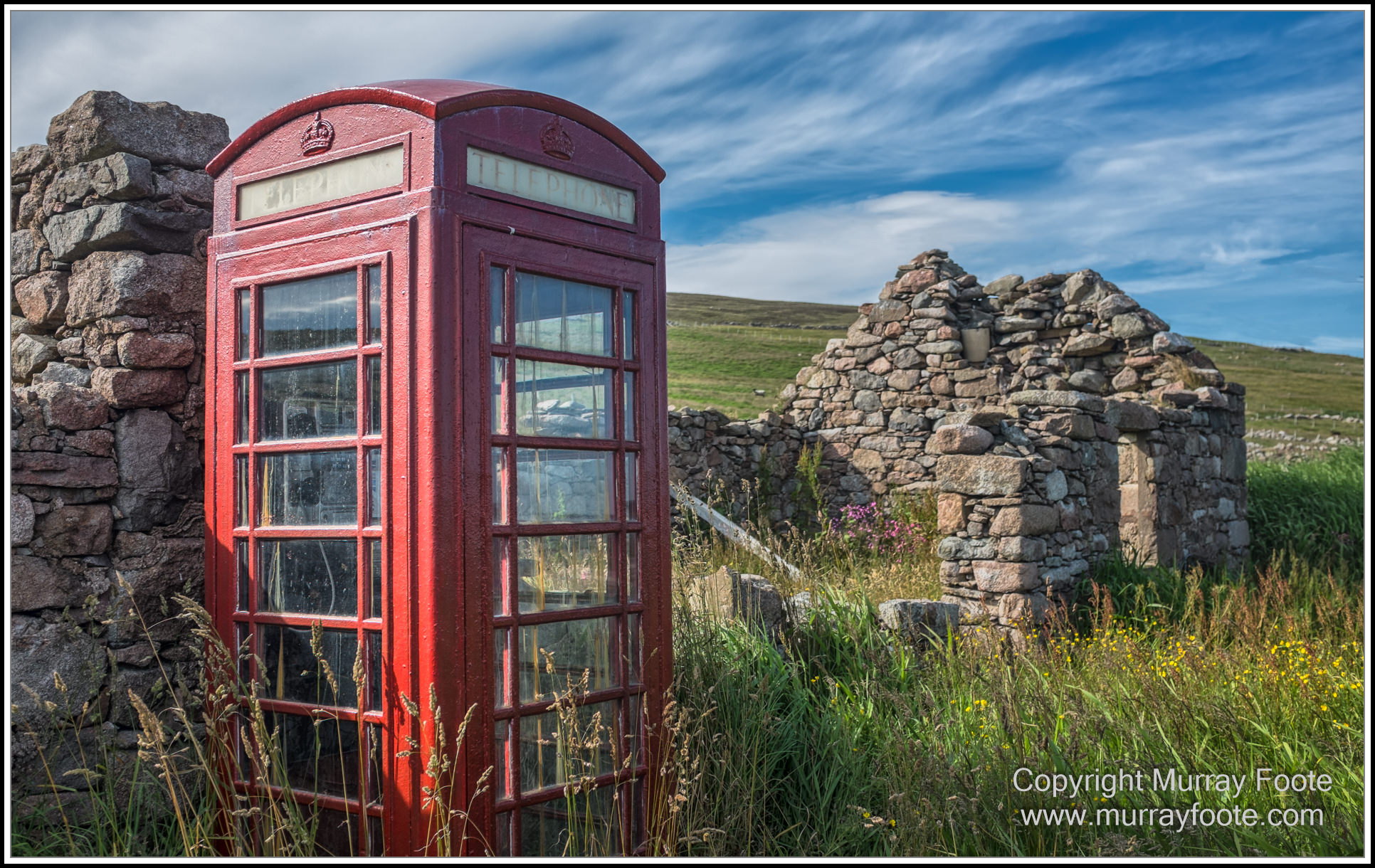
Phone Booth and ruined house, Culswick, near Stanydale Temple, Shetland (X100s, 2013).
.
.
.
.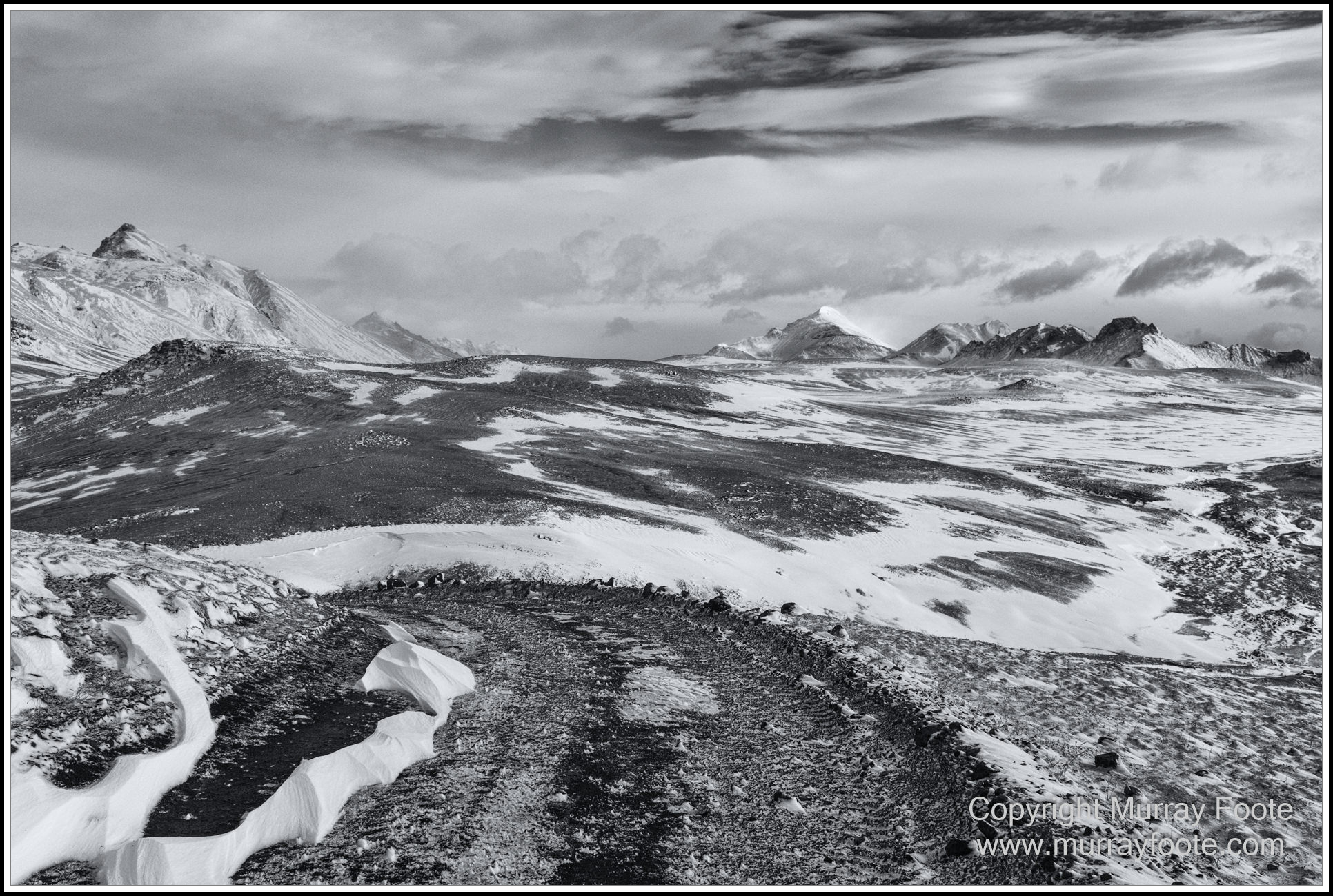
In Iceland, on the remote F235. (X100s, September 2013).
Monochromes – Fjallabak Nature Reserve #2.
.
.
.
.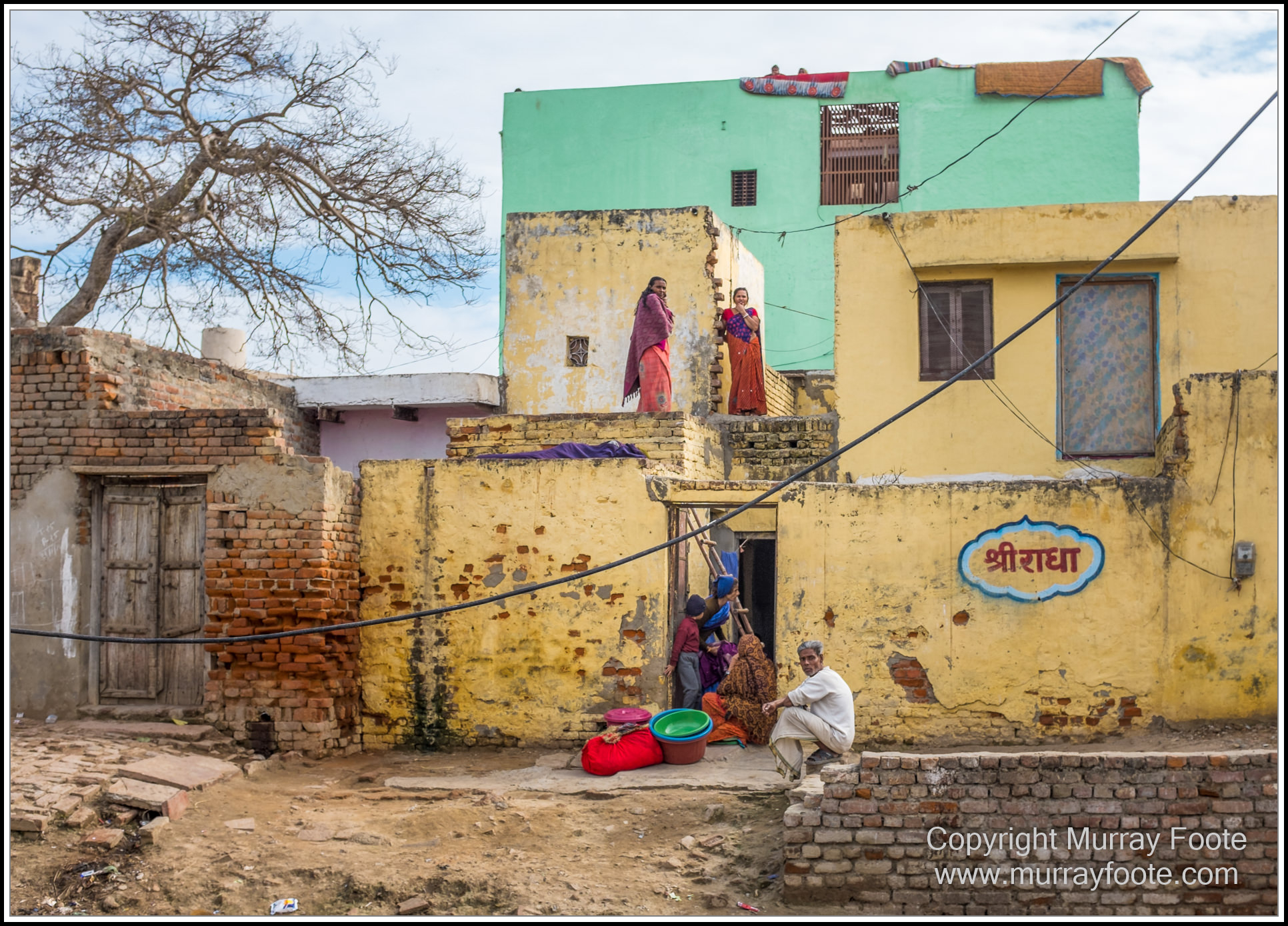
Street view from moving bus, Vrindivan, India. (X100s,10 Feb 2014).
.
.
.
.
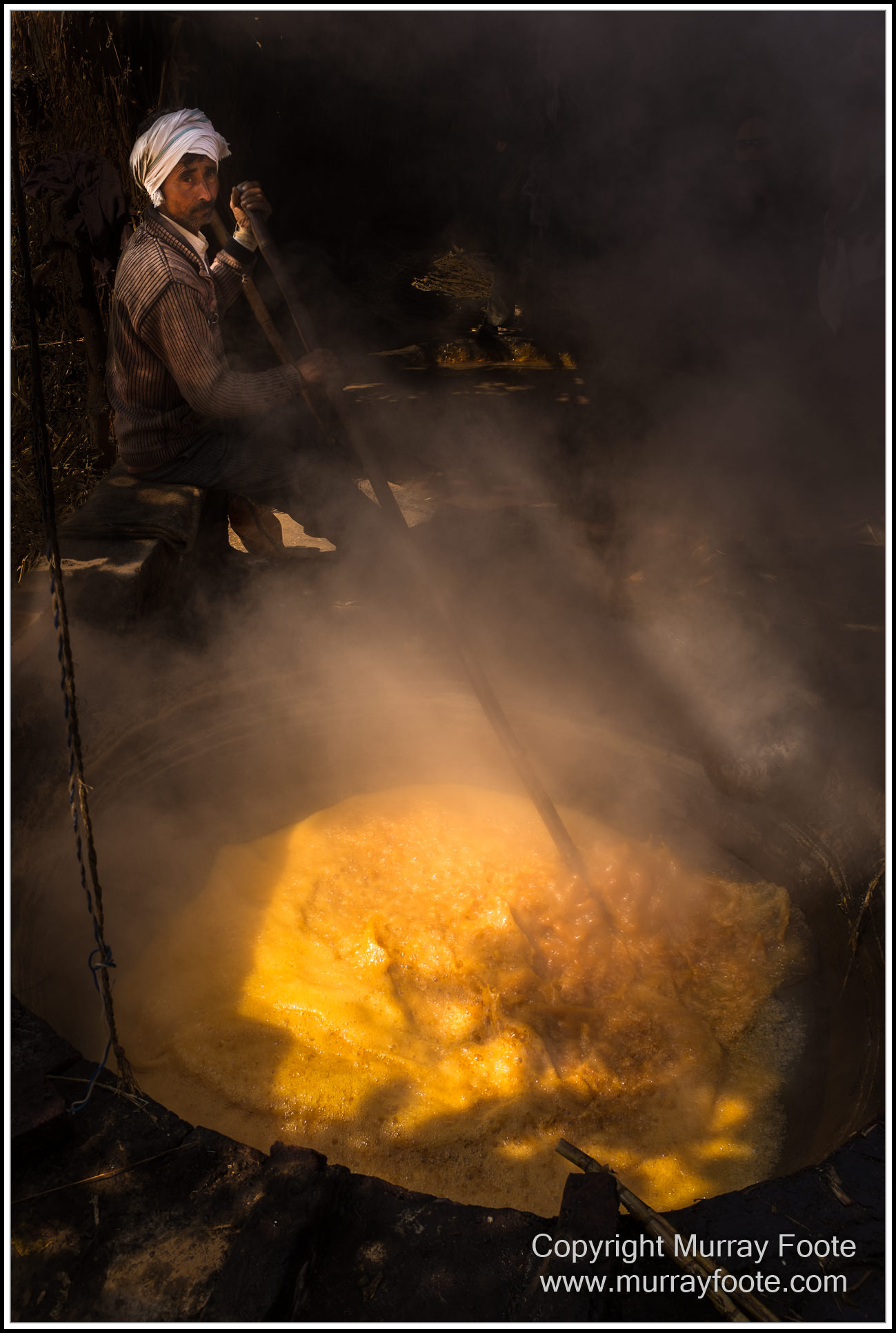
Making sugar; stirring the final mix. Vrindivan, India, with Robyn Beech. (X100s, 12 Feb 2014).
.
.
.
.
35mm Film (3×2).
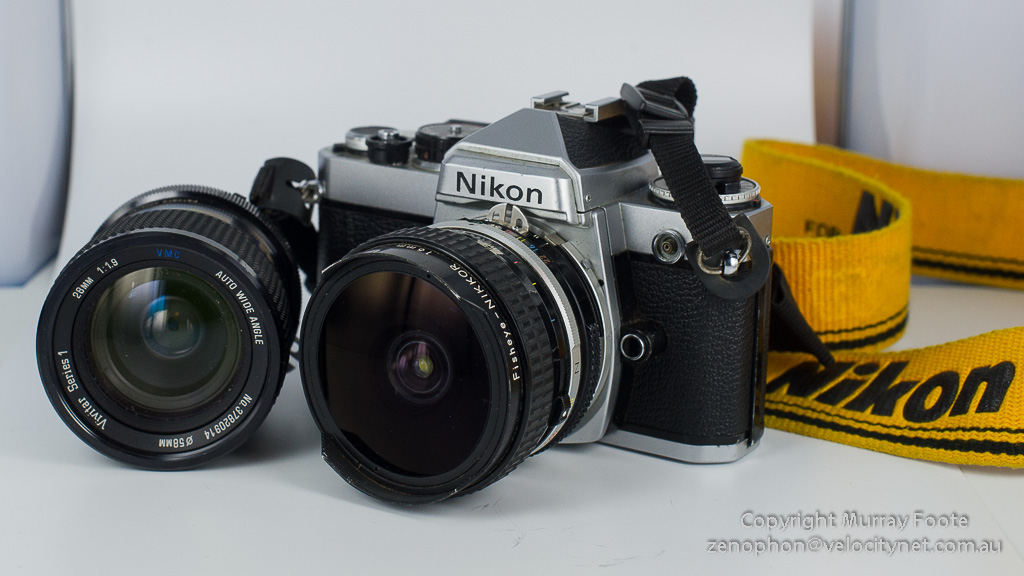
Nikon FE with Nikkor 16mm f3.5 fisheye plus Vivitar Series 1 28mm f1.9
This film camera of course takes photos in the usual 6×4 format. I have around 20,000 digital images in this Blog in this format so I don’t need to show any of those here but I am tossing in a few from film. 35mm film still has its adherents but it’s far surpassed by digital in my opinion. (The GFX100RF can shoot 6×4 at 90mp.)
Here are some 35mm 6×4 film images. The first may have been taken on a Cosina SLR or maybe a Pentax SV. The other three would have been taken with a Nikon FE, Nikkormat or Nikkorex, .
.
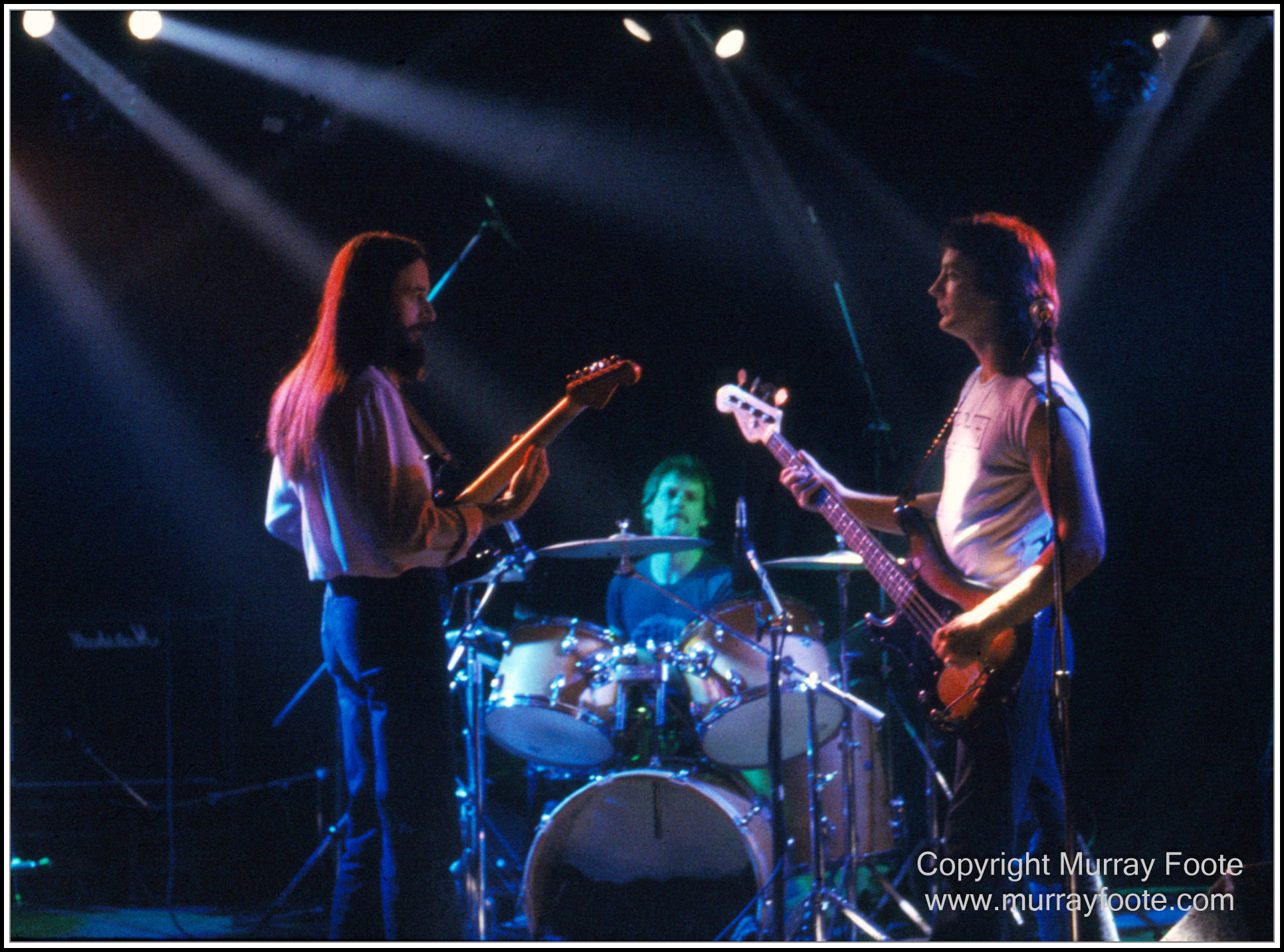
The Roogalators, The Stakeout, East Row, Canberra, c.1980. Dave Kain, Barry McCulloch, drummer.
Shot on Ektachrome 160 Tungsten pushed 2½ stops. Of course, you couldn’t see the result in the back of the camera, manual exposure was not possible with changing light, there was very little latitude for exposure (with colour slide film), and you had to just know how much compensation to apply.
.
.
.
.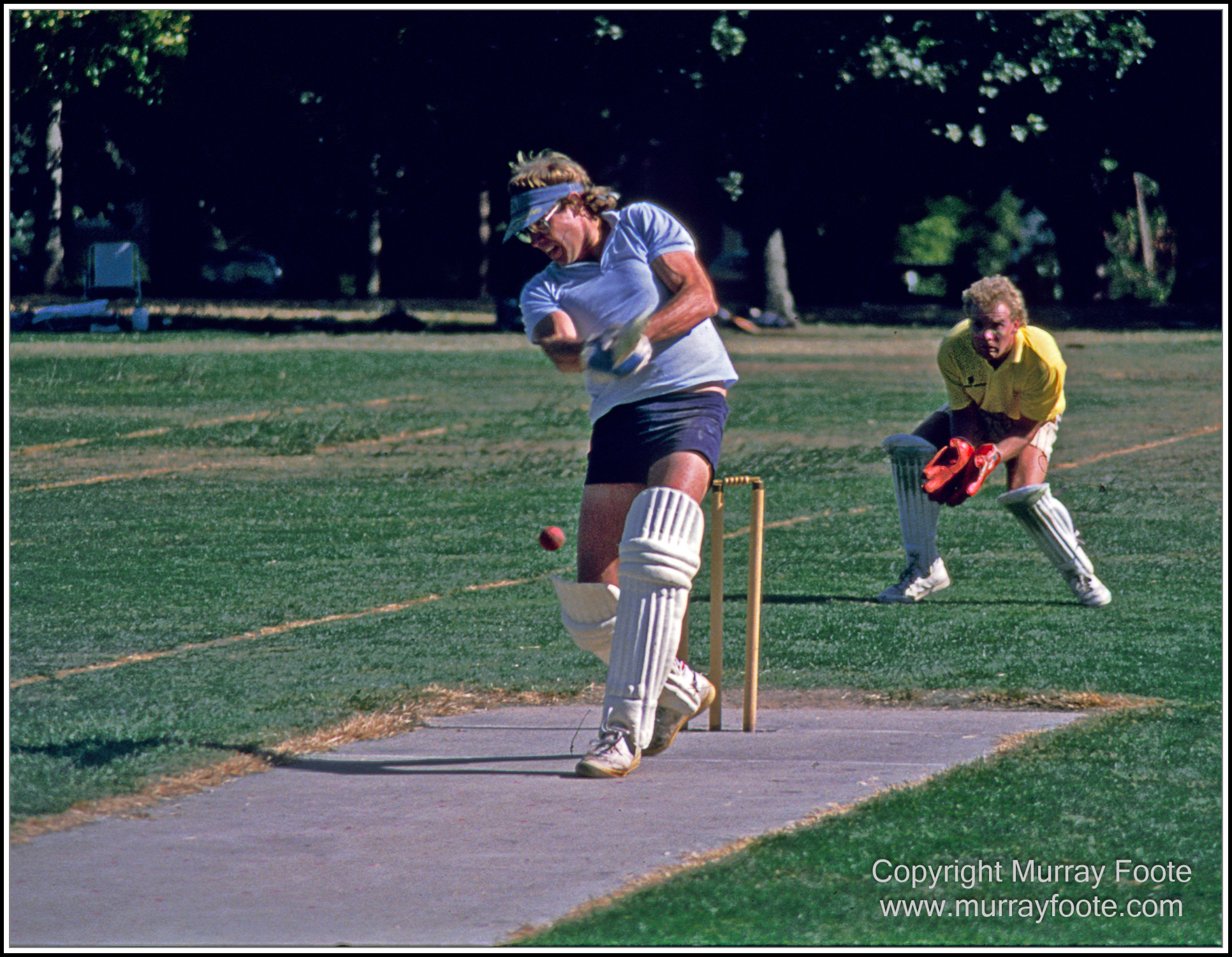
Peter Marshall batting for The Elastic Band, early 1980s.
.
.
.
.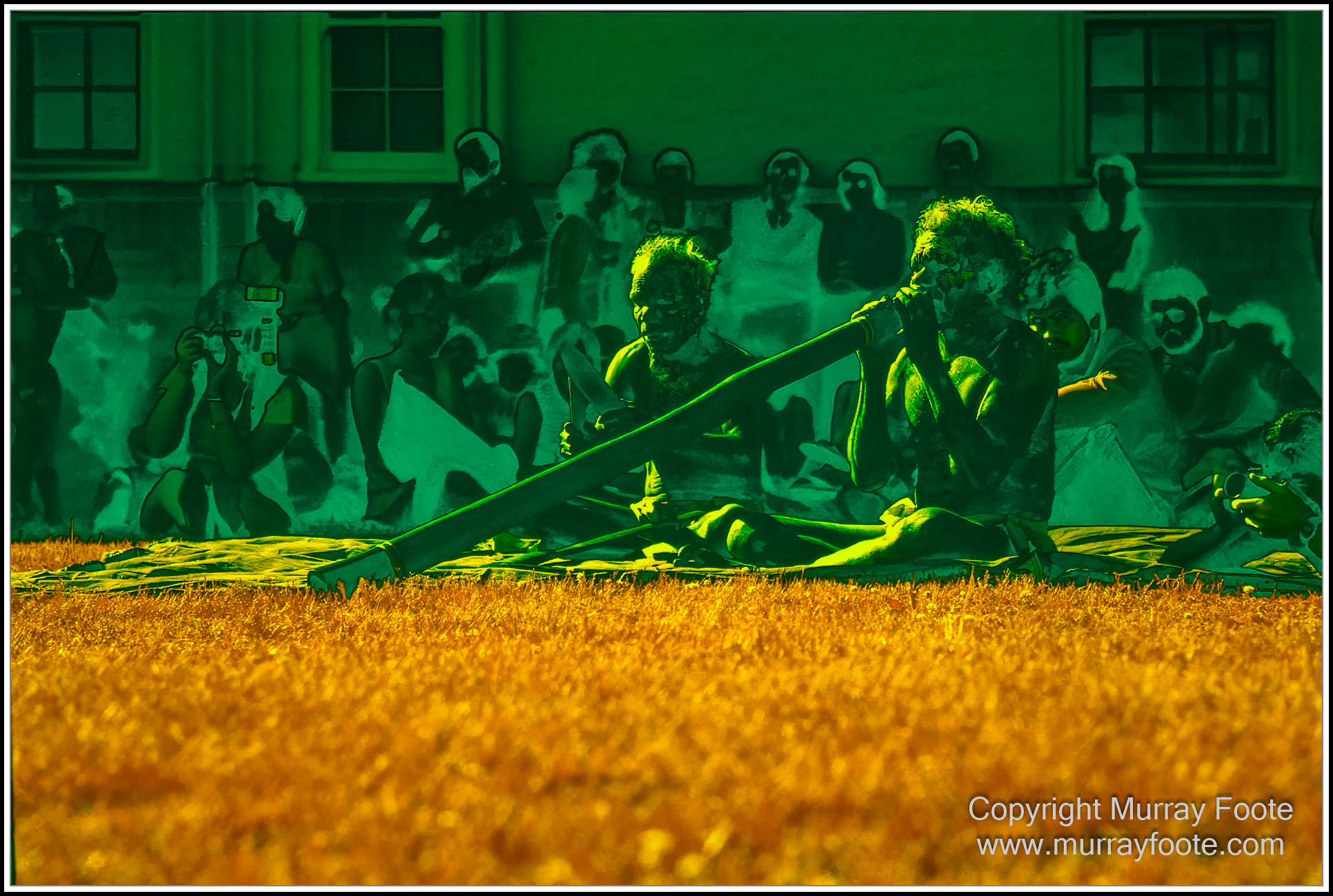
Aboriginal performance, ANU, Canberra 1982.
I was photographing this performance when I ran out of ordinary film so I switched to infrared. These days I have a digital camera with a 560nm infrared conversion that I can perform conjuring tricks with in post-processing. In those days, shooting infrared colour film, you got different effects with different filters and then different results again with different combinations of filters. That’s one thing, but when this film came back from processing in Adelaide, the images came with Sabbatier Effect, a partial reversal of the image. This is caused by exposure to light during the development process. I had tried this myself but not got it to work as well as this. They must have left the inspection port open in the machine for a while. Hence you get a performance in front of an appreciative yet negative Canberra audience.
.
.
.
.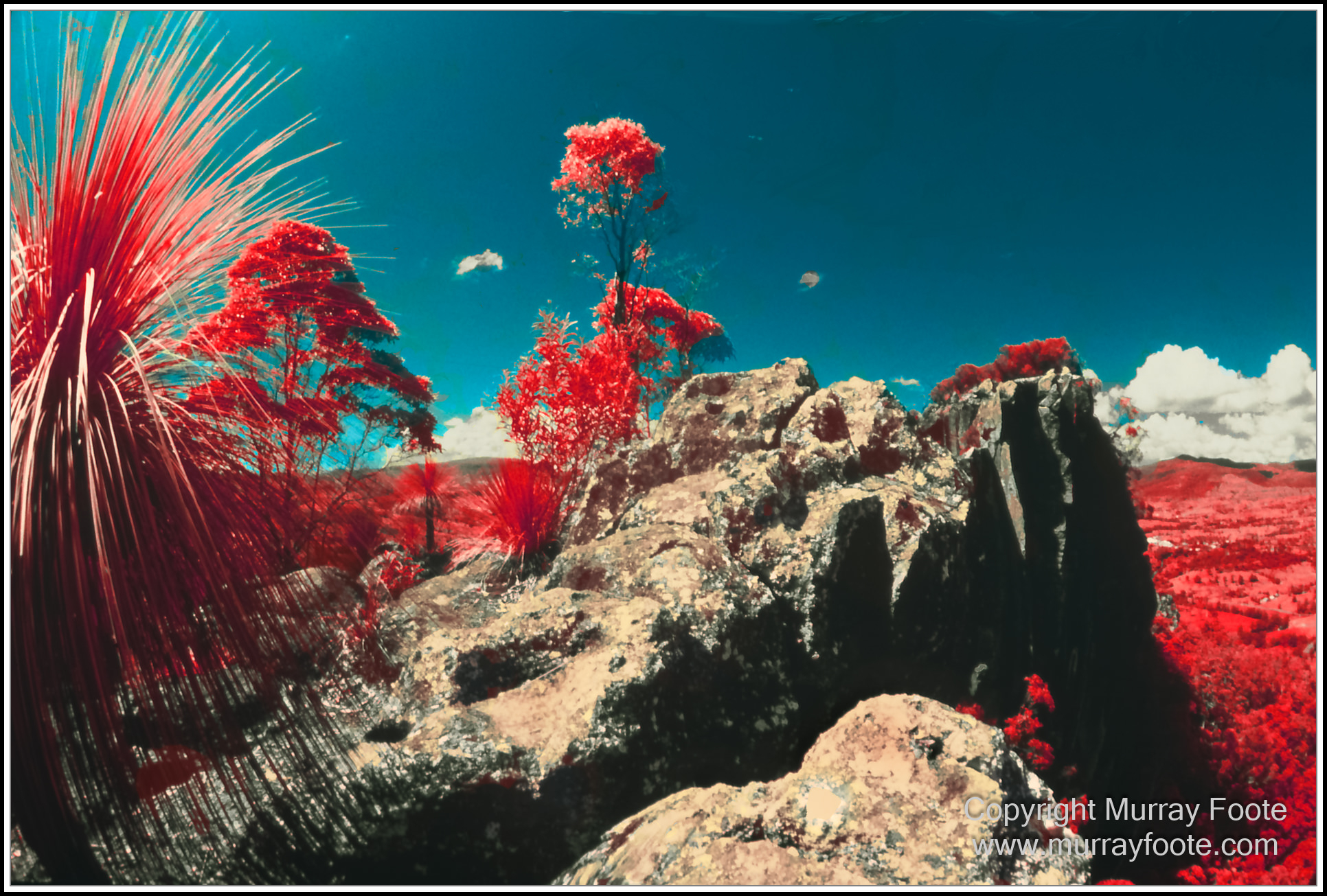
The Budawangs/ Morton National Park, NSW 1984 (Infrared).
.
.
.
.
1×1 (or 6×6).
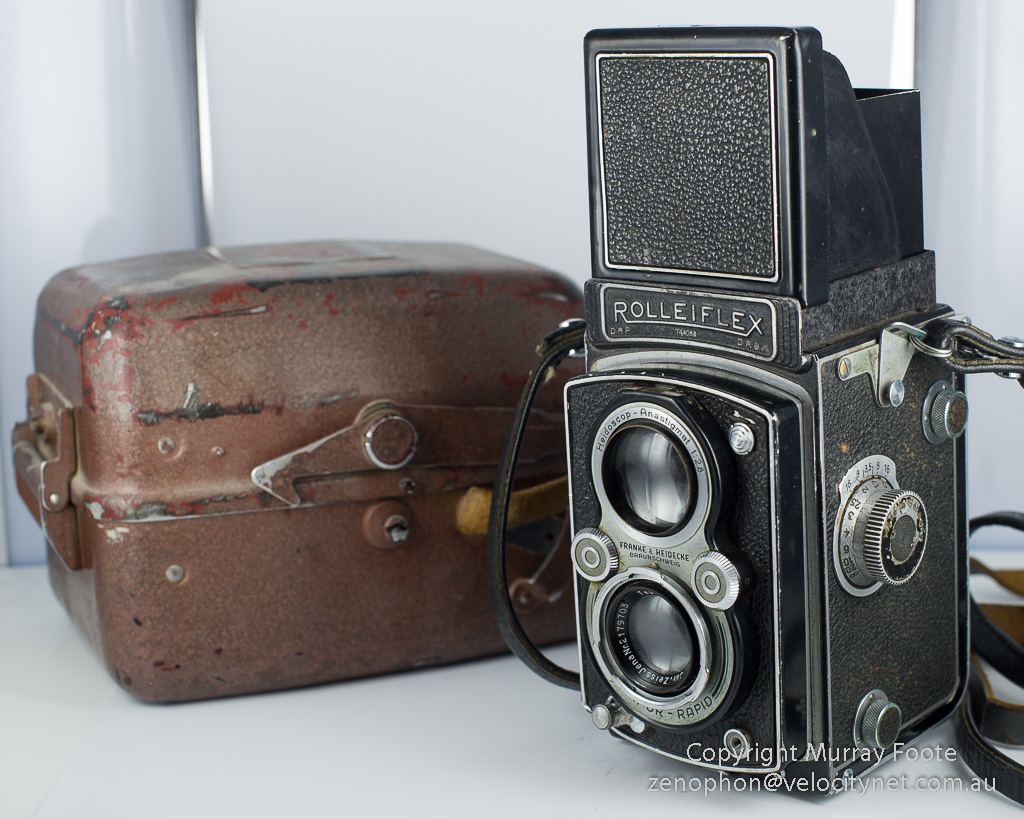
1937 Rolleiflex Automat TLR and waterproof case. (120 film; 1×1 aspect ratio).
This was a high-quality professional camera in its day. It has two lenses. The top one was for viewing and the bottom one was for taking the photo. You composed through the ground-glass screen at the top of the camera and there is a magnifying glass built in. The GFX100RF can deliver 1×1 images at 76mp.
.
.
.
.
 .
.
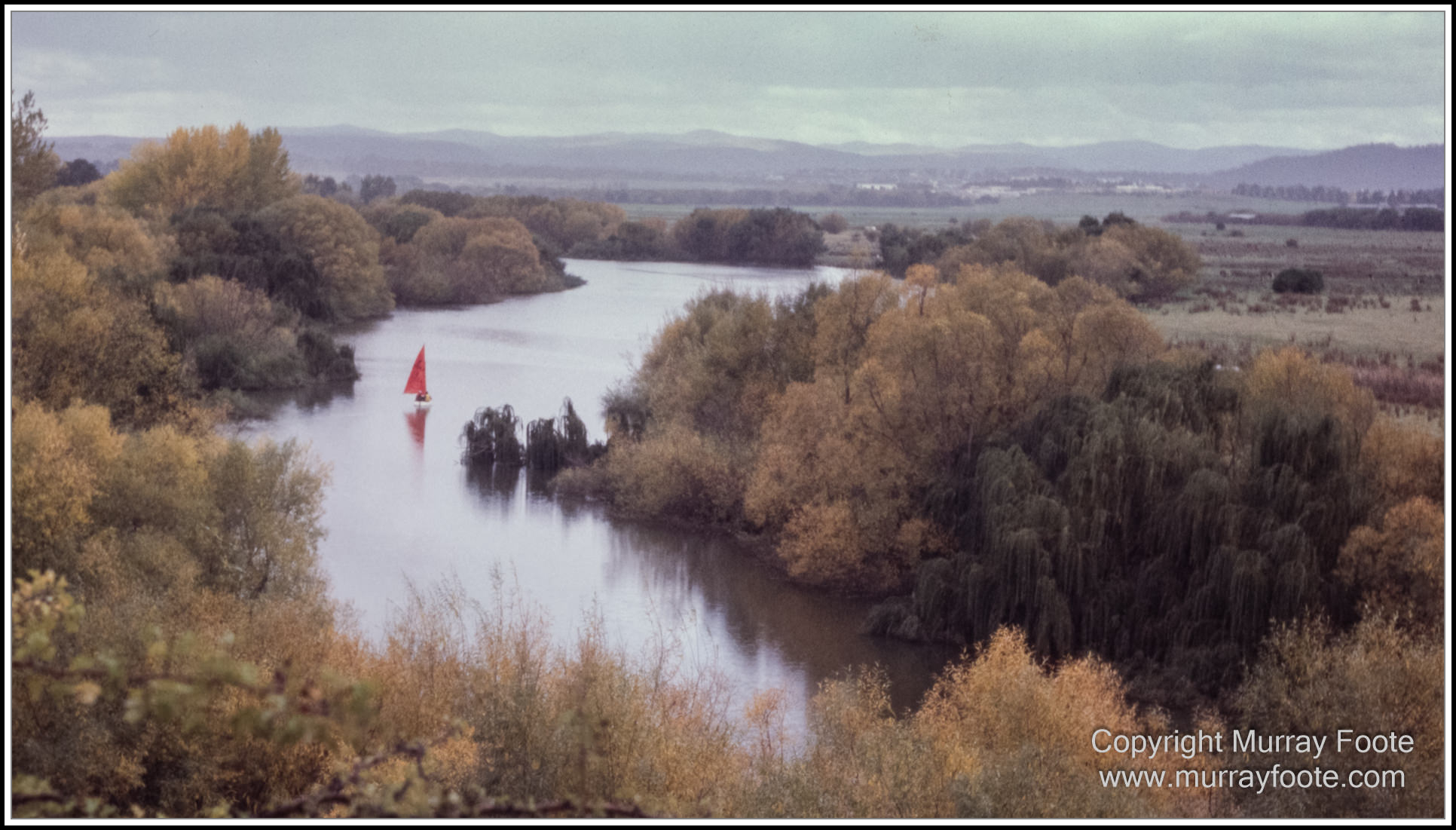
Red sail on the Murrumbidgee, Canberra, mid 1980s.
Heavily cropped, but this is a Rolleiflex shot.
.
.
.
.
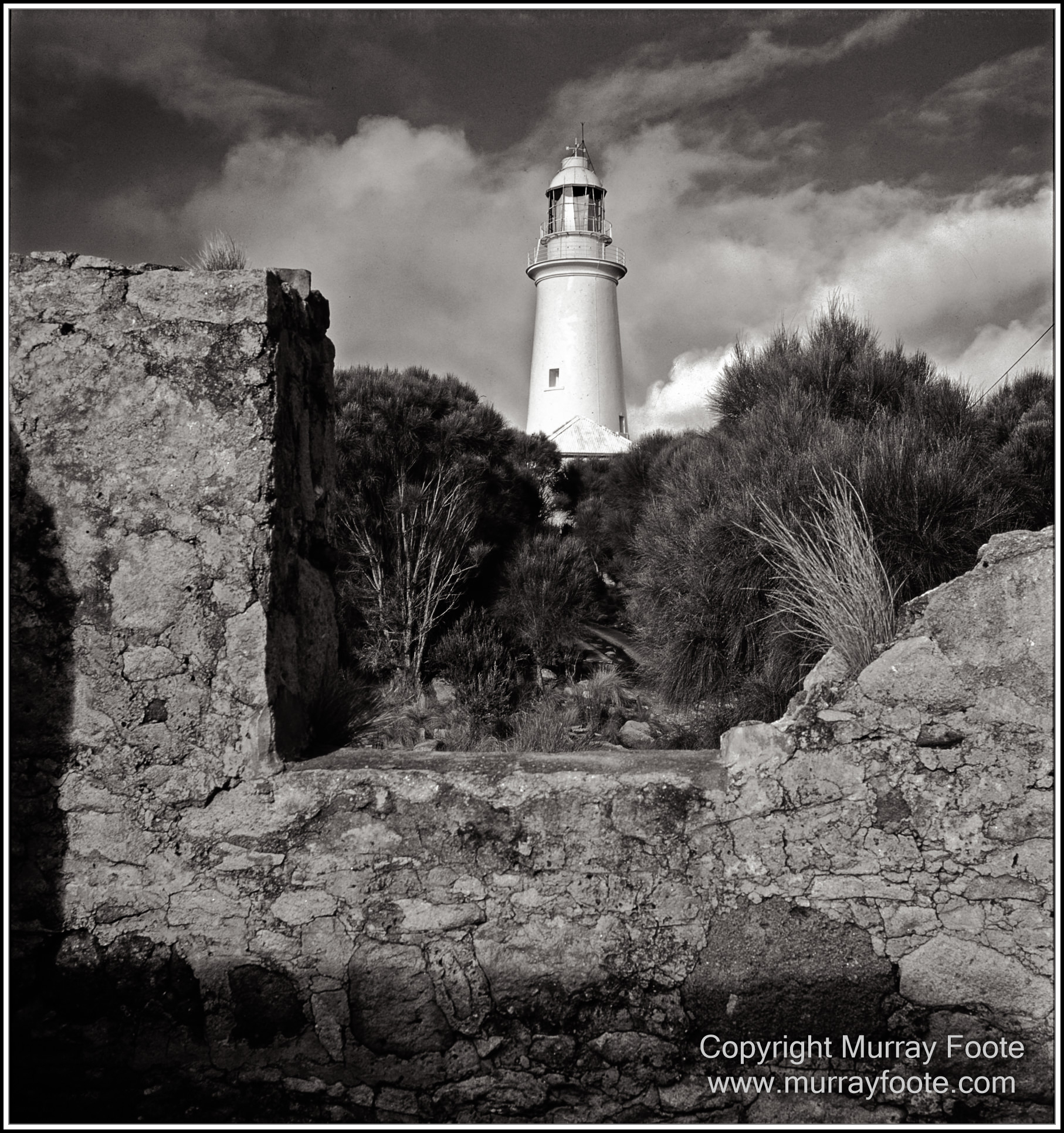
Deal Island Lighthouse from ruined convict cottage, 1987.
Lighthouse Monochromes – Tasmania.
.
.
.
.
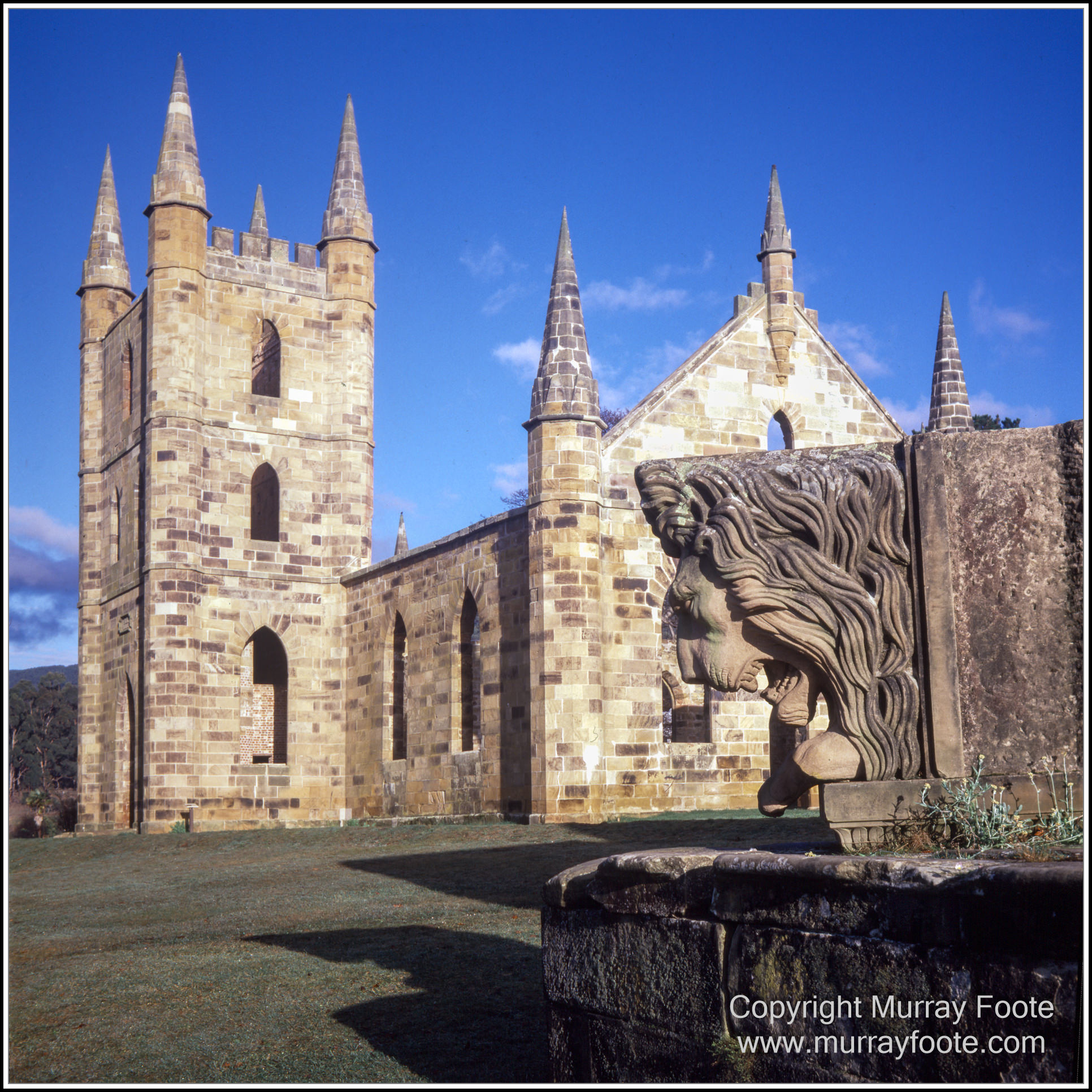
Port Arthur Church and Lion’s Head, 1987.
Port Arthur was Australia’s most vicious convict settlement from 1830 to 1877. It was also the site of a massacre in 1996 that resulted in tightening of Australia’s gun laws and a gun buyback, something the US obviously needs. The church was built by the convicts from 1856 to 1857. It was compulsory to attend and could accommodate one thousand.
.
.
.
.
5×4 (large format).

Arca-Swiss Monorail camera with Linhof Schneider Symmar 150mm lens.
.
.
.
.
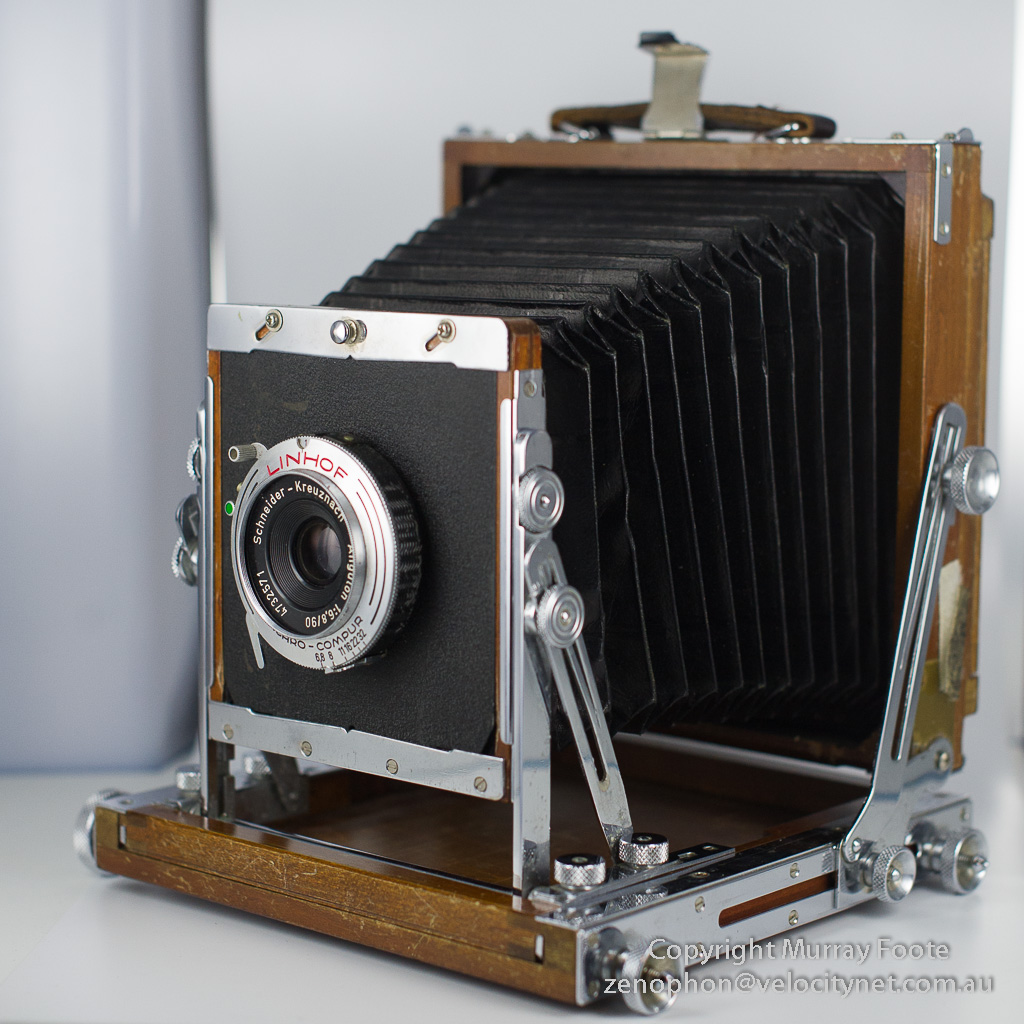
Nagaoka Field Camera, expanded, with Linhof Schneider 90mm Angulon lens.
.
.
.
. 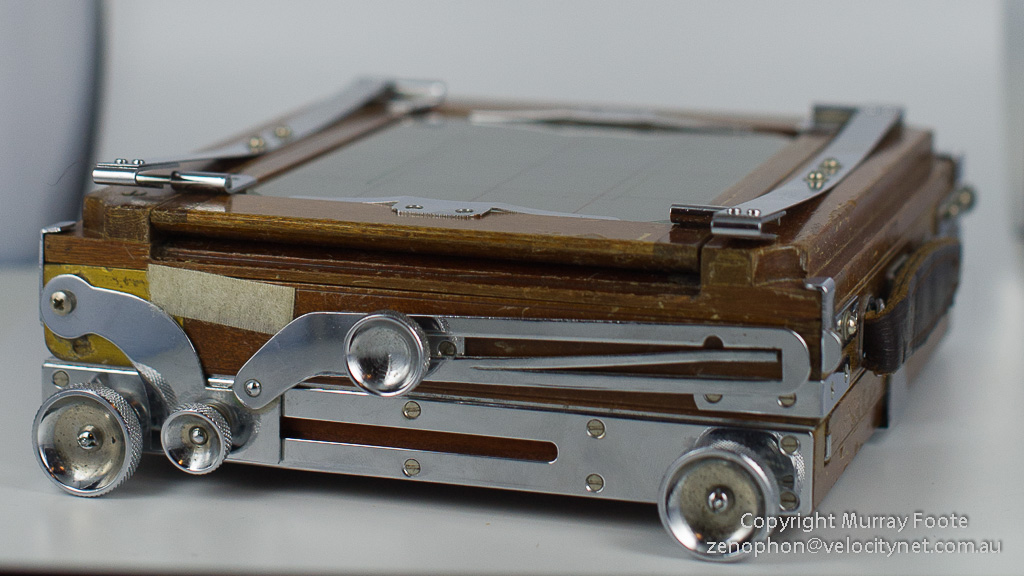
Nagaoka Field Camera, folded up without lens.
.
These cameras used five by four inch sheet film. Each exposure was equivalent to a roll of film. First I would walk round with a viewing instrument and find a composition. Then I would set up the tripod and the camera. I would find the correct exposure using a hand-held meter in incident mode (reading the light rather than the subject) and set shutter speed and aperture. I would then compose on the ground glass screen and focus using a focusing magnifier, all under a dark cloth. The image would be back-to-front and reversed, which I think provides essential compositional training, because it forces you to think in abstract terms. Finally I would put a double dark slide in the slide holder at the back of the camera, draw out the slide protecting the film, make the exposure, put back the slide and withdraw the holder. It might take half an hour to make an exposure.
The GFX100RF allows you to make 5×4 exposures at 95mp.
.
.
.
.
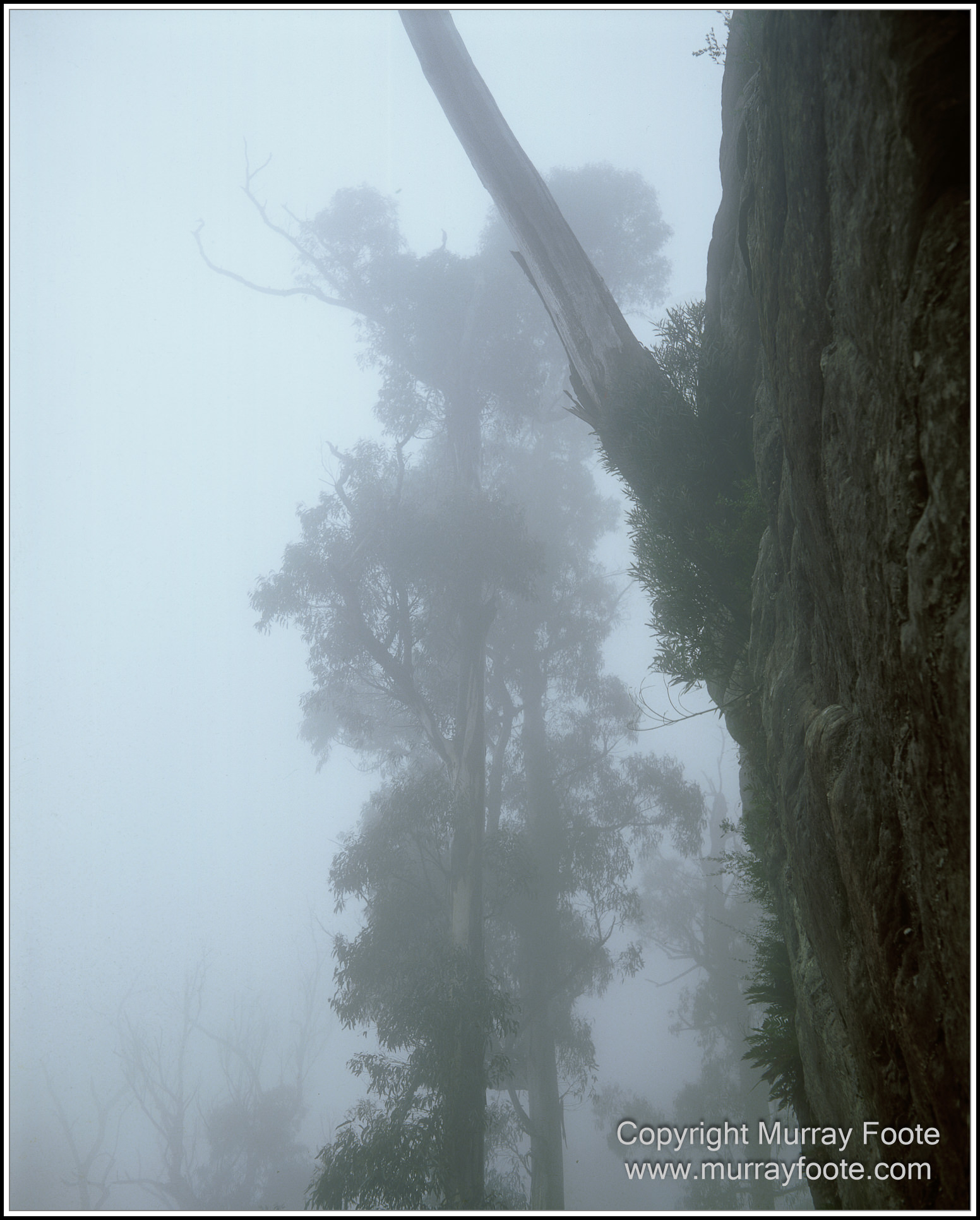
South end of a camping cave, Mt Haughton, the Budawangs, maybe 1985.
This was one of my earliest 5×4 exposures and I was using a borrowed Linhof Technica camera, before I bought my own gear.
I was walking with a friend when the weather closed in. He kept wanting to bivouac where we were but I knew there was shelter ahead. We stayed the whole of the next day in the camping cave because there seemed little point to move out. It was a huge cliff overhang and we had a very large dry area. I was able to move around and take photographs of the wild weather beyond.
.
.
.
.
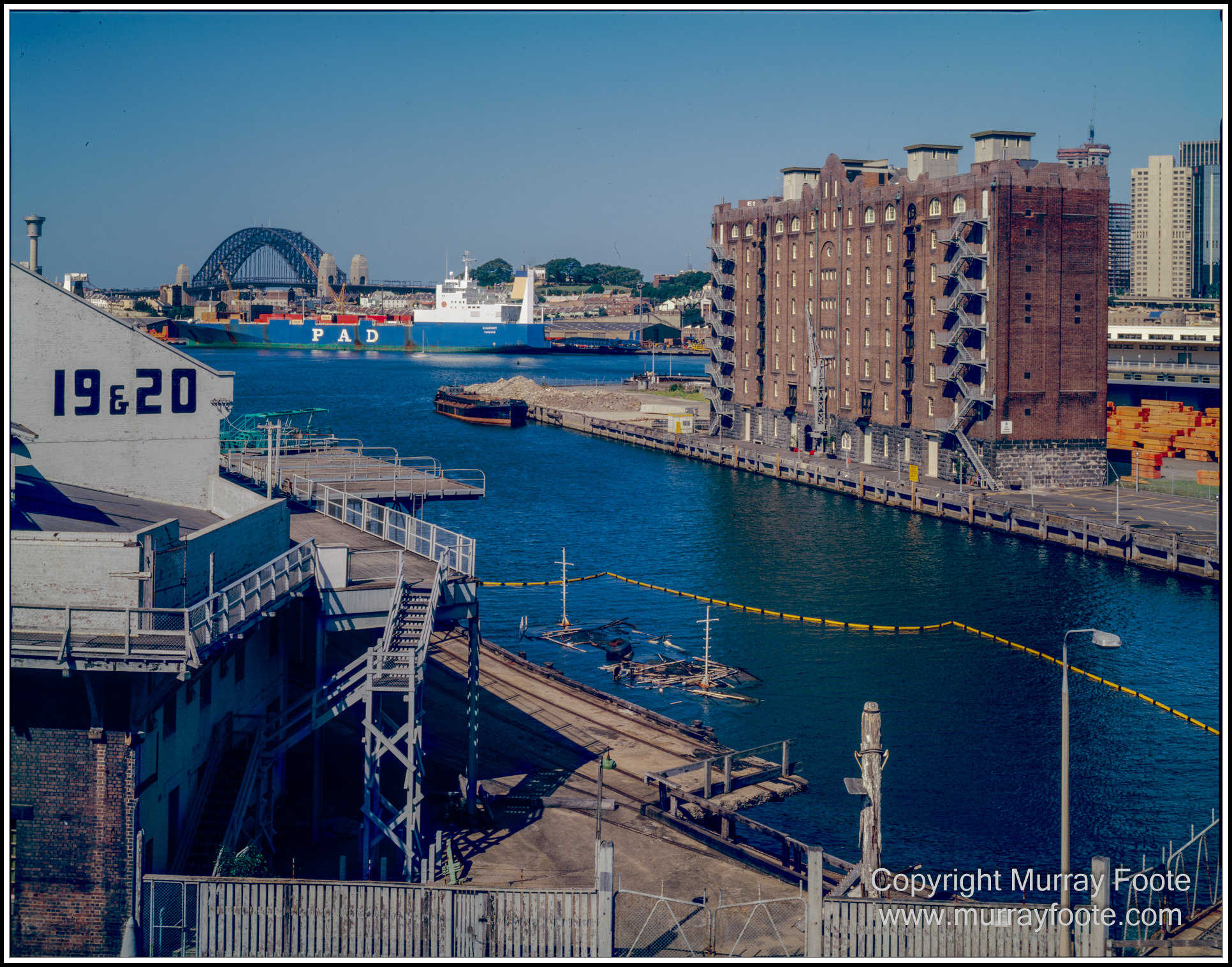
19&20 buliding and Jones Bay, Ultimo, mid 1980s.
Note the sunken boat with a floating barrier around it so that other boats don’t come in and crash into it resulting in a whole inlet of protruding masts. Note also the section of the wharf that has fallen into the harbour. The building on the other side of the bay is a late-nineteenth century American-style warehouse. There is a yellow sign in front of it and because it is large format (5×4), it is possible to read the sign, though you won’t be able to do so from the web image, even if you click on it: “Notice. No vessel may approach within 30m of this point. Offenders will be prosecuted”. Behind the moored cargo ship is the Harbour Bridge.
You’d think there would have been a heritage conservation order taken out on all you see, but no, the view has changed. The sunken boat and barrier is no longer there and the wharf has been repaired. The 19&20 building has a structure in front of it, perhaps a viewing platform, labelled Jones Bay Wharf. The barge has gone and the pile of rubble beside is has been replaced by a new building. Incredibly, the moored ship is no longer there after forty years, but the Harbour Bridge is. The 19th century building is still there but about half a kilometre behind it to the left is now the modernistic Crown Tower associated with the Crown Casino, a symbol of modern decadence and corruption..
.
.
.
.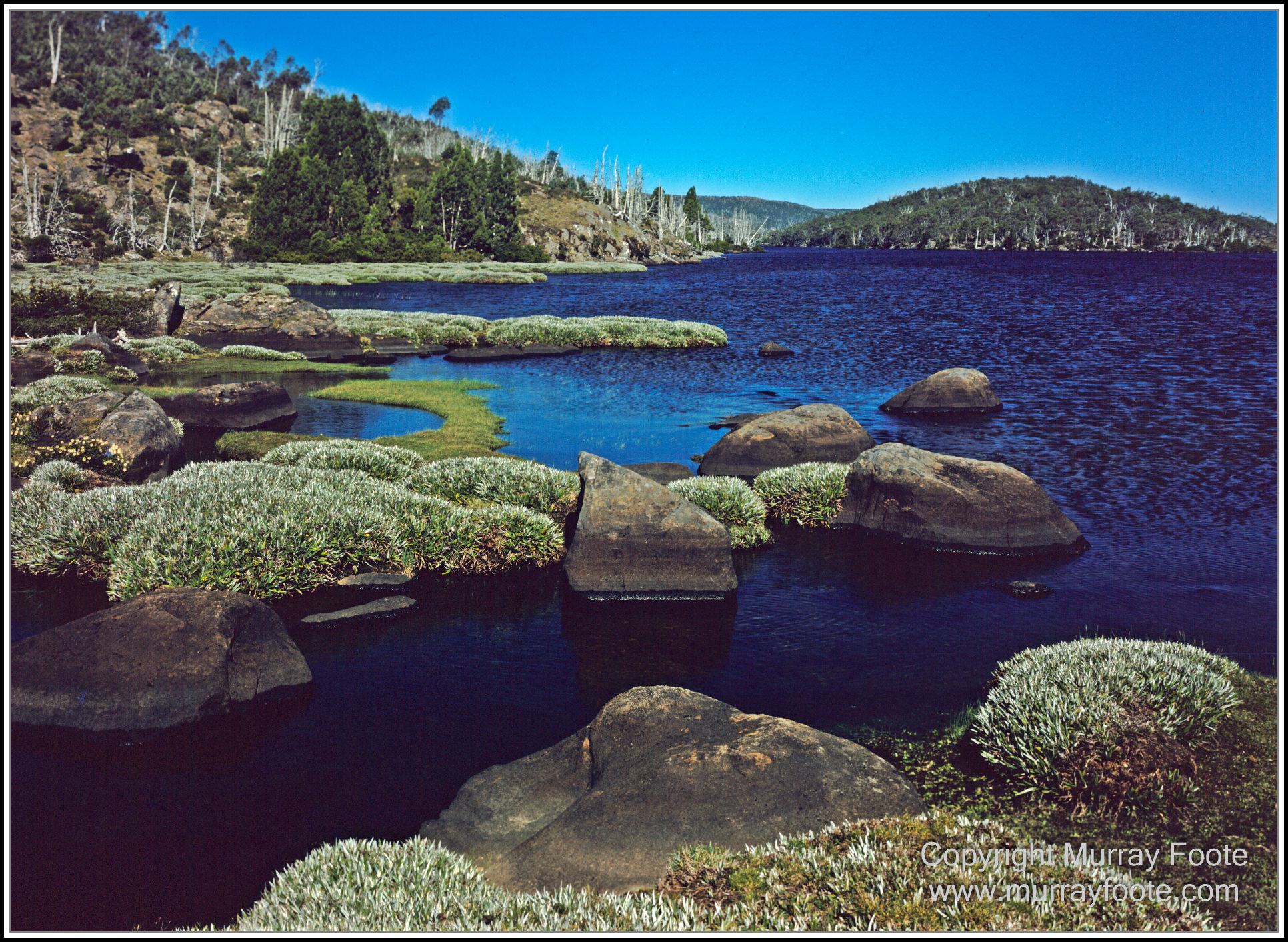
Walls of Jerusalem National Park, Tasmania, mid-1980s (Nagaoka field camera).
.
.
.
.
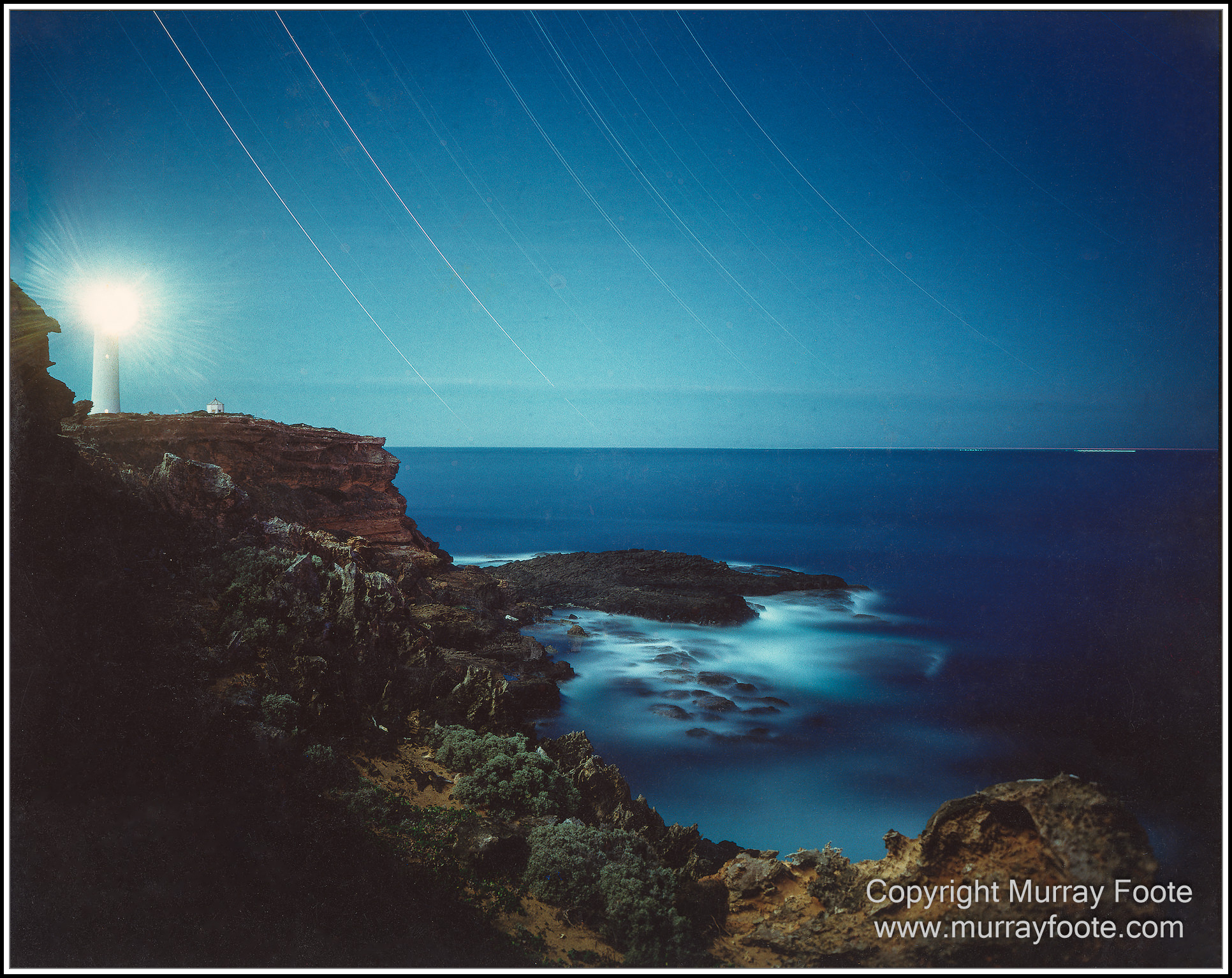
Cape Nelson Lighthouse by night, 1987.
Arca-Swiss 5×4″ monorail camera, 90mm Linhof Angulon, f6.8, 4 hours, Fujichrome 50.
I set up the camera and tripod on a ledge just below the top of a cliff, walked away to the lighthouse cottage near the lighthouse, had dinner, and returned four hours later. Star trail streaks are one thing that works better on film than digital. Lights on the horizon are ships waiting to enter the nearby port of Portland.
(When I came back to the Department many years later and arranged to scan the images, I found this slide was missing. They had lent it to someone, not kept a record, and it never came back. I was able to scan this from a Cibachrome print I had made, still high resolution.)
.
.
.
.
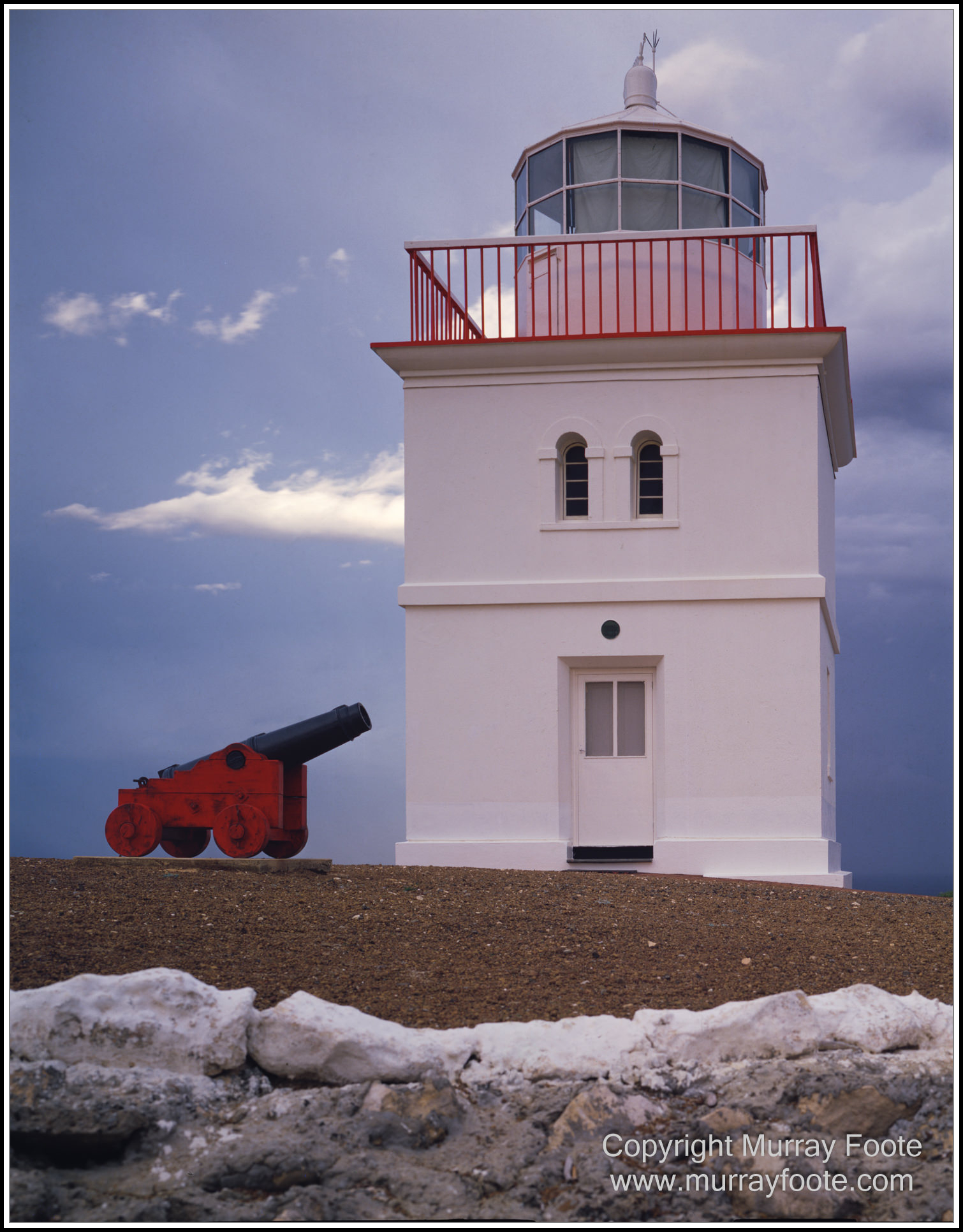
Cape Borda Lighthouse and Cannon, Kangaroo Island, 7:15am 4 May 1987.
Arca Swiss Monorail 5×4″, 150mm Linhof Schneider Technika Symmar, f16, 2 seconds, Fujichrome 50.
View cameras have adjustable front and rear standards. You can use rise and fall to correct perspective, as I did here from my viewpoint below the lighthouse. Otherwise the walls of the lighthouse would converge. These days, though tilt-shift lens exist, you would probably compose with extra room and correct verticals in post-production.
Another thing you have on view cameras is tilt. Normally you focus at a plane parallel to the camera, so at a particular distance. But with tilt you can change the angle of the plane you focus around, potentially around flat ground for a seemingly infinite depth of field. Focus bracketing is a partial counterpart to this.
.
.
.
.
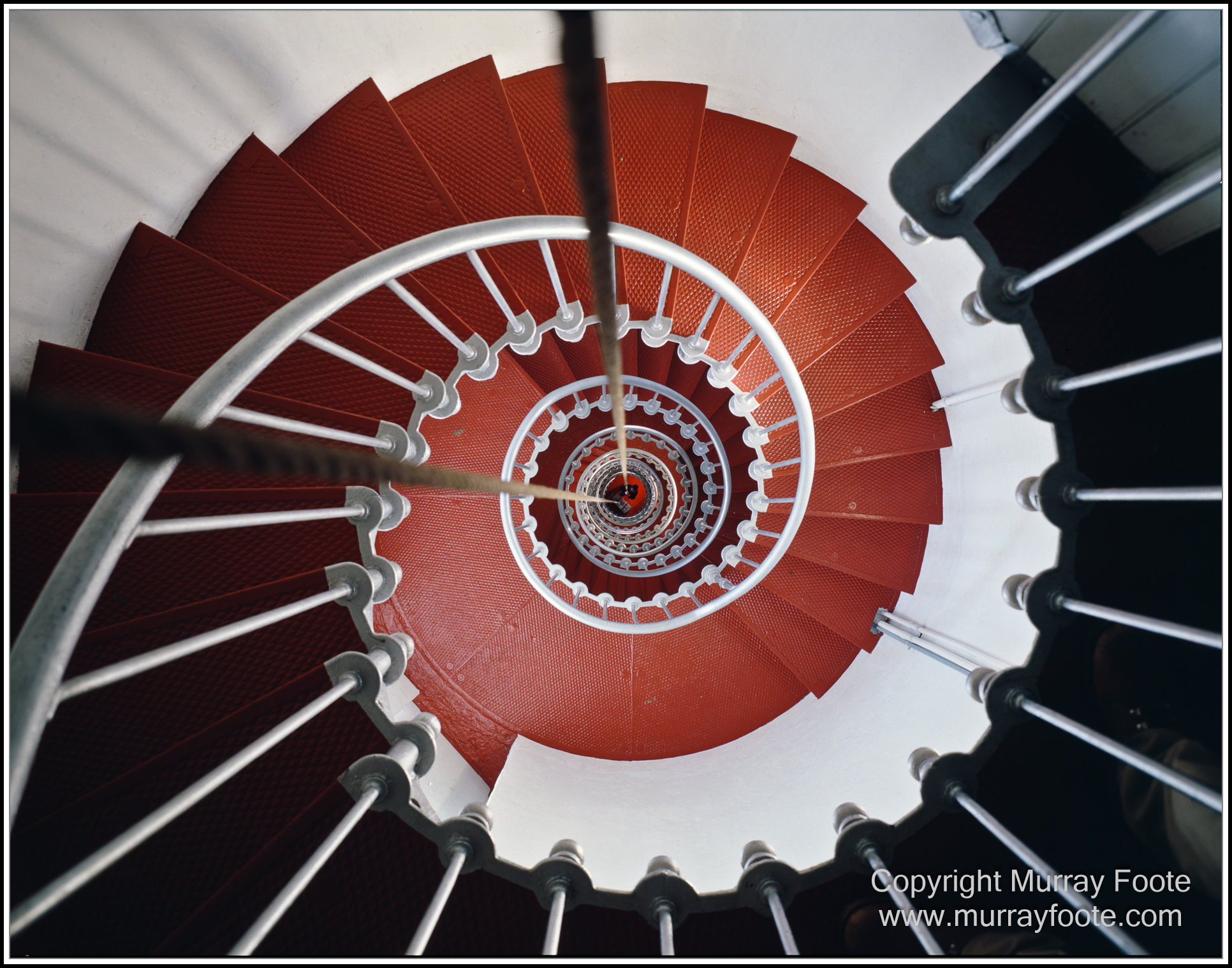
Looking down Point Hicks stairwell to keeper on pulley, 17 July 1987.
Arca-Swiss 5×4″ monorail camera, 90mm Schneider Super Angulon, Fujichrome 50.
Here I was looking straight down the tower of the tallest lighthouse in Australia, with the keeper pretending to pull a case on a pulley up past me. I had tied the tripod to the railings and got the keeper to hang a sheet over a window next level down that was admitting too much light. The lens was facing down in the exact centre of the tower. There are no lighthouse keepers any more. All the lights were automated in I think 1991, except Maatsuyker Island off the south west tip of Tasmania, where the keepers held on for a few more years at the request of local fishing boats.
.
.
.
.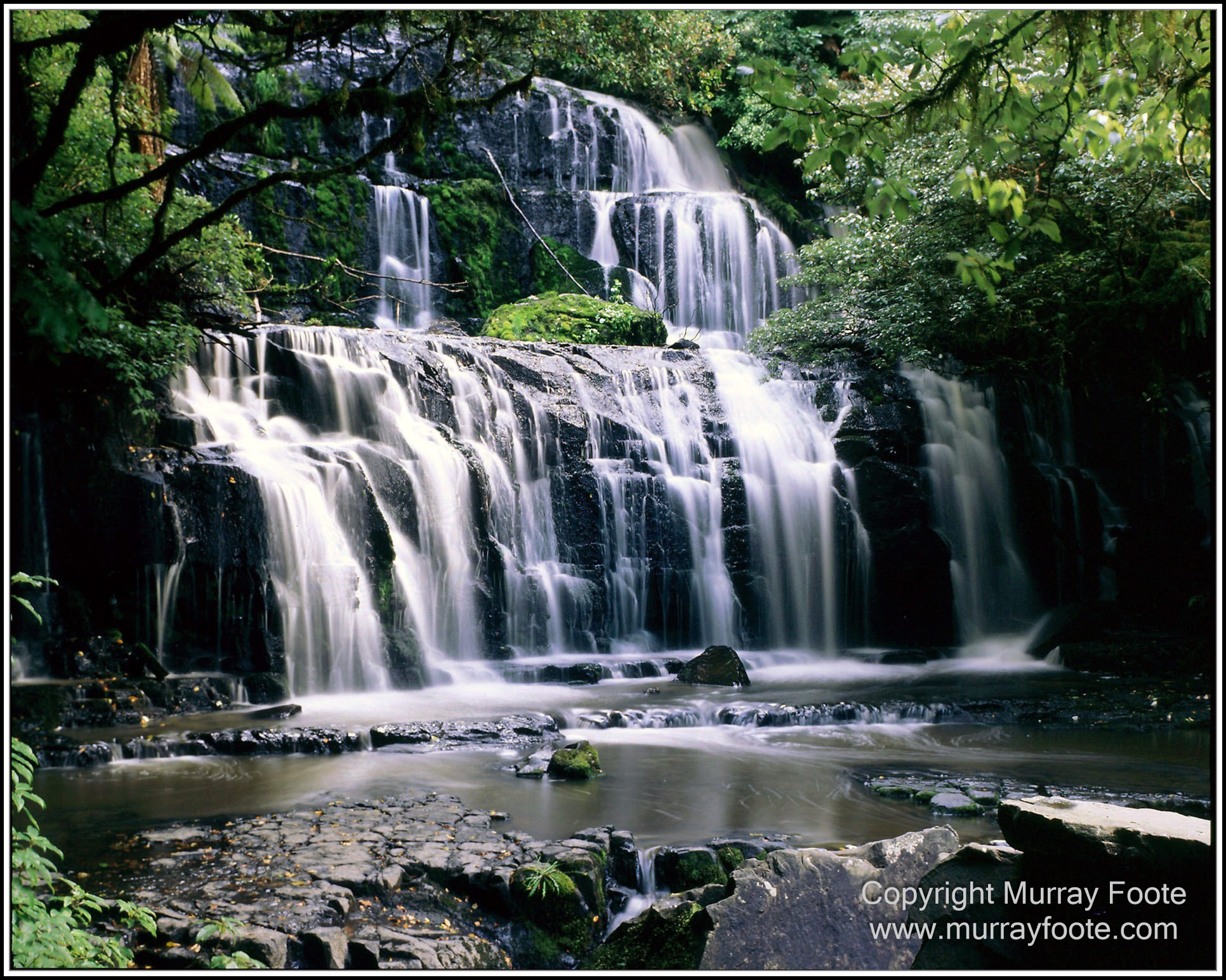
Purakanui Falls, Caitlins, Otago, New Zealand, 2004.
.
.
.
.
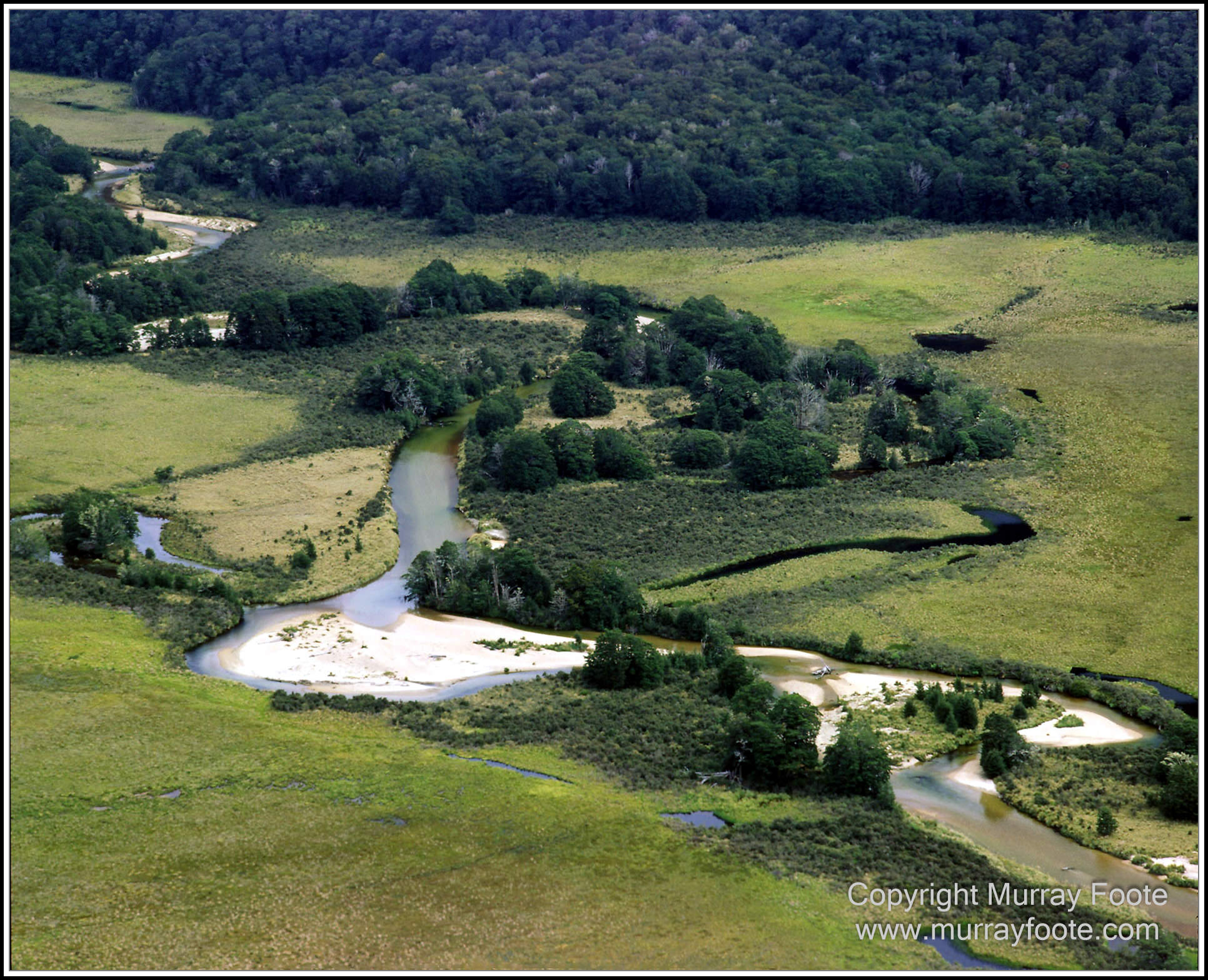
Valley View, probably somewhere near Green Lake, south of Manapouri, Southland, New Zealand, 2004.
.
.
.
.
7×6 and 16×9
No images to show here. the vast majority of my film images remain unscanned and I’m not sure what I have. I did use a 7×6 roll film back on my 5×4 cameras but I can’t find any images I have scanned. I did also pick up an Ensign folding 6×9 camera, probably from the 1930s, but I was disappointed with the quality and probably only put the one roll of film through it.
.
.
.
.
Widelux.
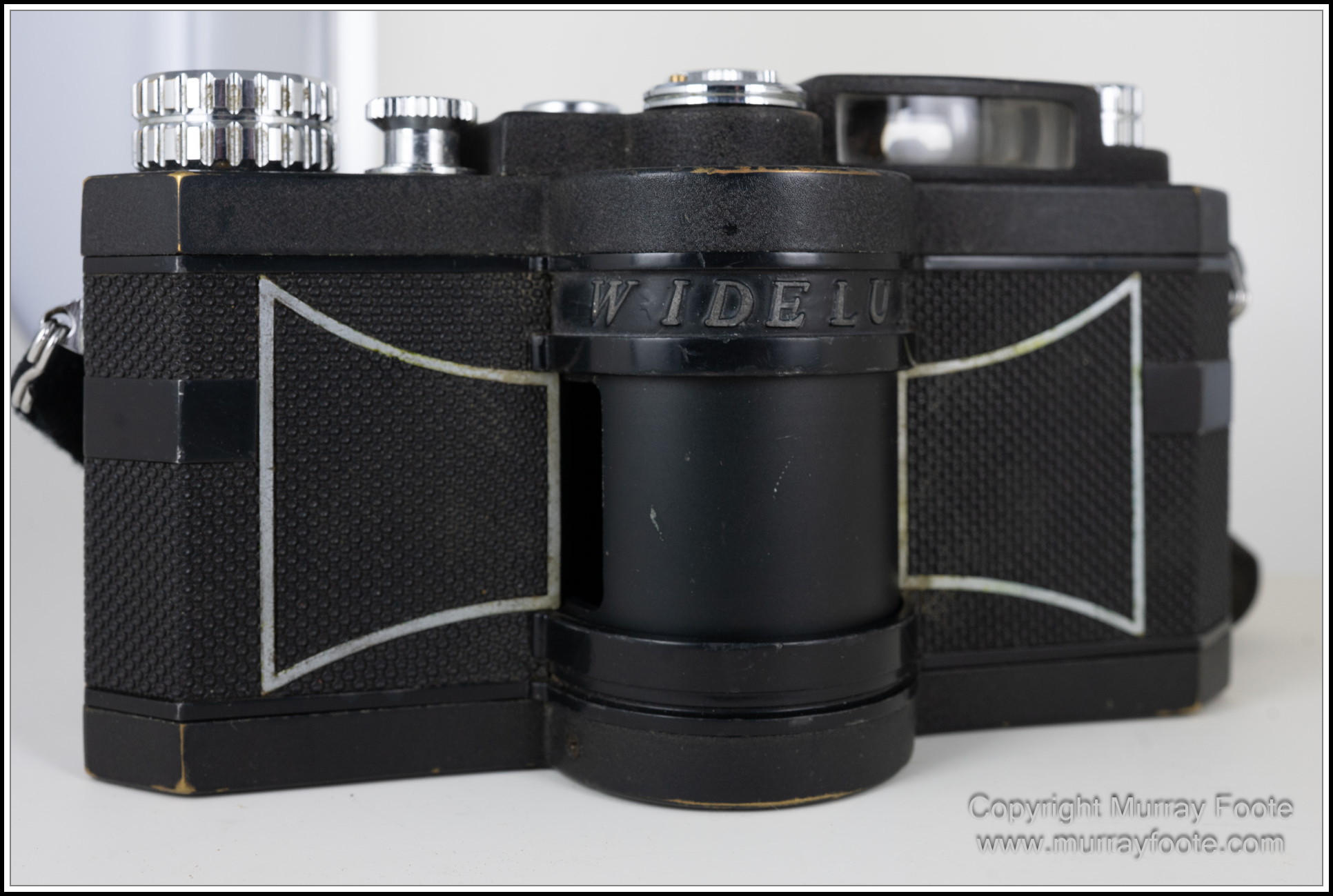
Widelux F7, rotating-lens panorama camera. The opening for the lens is at the left of the central cylinder, though the lens itself is just out of view.
.
.
.
. 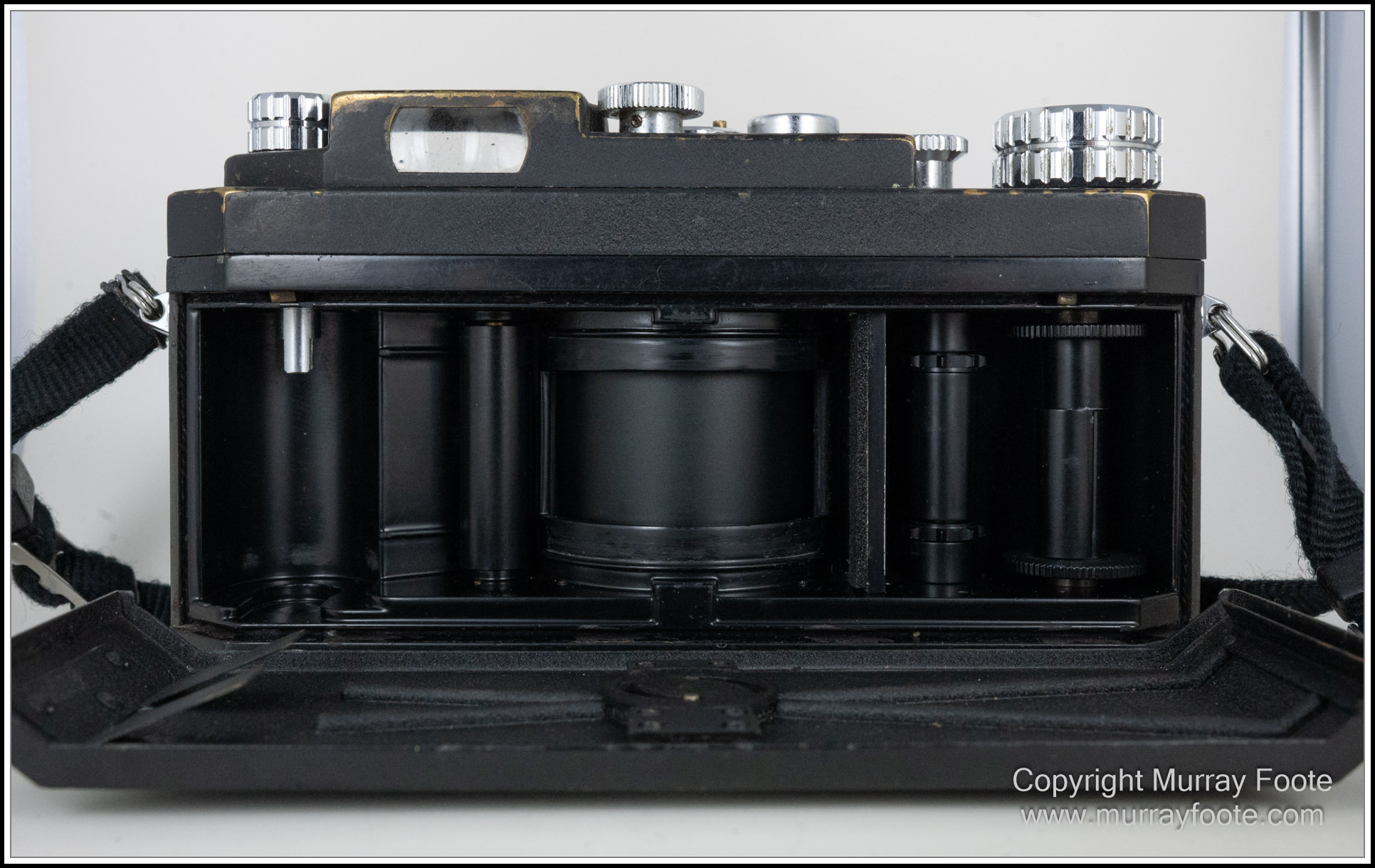
View from the back when open. The film wrapped around the back of the cylinder, exposed by a rotating slit that you can’t currently see.
.
The Widelux is quite different from the X-Pan though both are compact 35-mm panorama cameras with similar aspect ratios. The X-Pan has three lenses and can also shoot non-pano. Its widest lens has an angle of view of 97°, whereas the Widelux comes with a fixed lens and film plane that curves around the lens, which itself rotates, and has an angle of view of 130°. The Widelux has three shutter speeds of 1/15, 1/125 and 1/250. It exposes the film by a slit behind the lens letting light through. At the shutter speed of 1/15, the lens takes a second or two to traverse. If anything is moving close to the camera, it is either stretched or compressed. I have taken images that show that but don’t have any to show you because I haven’t scanned them.
Here are a few images:
. 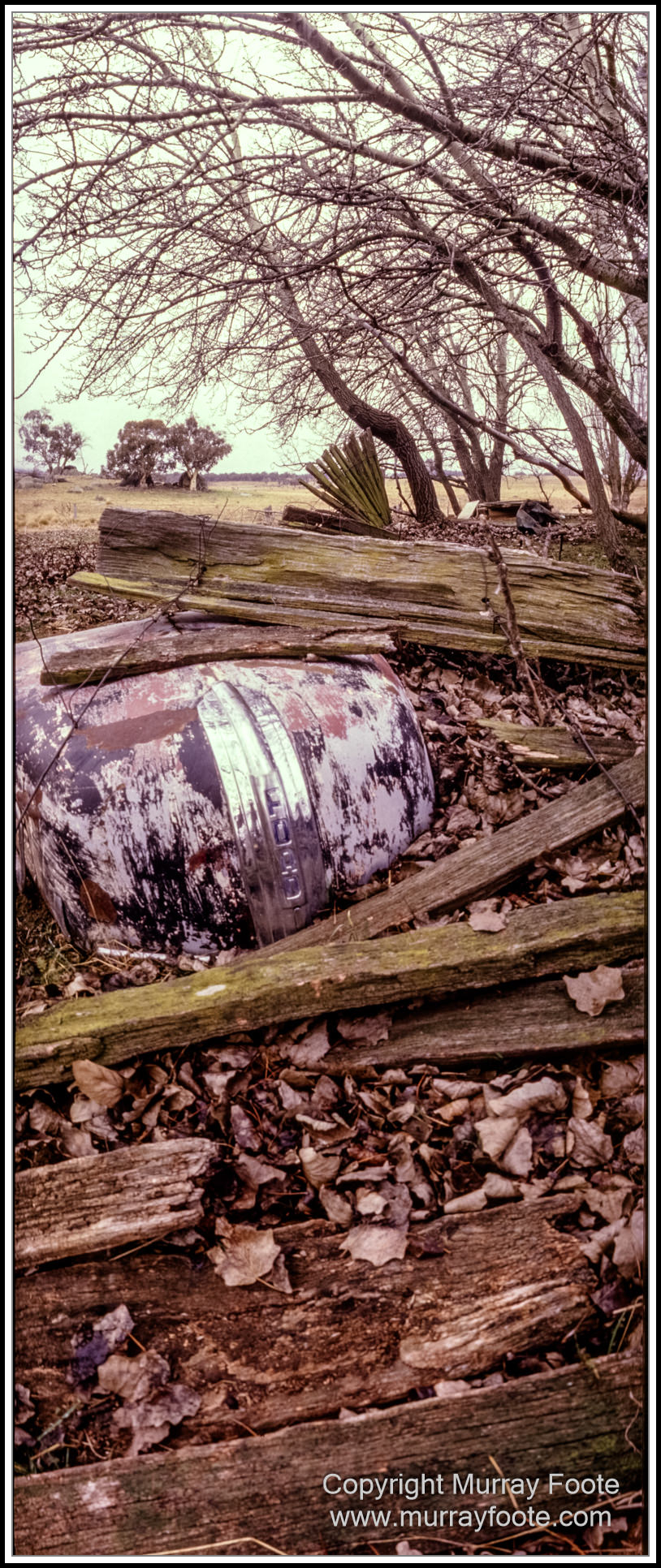
Excursion at Shannon’s Flat with Attila Kiraly, just over ACT border in NSW, 1984.
.
.
.
.
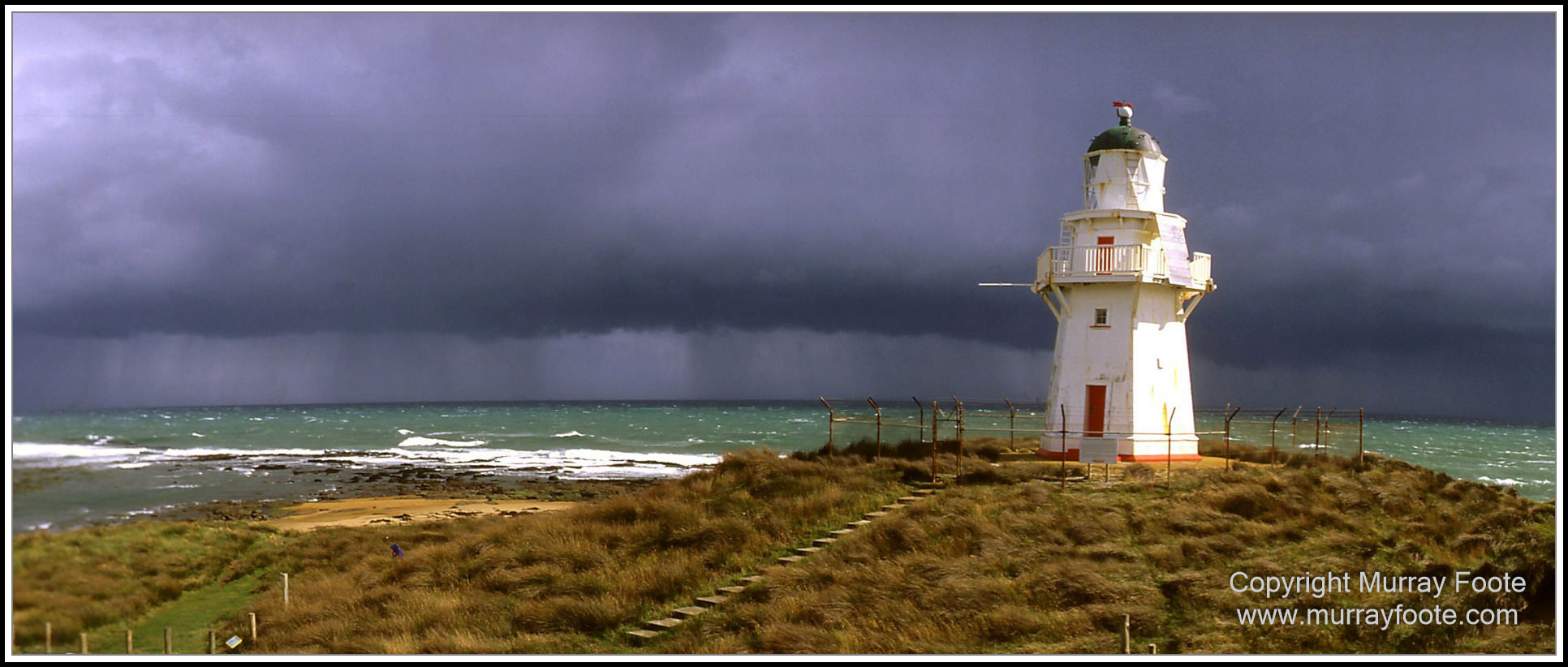
Nugget Point Lighthouse, Caitlins, Otago, New Zealand, 2004.
.
.
.
.
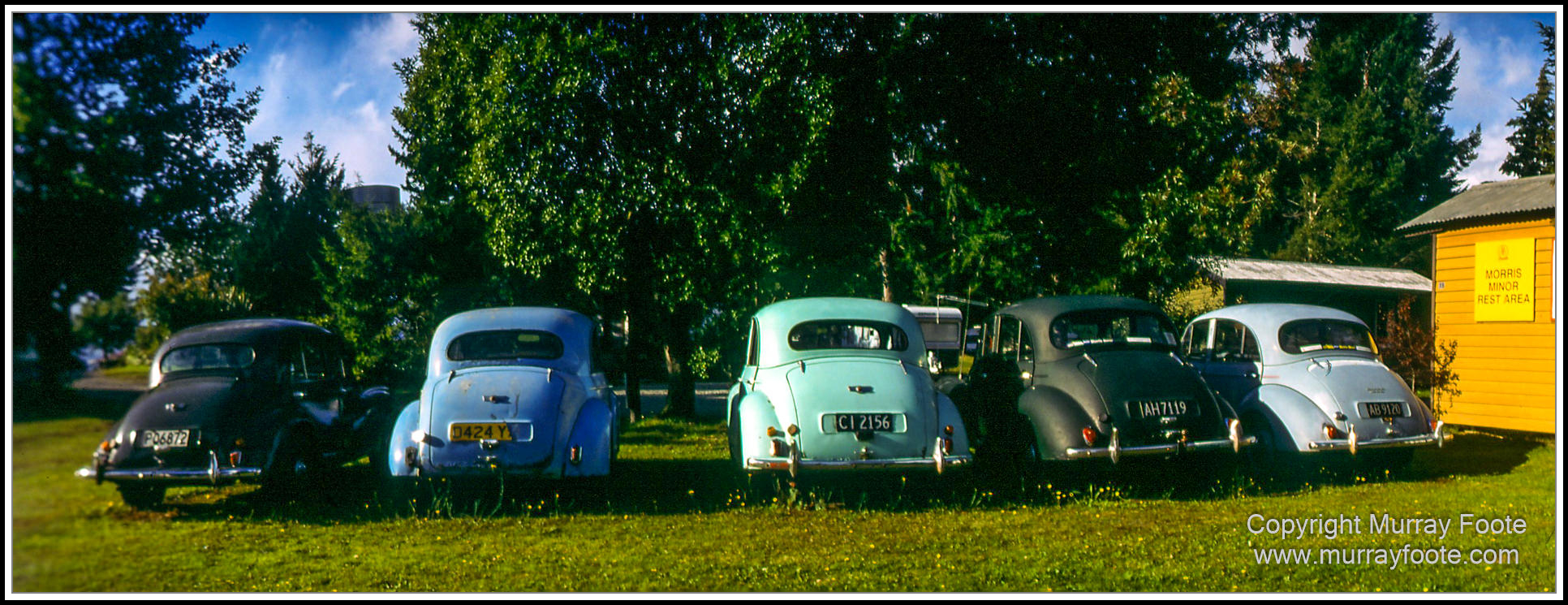
Morris Minor Rest Area, probably near Manapouri or Te Anau, Southland, 2004.
.
.
.
.
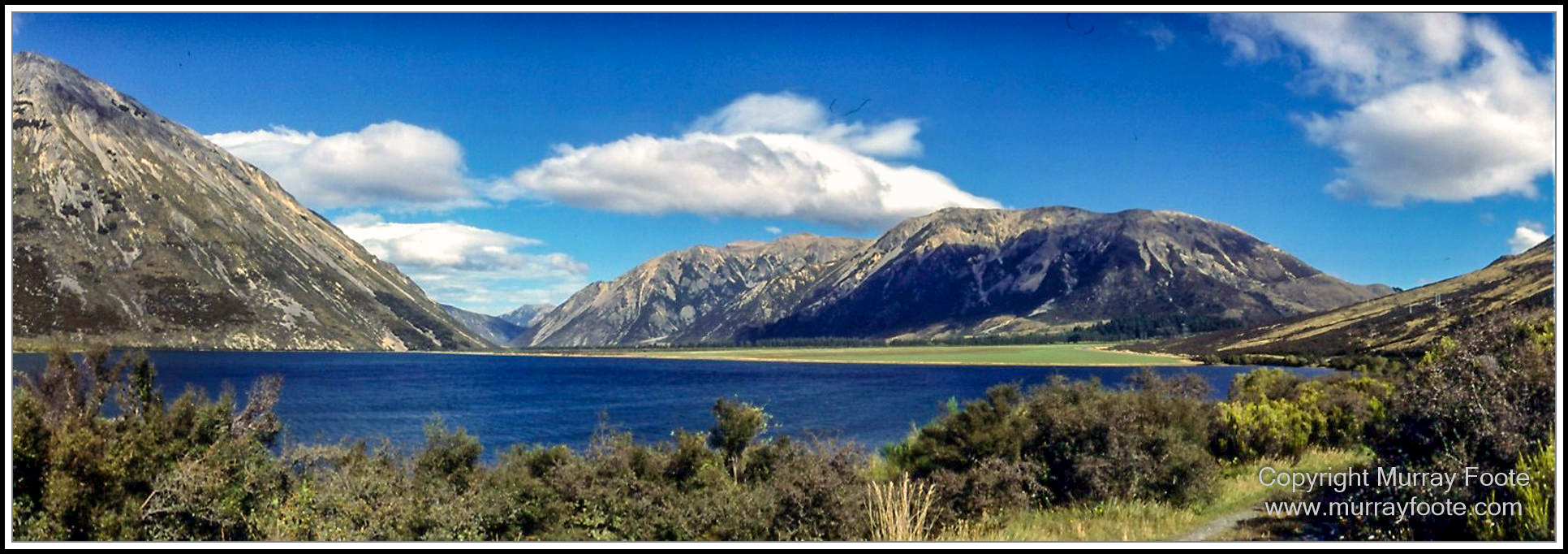
Somewhere near Arthur’s Pass, perhaps Lake Pearson, Canterbury, New Zealand, 2004.
.
.
.
.
6×17.
 .
.
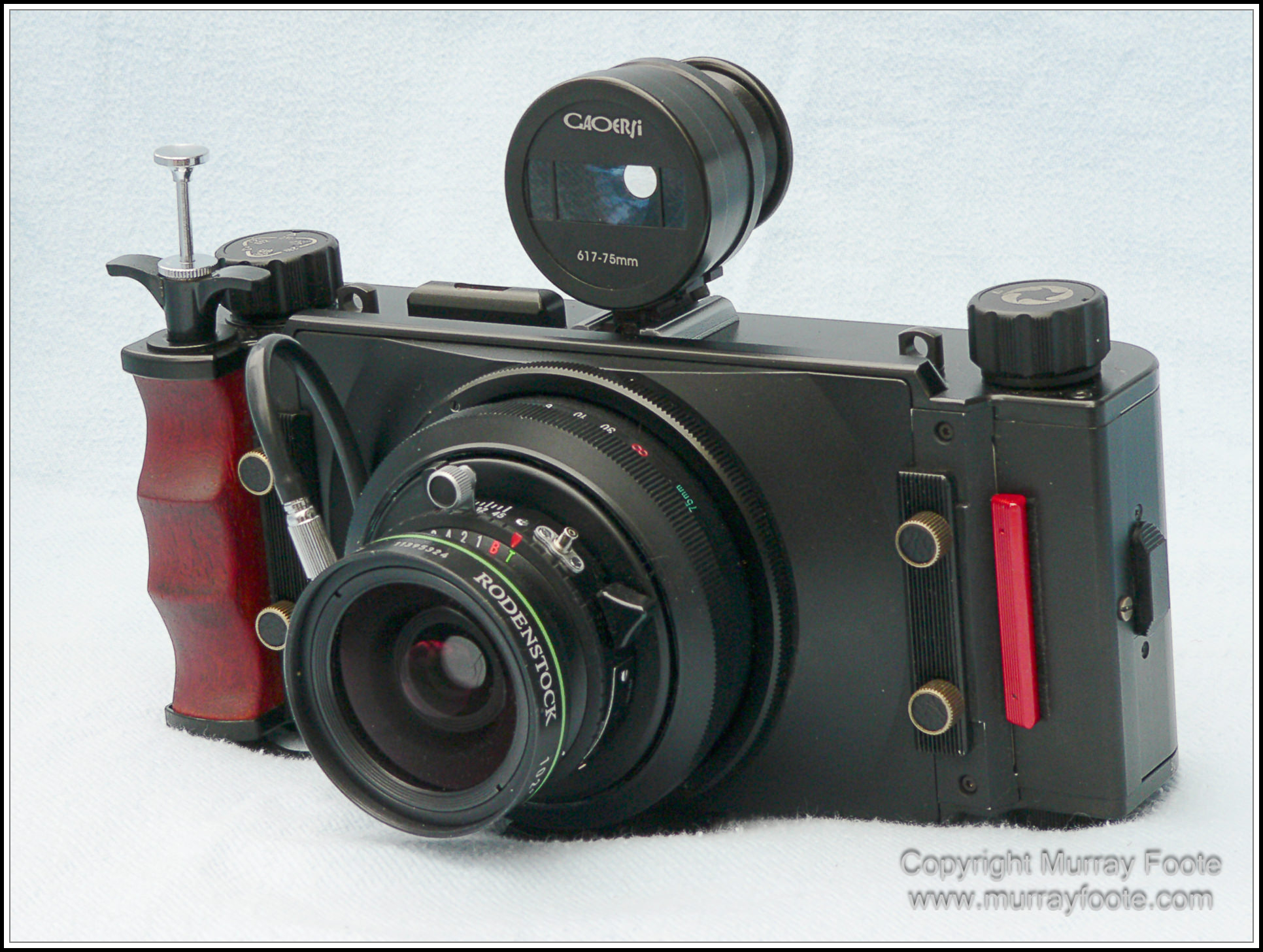
Gaoersi 6×17 camera with Rodenstock 72mm lens (120 film, 6×17, 6×15 or 6×12 aspect ratio).
The Fuji GFX100RF can produce a 6×17 image at 49mp.
A few images, probably all from 2007:.
.
.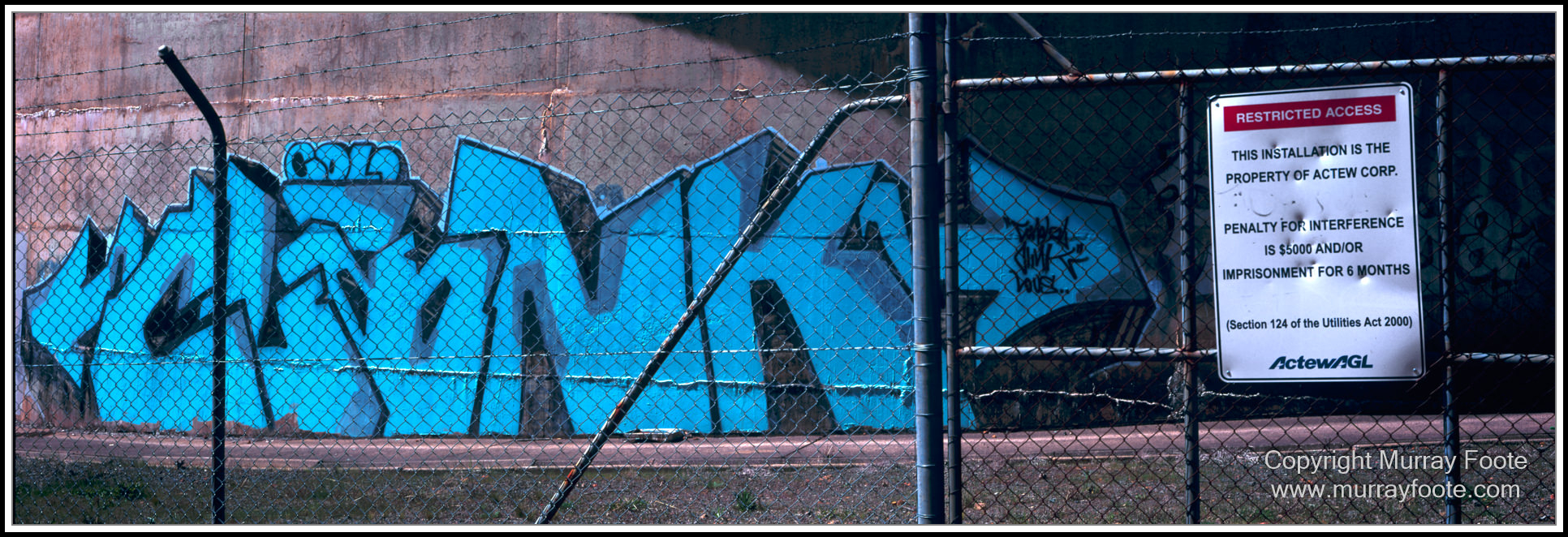
Out the back from where I live. Clearly no-one would ignore that sign and climb the fence.
.
.
.
. 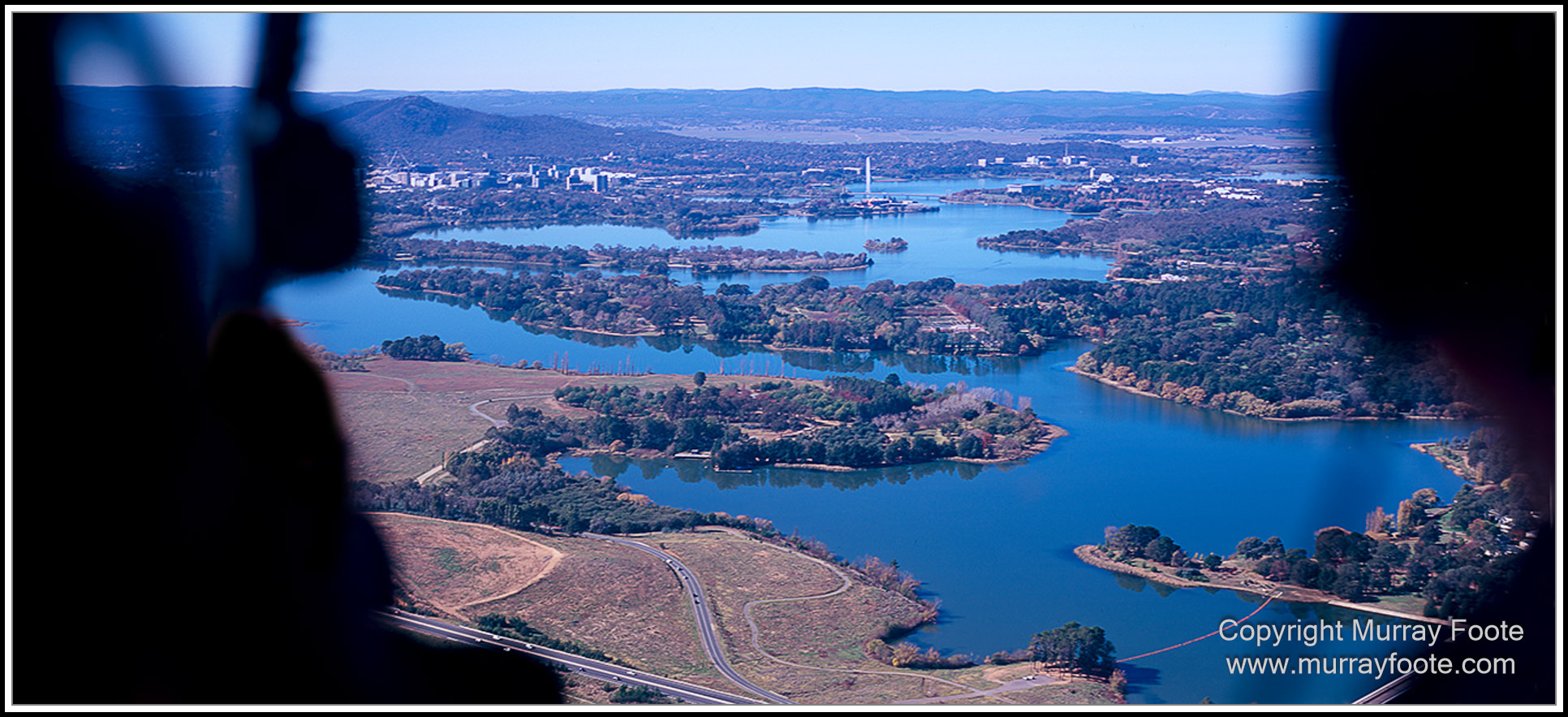
A view of Canberra from a helicopter.
.
.
.
.
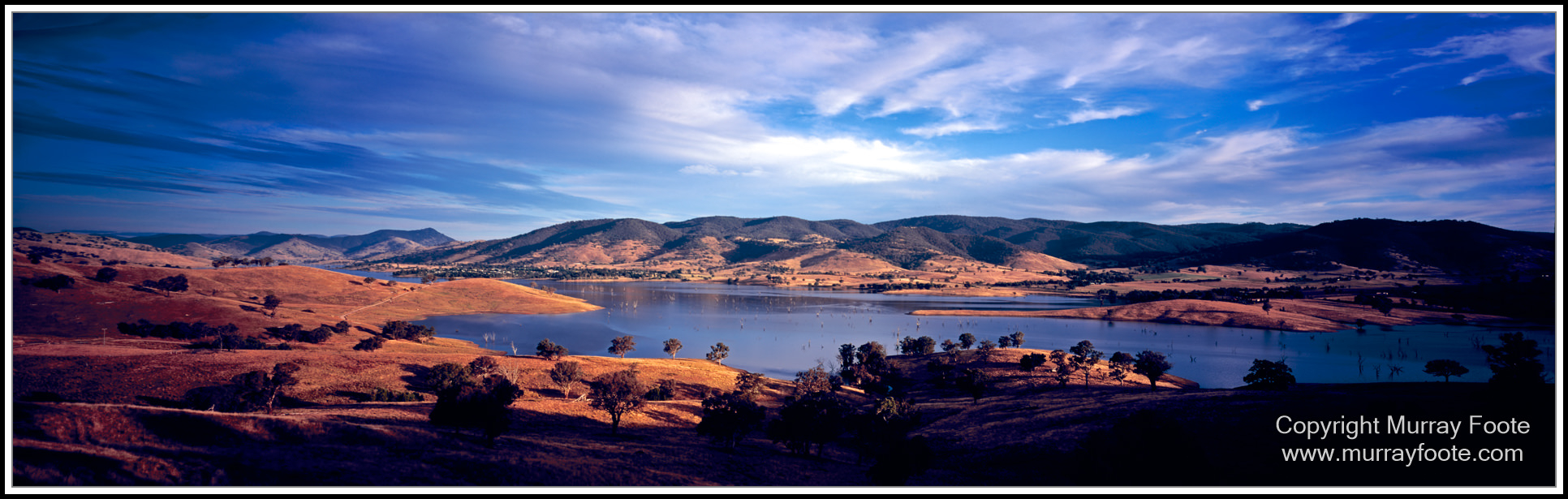
Lake Talangatta, near Albury-Wodonga, unusually full.
.
.
.
. 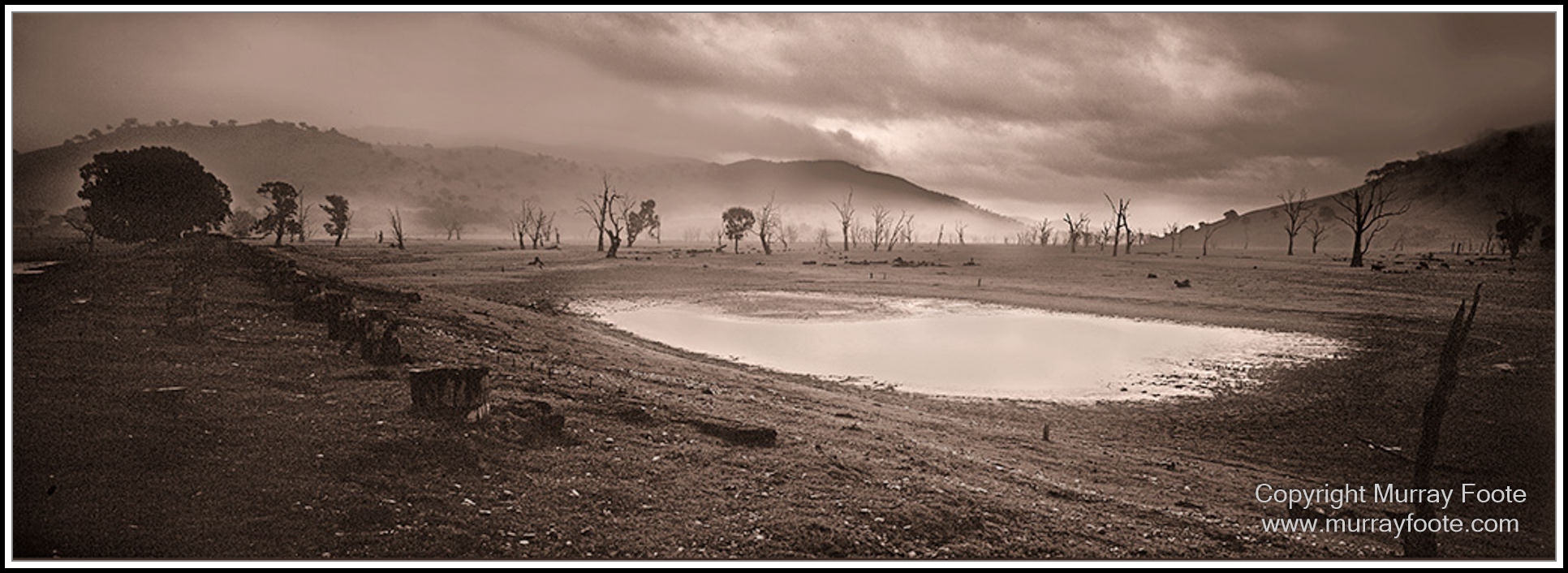
Lake Talangatta. Wooden pilings from an old railway line on the left.
.
.
.
.
In Essence
If you have an identical photographic experience to me, or other appropriate experience, you might also be interested in the RF. If you’re merely wanting to post casual images online like you do from your phone, maybe not so much. In the same way as that this post may not appeal to many people who just want to glance at an image and scroll by, this is not a camera for everyone.
With sustained application and thought, I am hoping it will merge well with my skill sets and experience. Ultimately, it’s all about the images. Vision, contemplation, putting in the hours and living well remain more important than equipment.
.
 Murray Foote