Kangaroo Island, South Australia, 6 July 2024.
(Recent Posts, Top Posts, Subscribe and Search at bottom of page. Clicking image doubles size (on PC). Trip summary and posts . ..)
.
We are taking a sunset tour at the Hanson Bay Wildlife Sanctuary with Keira and (I think) Patrick. Until nearly thirty years ago there was a farm here and it is slowly returning to bush as a wildlife sanctuary.
.
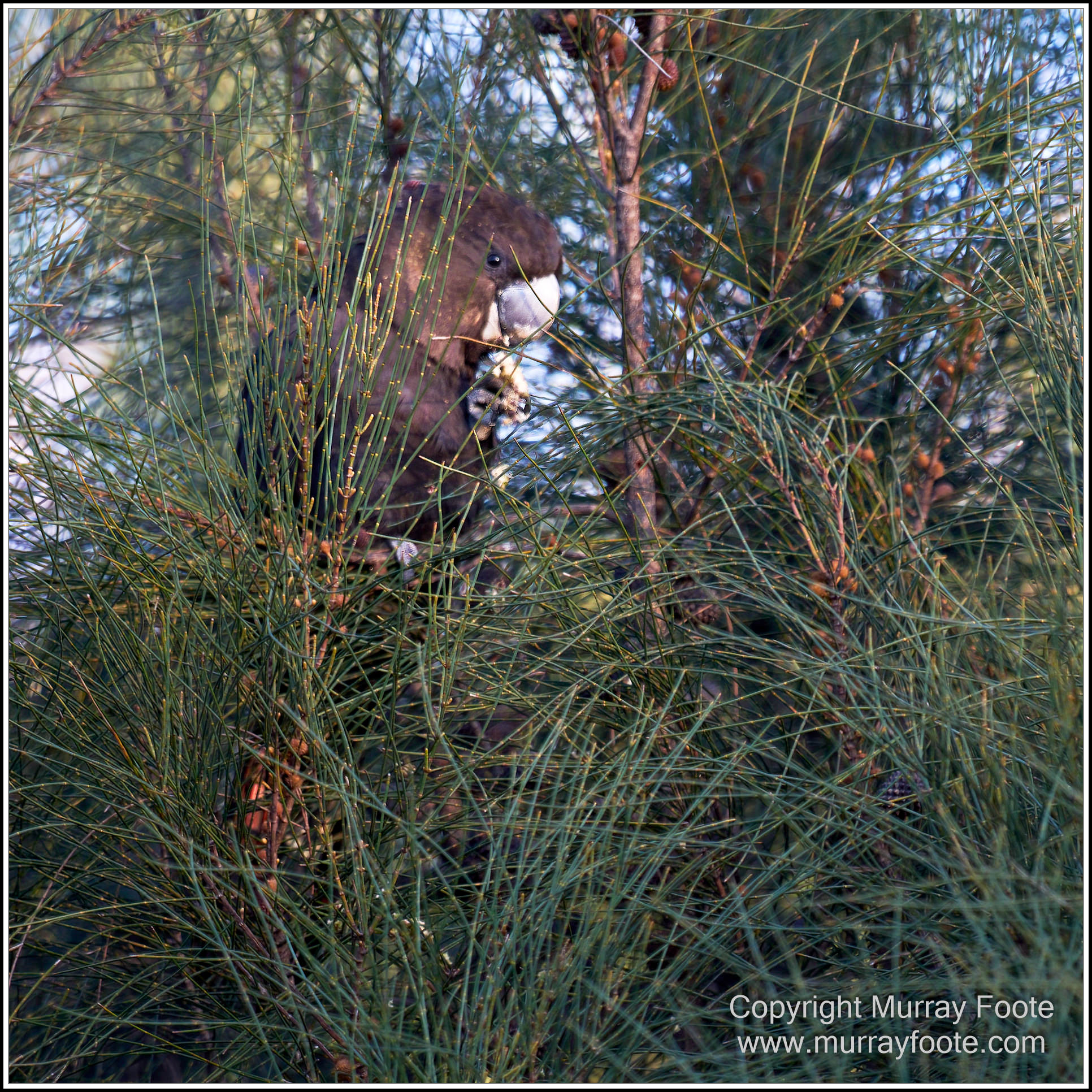
Glossy Black Cockatoo.
The Glossy Black Cockatoo is an endangered species only found on Kangaroo island. They were particularly affected by the fires of 2020 that burned nearly half the island.
Sorry, he’s not quite in focus and I should have switched to manual focus. This is a male and you can see a glimpse of the red tail feathers trough the foliage.
.
.
.
. 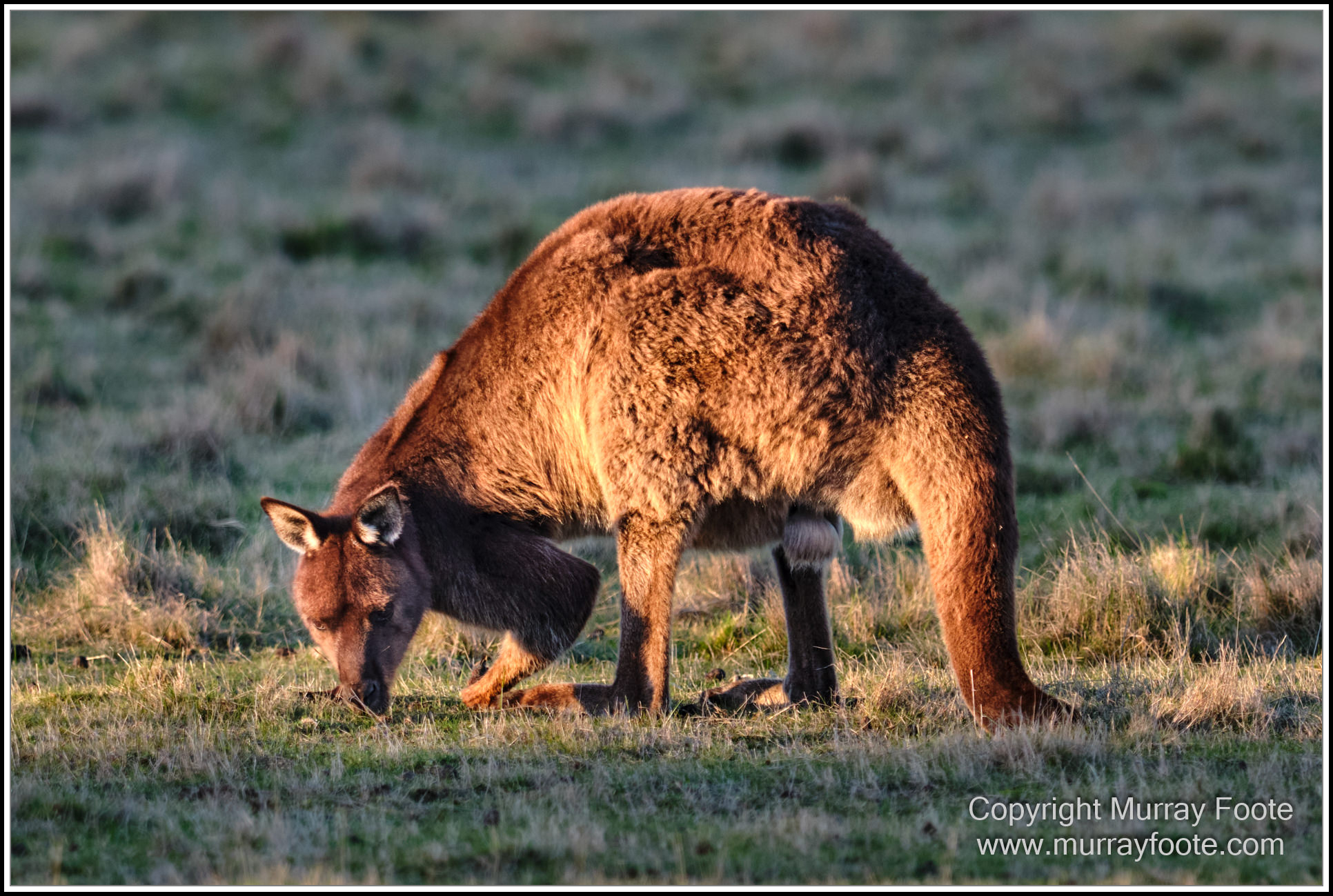
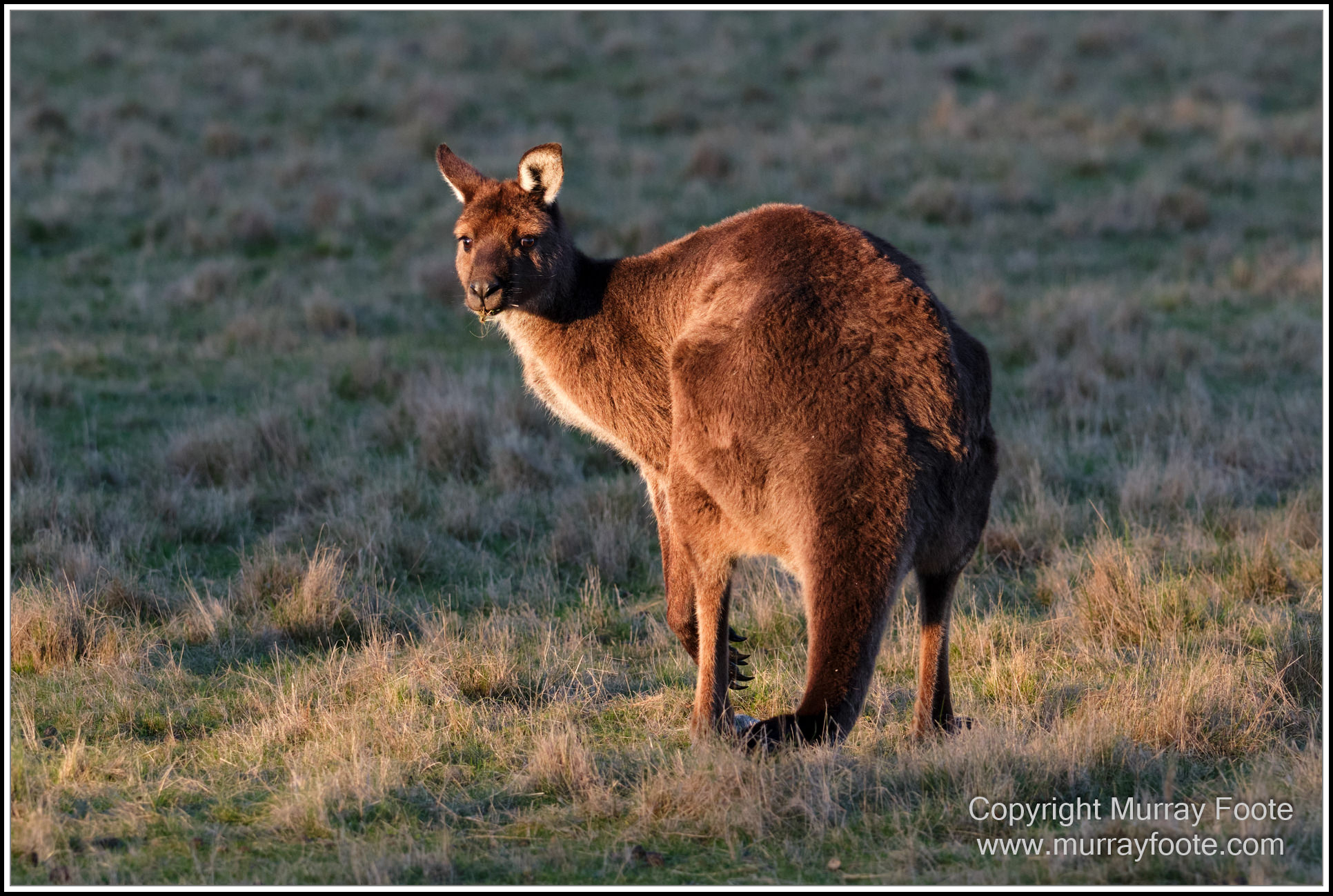
Kangaroo Island Kangaroo.
Kangaroo Island has been separated from the mainland for about 10,000 years, long enough for these kangaroos to become a separate subspecies of the Western Grey Kangaroo. They are shorter and more heavily built with thicker, darker brown fur. They also have a broader head which you can see in this image if you are familiar with other kangaroos.
.
.
.
.  .
.
.
.
.  .
.
.
.
.  .
.
.
.
. 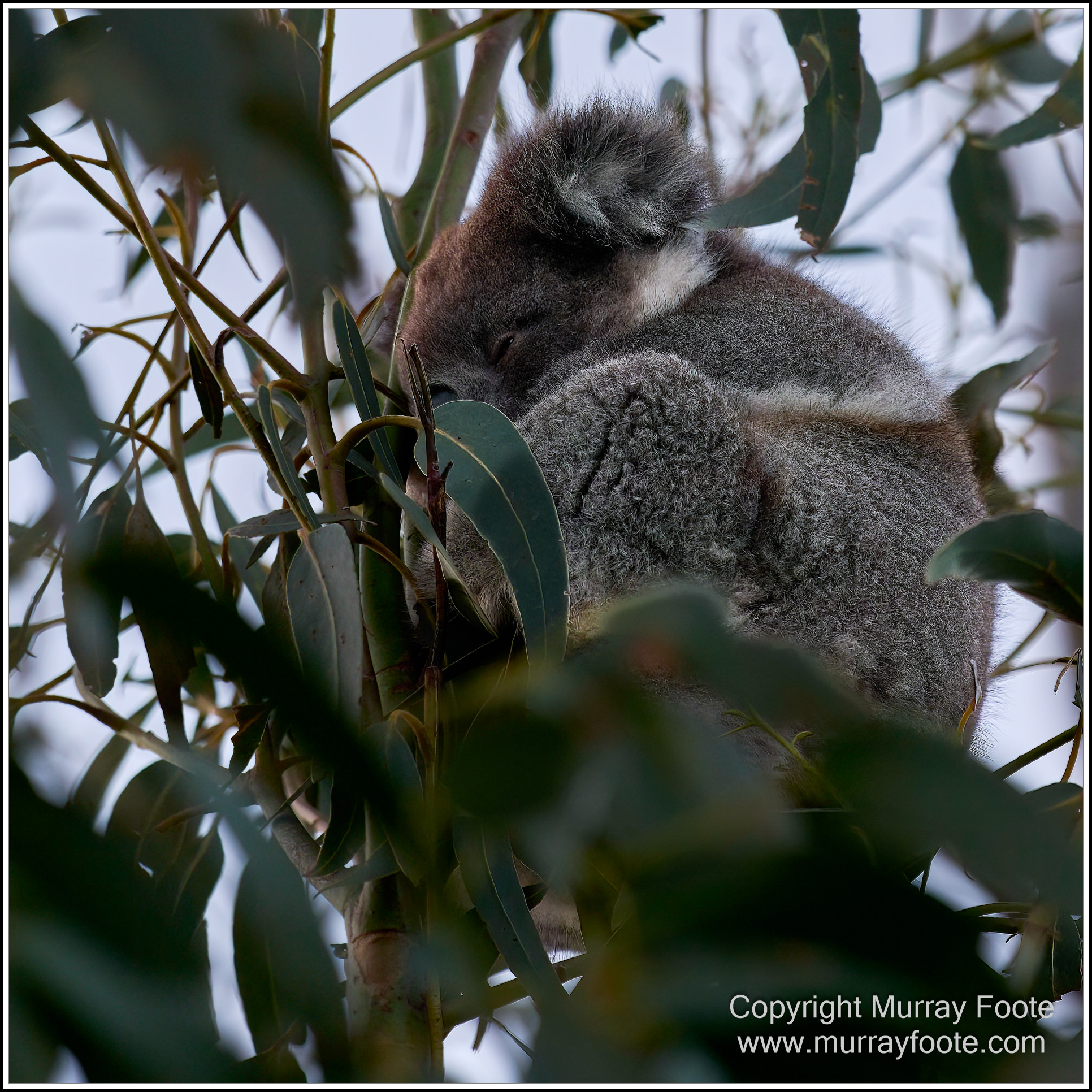
Koala.
Koalas were introduced to the island in the 1920s from South Australia due to declining populations on the mainland. Only a very small part of Kangaroo Island provides suitable habitat because they are quite specific as to the eucalypt leaves they eat. Compared to koalas in Queensland and New South Wales these are heavier and have longer fur and fluffier ears. They were also significantly affected by the bush fires. Nonetheless, it is impressive how quickly the bush is rebounding.
.
.
.
. 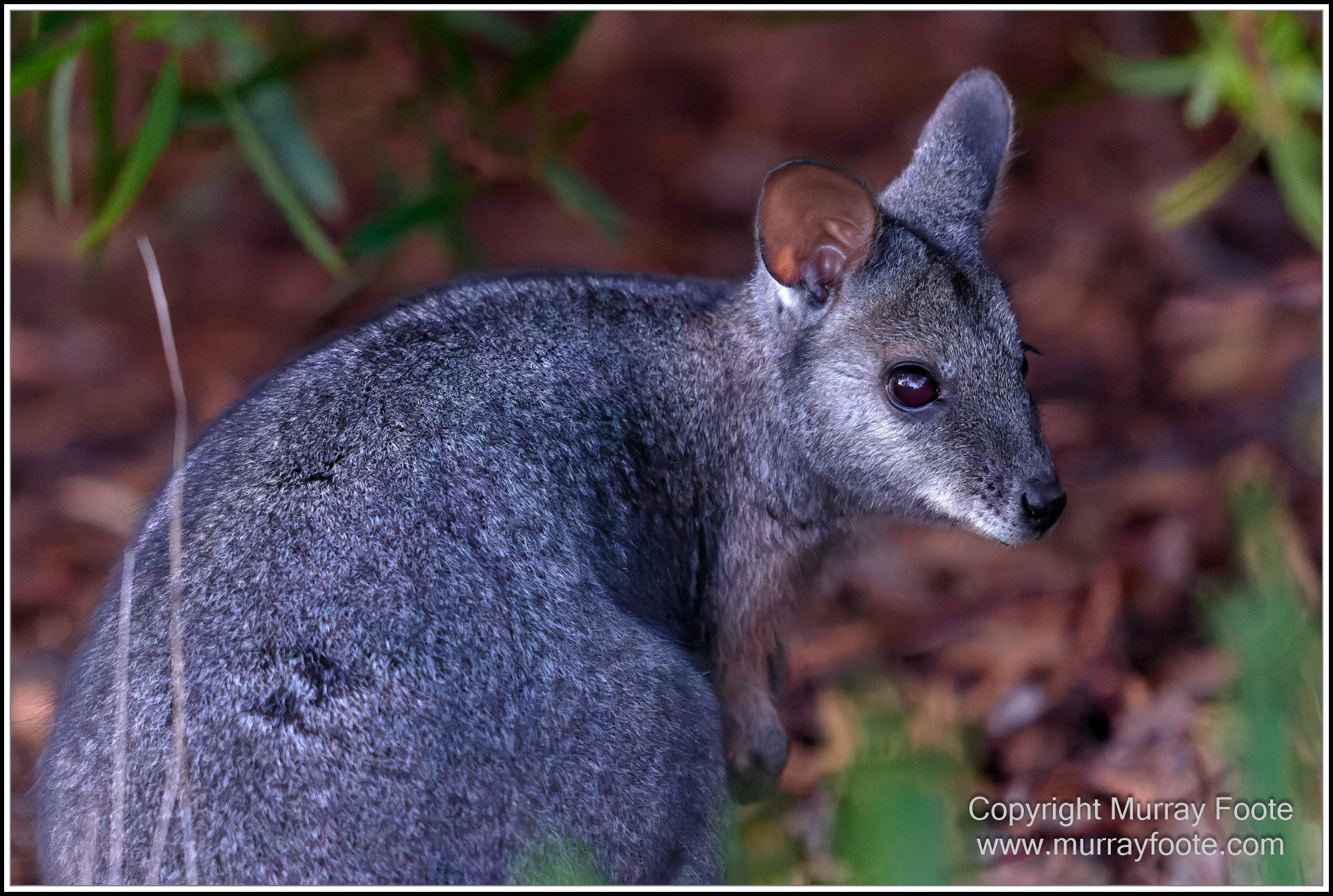
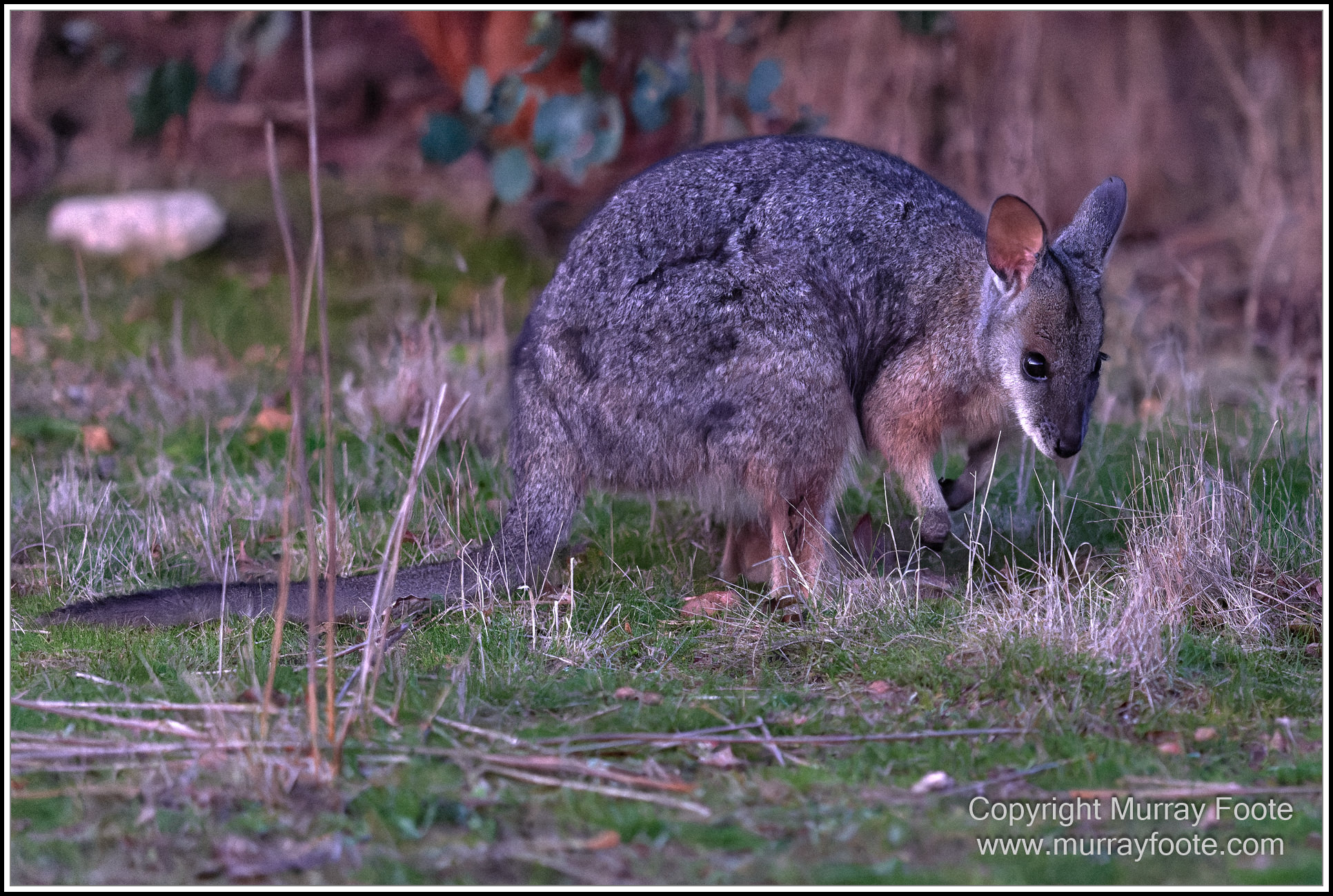
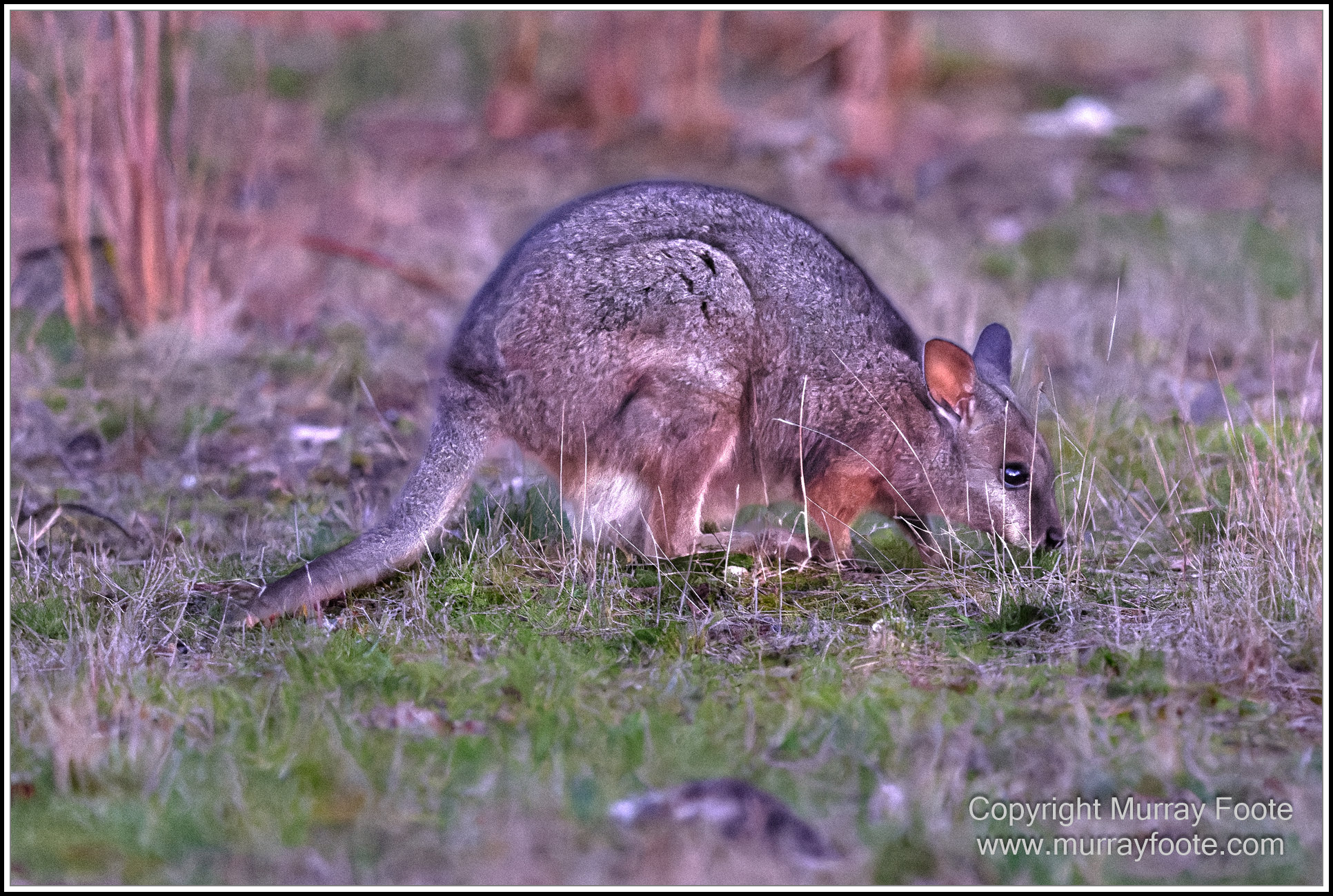
Tammar Wallaby.
Once widespread throughout Australia, tammar wallabies now have limited ranges in Kangaroo Island, South Australia, Western Australia and Tasmania although their conservation status is “of least concern”. There is also an introduced population in New Zealand. The Kangaroo Island population is the most numerous of these and differs subtly in head shape from those in Western Australia and Tasmania. It has limited colour vision confined to green and blue and is able to drink sea water..
All these images were taken with a Fujifilm X-T5 and 200mm f2 lens. I also used a 1.4x teleconverter for previous images but discarded it from this one. It was now forty minutes since the earlier kangaroo images and had got quite dark. I was hitting the maximum ISO sensitivity of 12,800, then having to underexpose by two or three stops and needing to crop. This resulted in heavy noise and loss of detail. These images are still far from perfect. They are OK for web display but limitations would show up on a large print. Nonetheless, the extent to which you can recover with modern noise reduction software is quite remarkable.
.
.
.
. 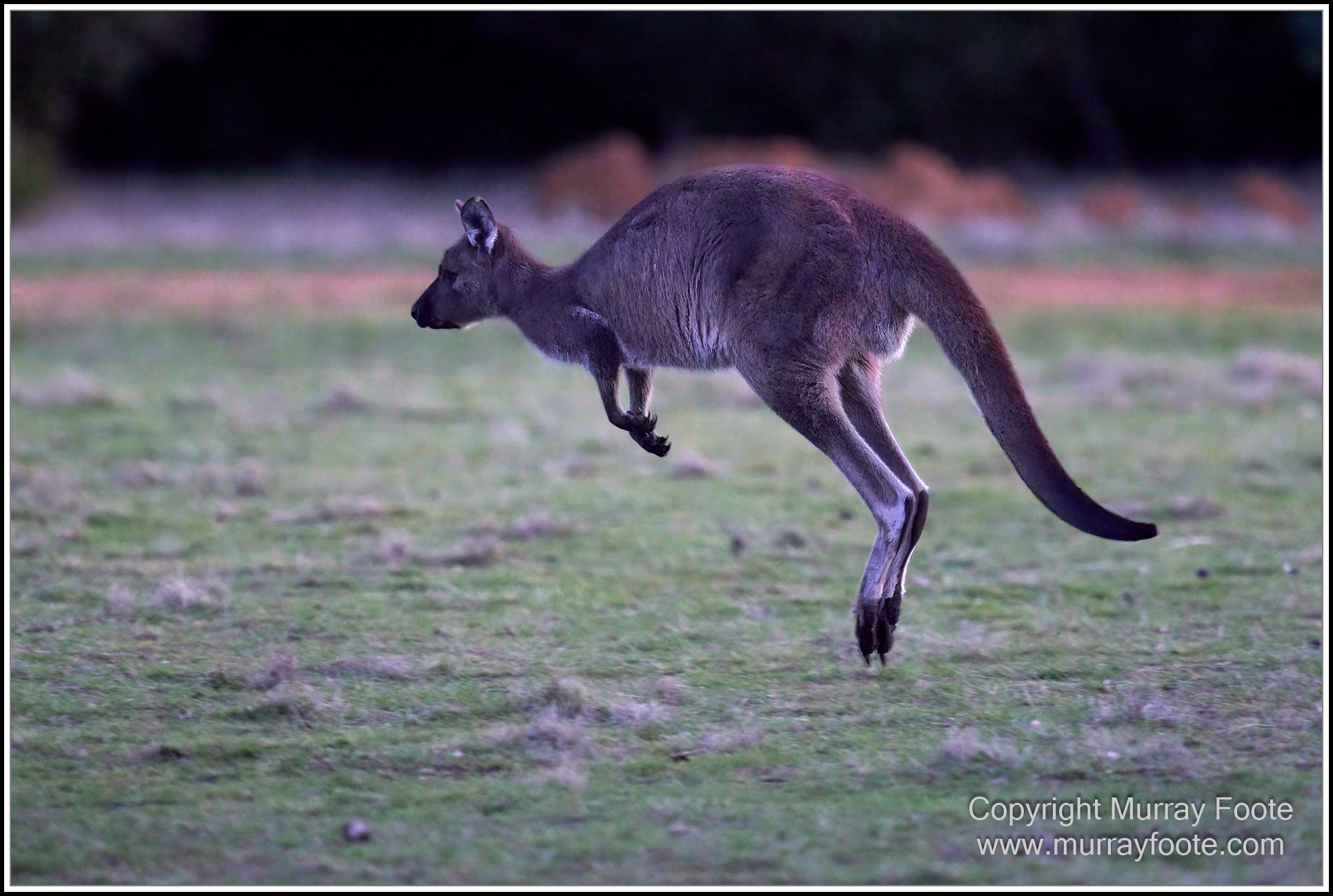
KI Kangaroo in motion.
.
.
.
. 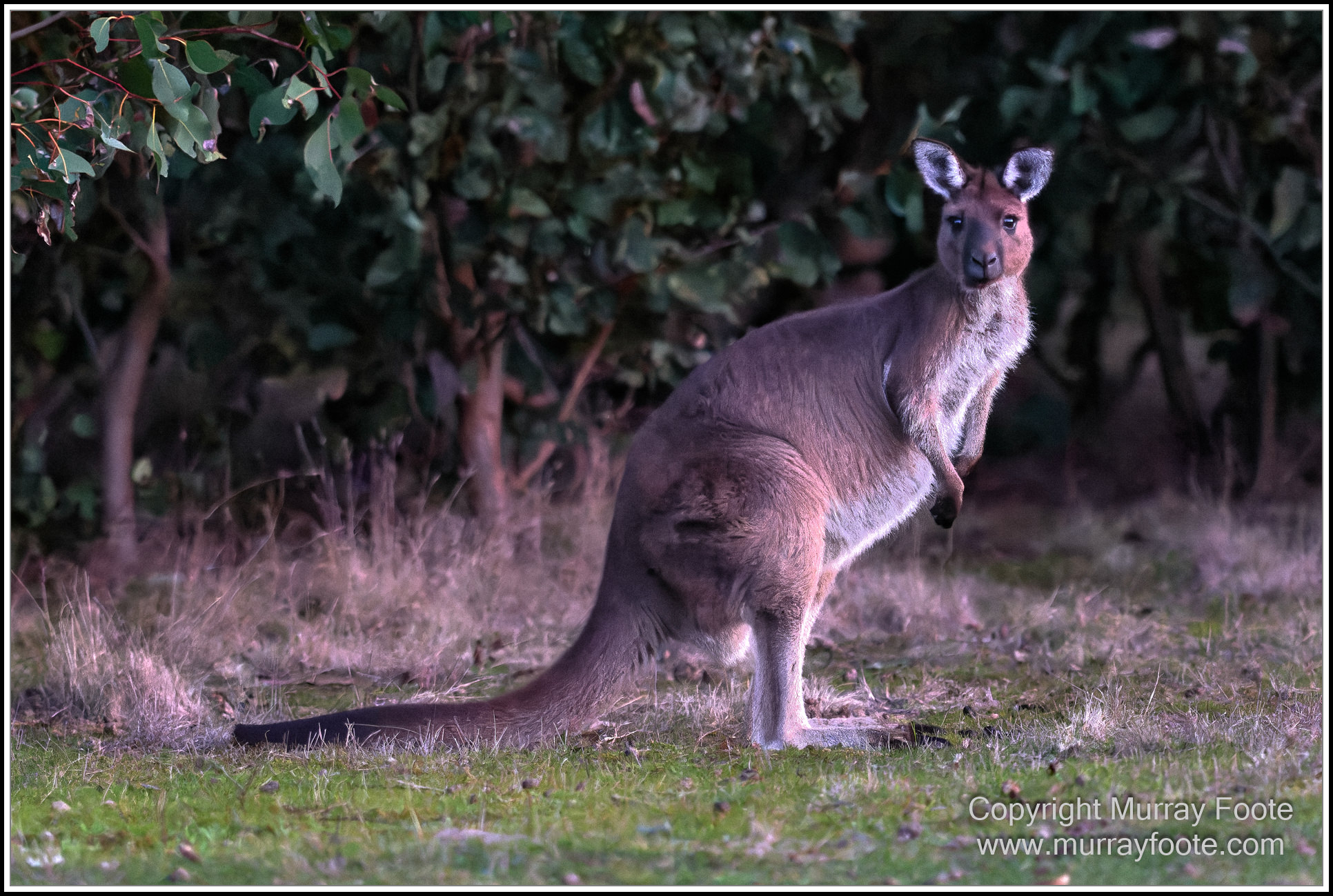
KI Kangaroo.
.
.
.
. 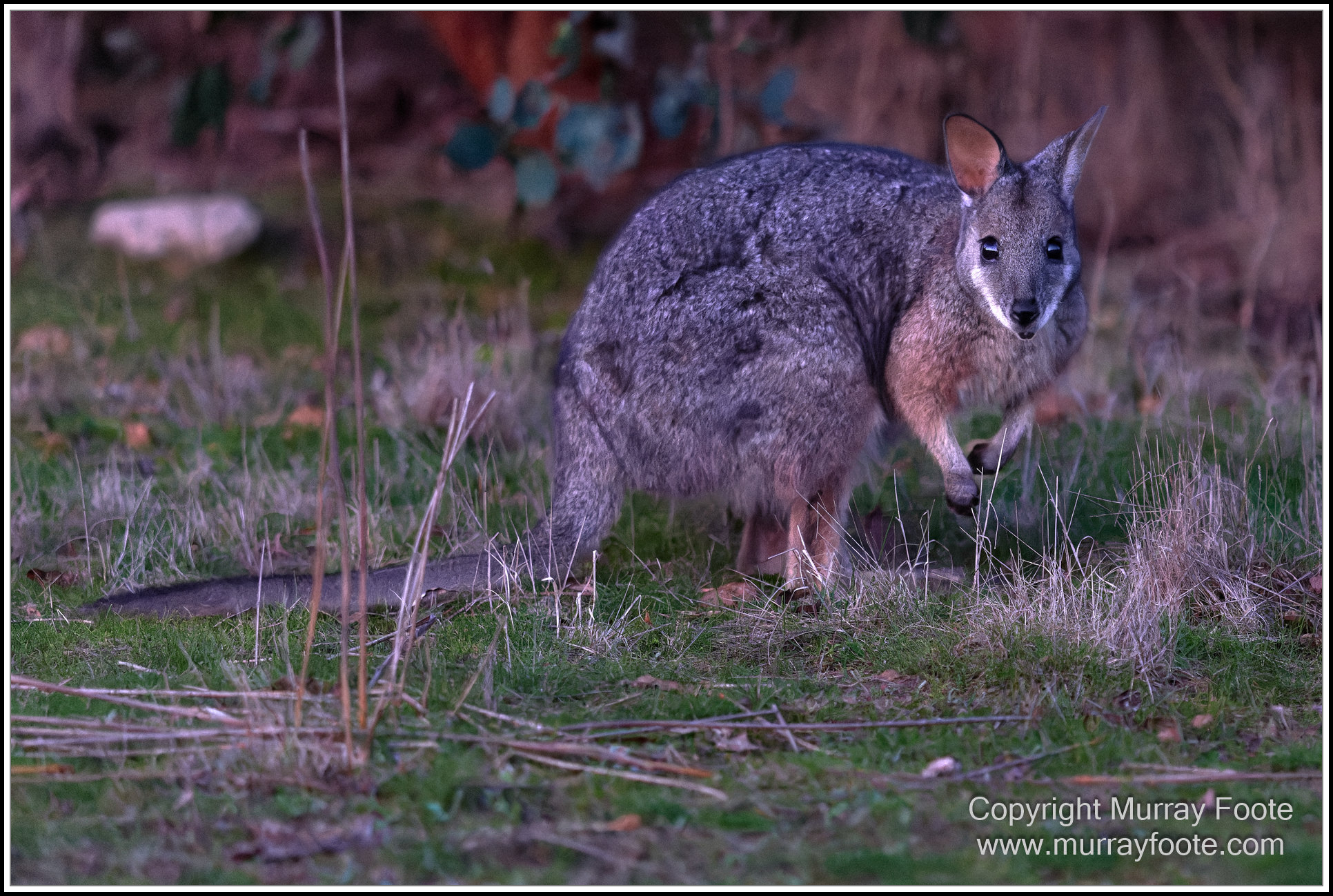
Tammar Wallaby.
.
.
.
.  .
.
.
.
.  .
.
.
.
. 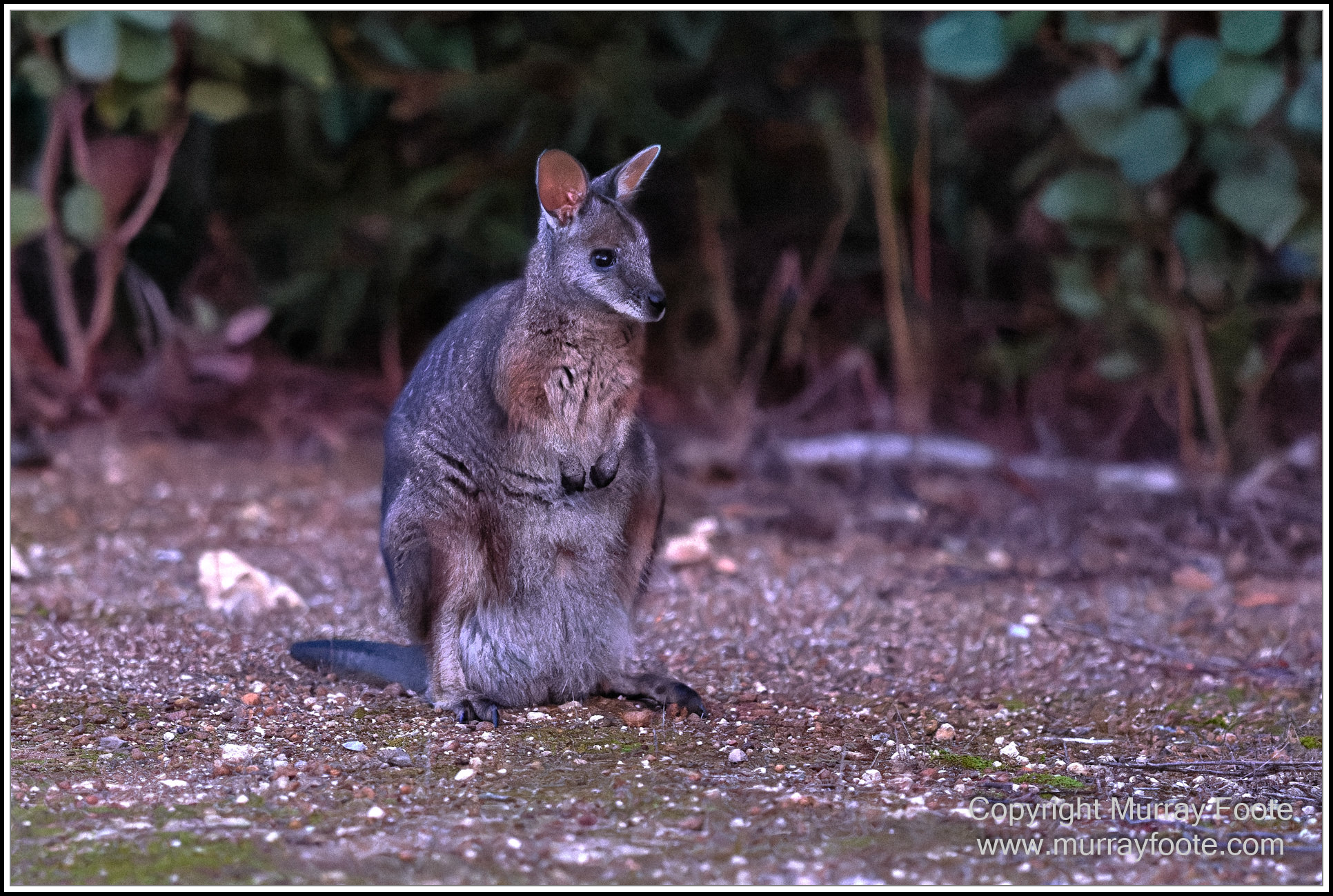
There appears to be a joey in the pouch here.
.
.
.
.  .
.
.
.
. 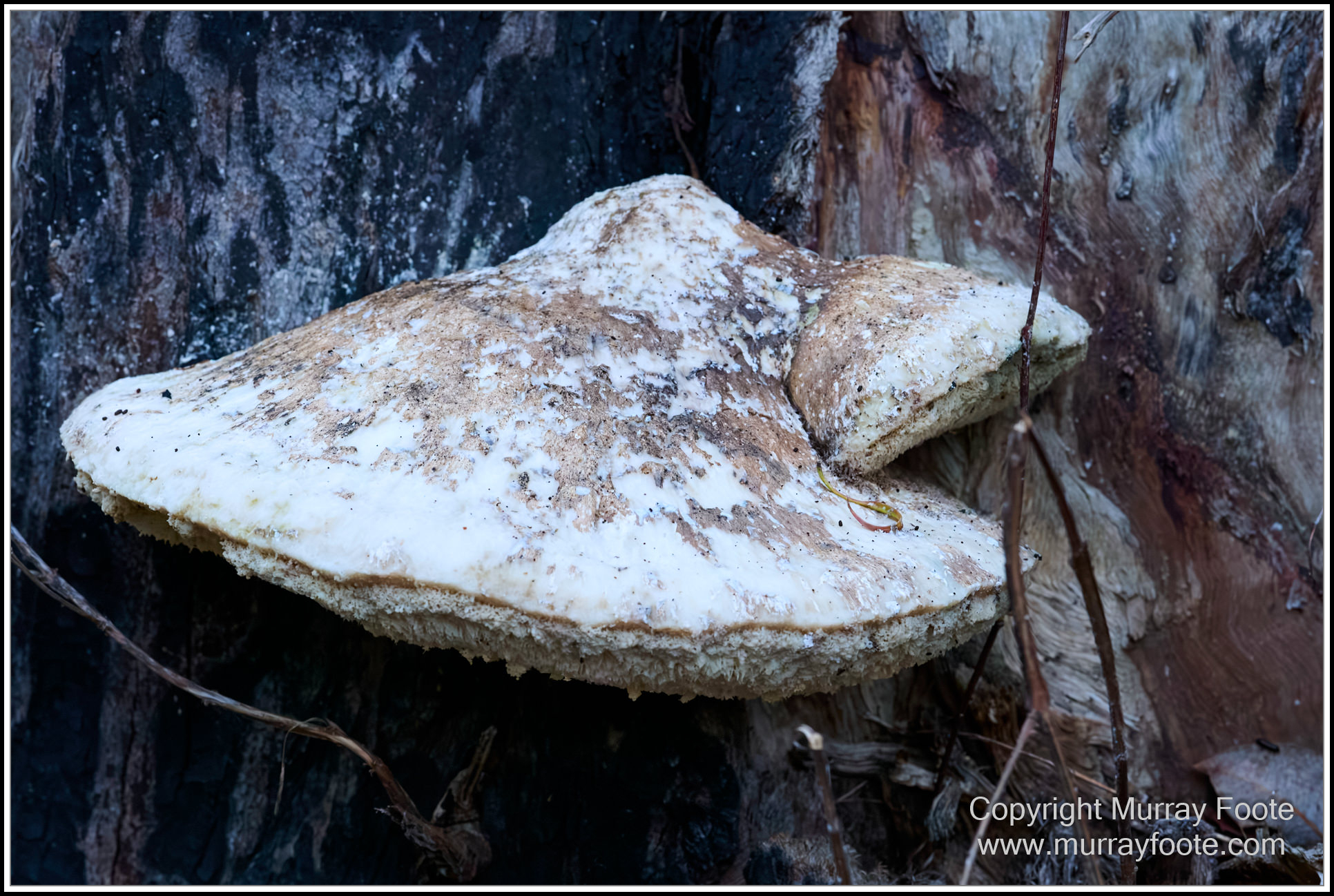
Large funghi on a tree, seen while walking out.
.
.
.
.
 Murray Foote
I always love animal shots. There’s definitely a joey in that belly.
LikeLiked by 1 person
Quite a few animal shots to come in the next month….
LikeLiked by 1 person