Dhilba Guuranda–Innes National Park, Yorke Peninsula, 14 July 2024
.
(For Recent Posts, Top Posts, Subscribe or Search: go to bottom of page. Clicking an image doubles size. Trip summary and links to posts.)
.
Ethel Beach
.
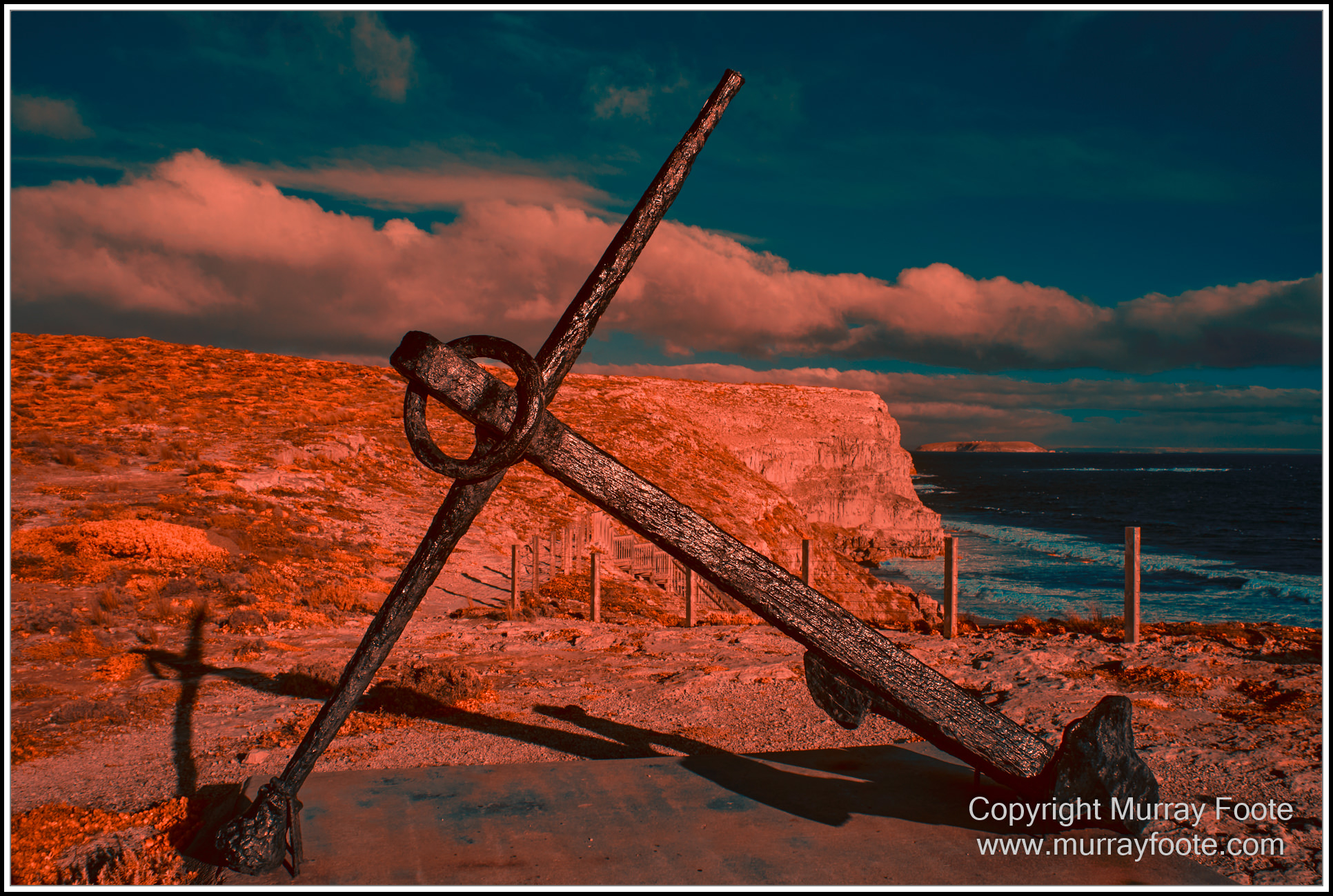
The anchor from the Ethel, at the lookout above Ethel beach, location of the wreck. There are two possible explanations for the anchor being here. One is that they threw it out of the ship when it got in trouble and it landed there at the top of the cliff (strong sailors in those days) but that dragged them into the beach to be pounded by the waves. The other is that the anchor was with the ship when it went down and some people later brought it up here. Recent events in the US show that it’s sometimes difficult for many people to tell which version may be true.
.
.
.
.
Inneston.
. 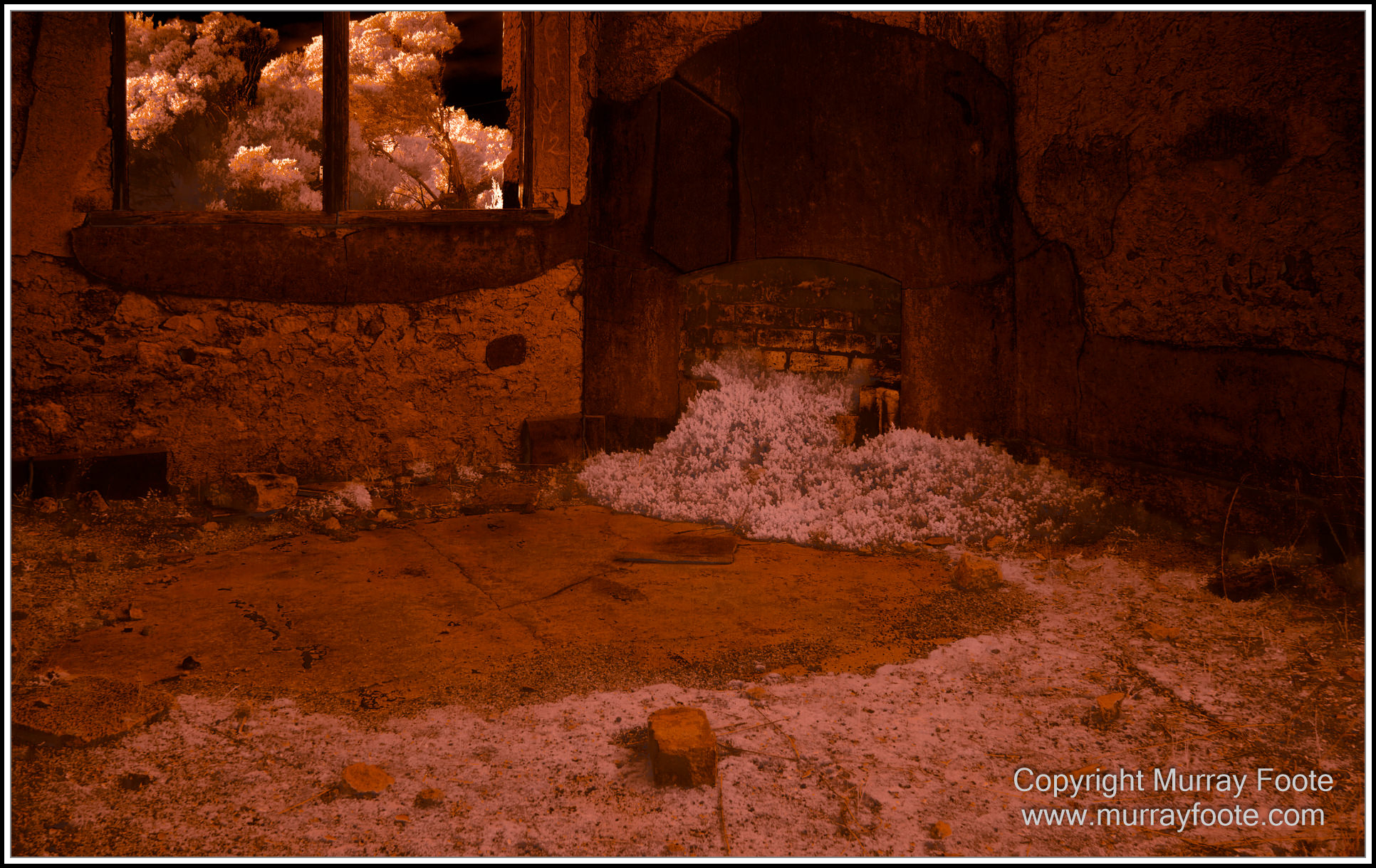
Derelict house at Inneston.
It could be an alien life form spilling out from that fireplace, it’s hard to tell. We were staying at a reconditioned house in the abandoned village of Inneston but as far as I can remember, I don’t think it was this one.
I’ve given a detailed account on Inneston on the colour post of it so I don’t need to explain much here.
.
.
.
. 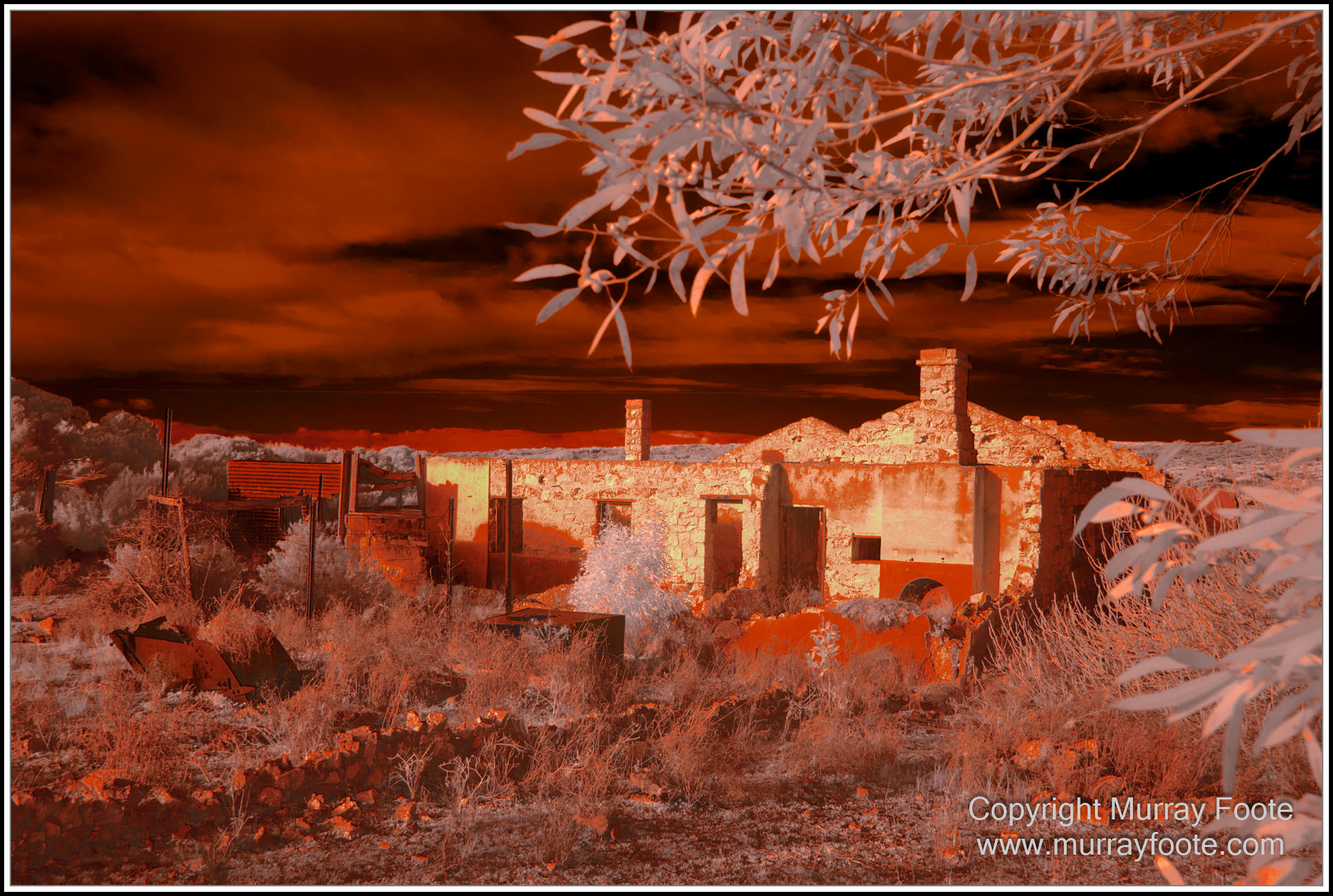
This is the house next door to where we were staying at the old Post Office. You might be able to rent it at a very cheap rate if the National Parks are prepared to do that.
.
.
.
. 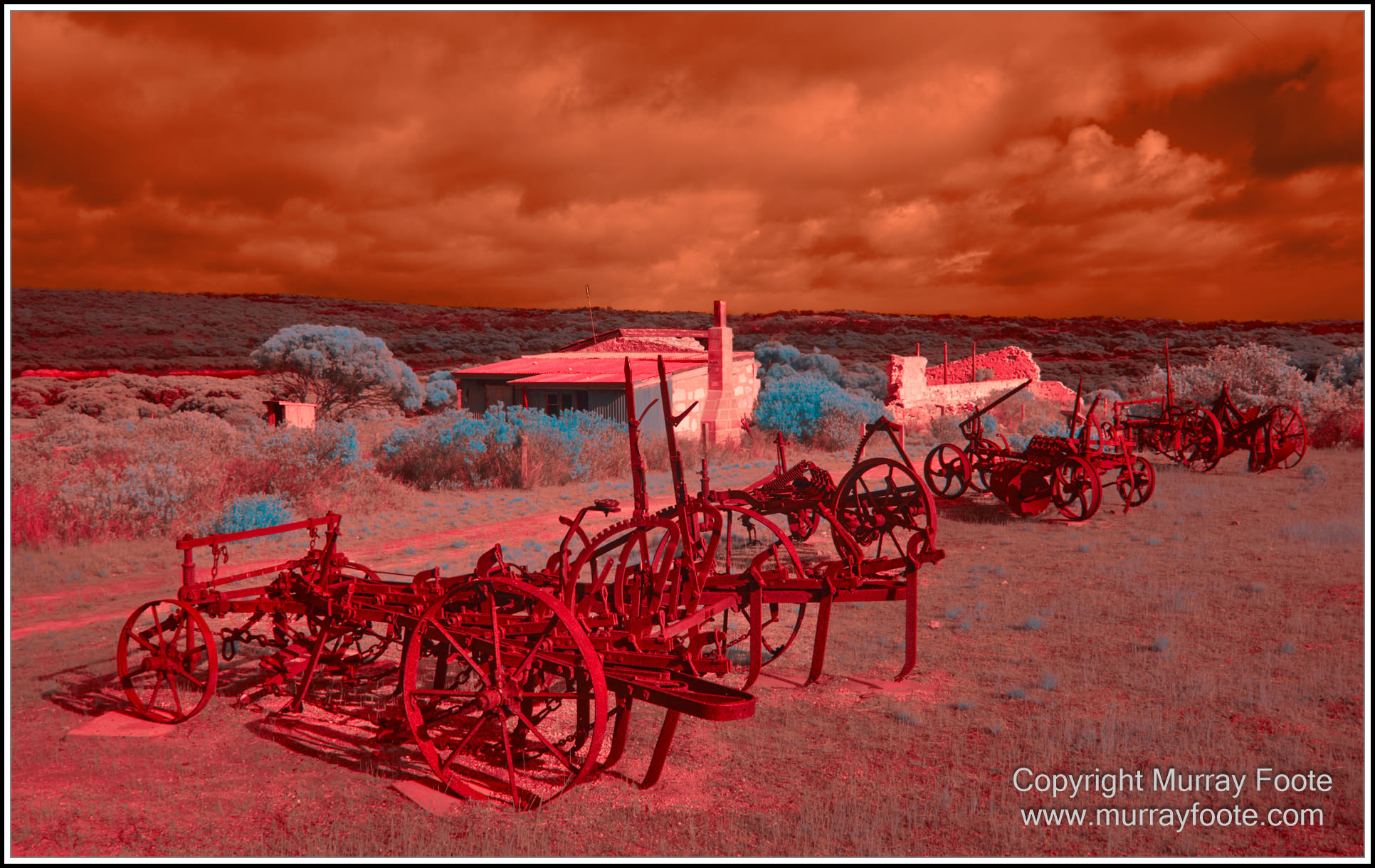
When Inneston was active, the locals grew their own crops. There was no road access in the early years. Perhaps there is a dust storm from Central Australia in the sky.
.
.
.
. 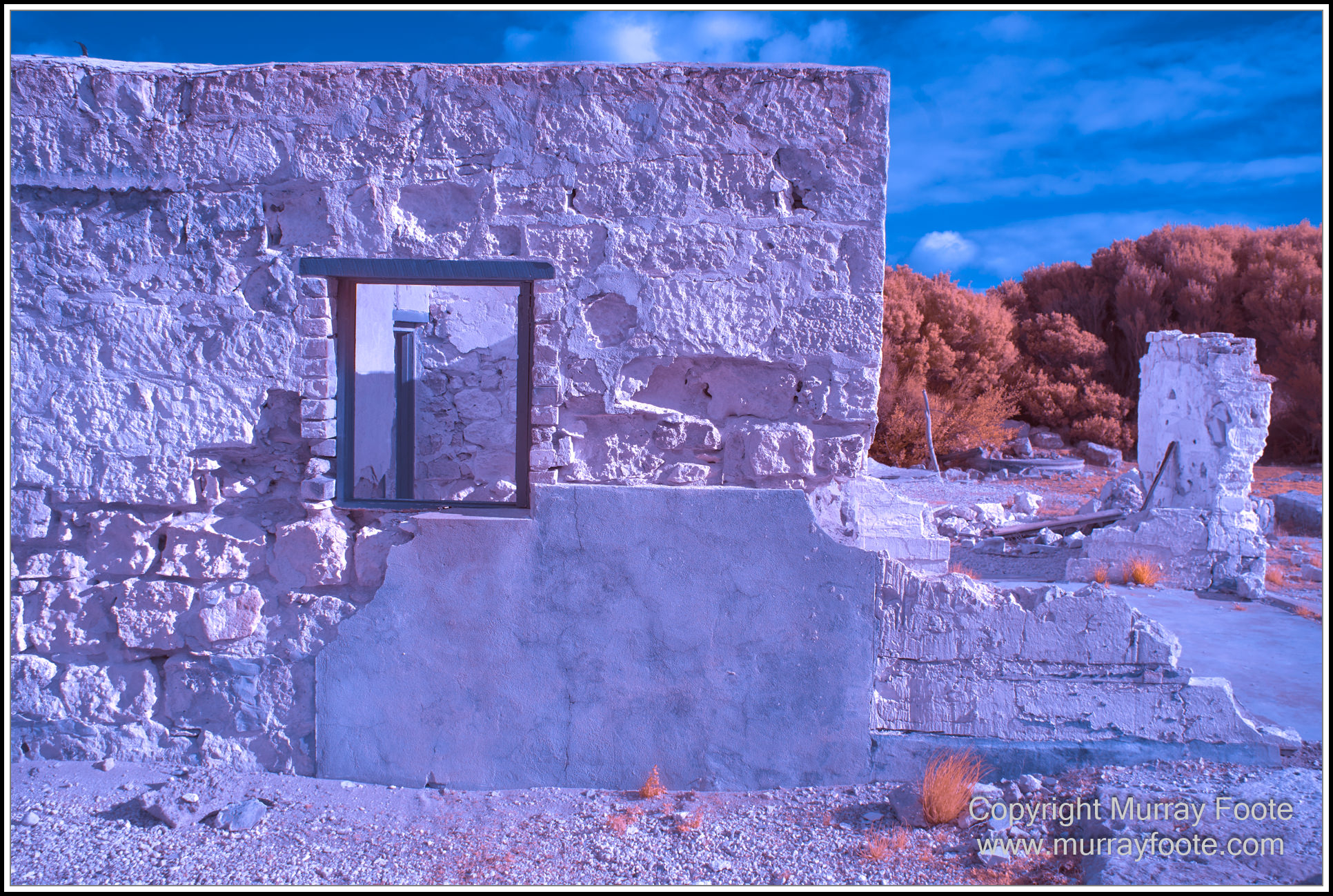
Here we have the ancient Minoan section of the village, with white limestone facings, dating back to the time of refugees from the Thira eruption (c. 1600BC). Not even the Aborigines knew about these people.
.
.
.
. 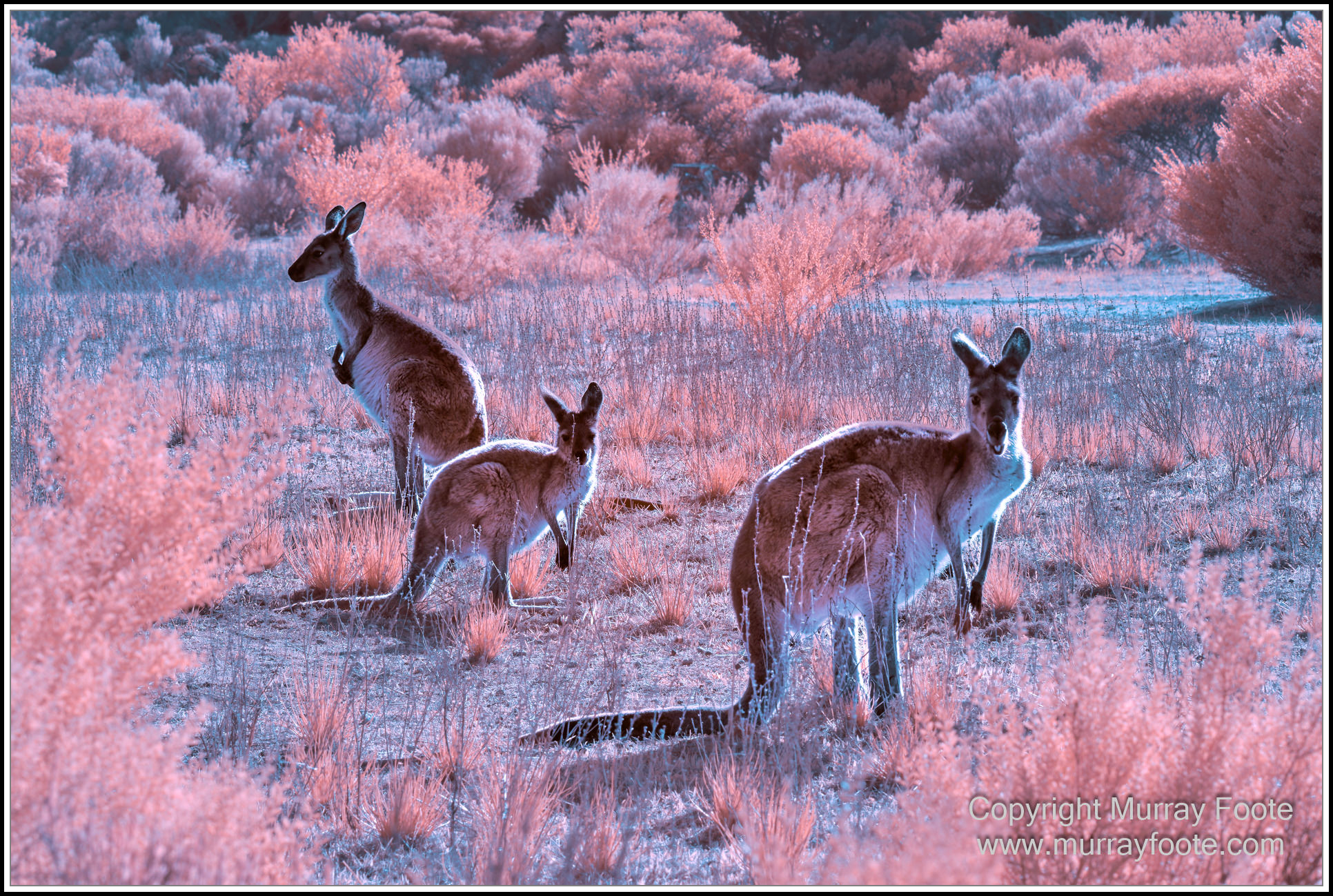
Western Grey Kangaroos.
Found on the southern and western mainland, they are similar to the Eastern Grey Kangaroos found down the east coast. The Kangaroo Island Western Grey Kangaroo (depicted in previous posts) is a different subspecies, more stocky with a broader head.
.
.
.
. 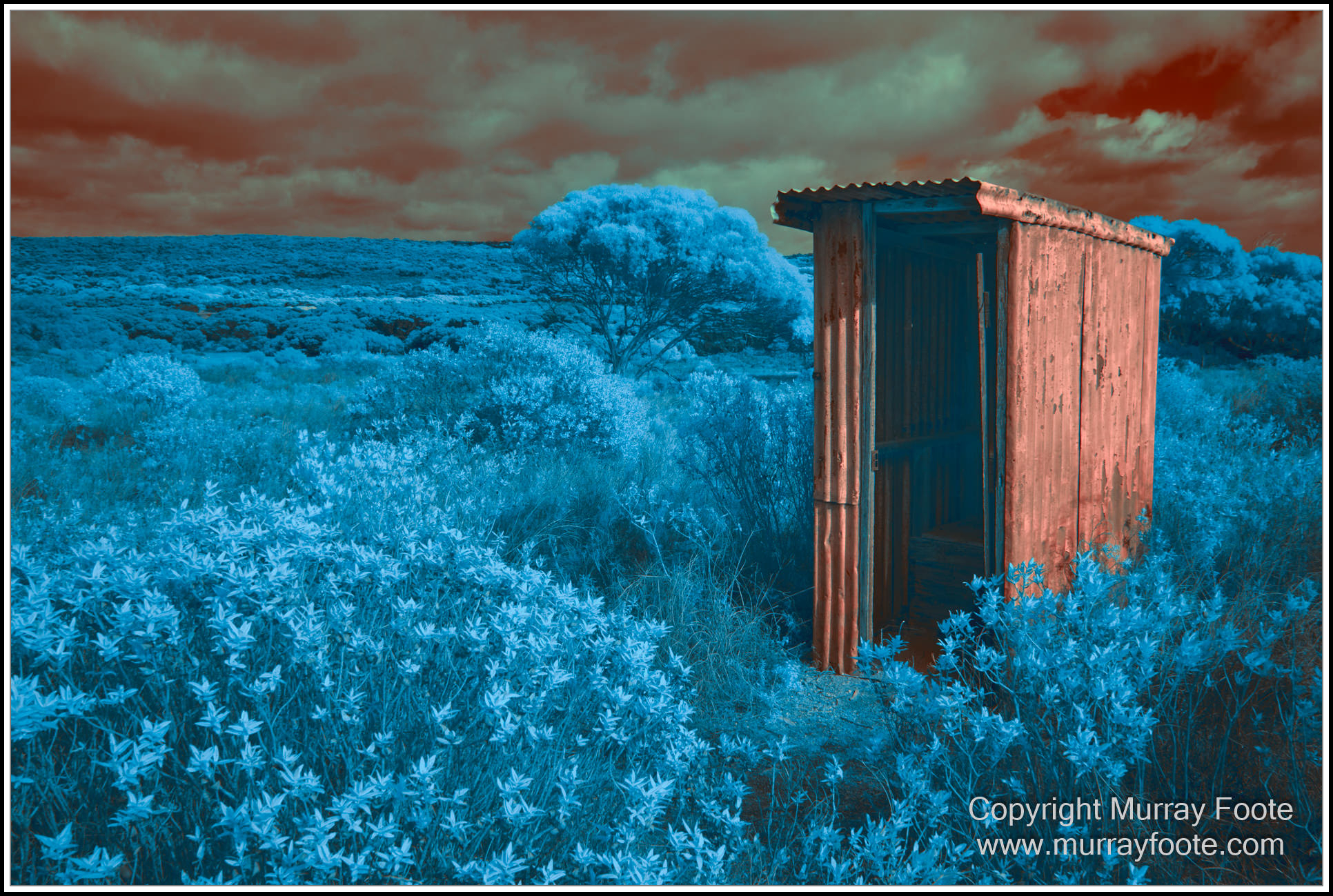
Some of you may have read The Call of the Wild by Jack London. This is a somewhat different reference, to The Call of Nature.
.
.
.
. 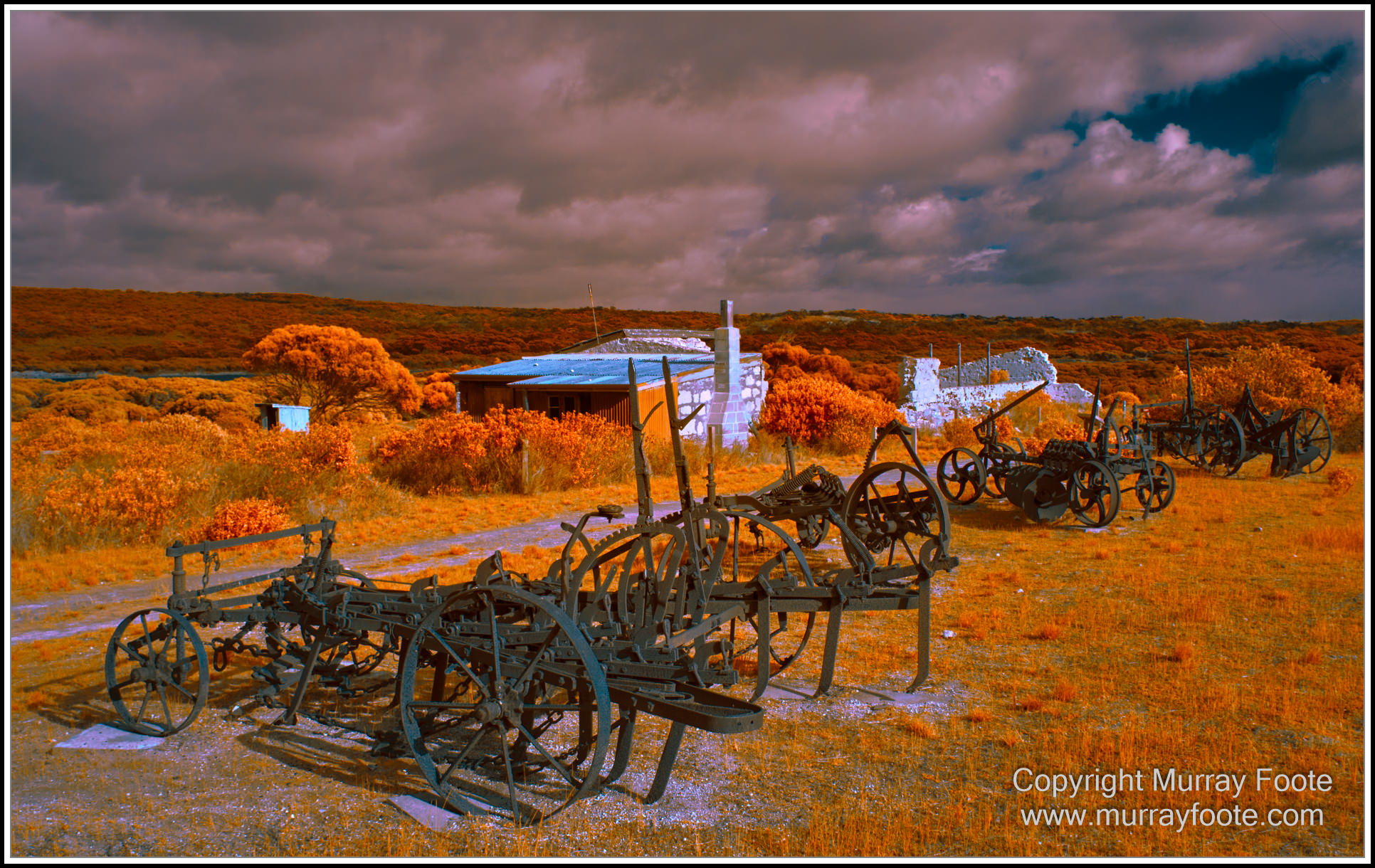
Have we been here before or is it just déjà vu?
.
.
.
.. 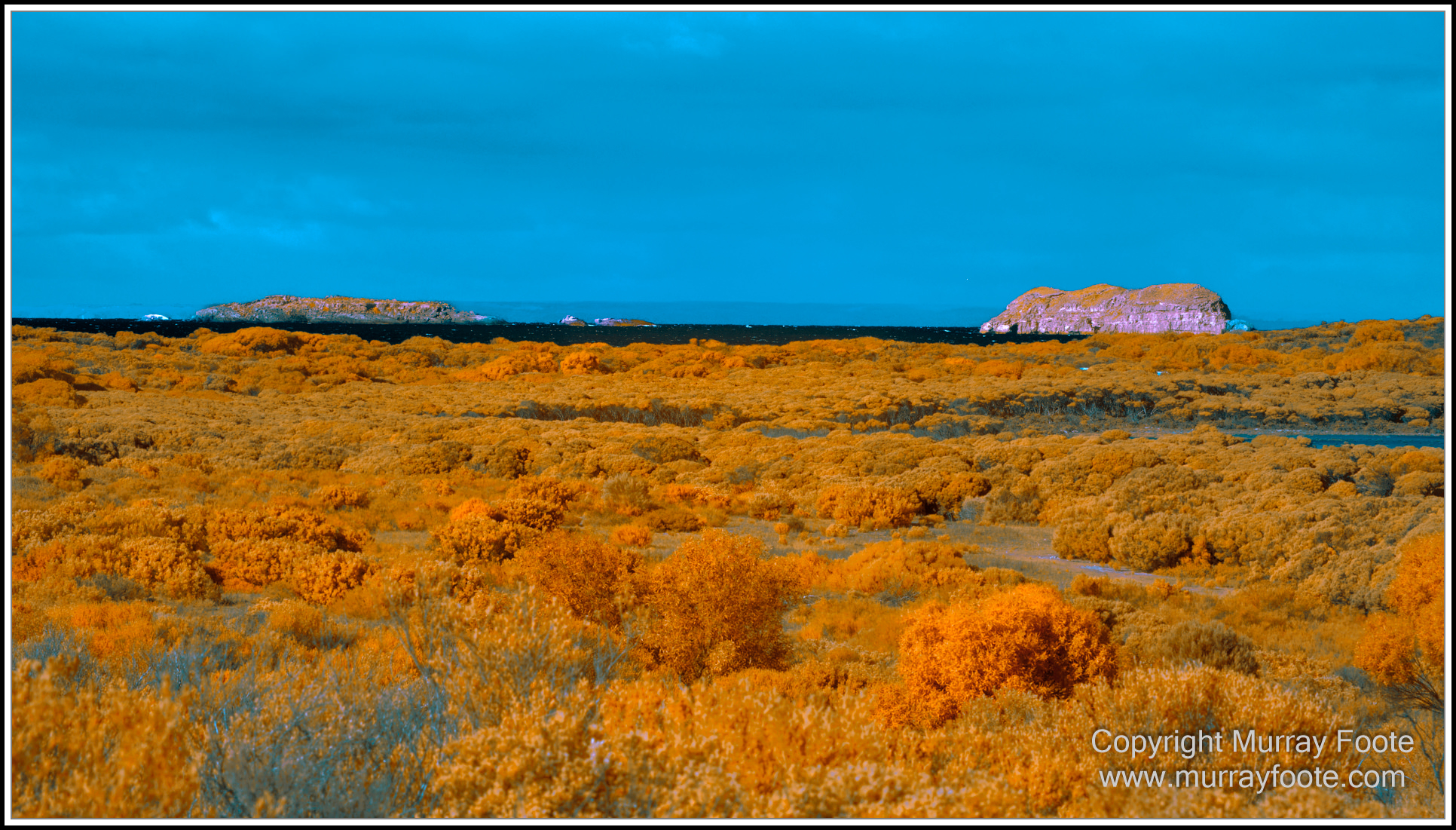
Perhaps a bit hard to see, but running across the middle is the old track to Stenhouse Bay, originally the only (intermittent) contact with the outside world.
.
.
.
. 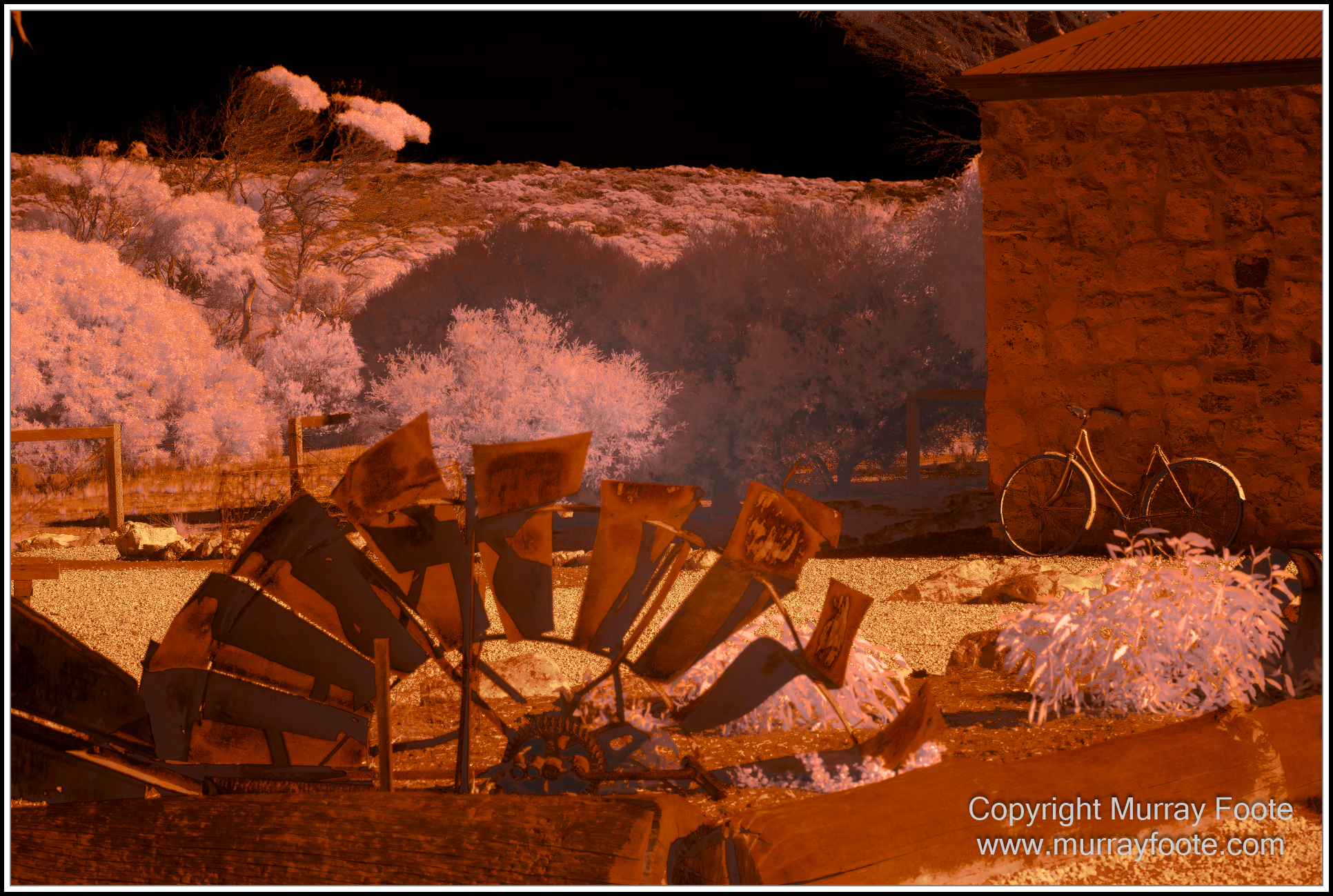
Nearby nuclear explosions can turn foliage pinkish white and the sky black.
.
.
.
. 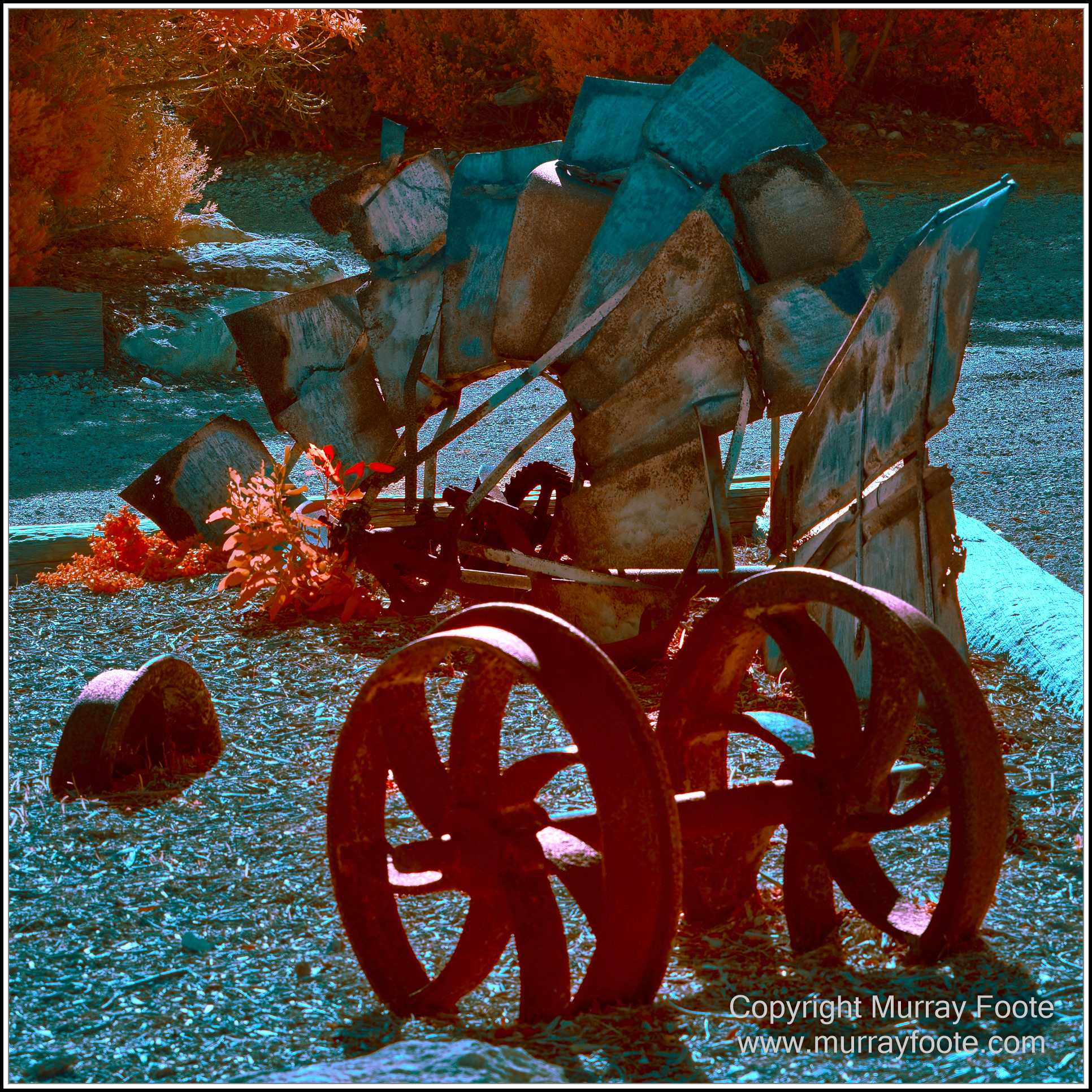
A kind of little outdoor museum.
.
.
.
. 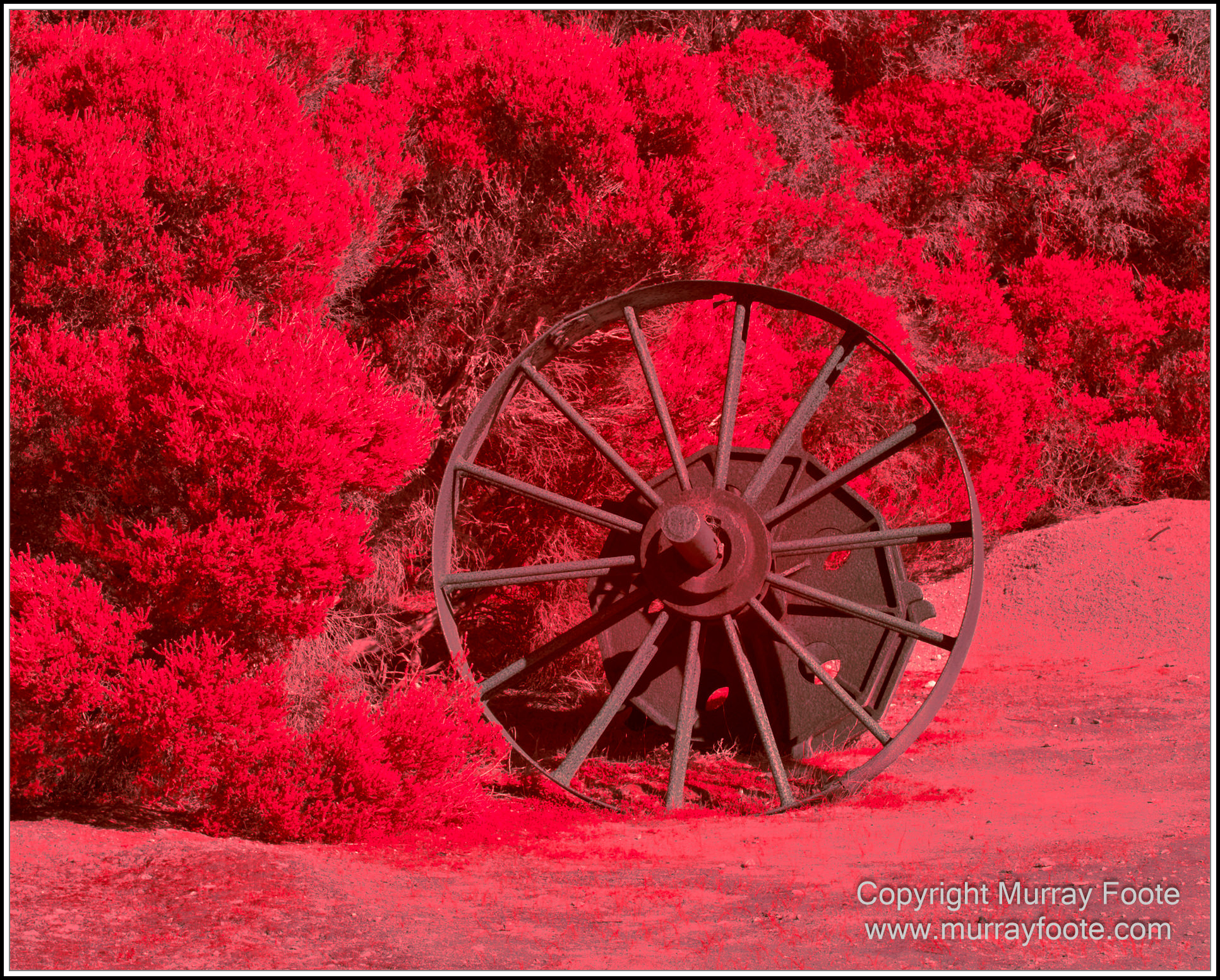
The Wheel of Deserted Fortune, perhaps.
.
.
.
. 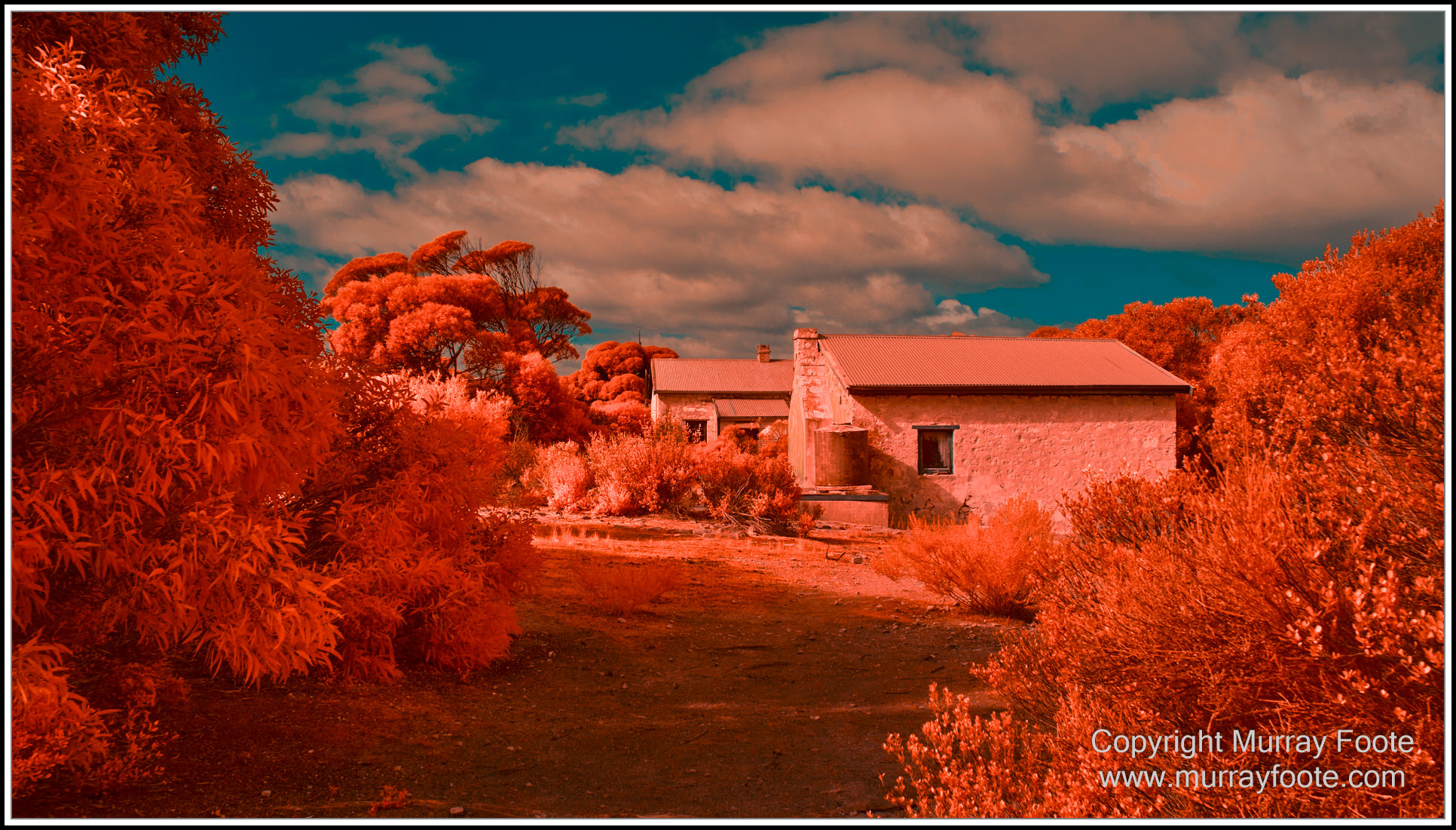
A nice little cottage.
This is probably one of the ones you can pay to stay in.
.
.
.
. 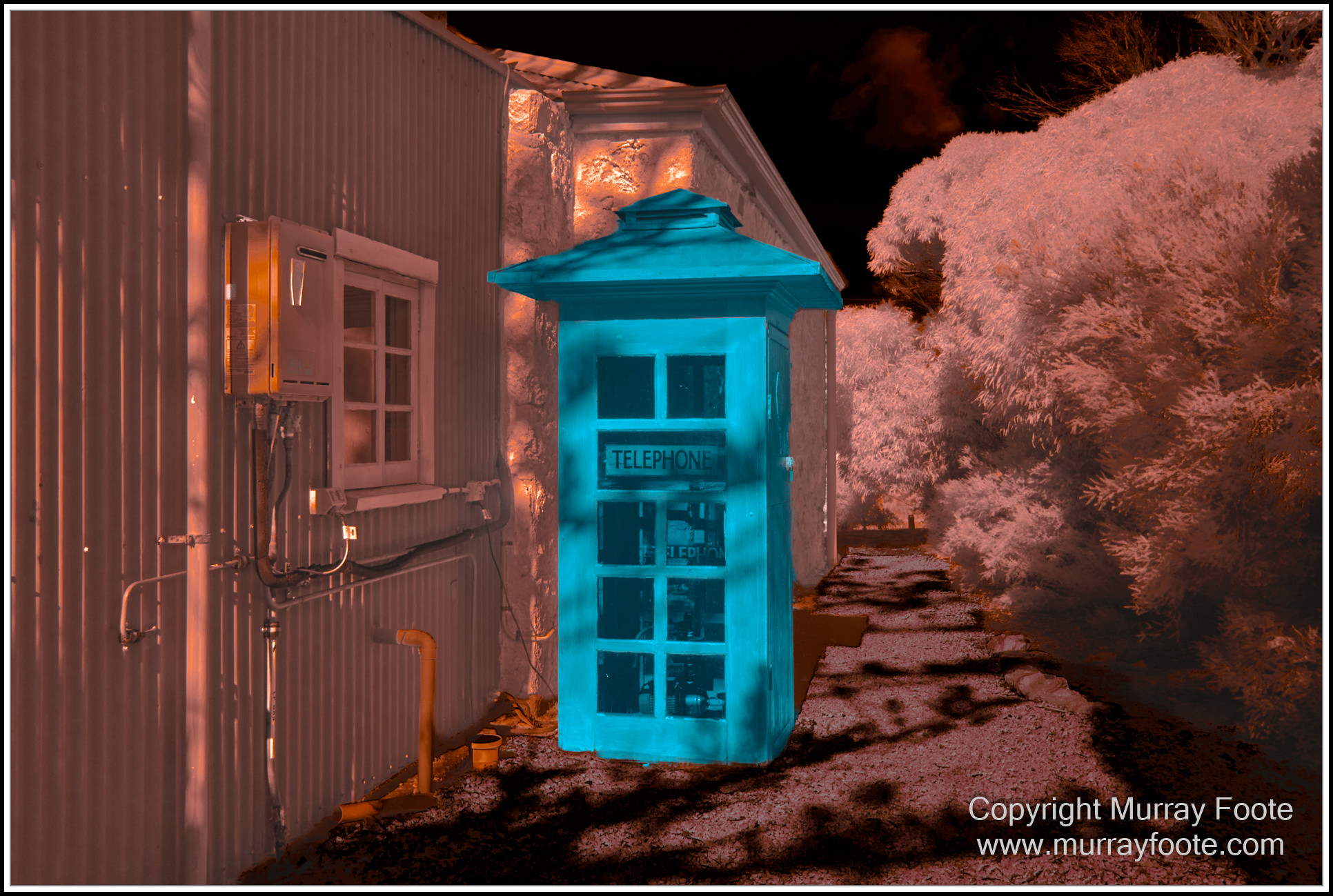
And a telephone box. You never know what might happen if you go inside….
.
.
.
. 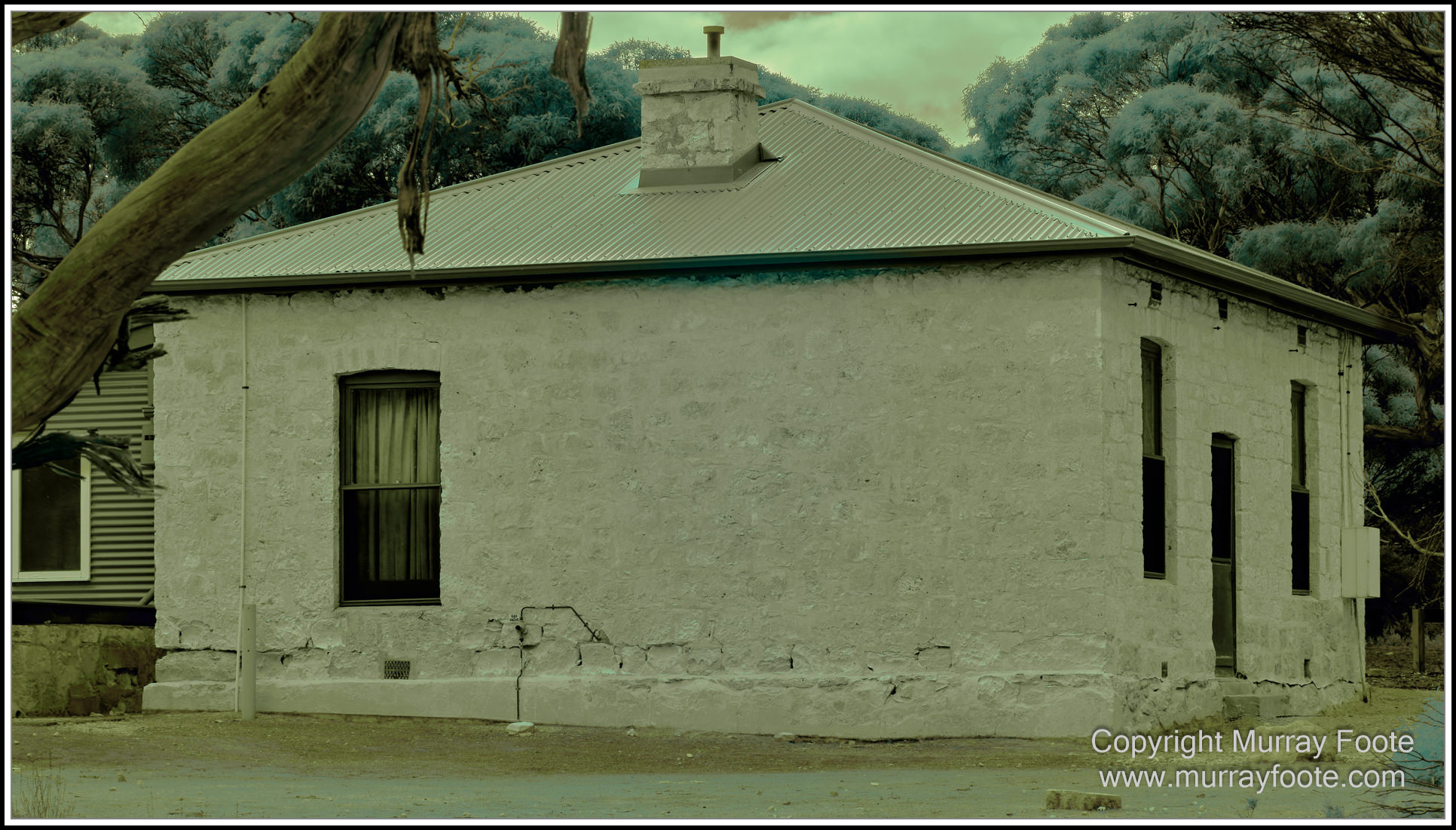
Another restored cottage.
.
.
.
. 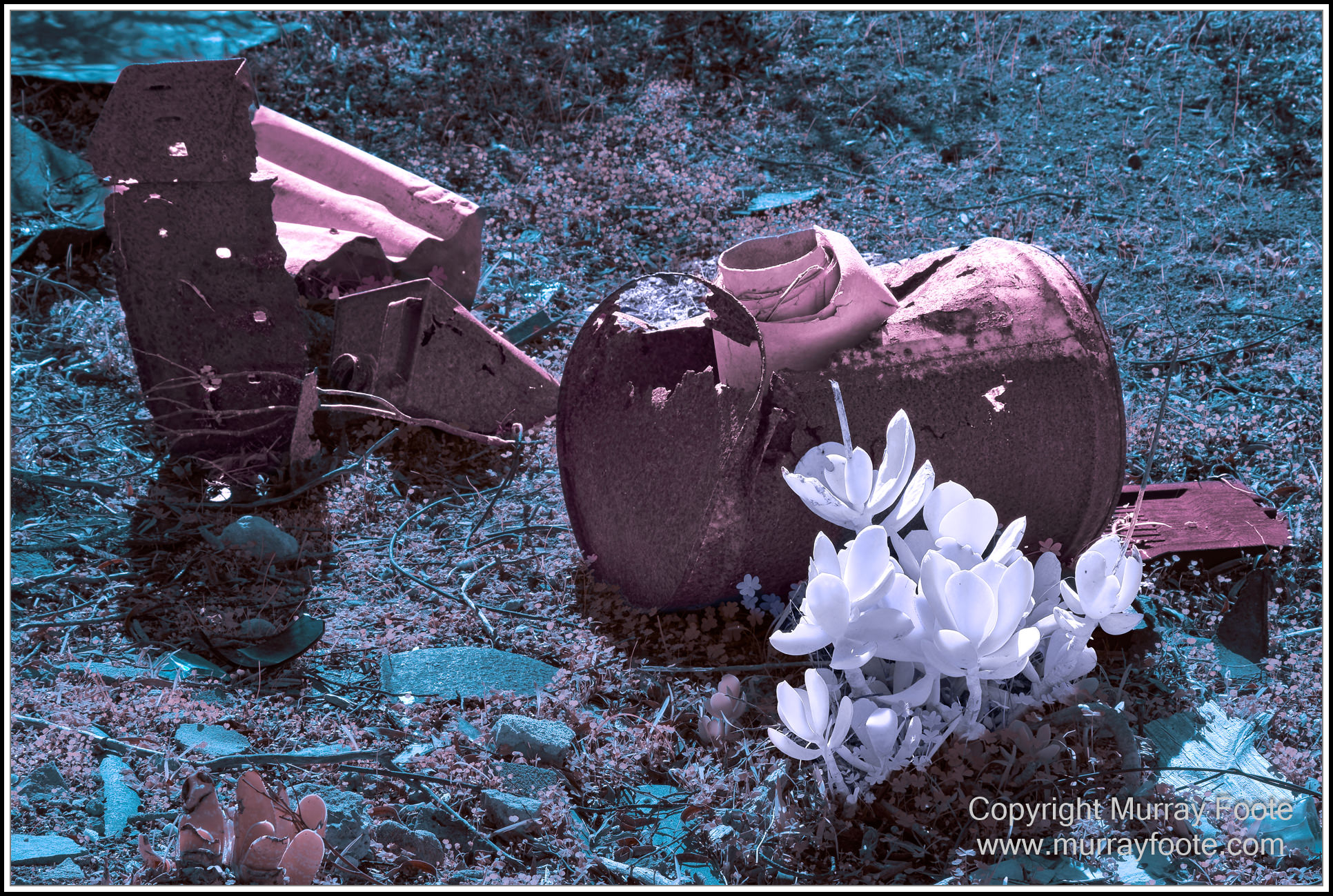
Remnants of forgotten memories.
.
.
.
. 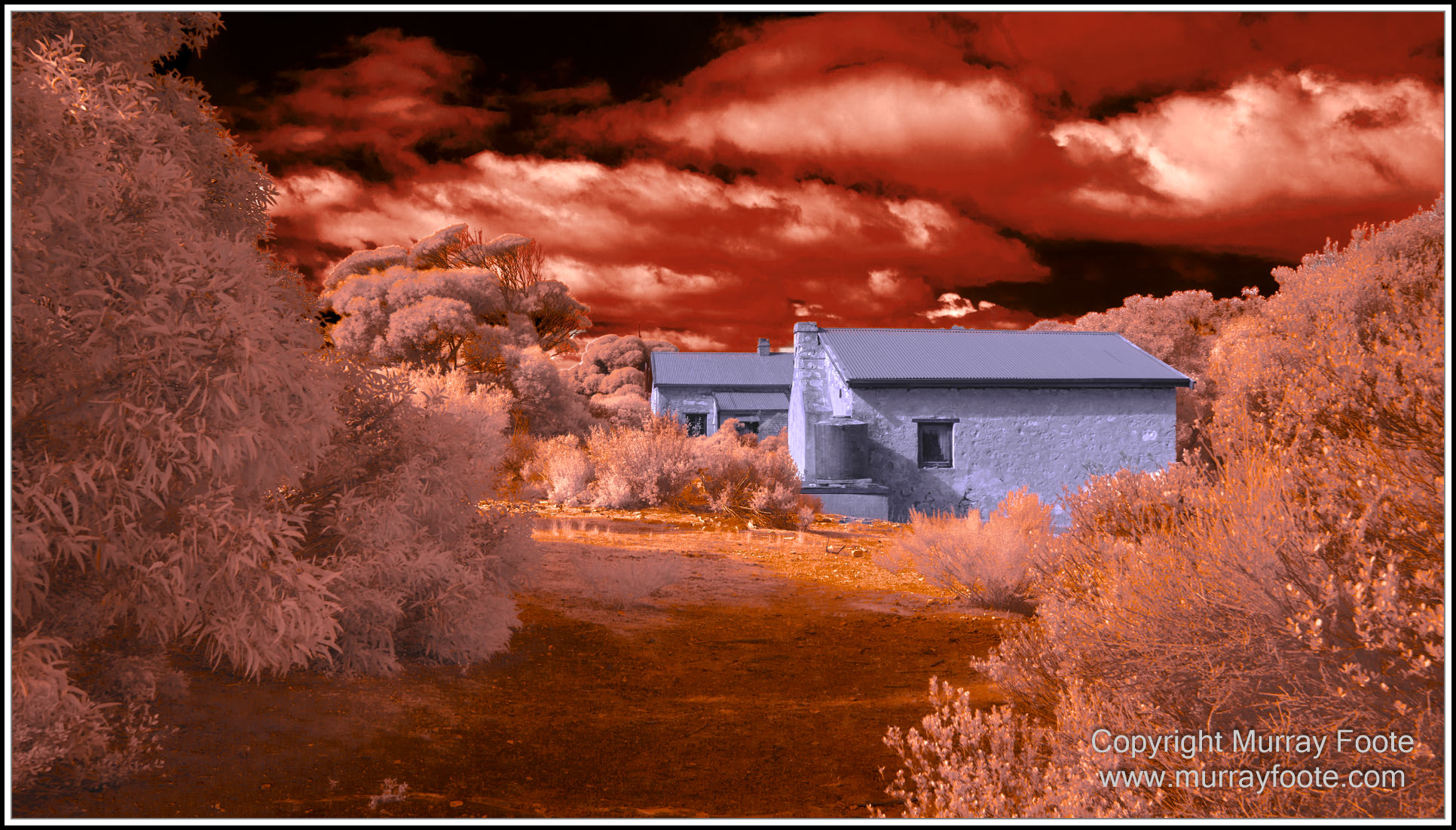
Perhaps a safe place of refuge.
.
.
.
. 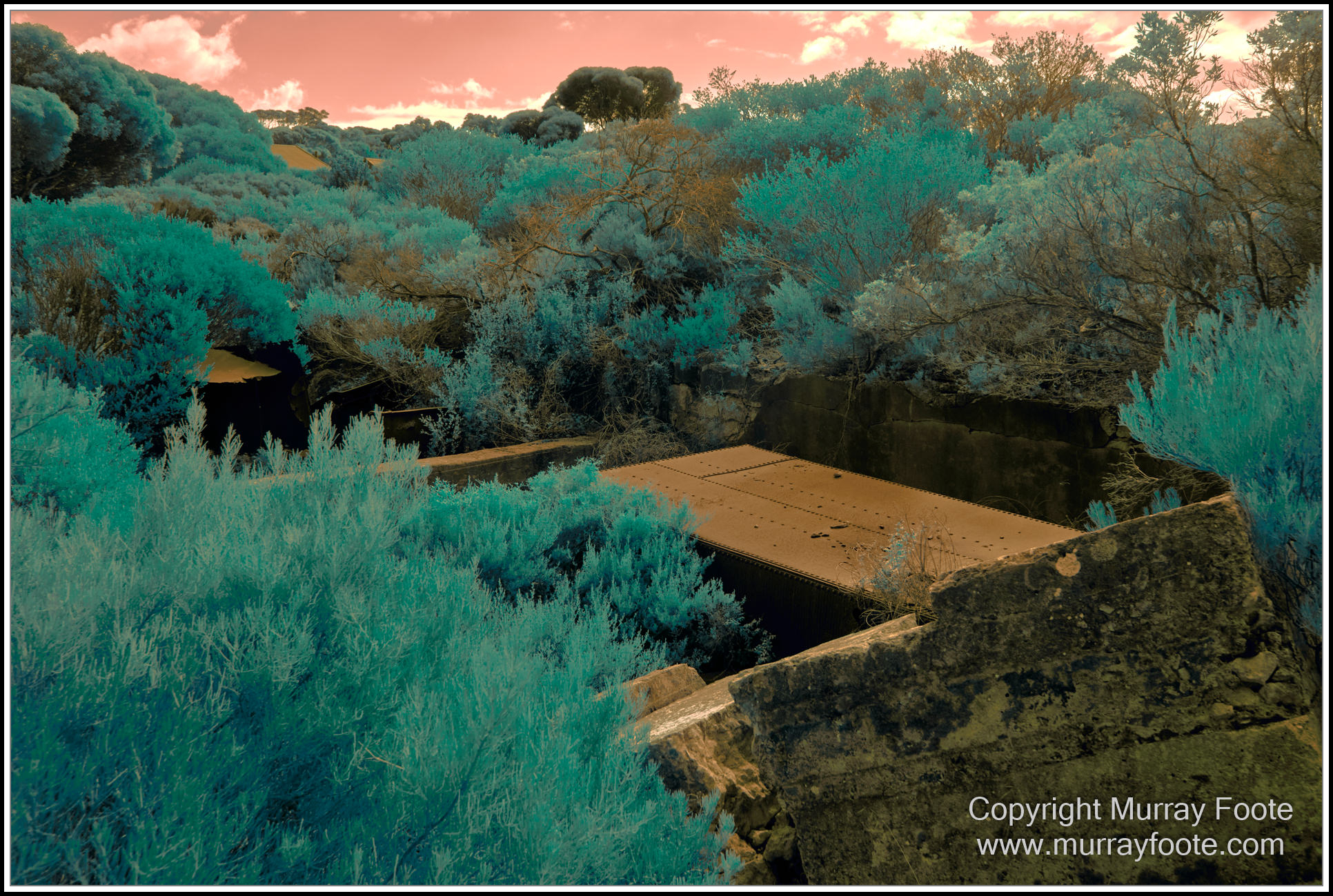
All that remains of the gypsum factory at Inneston.
.
.
.
. 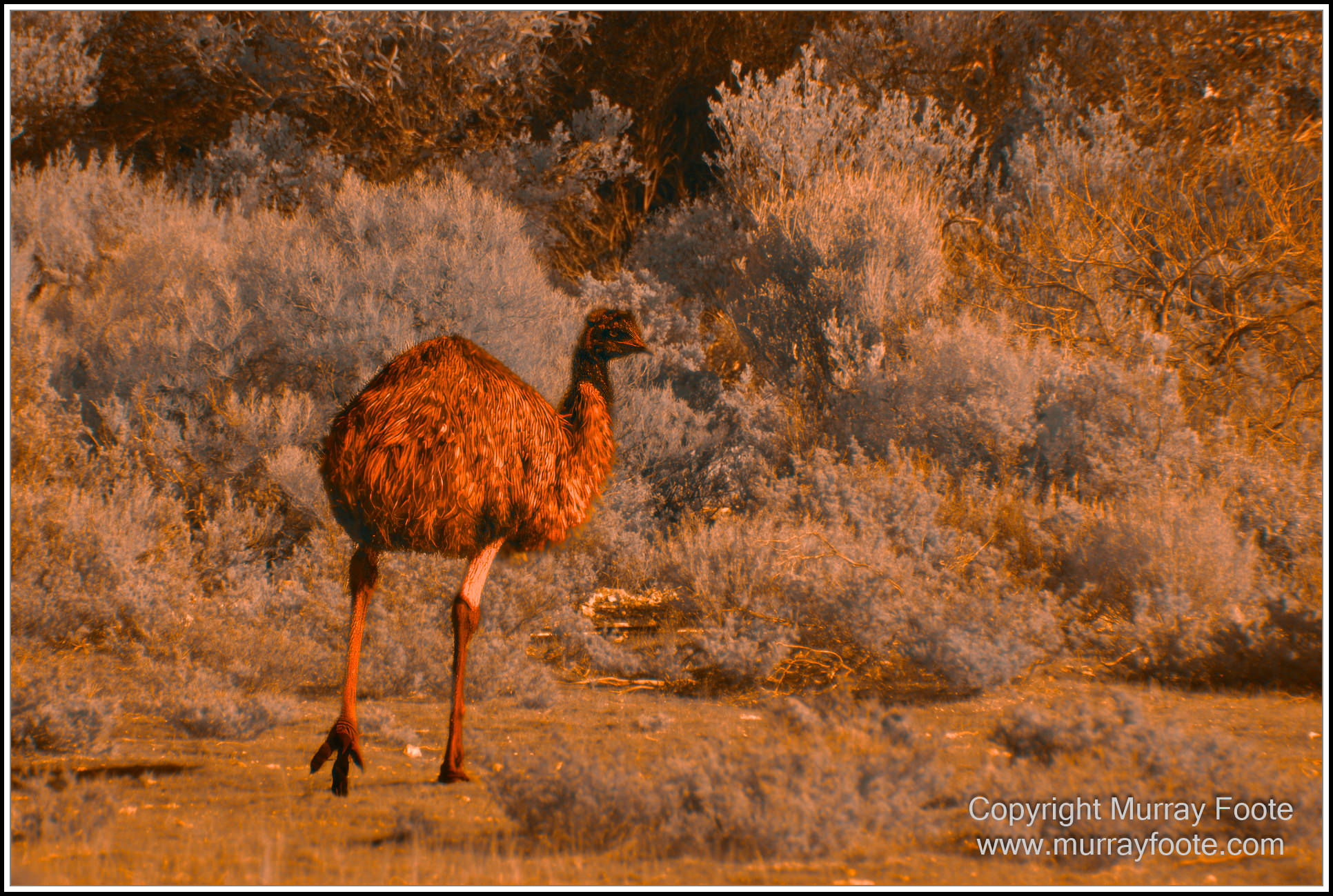
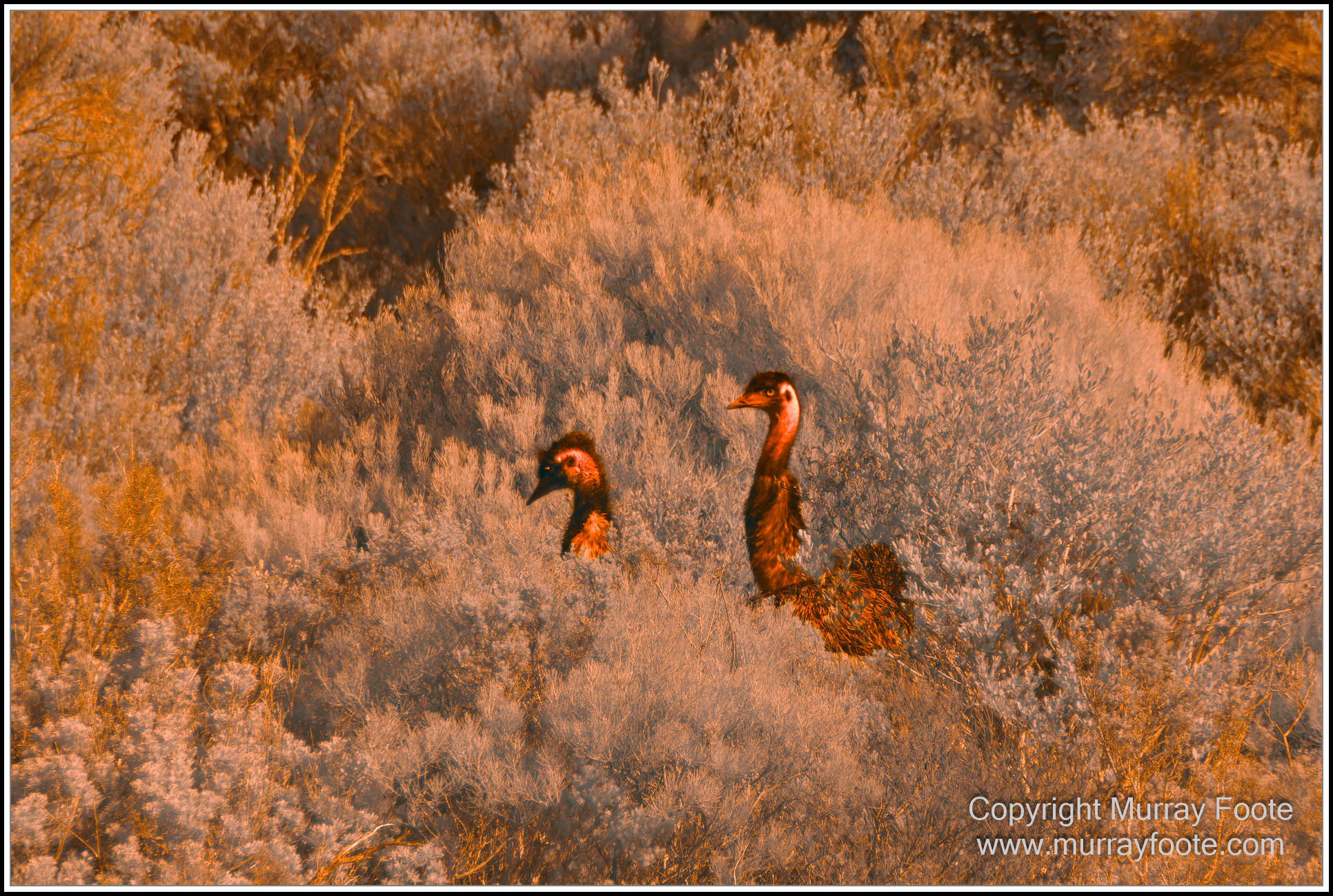
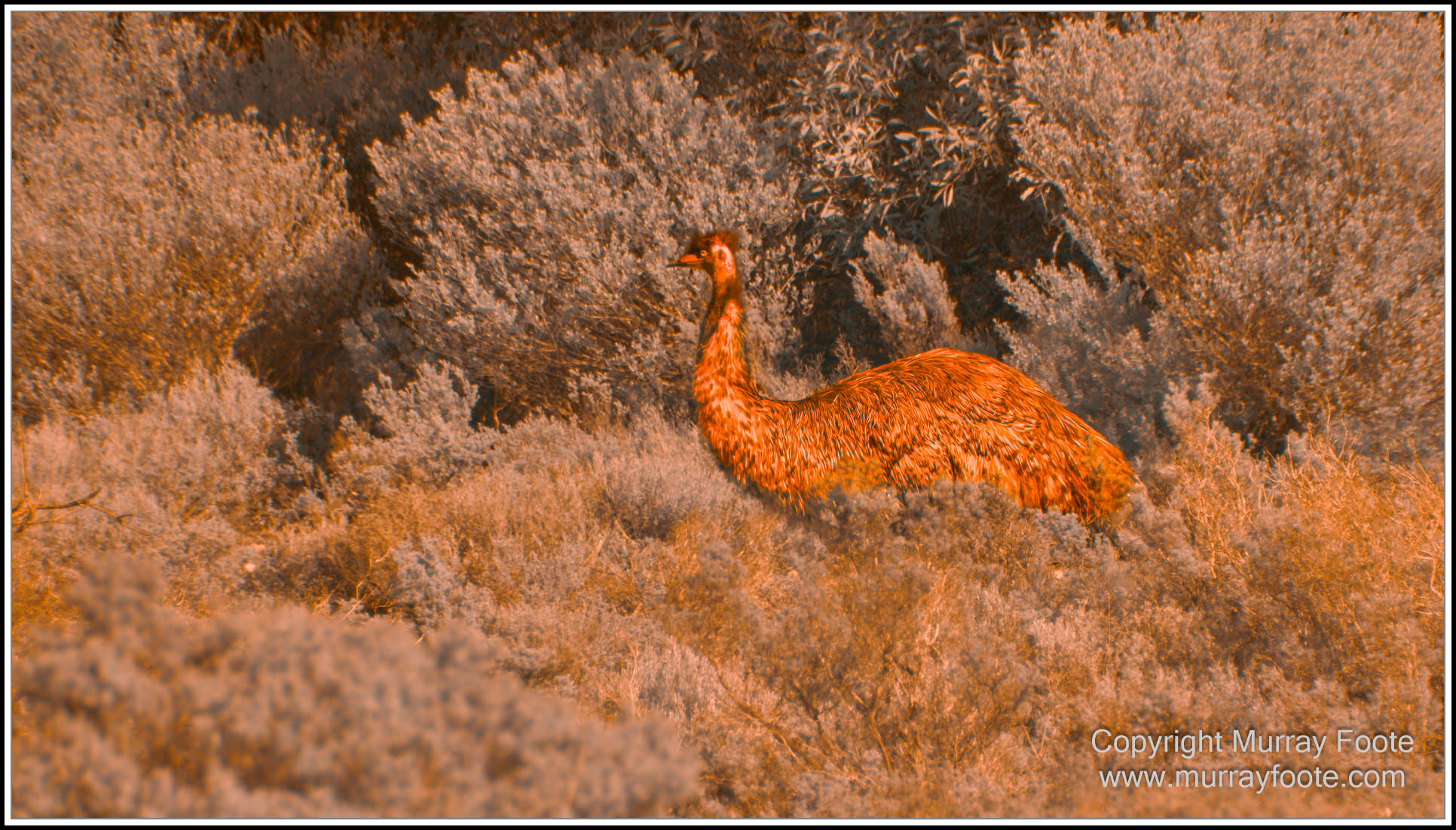
Emus wandering by.
.
.
.
.  .
.
.
.
.  .
.
.
.
.
South-West Coast of Dhilba Guuranda–Innes National Park.
. 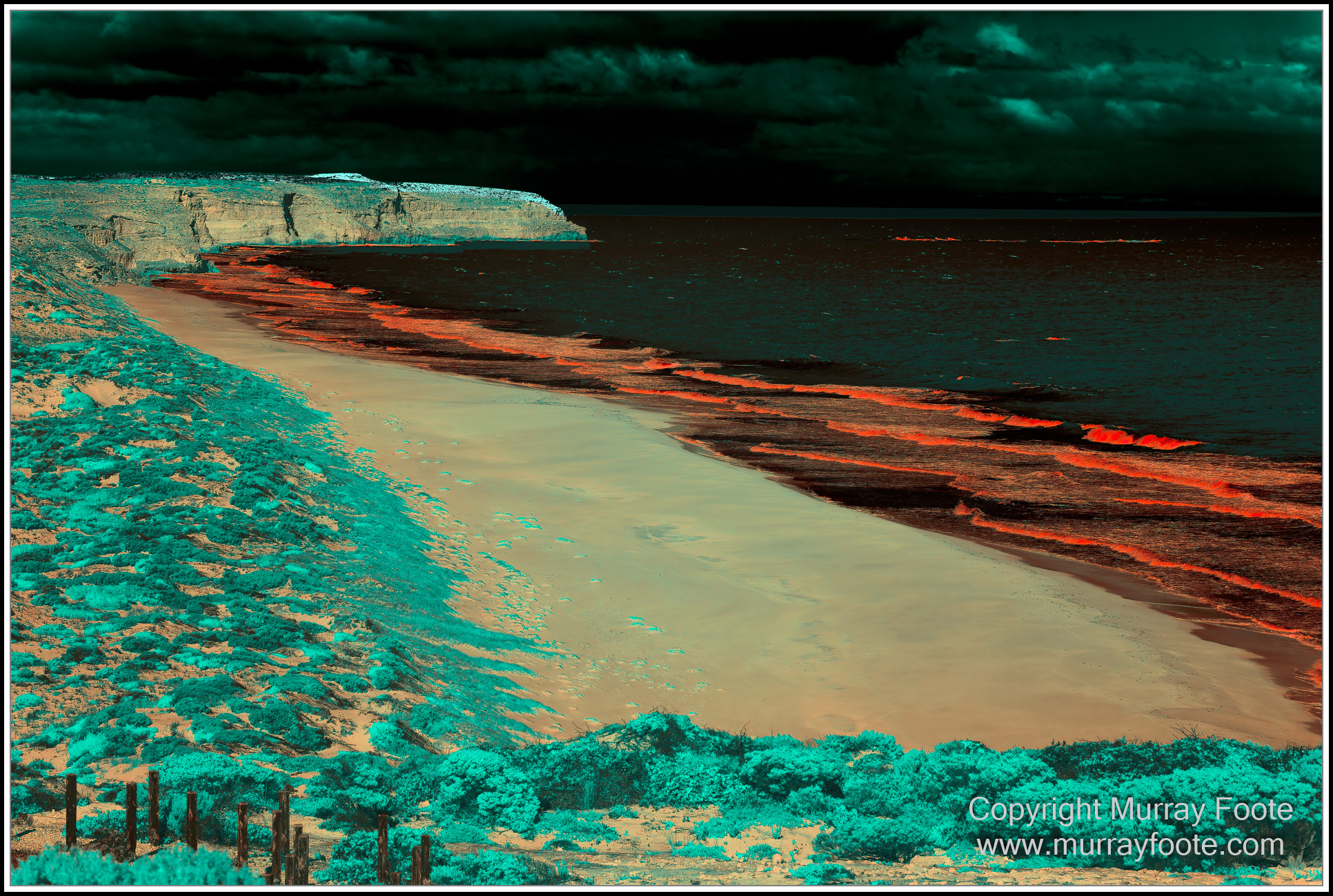
An ominous sea, looking east from West Cape Lookout.
.
.
.
. 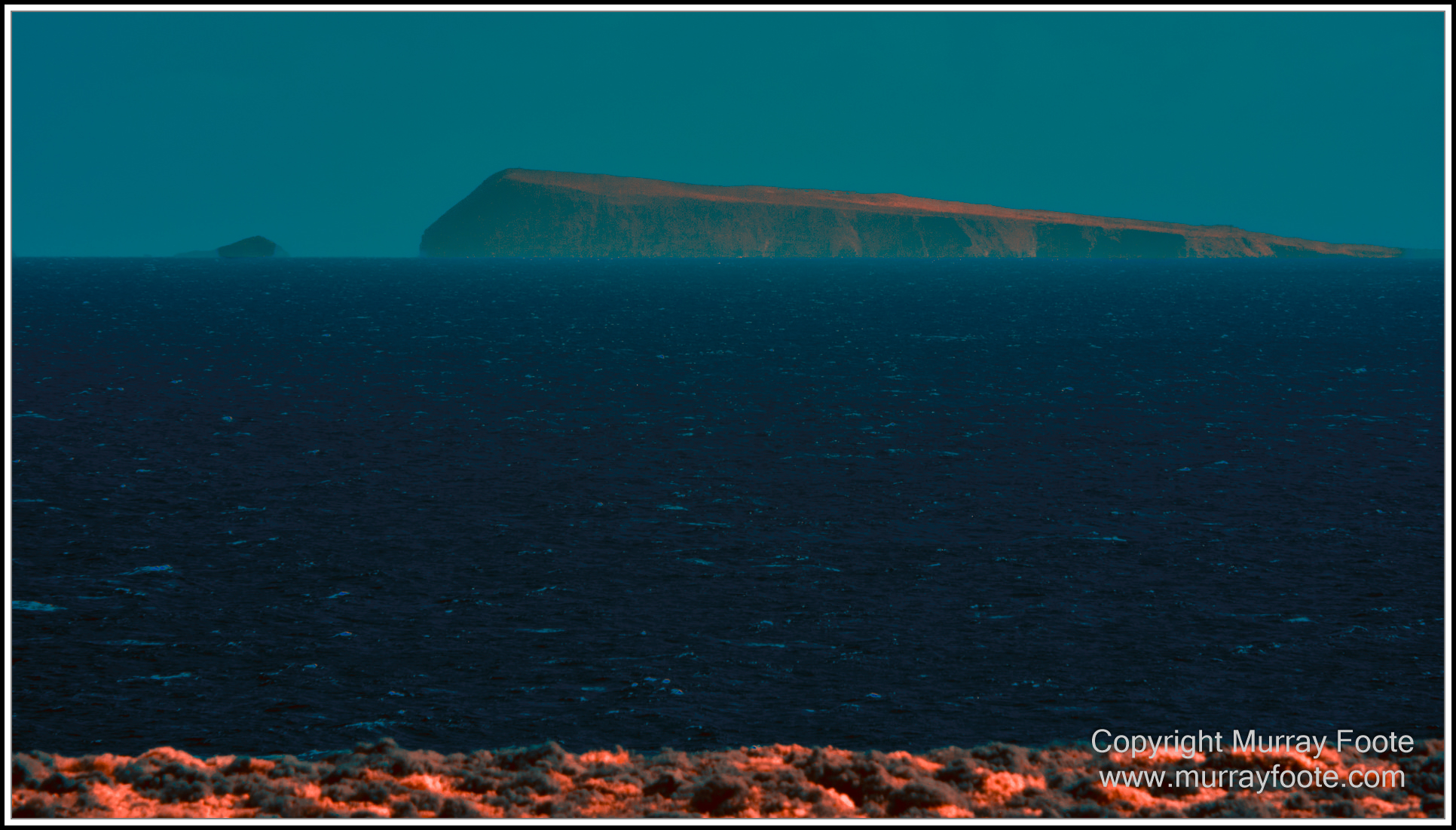
Wedge Island, enlarged in the far distance.
.
.
.
. 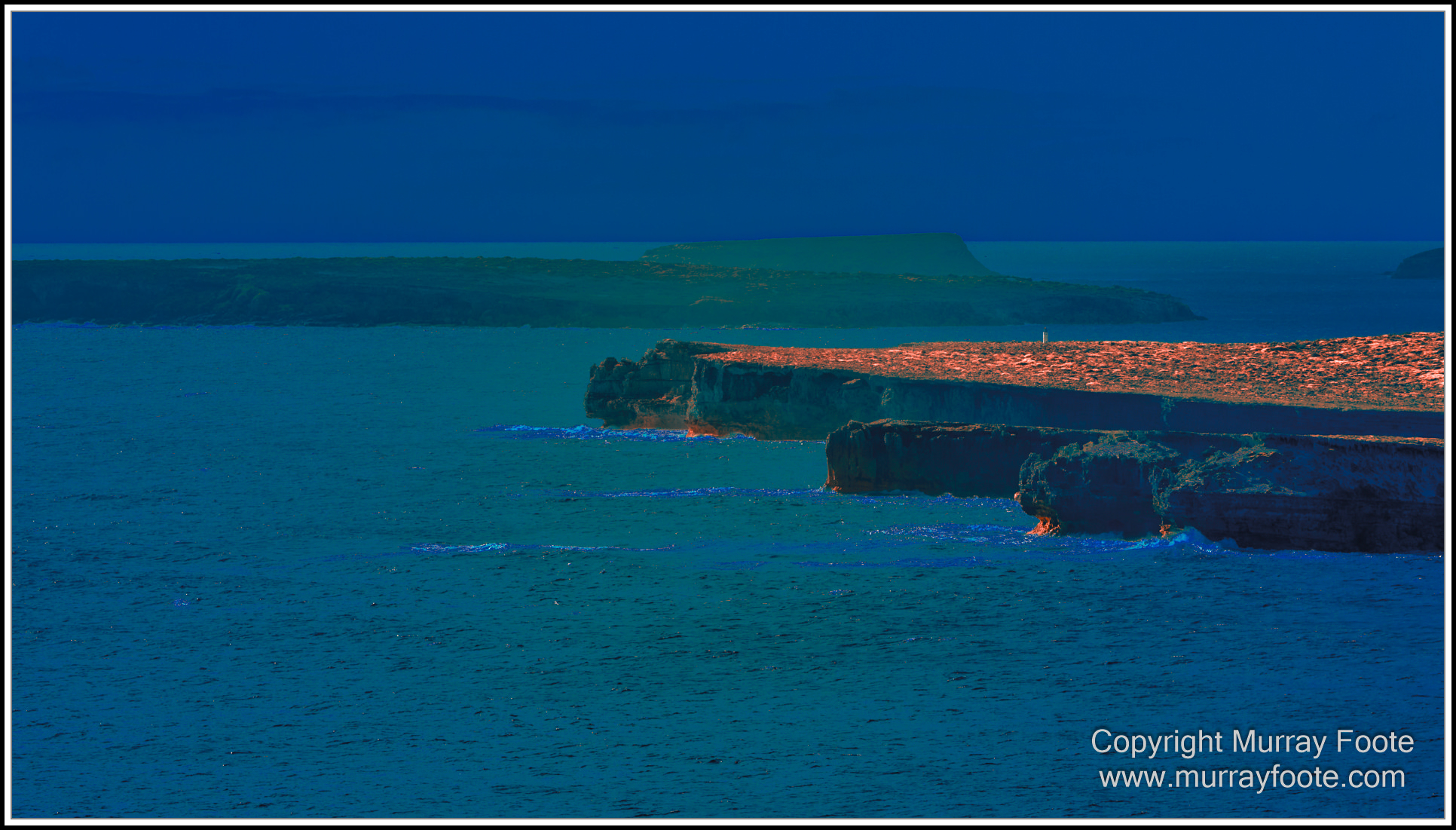
South Island (and beacon) firing up.
.
.
.
. 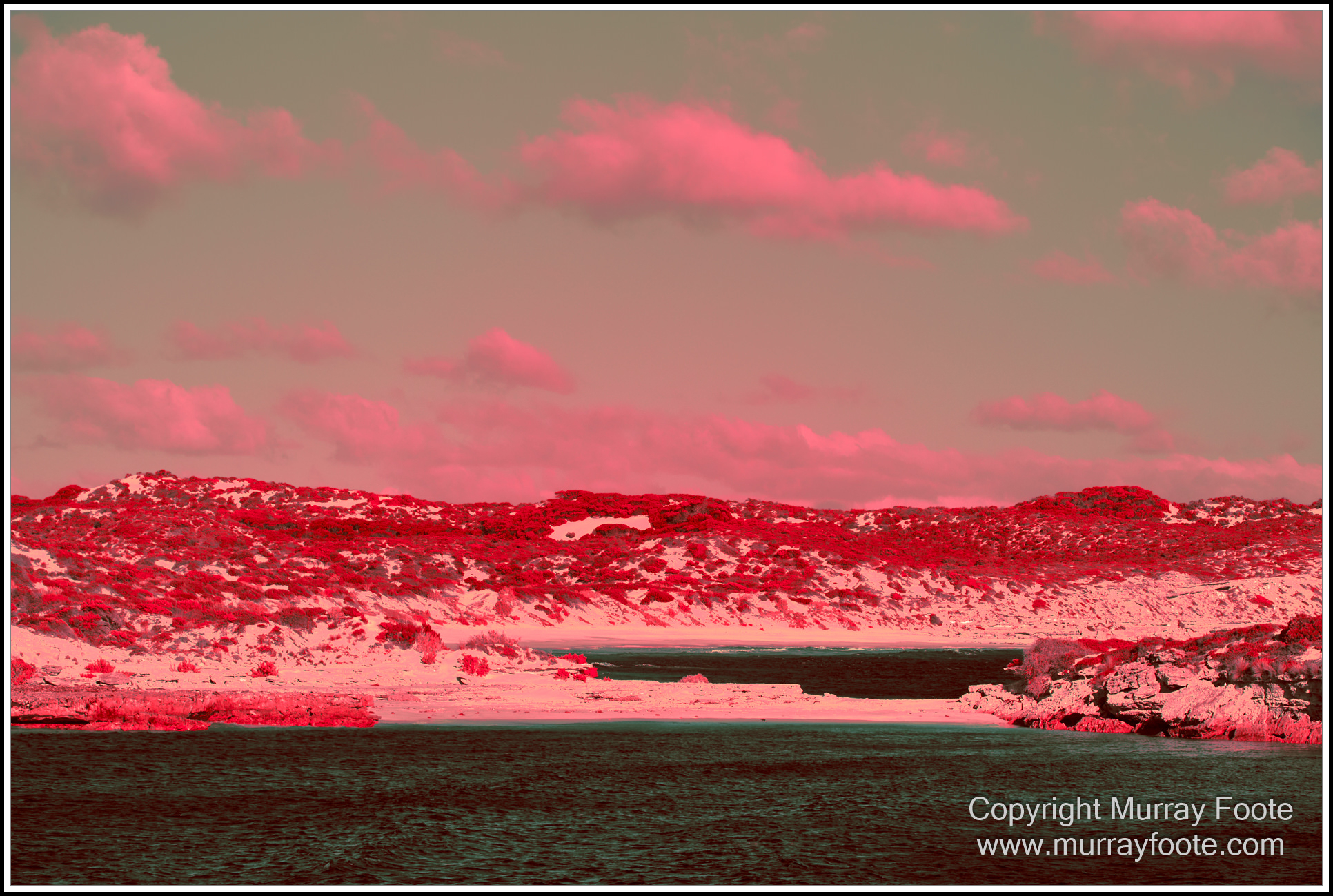
Think pink at Pondalowie Bay.
.
.
.
. 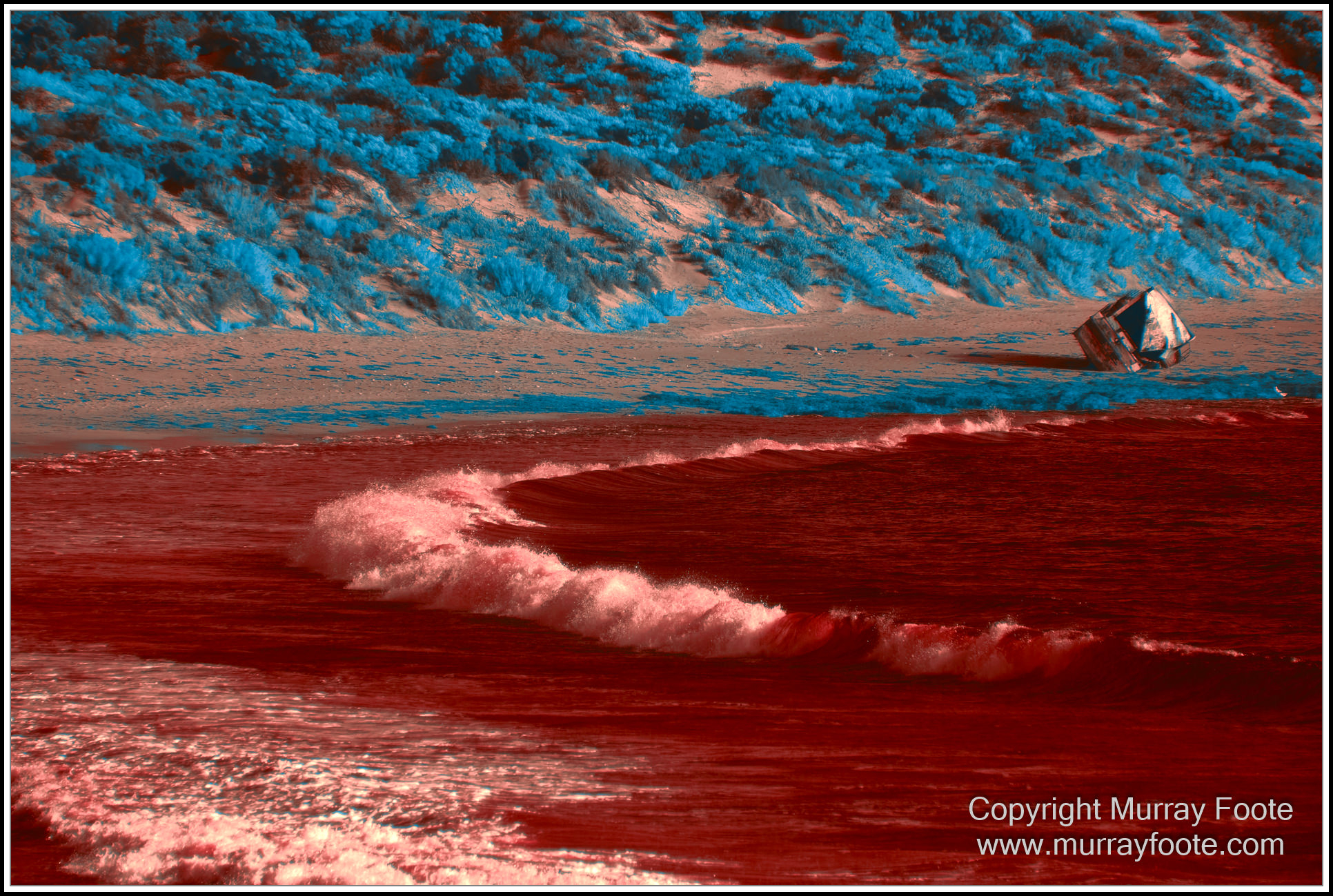
The Red Tide and Dead Boat, Pondalowie Bay.
.
.
.
. 
A golden glow.
.
.
.
. 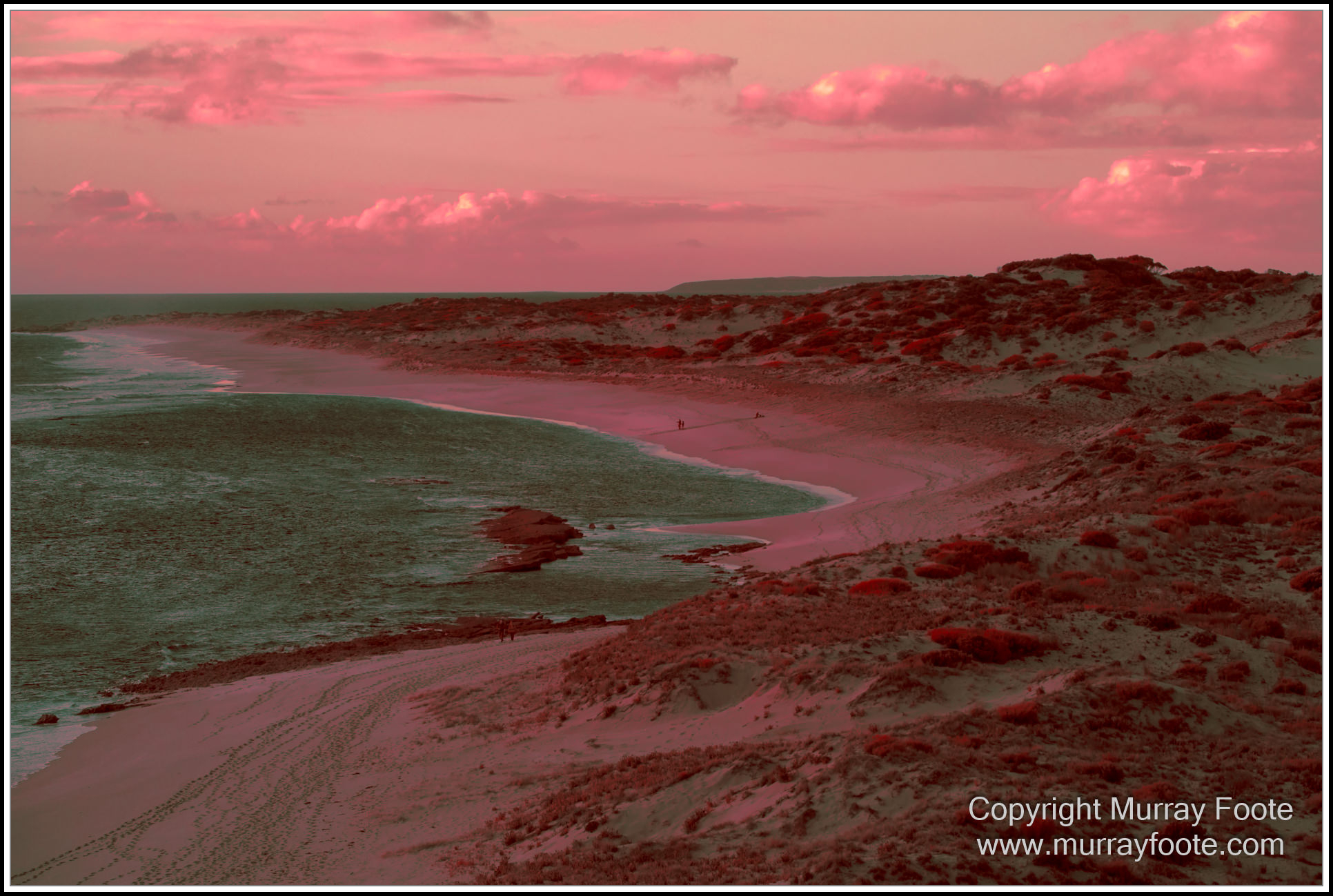
Brown’s Bay (distant view) in delicate light.
.
.
.
. 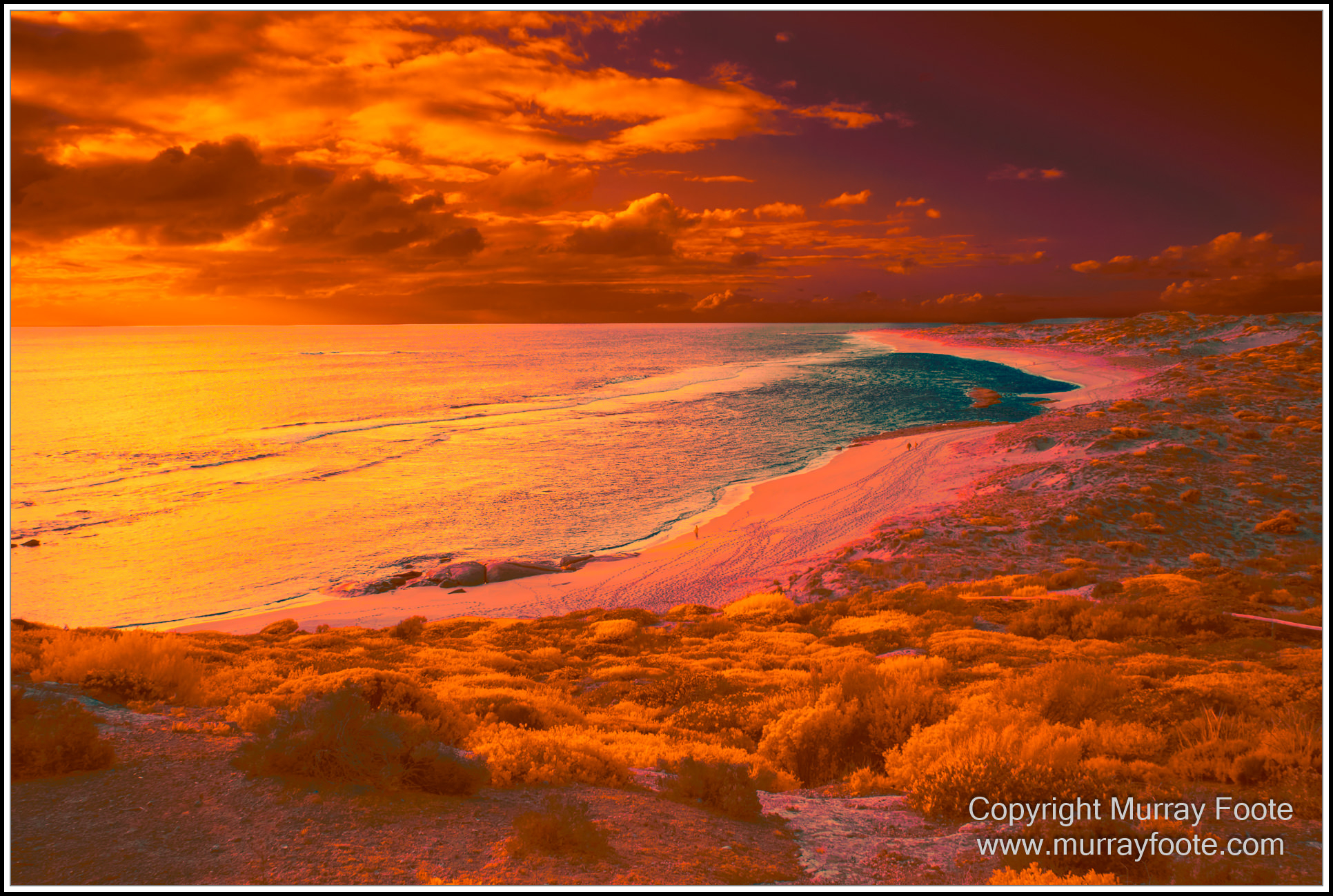
A New World Awakens
(Brown’s Bay).
.
.
.
.
The images in this post correspond to “ordinary” colour images in posts Inneston and South West Yorke Peninsula. Eleven of the twenty-nine images correspond at least partially to images in these posts; the rest are quite different compositions and subjects. There are no corresponding infrared images to the “normal” colour posts Adelaide to Inneston and Marine Misadventures, Yorke Peninsula.
.
.
40,000 Images!
I updated my links to all live music images I have taken since 2006 a few days ago. This Blog has over 1200 posts and 21,000 images. There are also links to my live music images that you can access though the Blog. That means there are now 40,000 images either in the Blog or accessible from the Blog. If you printed them out to A4 size (roughly 10×8″), they would come to nearly twelve kilometres long (7.5 miles).
.
 Murray Foote