Adelaide, 11 July 2024.
.
(For Recent Posts, Top Posts, Subscribe and Search: go to bottom of page. Clicking an image doubles size. Trip summary and links to posts.)
Links go to equivalent colour posts with more information. If no link, the preceding one applies.
.

Entrance to Memphis Slim’s House of Blues.
Since we were in Adelaide for a couple of days, I looked to see what gigs were on. We ended up going to see Jesse Deane-Freeman and the Rhythm Aces playing at Memphis Slim’s House of Blues. I had a CD of his from the late 80s when he was a teenage prodigy playing boogie-woogie piano in Cairns.
.
.
.
. 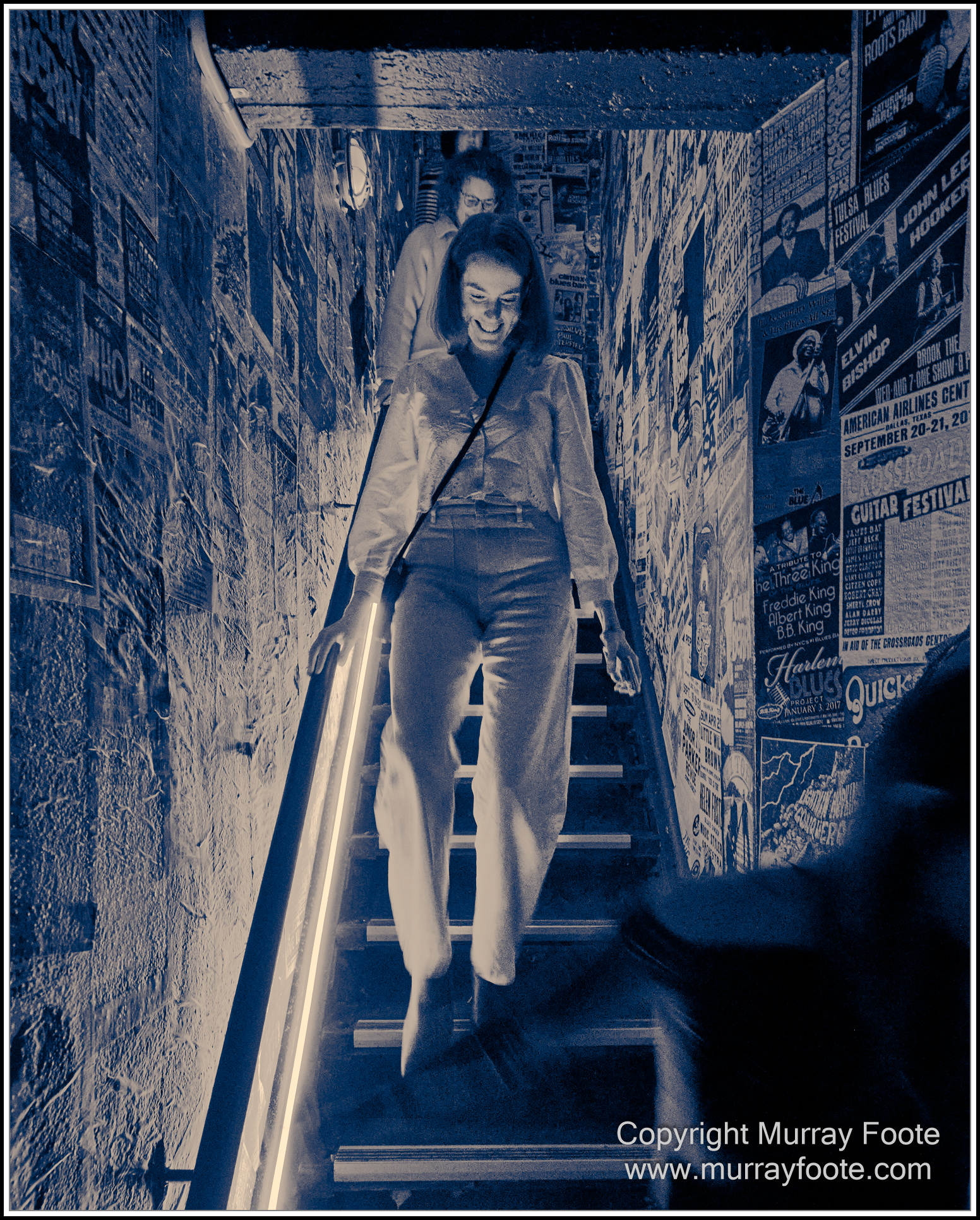
Walking in …
.
.
.
. 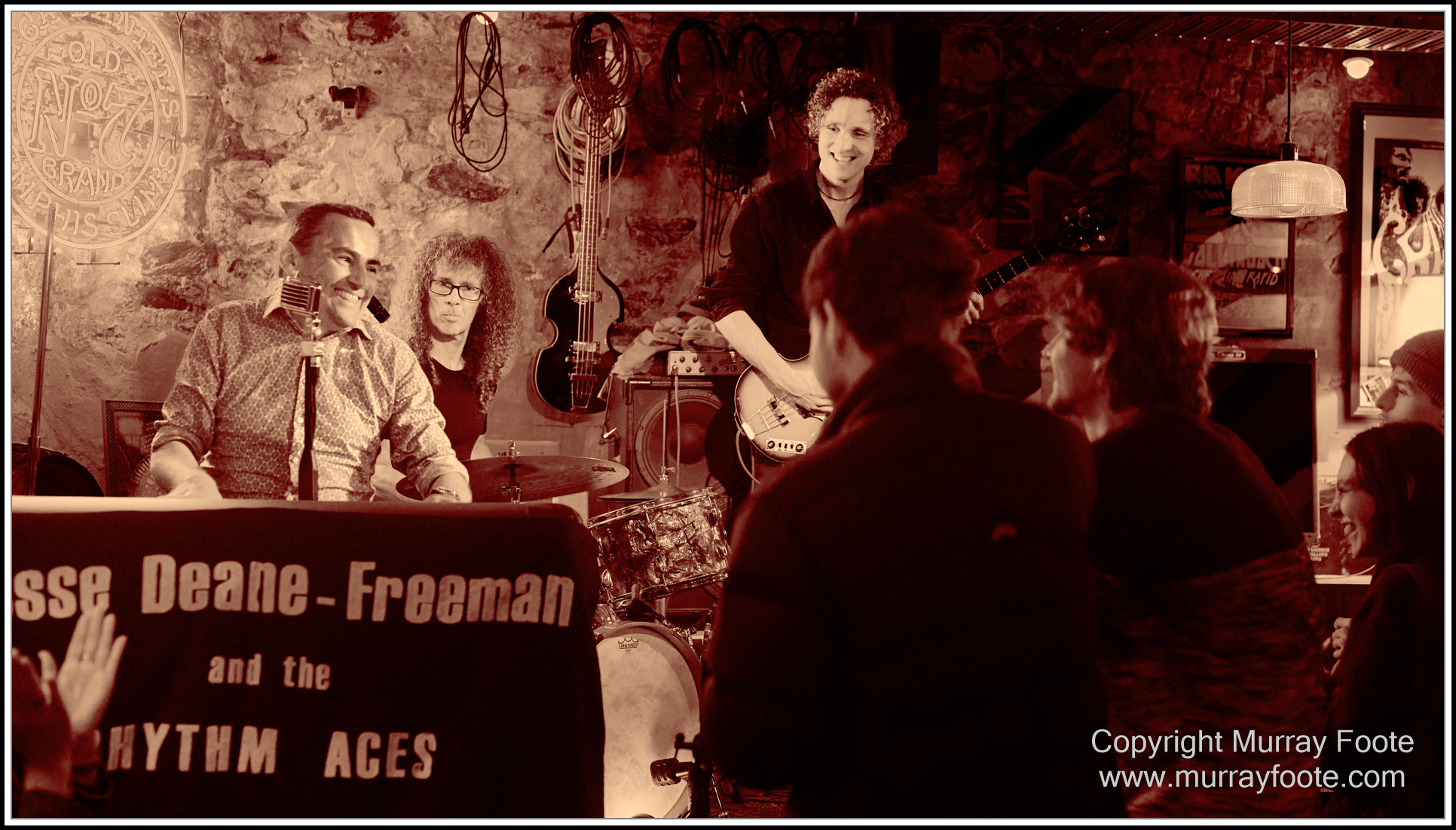
Jesse Deane-Freeman and the Rhythm Aces.
.
.
.
. 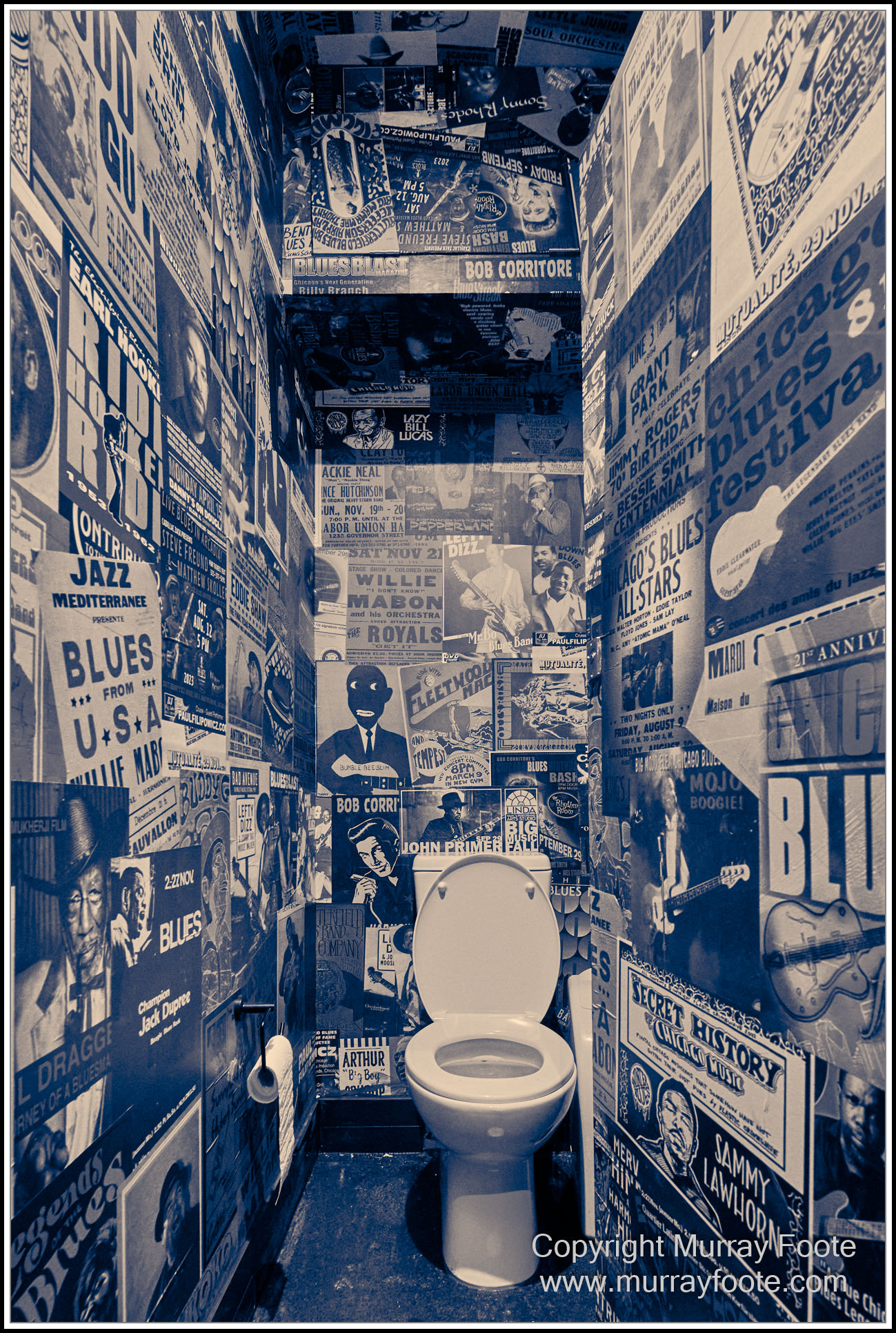
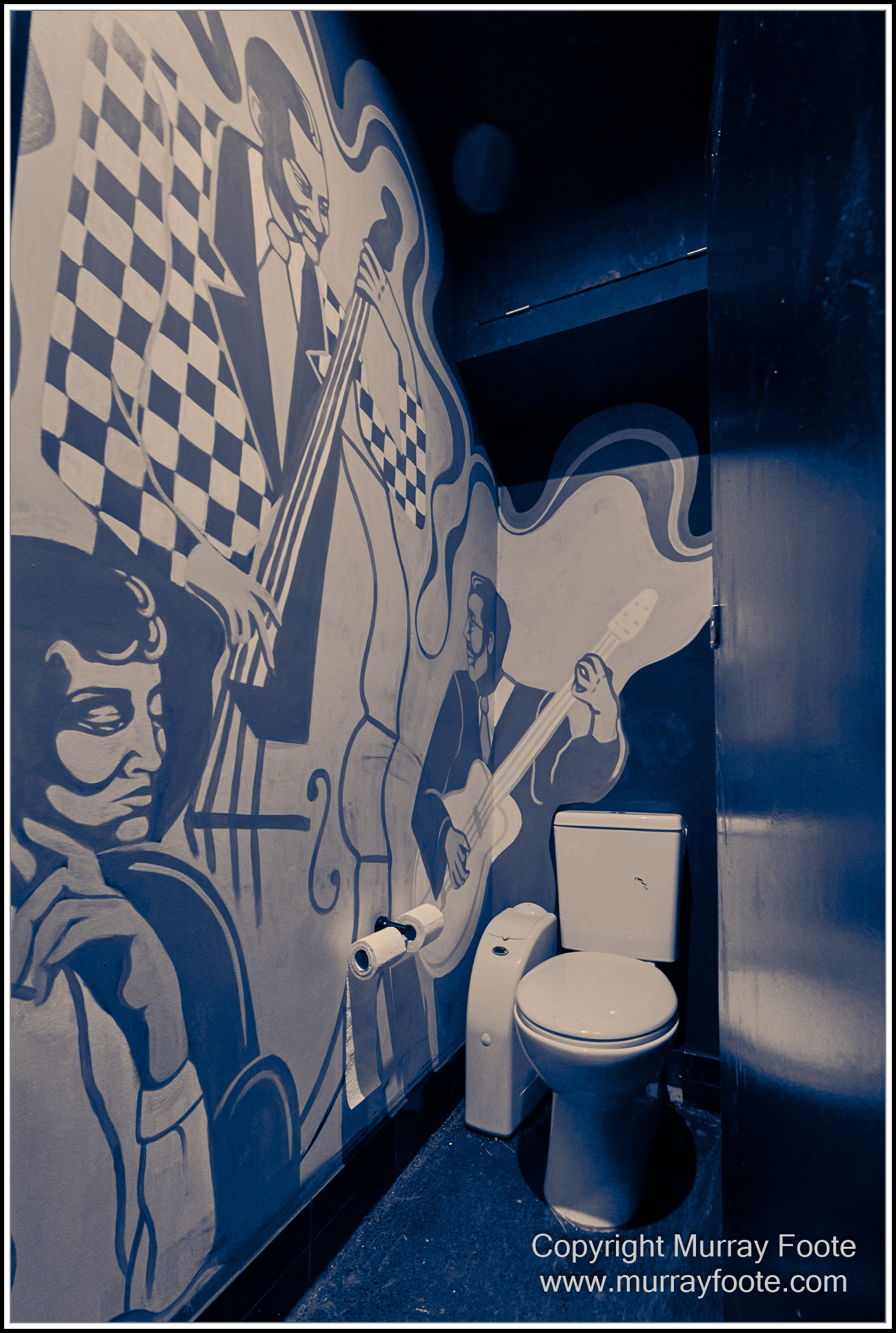
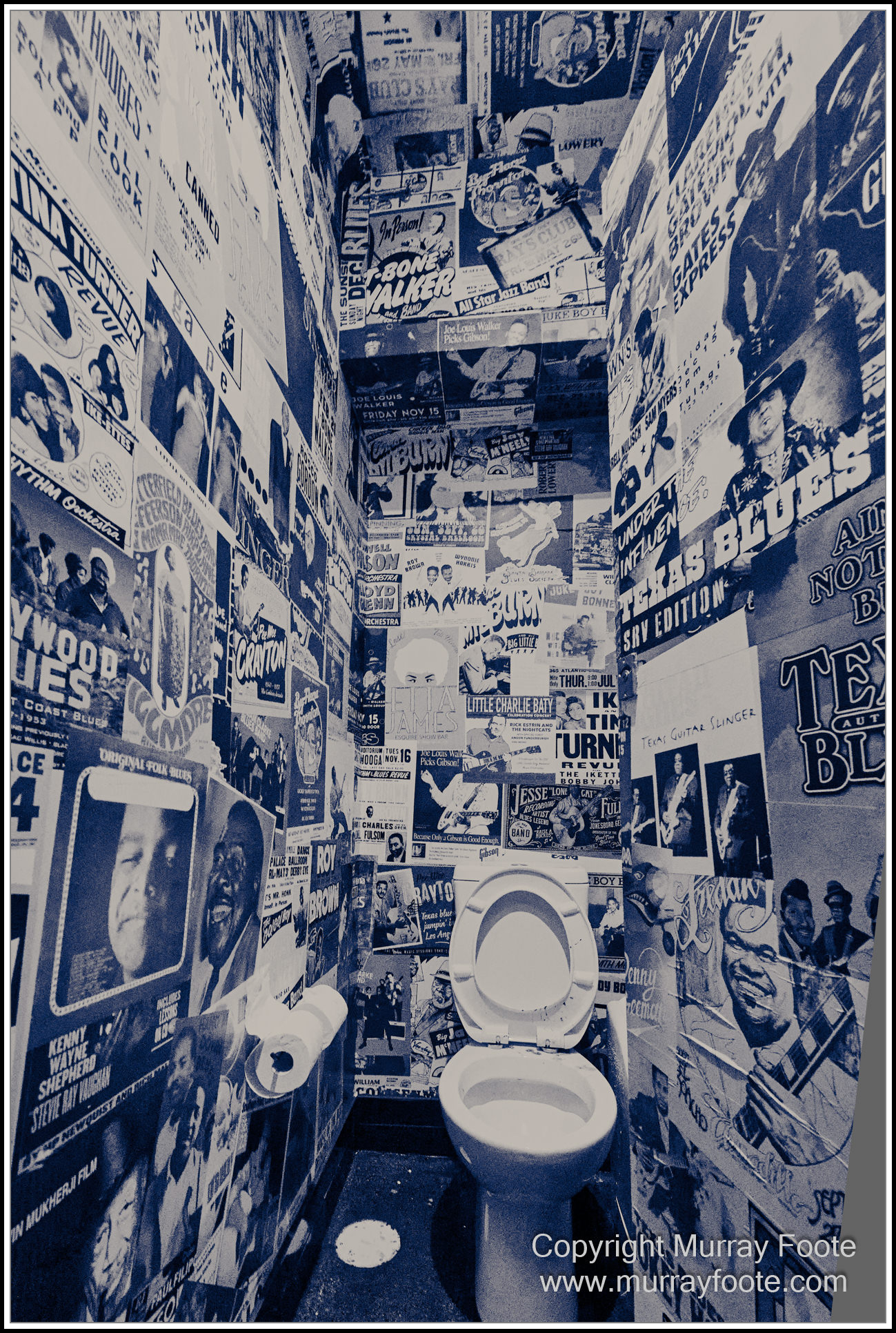
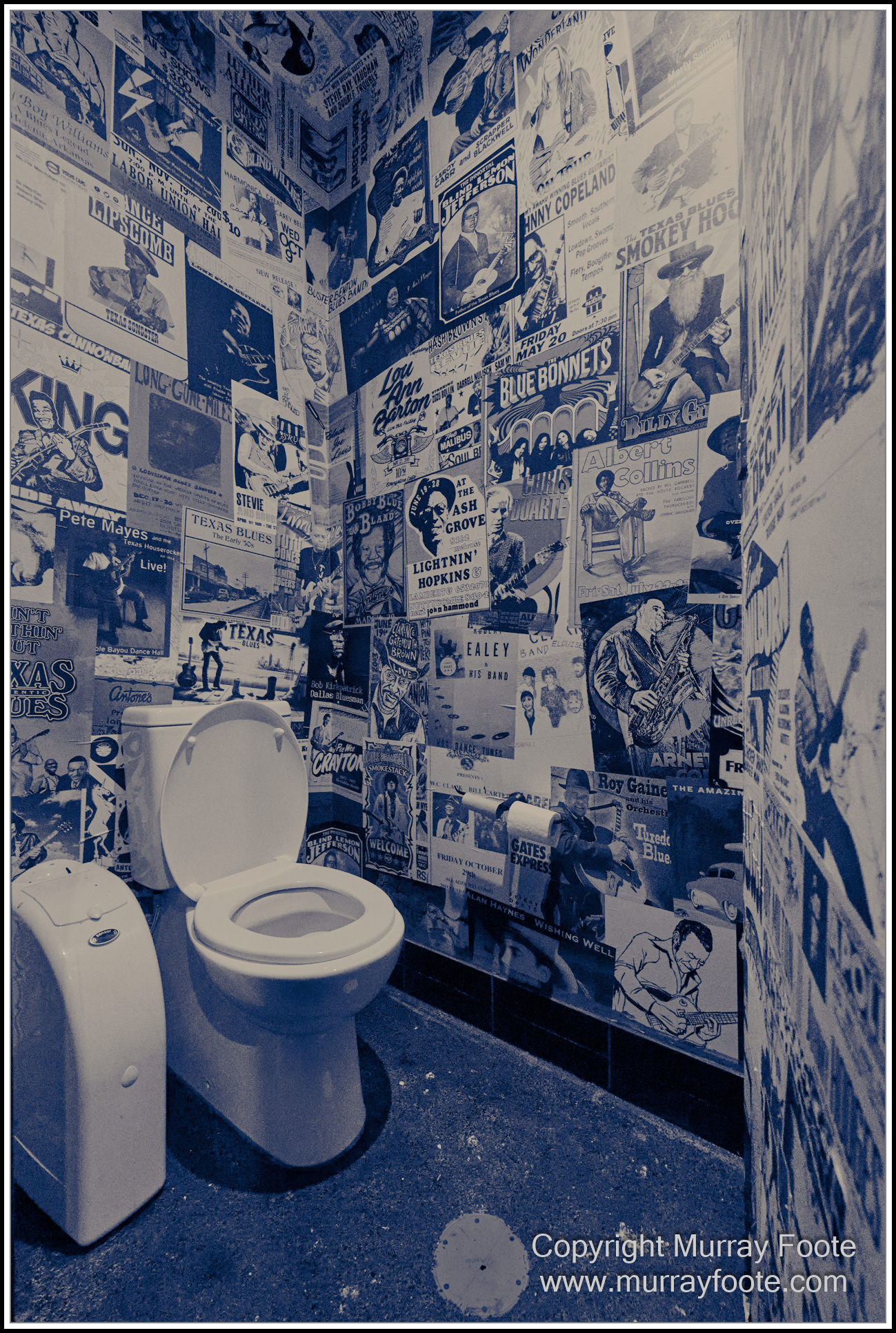
I almost immediately made a beeline for the toilets.
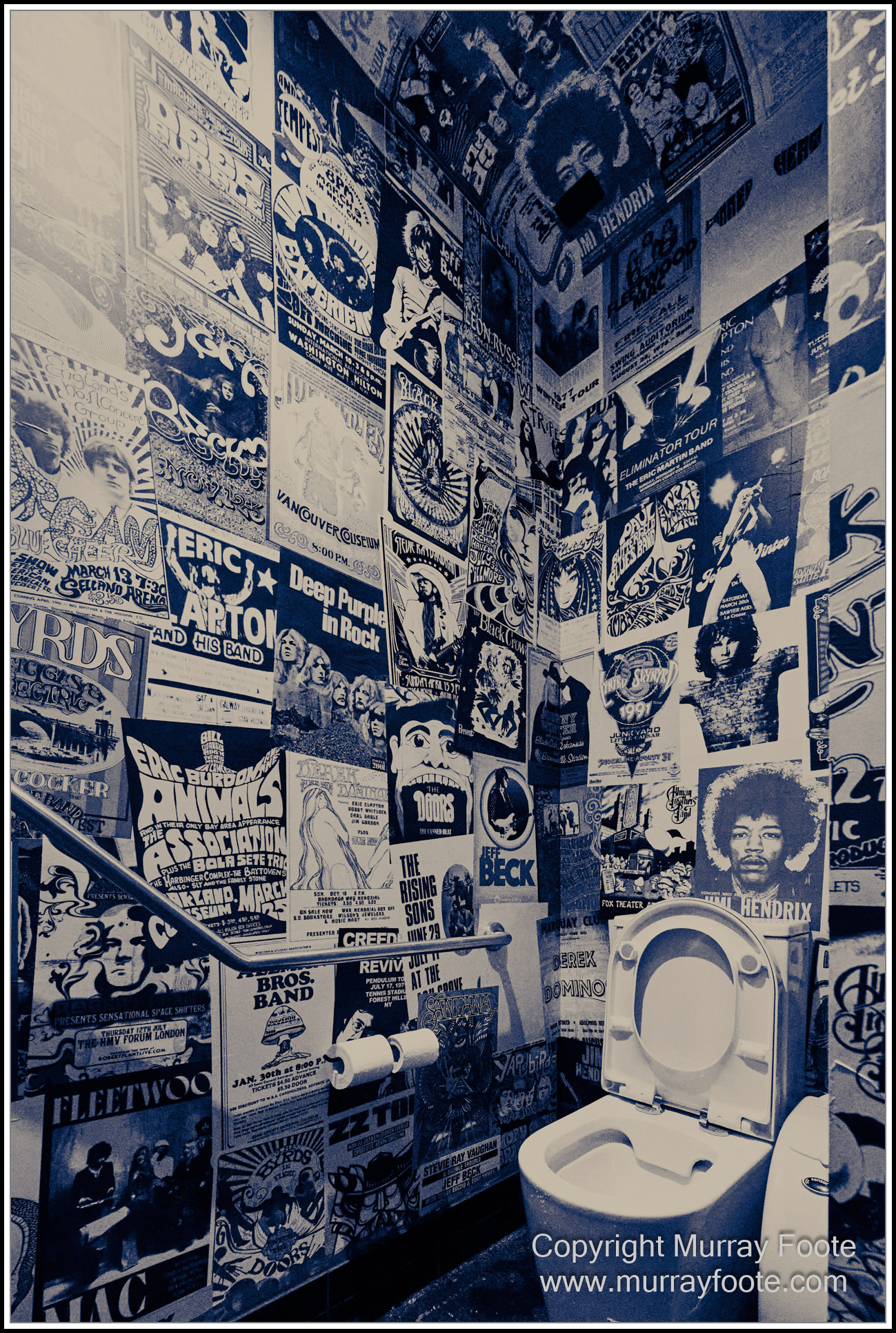
This was not a case of need. On walking in, I met some very friendly people who told me I just had to go and photograph the toilets, which had just been renovated, as you can see….
.
.
.
.  .
.
.
.
.  .
.
.
.
.  .
.
.
.
.  .
.
.
.
. 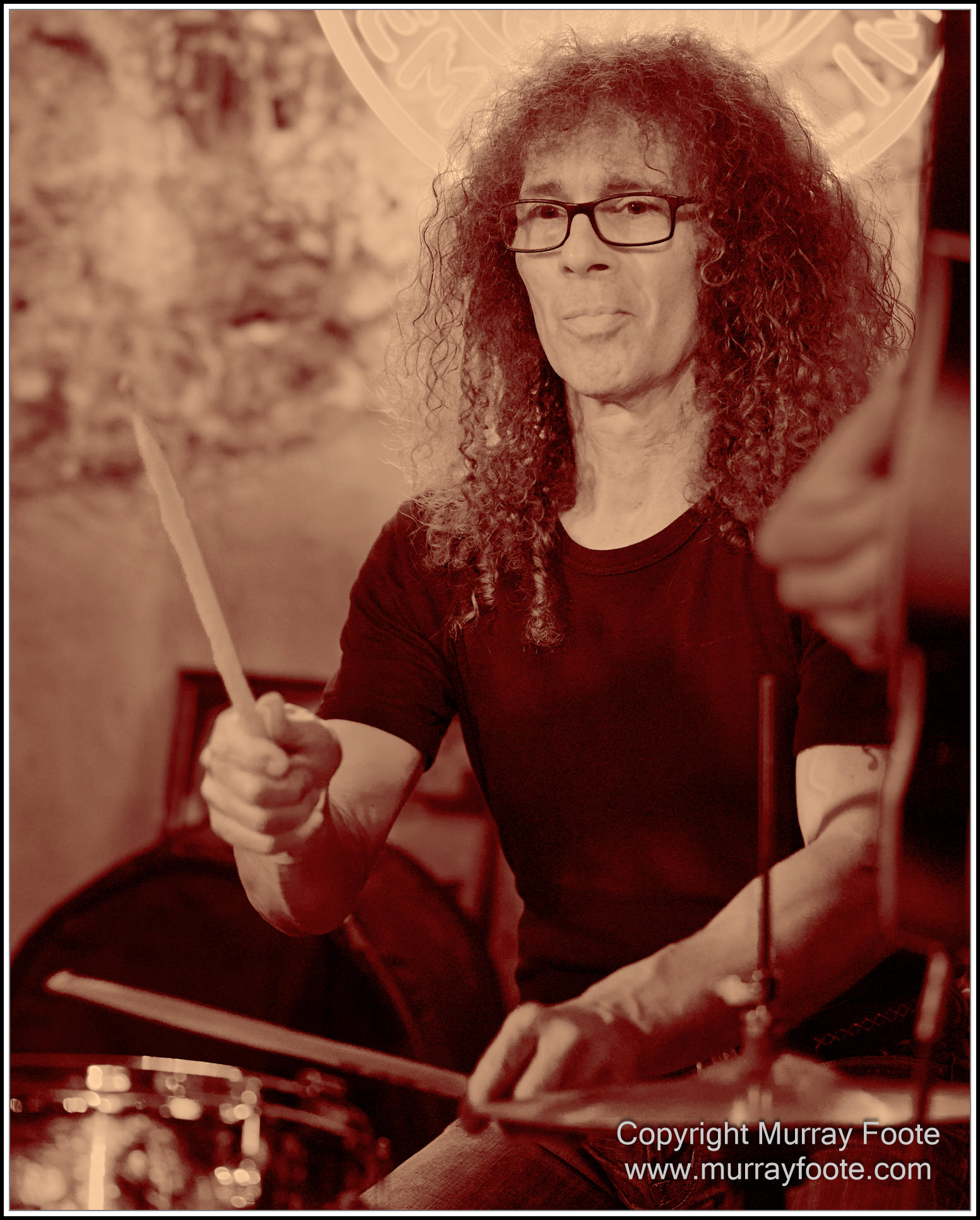
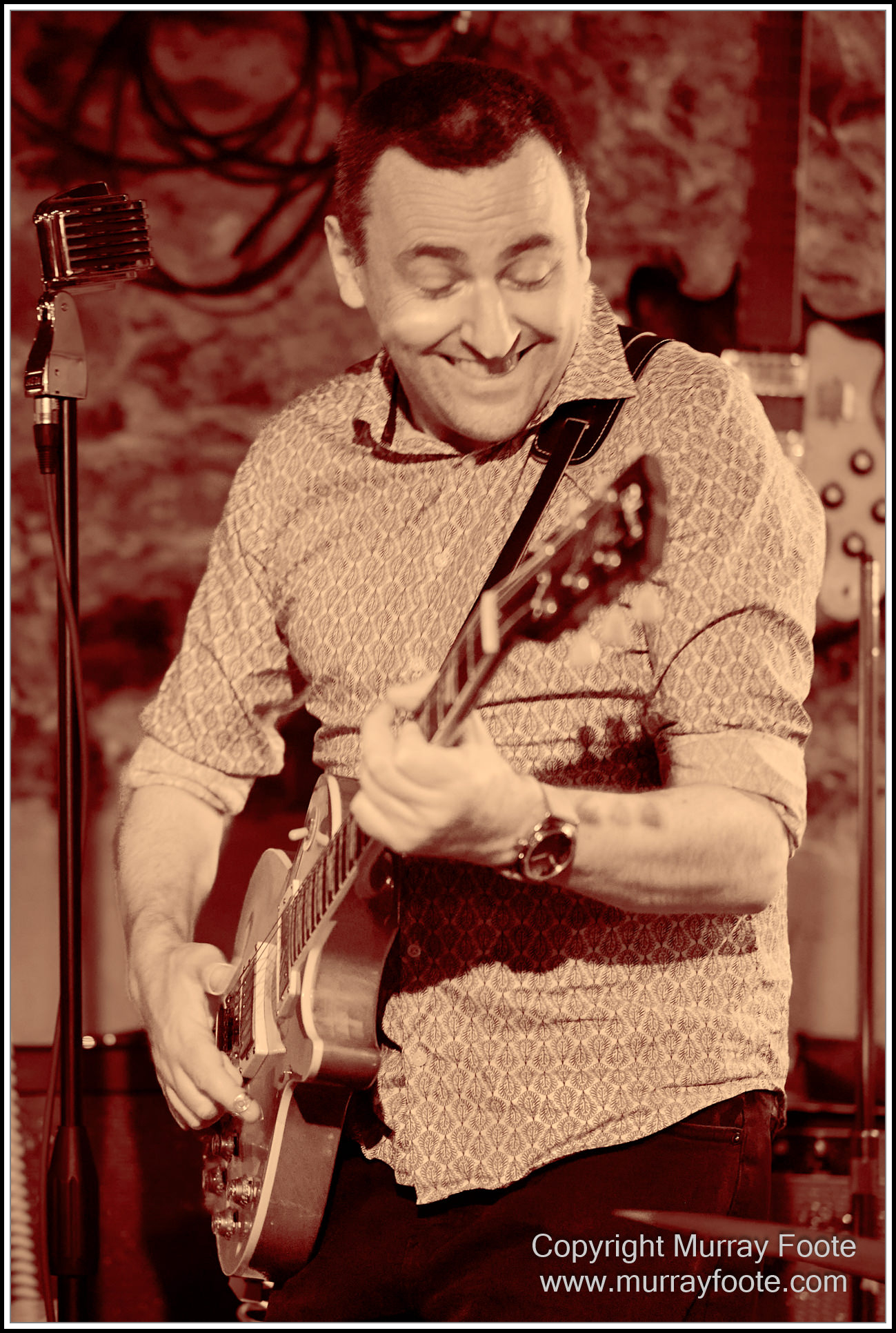
Mickey Garcia.
(Back with the band)
.
.
.
.. 
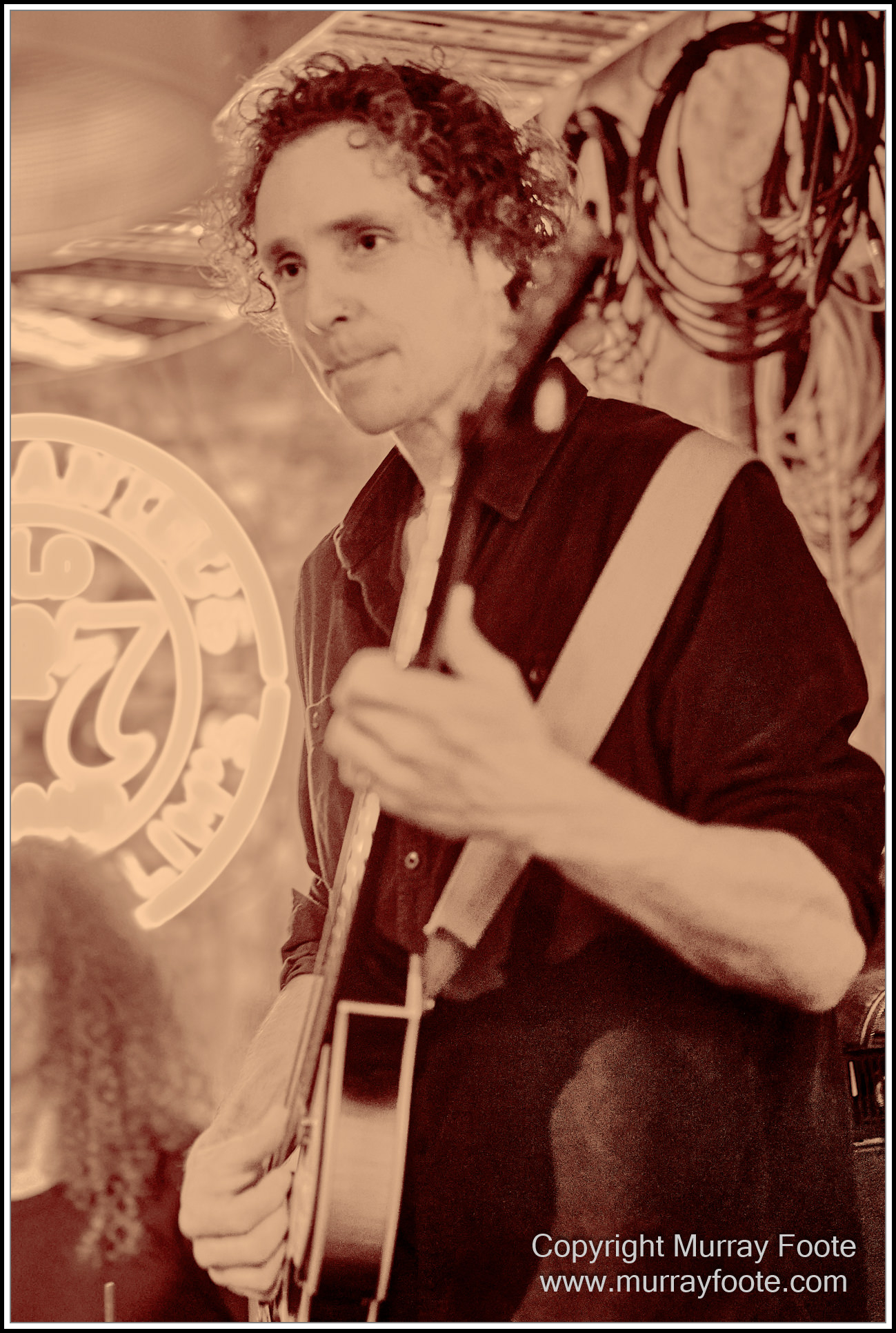
Jesse Deane-Freeman.
.
.
.
. 
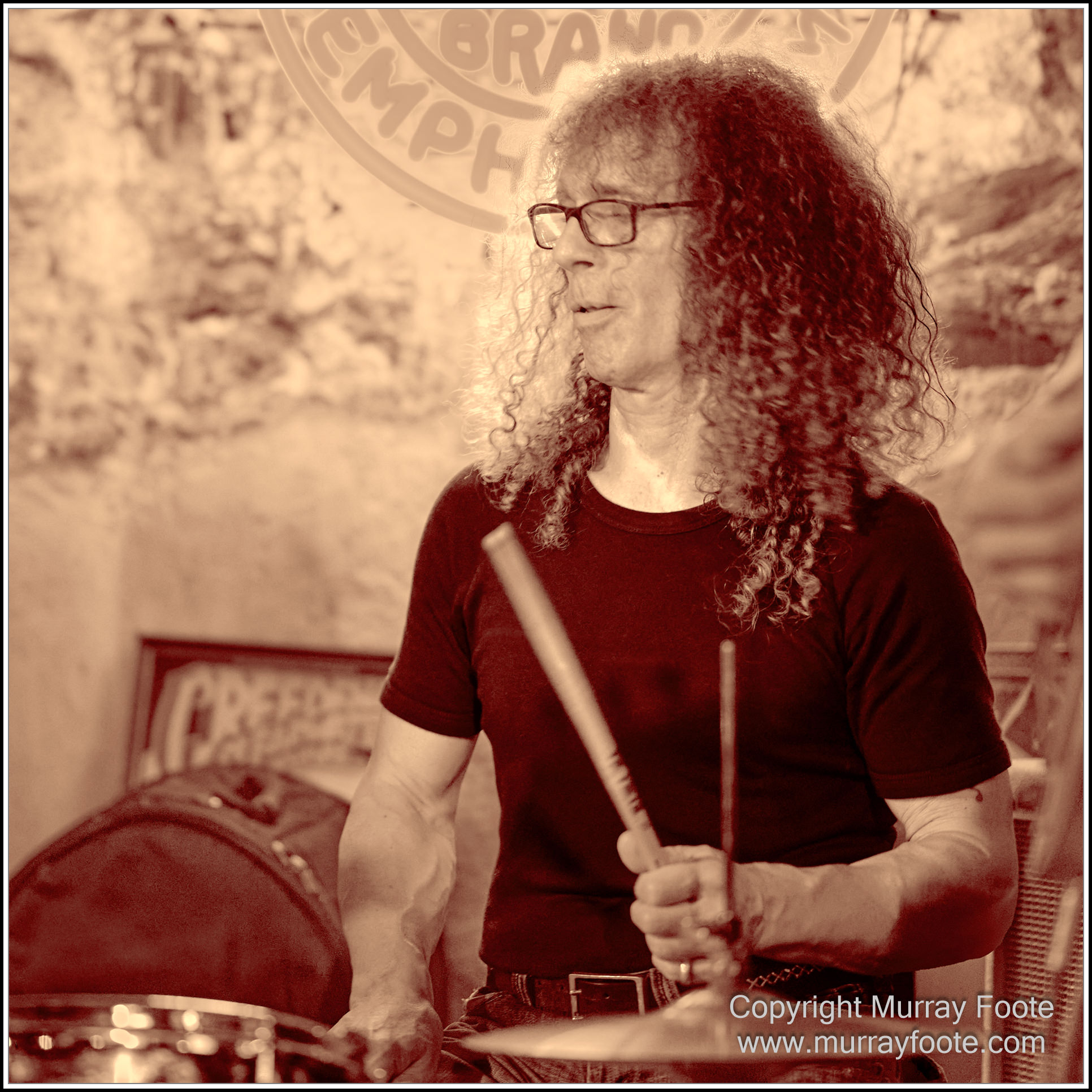
Jason Mannix.
.
.
.
. 
Mickey Garcia.
.
.
.
. 
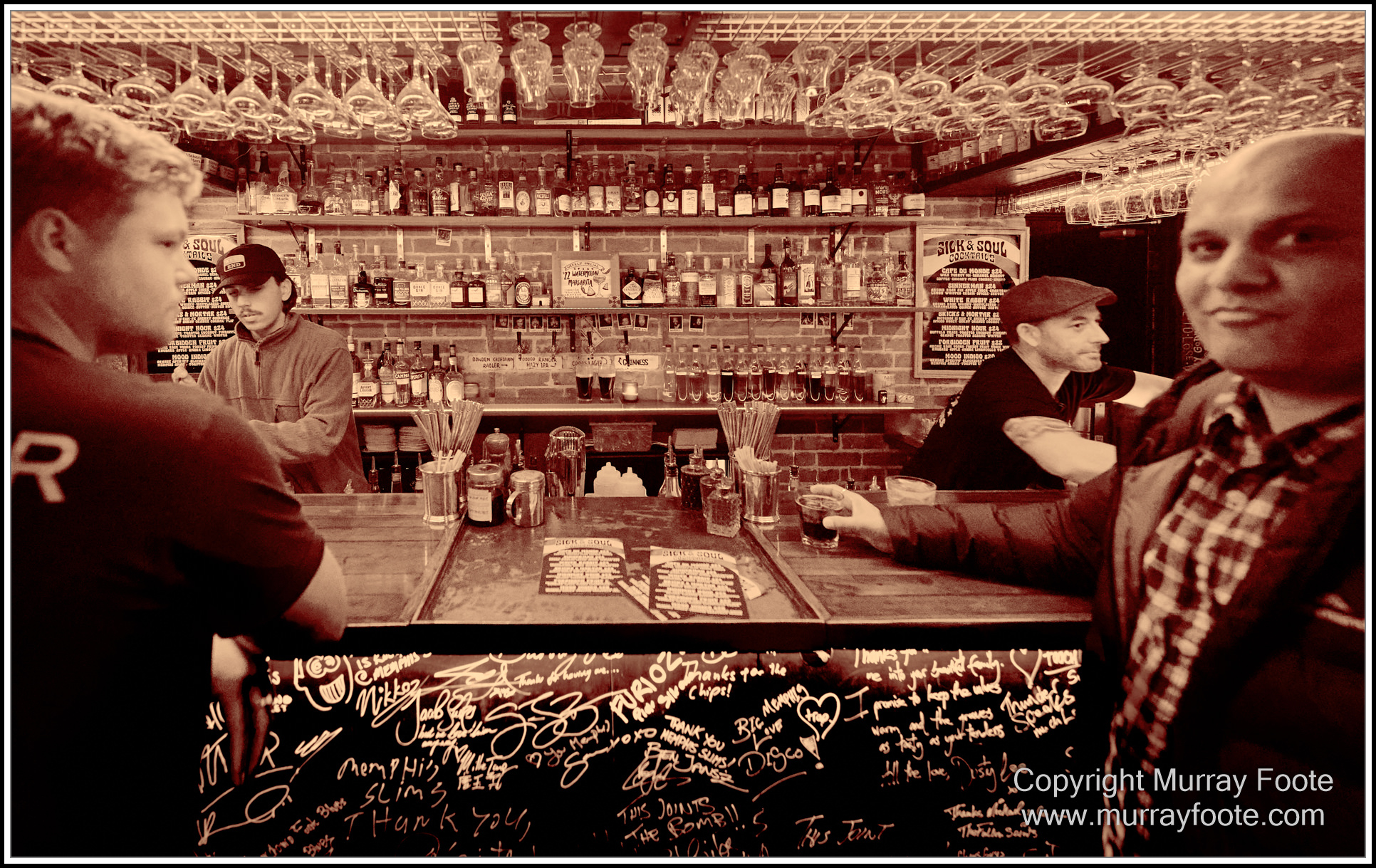
The audience.
.
.
.
. 
The bar.
.
.
.
. 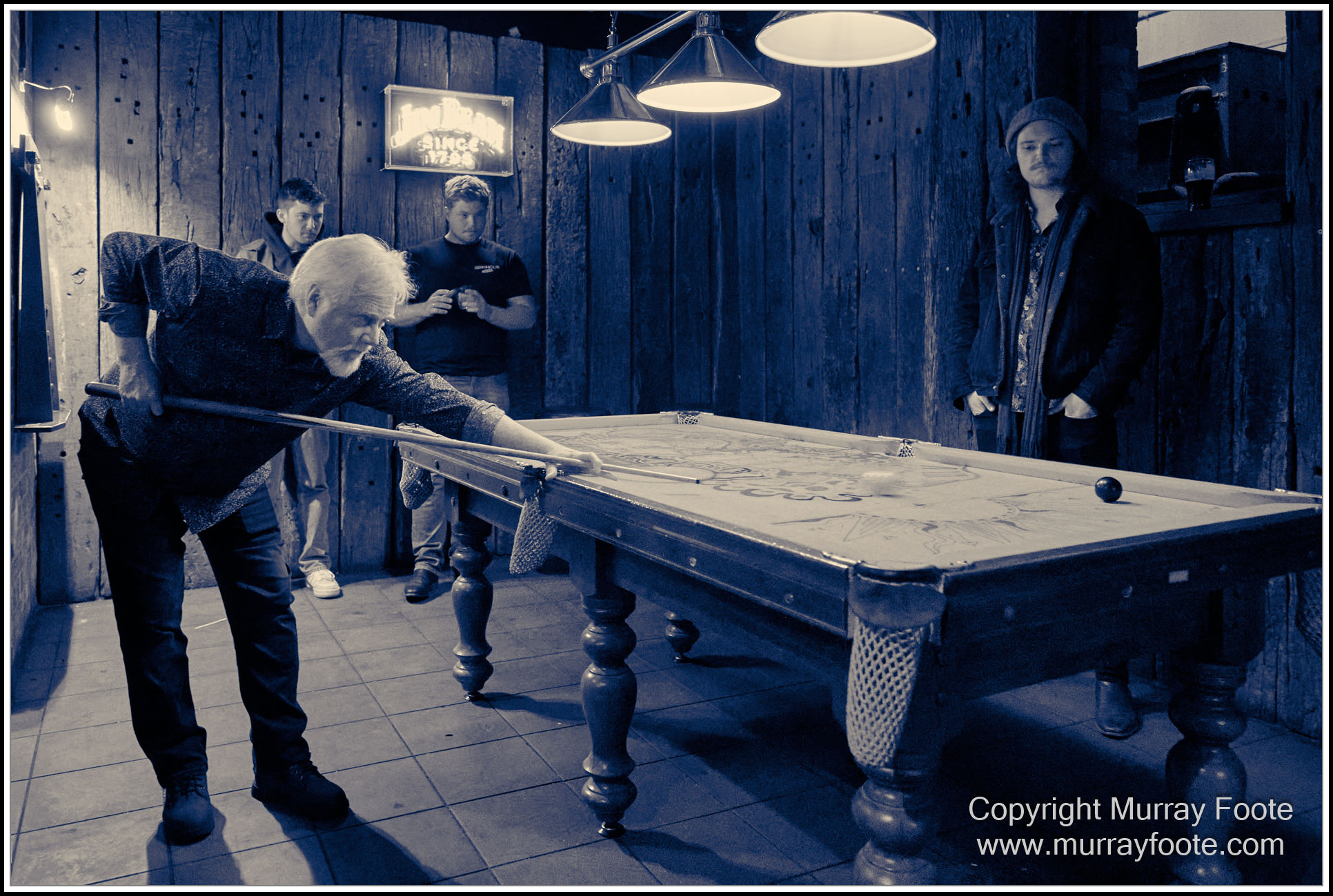
The pool room.
.
.
.
. 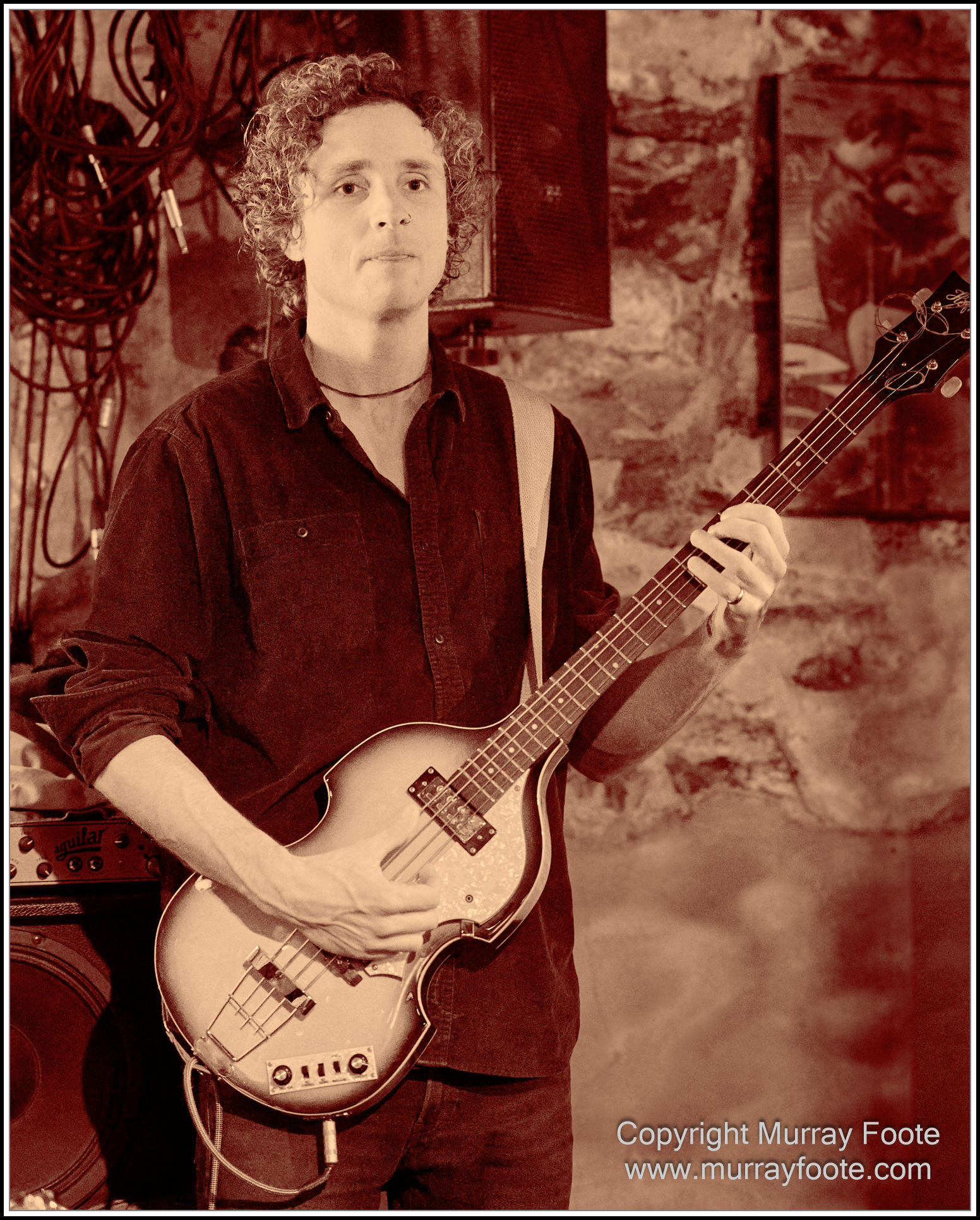
Jason Mannix.
.
.
.
. 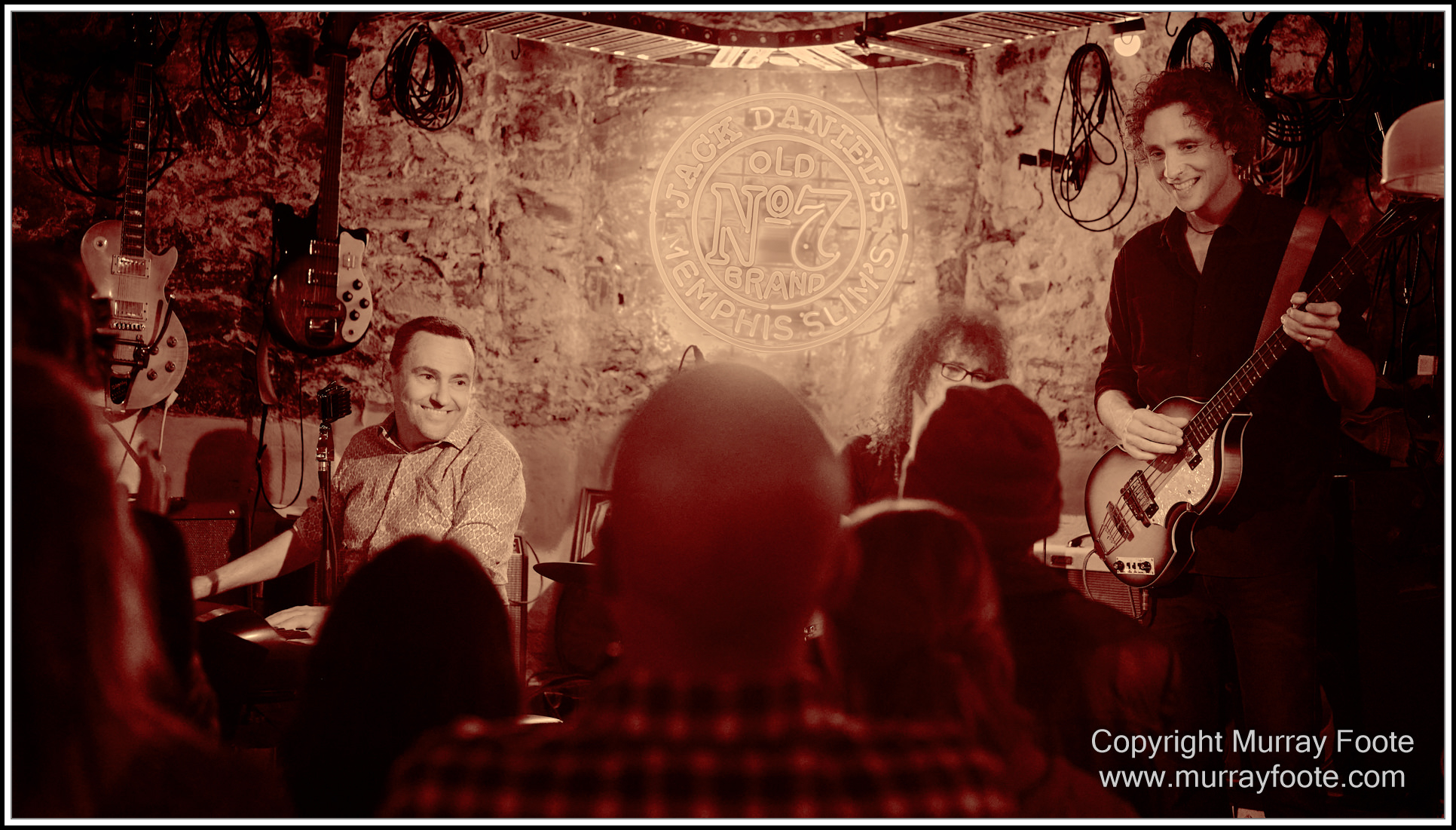
The band.
.
.
.
. 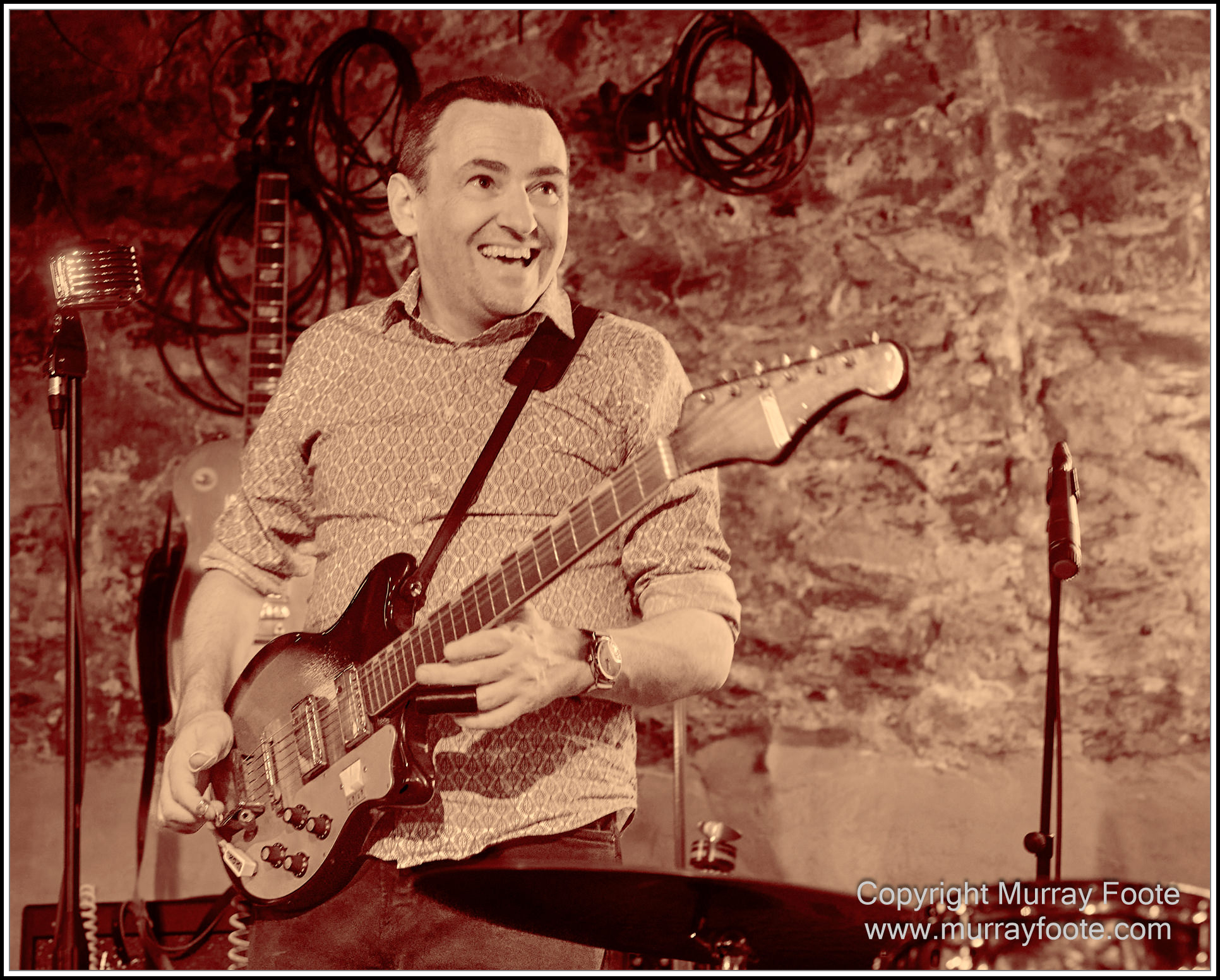
Jesse Deane-Freeman.
.
.
.
. 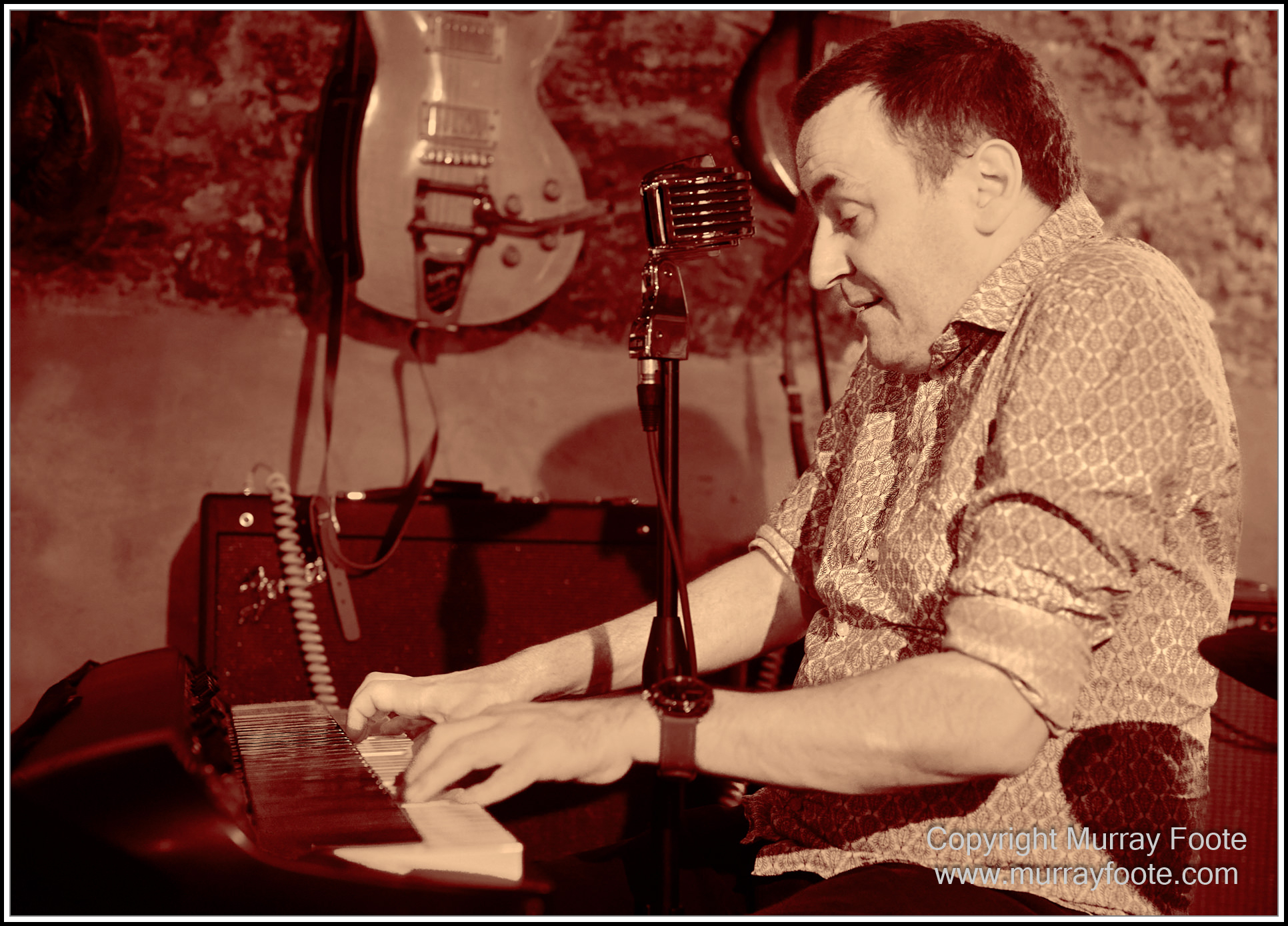
Jesse Deane-Freeman.
.
.
.
. 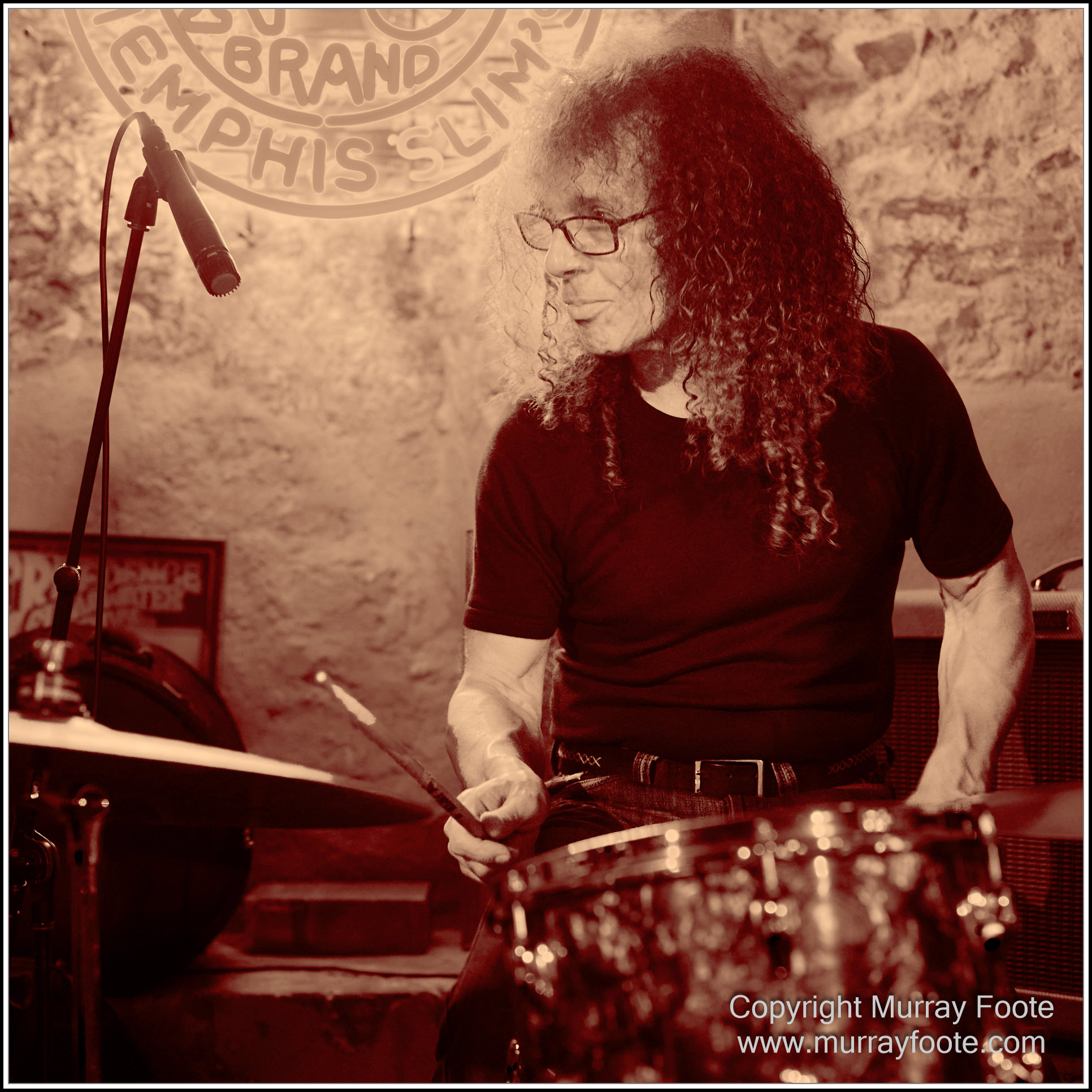
Mickey Garcia.
.
.
.
. 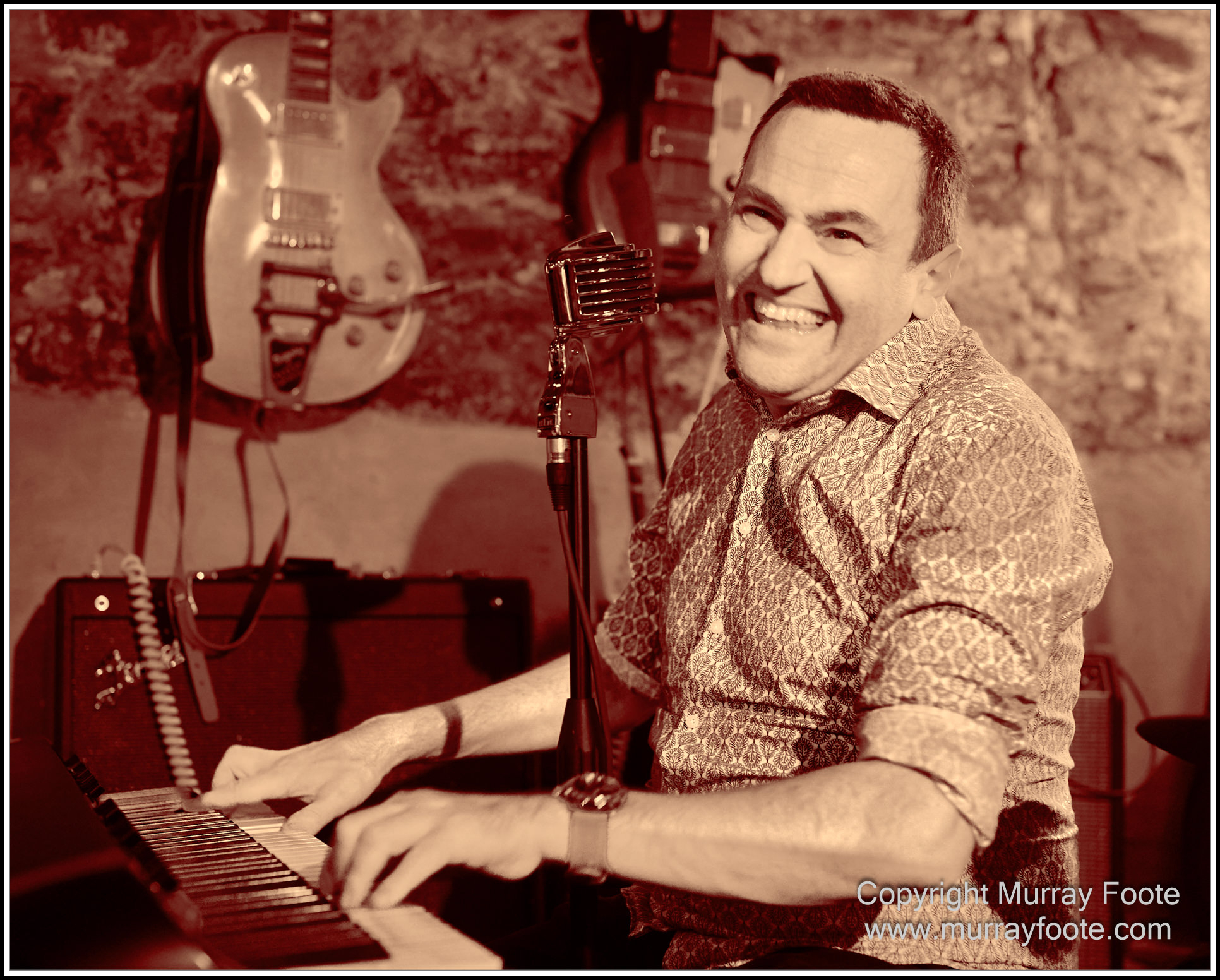
Jesse Deane-Freeman.
.
.
.
. 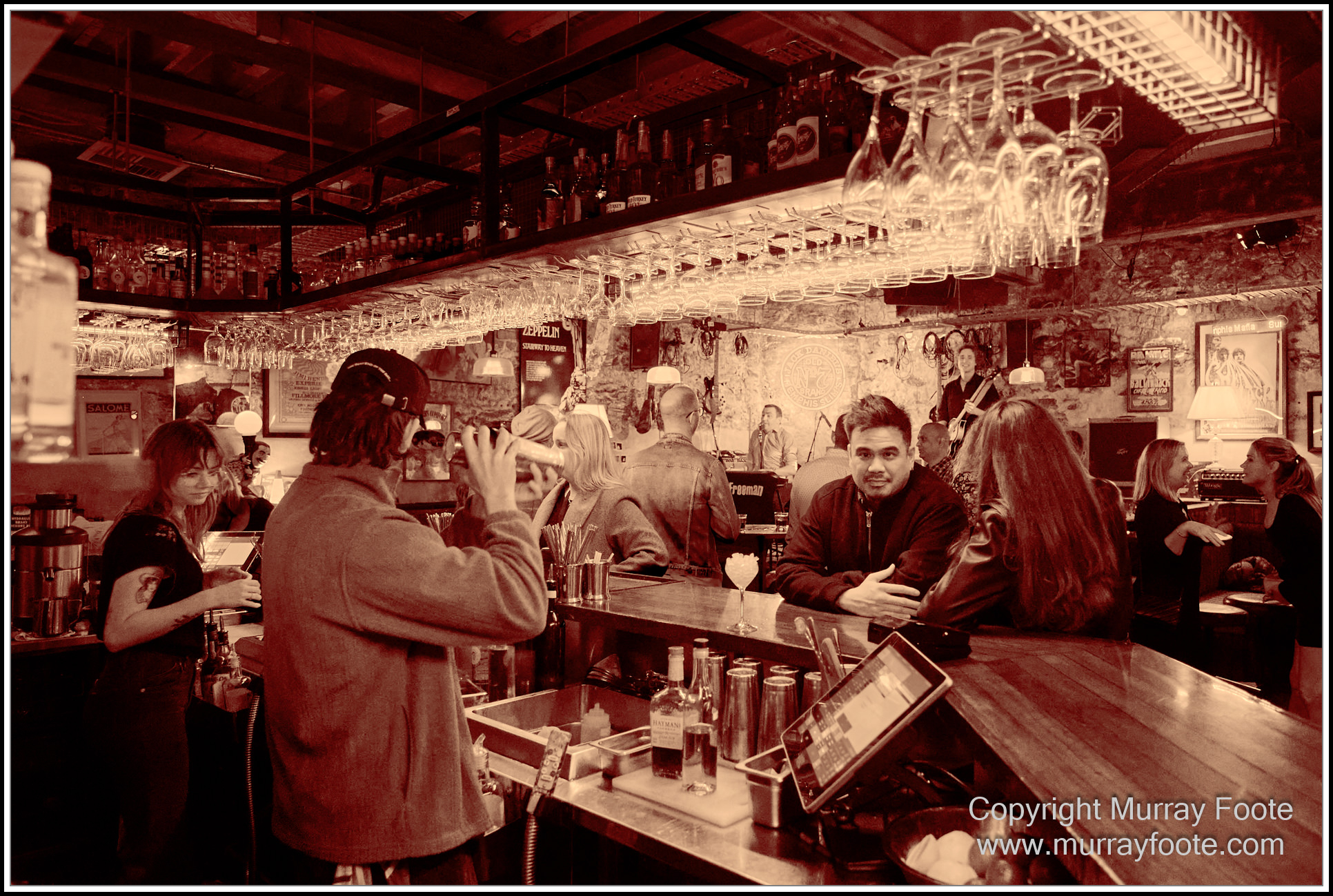
From behind the bar.
.
.
.
. 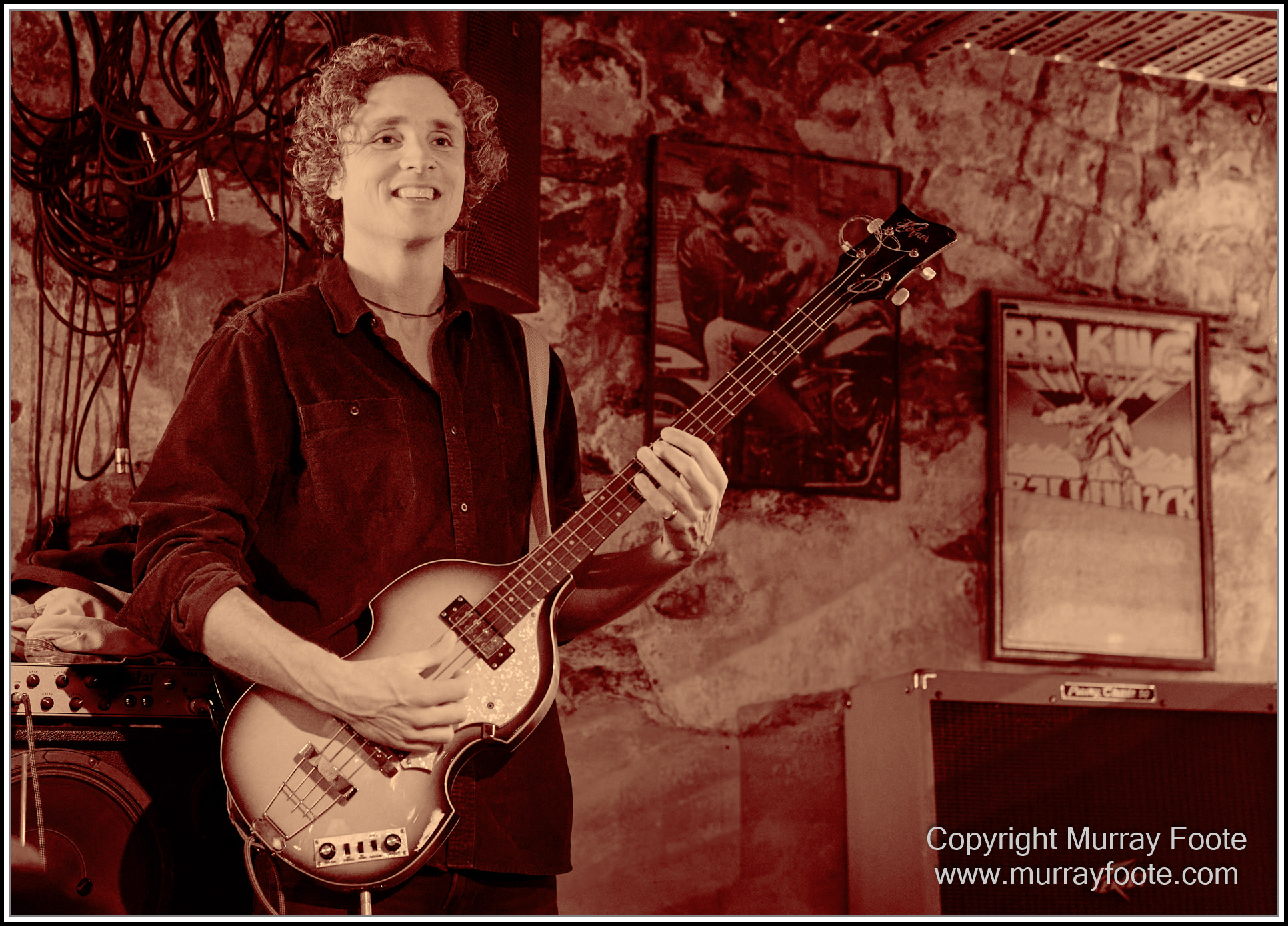
Jason Mannix.
.
.
.
. 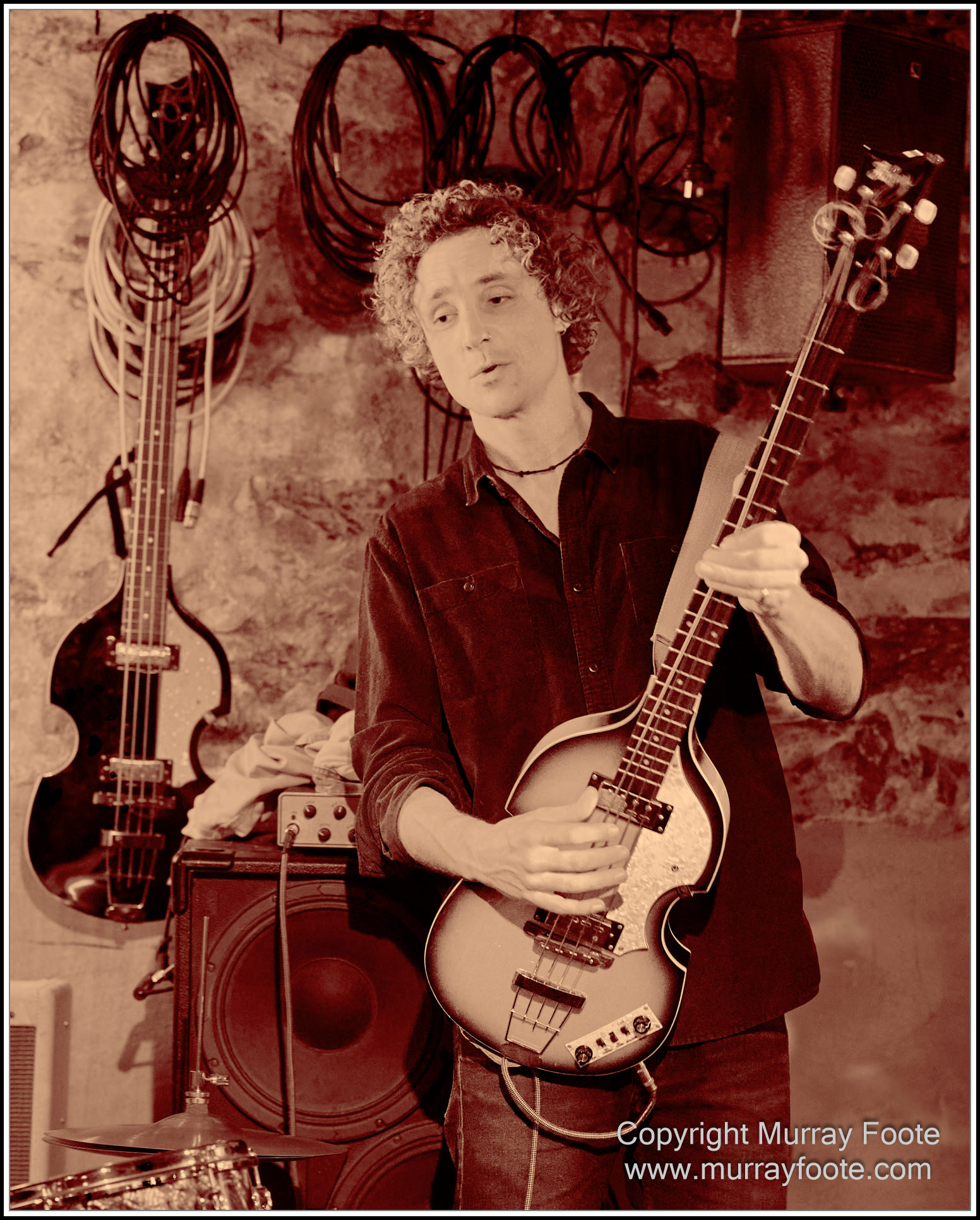
Jason Mannix.
.
.
.
. 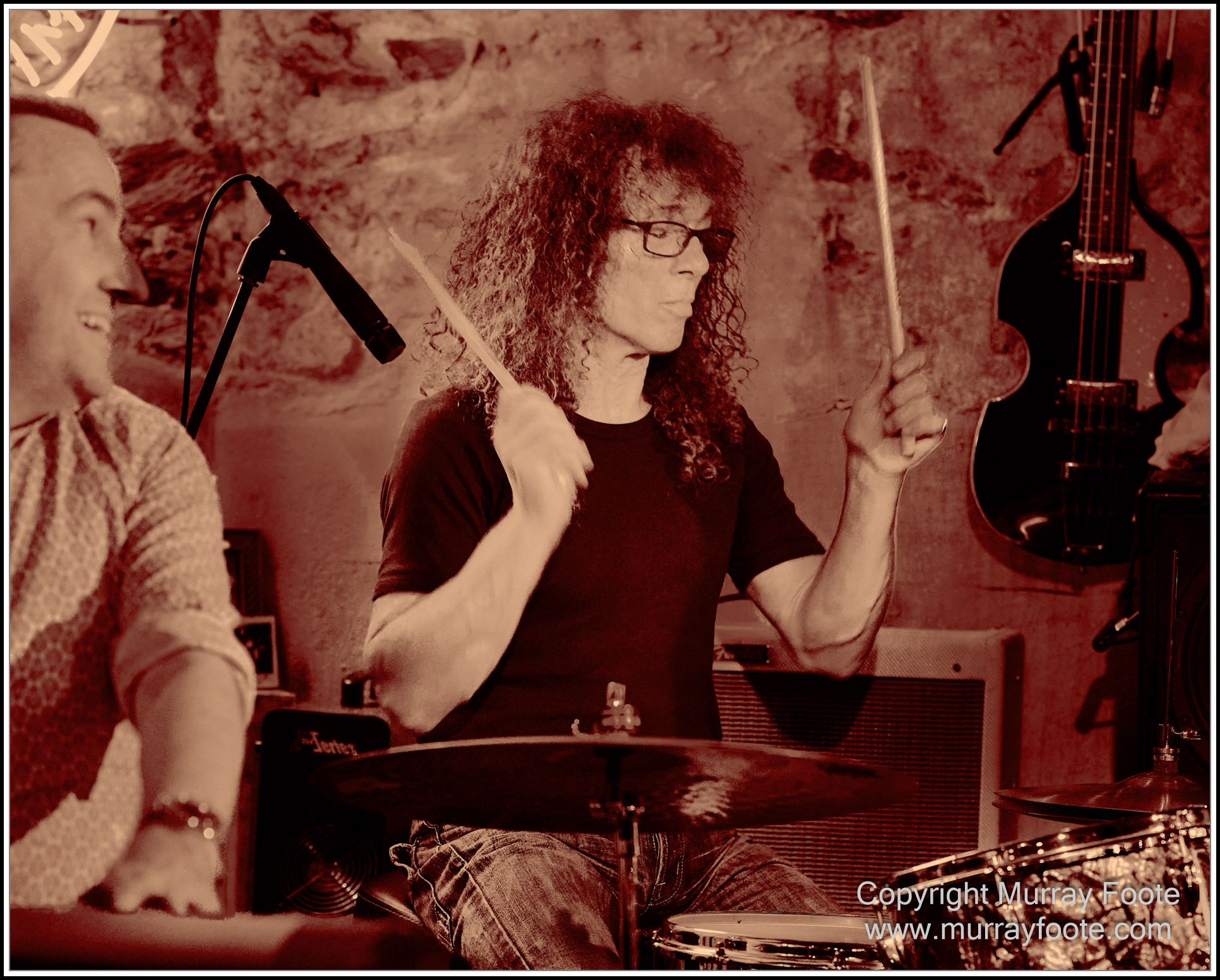
Mickey Garcia.
.
.
.
. 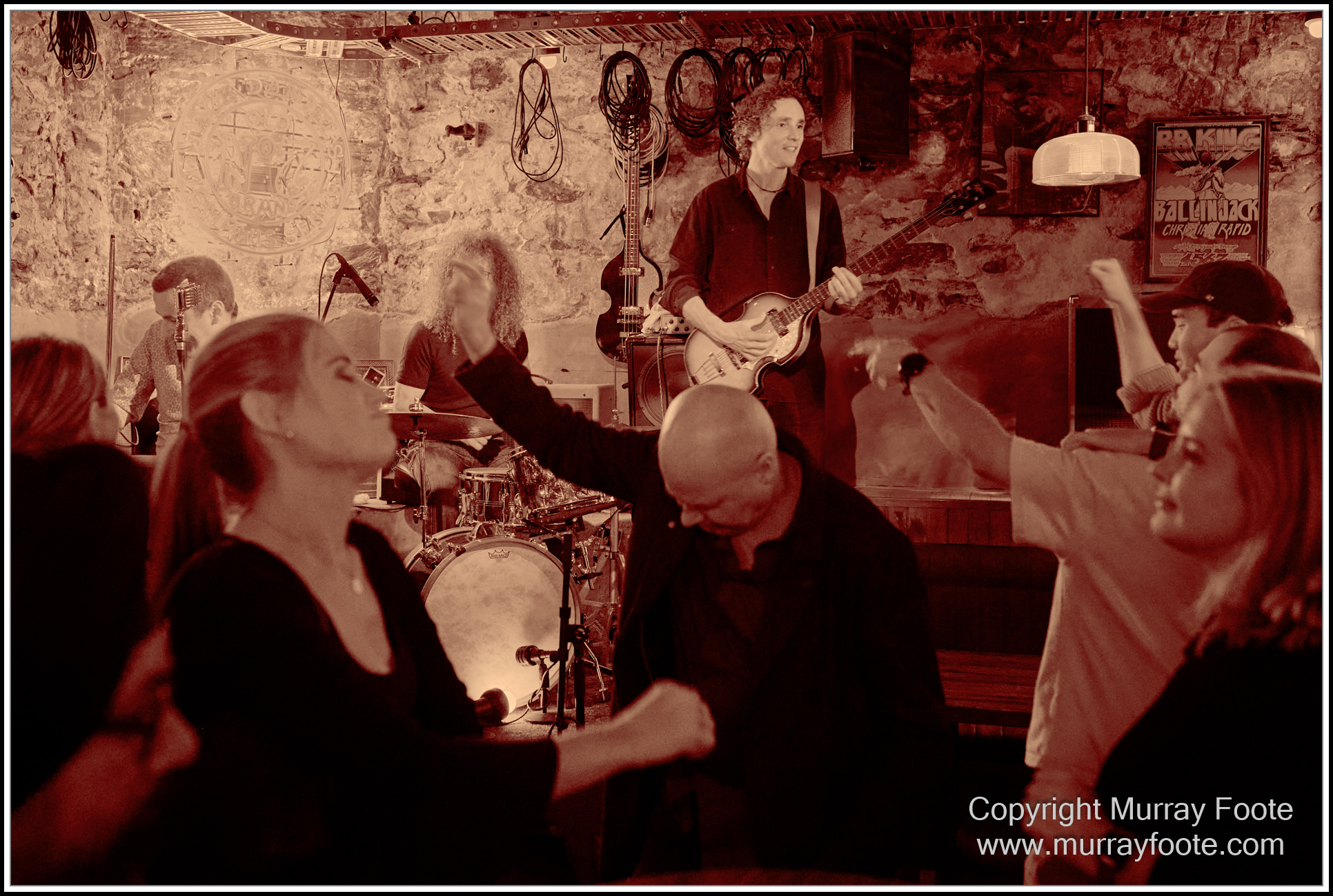
Dancers and band.
.
.
.
. 
Dancers and band.
.
.
.
. 
Heading out.
.
.
.
. 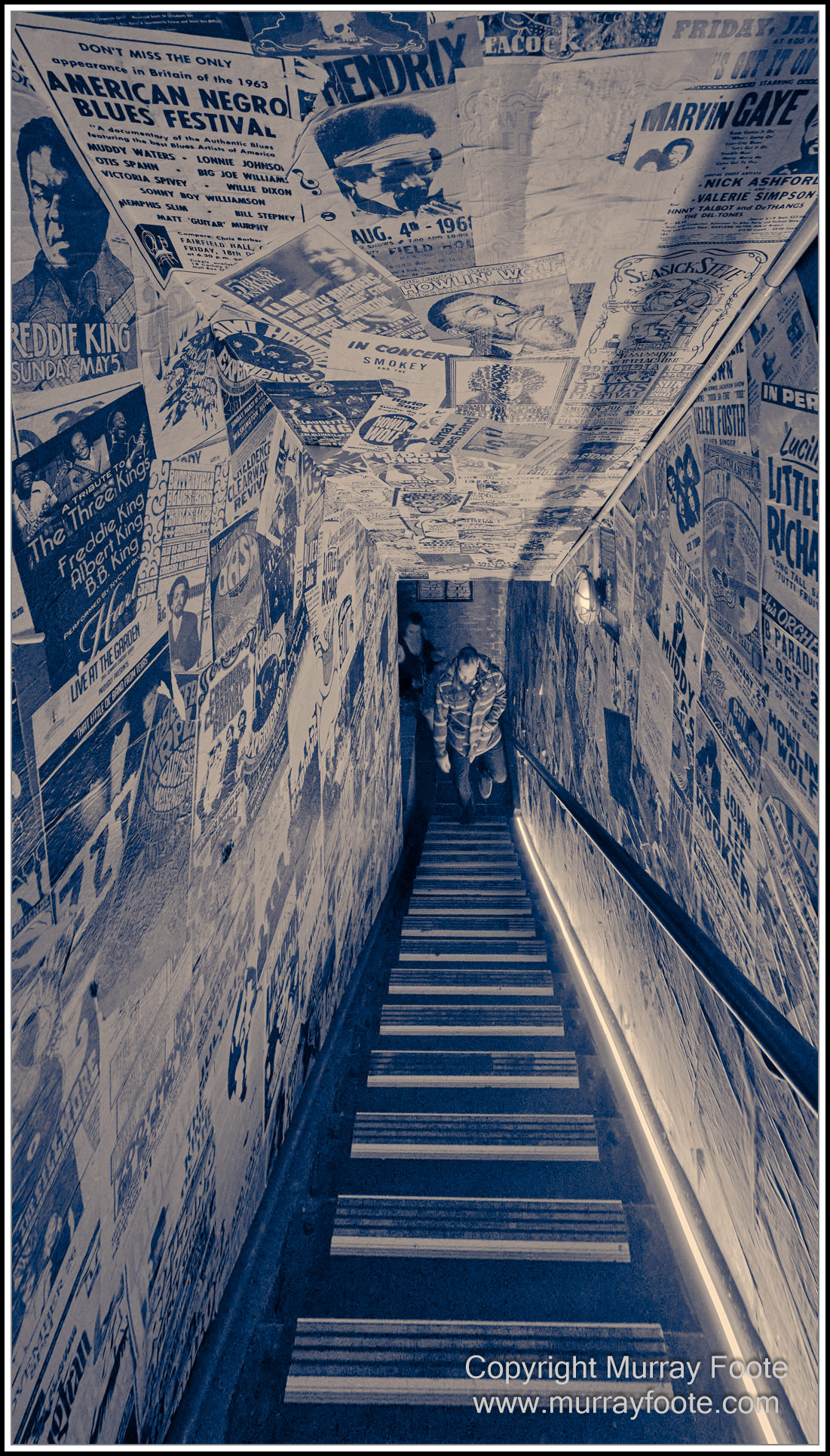
Steep stairs.
.
.
.
. 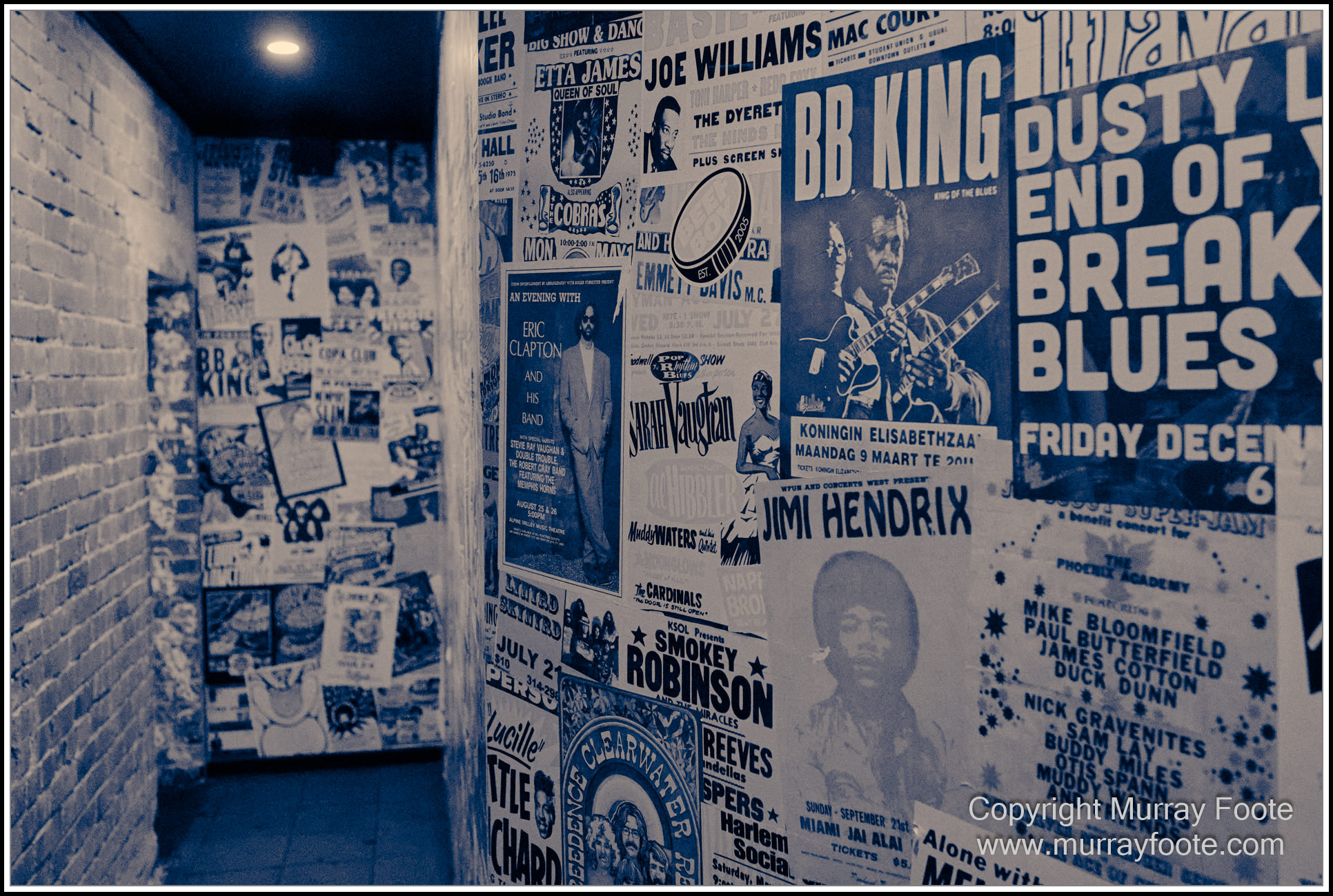
The way out to the street.
.
.
.
. 
Out on the street.
.
.
.
.
Duotones?
OK, well everyone knows what black and white images are. Even then, there are a number of ways to get there that render colours to different tones. For example in a landscape you might have light skies orblack skies. In the film days, you used colour filters on the lens to achieve that. You still do it that way if you have a Leica Monchrom, with a black-and-white sensor. Apart from that, the advantage of digital is that you can assign colours to tones in post-production. Hopefully, that doesn’t mean just desaturating the image. You can use in-camera presets to see what you might get, or even for a final method, or similarly use presets in post-production, but for full artistic control you make all the decisions yourself.
Monochrome is assigning a tone to the image. In the film days, this was done chemically, to achieve an effect such as sepia or selenium. Duotone is assigning two tones to an image, one for light and one for dark areas. It’s also possible though quite rare, to have tritones or quadtones, and in the film days that was quite esoteric and difficult. Often I have generated monochromes but I wanted to pay homage to the dramatic nature of live music lighting so I have opted for duotones here. People shots have highlights tones in yellow and shadows in red, while environment shots have yellow highlights and blue shadows.
Actually, my usual “monochromes” are duotones too, but not obviously so. I either opt for very similar colours for highlights and shadows or leave highlights untoned.
(I put this explanation at the end because I don’t want you to see images as examples of technical processes but just as images, which hopefully work for you.).
.
.
.
.
(If you want to see these images in colour, you can do so here, though there is actually less colour variation than in the images above).
.
 Murray Foote