Point Hicks, Victoria, Australia, 11 to 15 November 2016
.
I have just returned from a trip to Point Hicks Lighthouse that I organised for the Canberra Photographic Society. Fourteen of us stayed in the lighthouse cottages for four nights. I had previously visited Point Hicks in 1987 while travelling around Australia photographing lighthouses for the Bicentennial History From Dusk Till Dawn.
Here is a selection of images from last weekend….
.

Inside the prism at the top of the lighthouse.
.
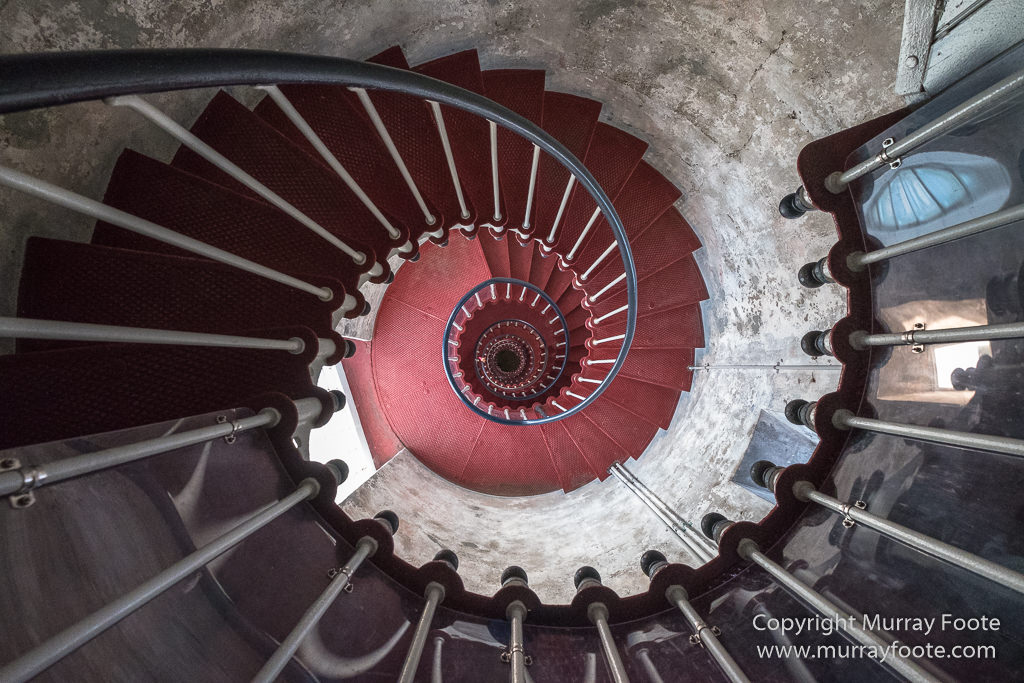
Looking down the inside of the lighthouse.
.

Lighthouse and cottage.
.

Lighthouse and “supermoon” at night.
.
Up till this point the images were taken on a Fuji system but I had a little canoeing accident the next day that meant that two cameras and two lenses went underwater, fortunately fresh water. They are now convalescing inside beds of uncooked rice and I will send them to Fuji for checking and renovation in a couple of weeks time. Fortunately, being car and residence-based, I had taken both systems so remaining images are on Nikon.
.

Lichen on a rock beside the sea, Honeymoon Beach.
.
One of my drowned SD cards in a Fuji body was not working afterwards, so we will see what happens when it dries right out. I may have had many good images on it. The lichen one was one that I could take again.
.
I had another misadventure at night when missed a step down in the middle of the cottage and flew head-first into a wooden wall. I was immediately surrounded by people equipped for first aid and ultimately little damage was done.
.

Walking in to the sand dunes about a kilometre north of the lighthouse.
.

Greg, Stephanie and Ken on the dunes.
.
They are the highest dunes in Victoria and the highest ones are visible from the top of that dune.
.

Dune view with tilt-shift lens, focusing along the plane of the sand. There are two walkers on the horizon at middle left.
.
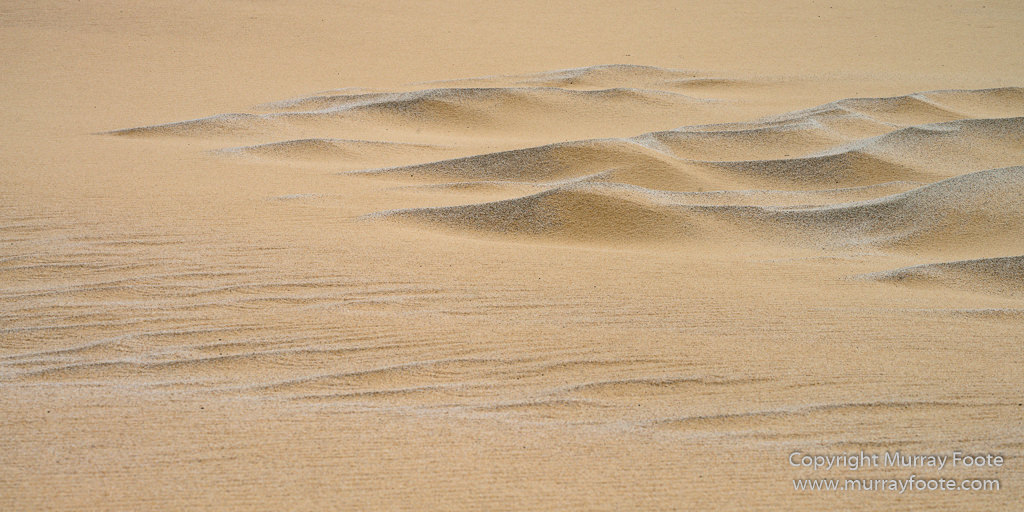
Sand.
.

Are they tiny ripples or massive dunes?
.
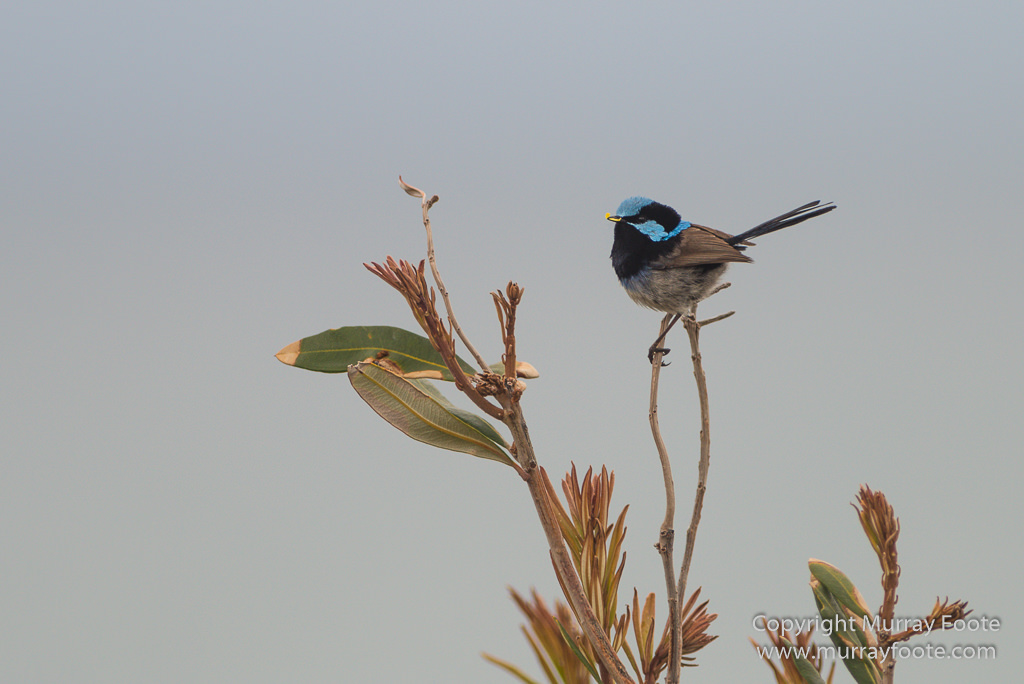
Blue Wren with probably a bit of yellow blossom in his mouth.
.
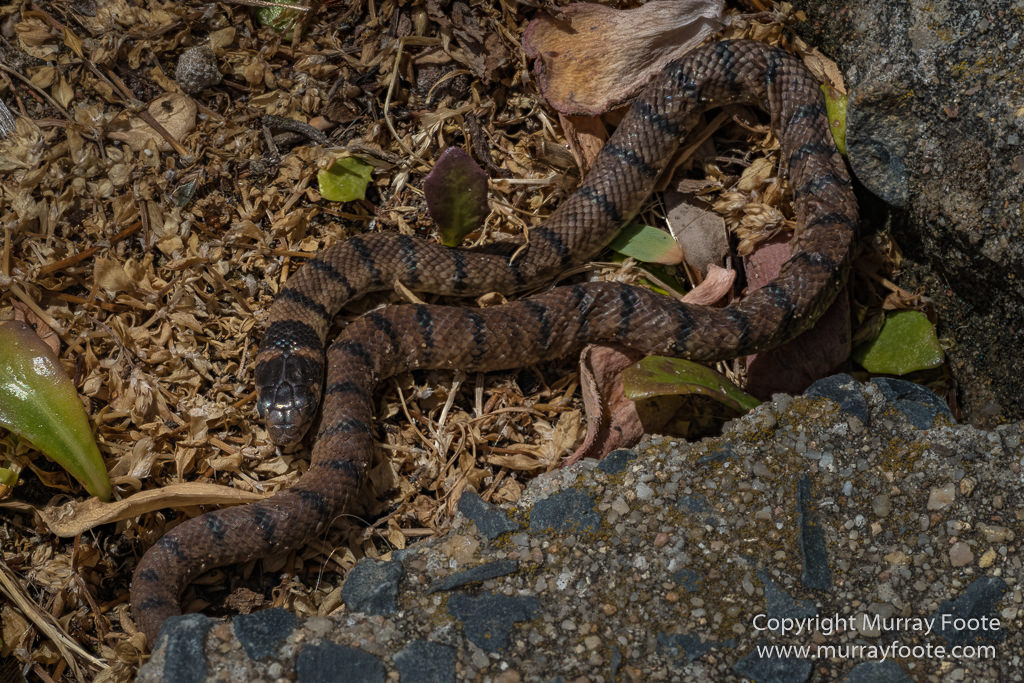
Just outside the back door was a mother eastern brown snake and here a baby, both living in a hole.
.
Brown snakes don’t usually have stripes but can have a variety of appearances and juveniles often have stripes. They are considered the second most poisonous terrestrial snake in the world (to the inland taipan, also in Australia), but are not usually aggressive and don’t usually cause problems. Good idea to avoid stepping on one though and the juveniles are also quite poisonous.
.
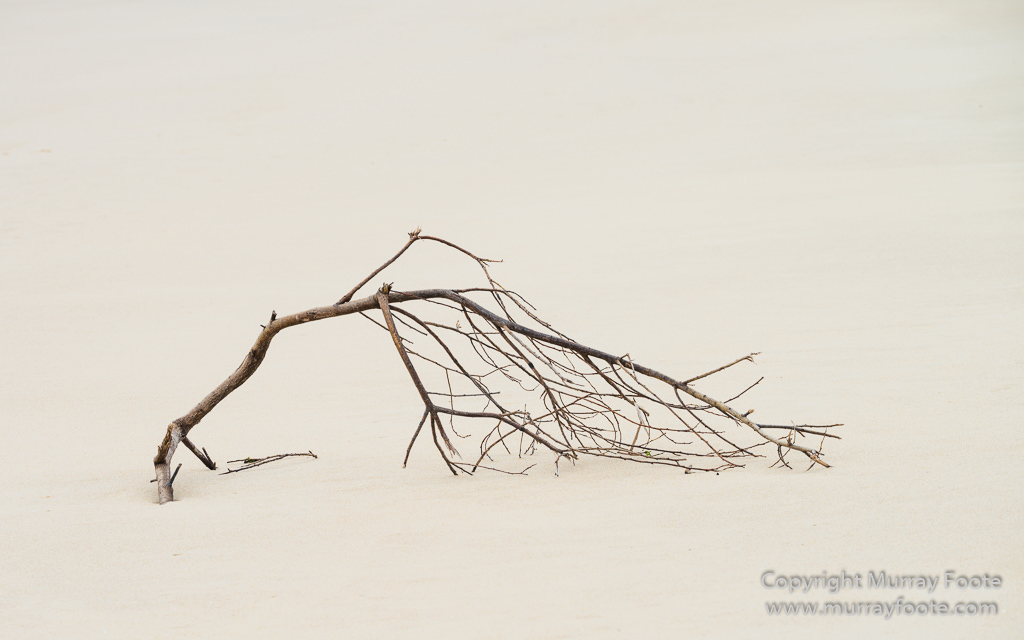
We headed off in a four wheel drive adventures to Clinton Rocks and this was a twig on the beach.
.
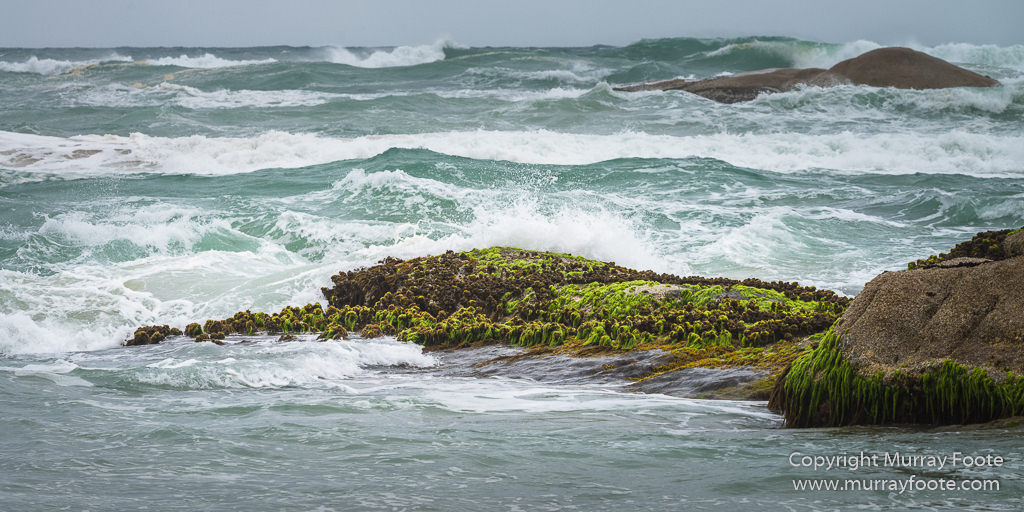
Though we didn’t make it to Clinton Rocks proper we did find interesting rocks and vividly coloured marine plants.
.
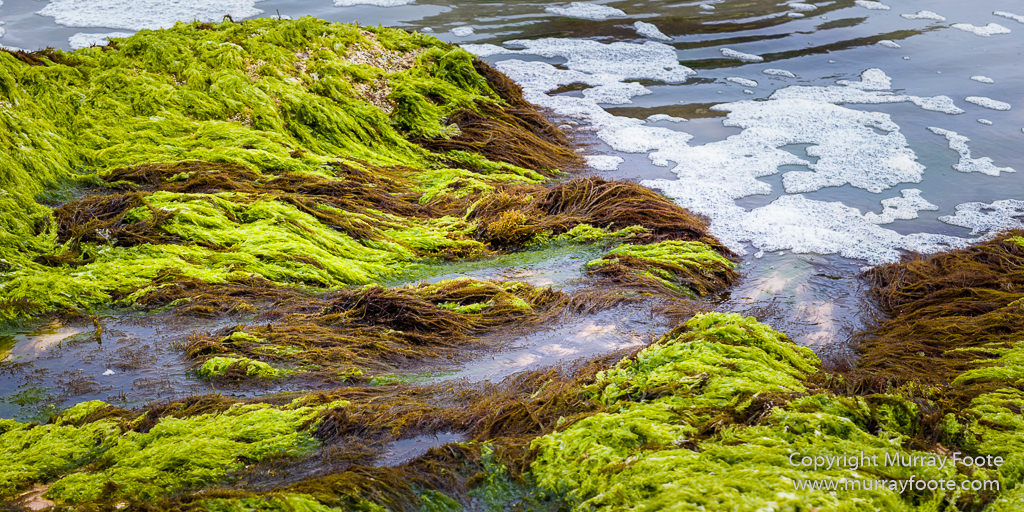 .
.
.

Looking straight down at some curious marine life forms at my feet.
.
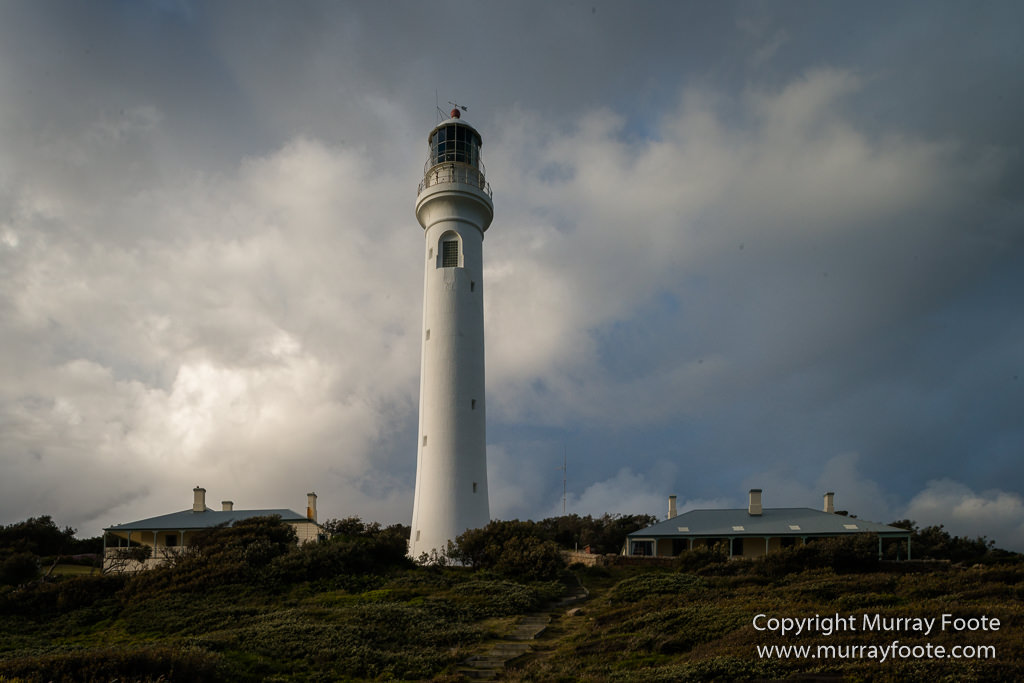
The last evening at the lighthouse.
.

It was a stormy night and the sun briefly appeared just long enough for me to take this photograph.
.

Even without the sun out, the light was still pretty dramatic.
.

On the way out, Xanthorrhea at the side of the road. Many species develop a trunk, though not this one, probably Xanthorrhea Minor. They can be quite long-living.
.

Xanthorrhea Minor and Ant.
.
 Murray Foote