Kangaroo Island, South Australia, 8 July 2024.
(Recent Posts, Top Posts, Subscribe and Search at bottom of page. Clicking image doubles size (on PC). Trip summary and posts . . . ..)
.
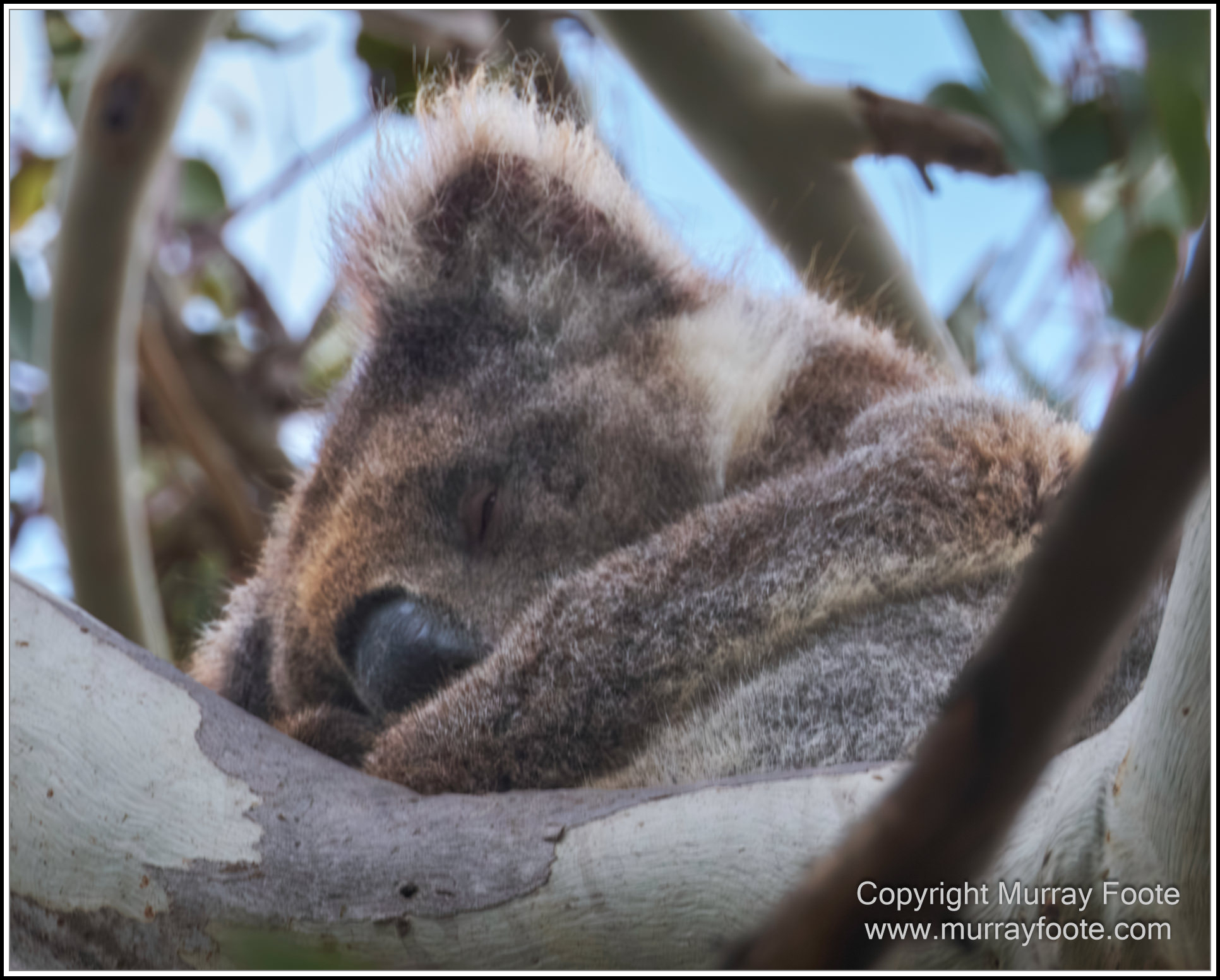
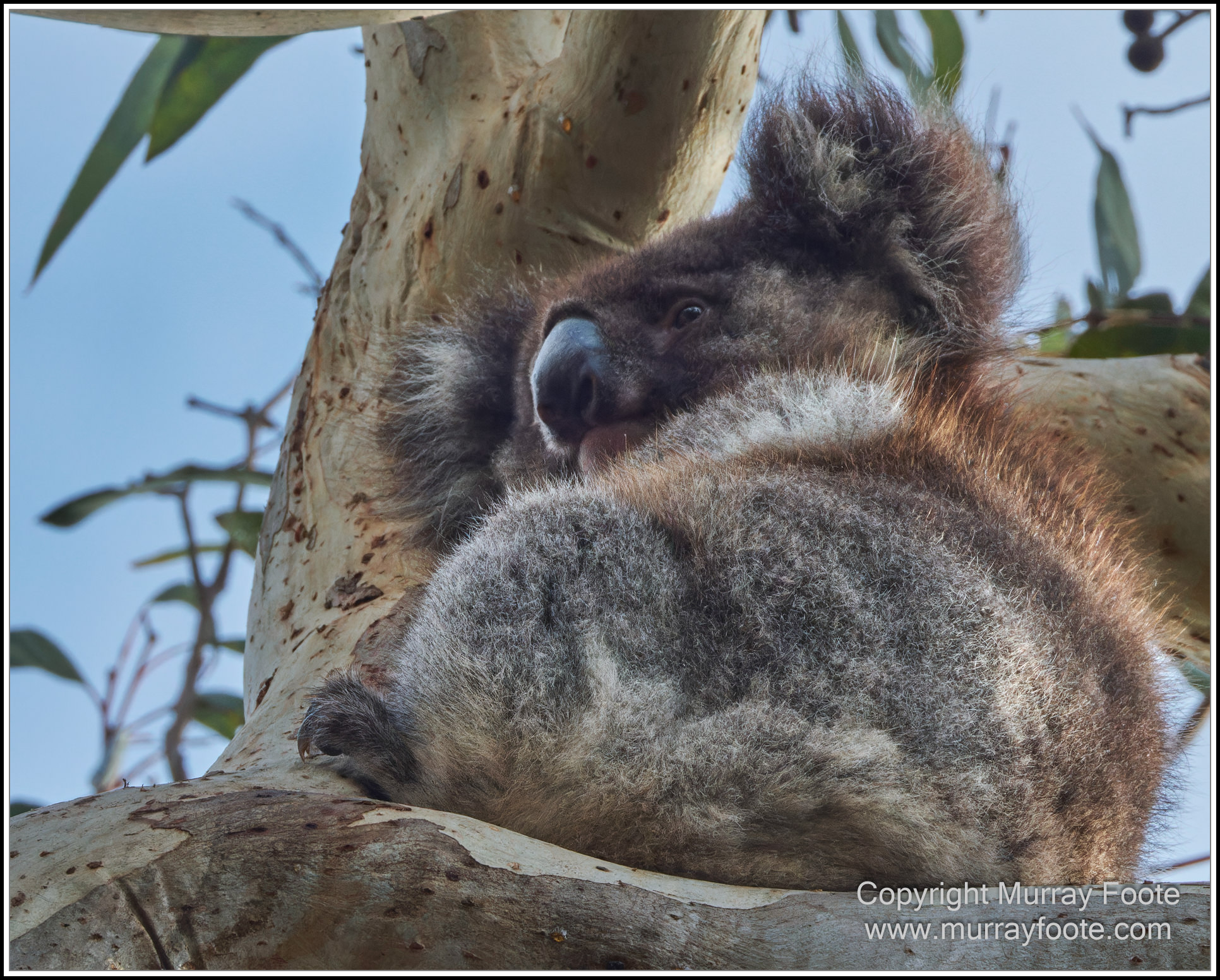
Sleeping koala, high in the trees.
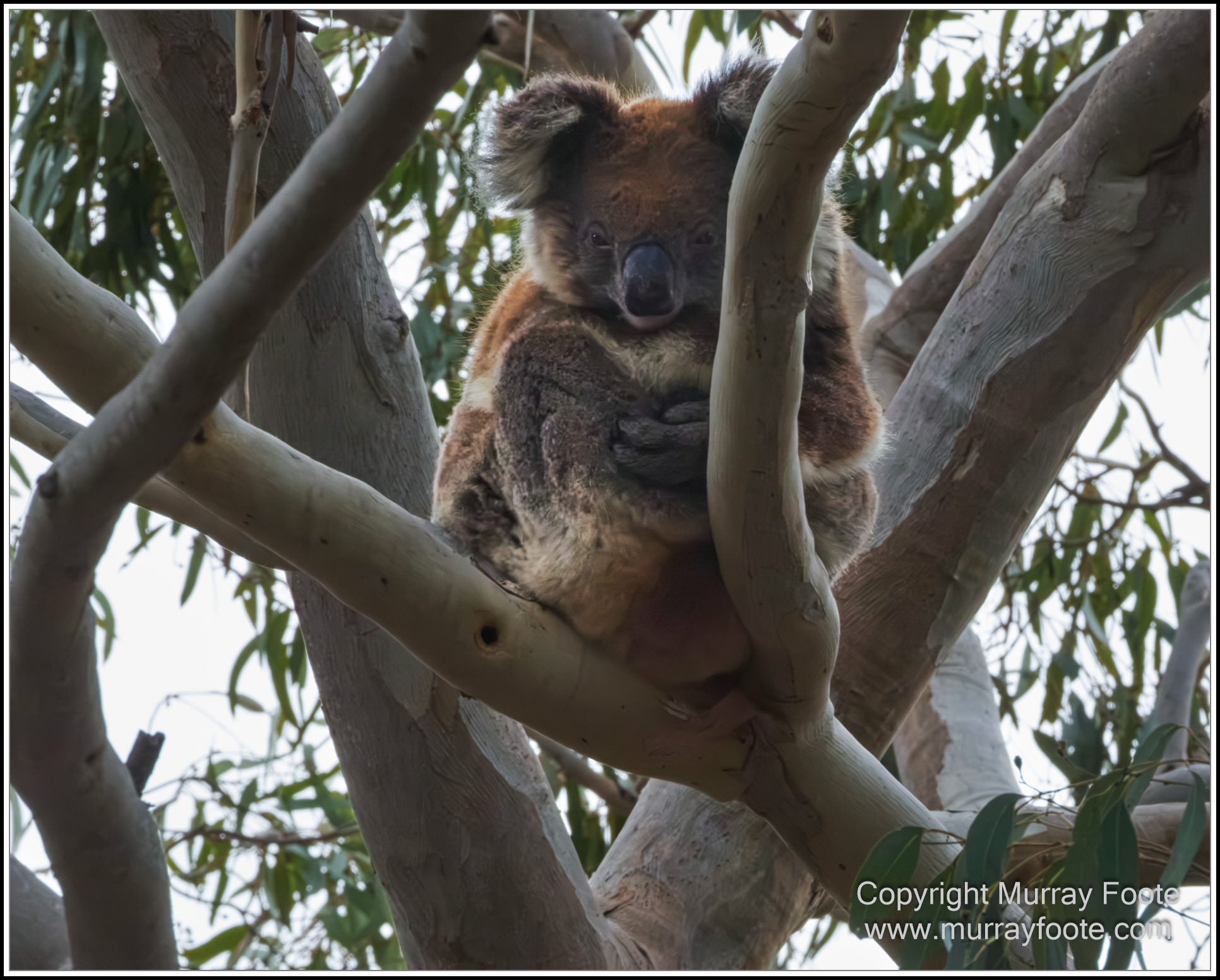
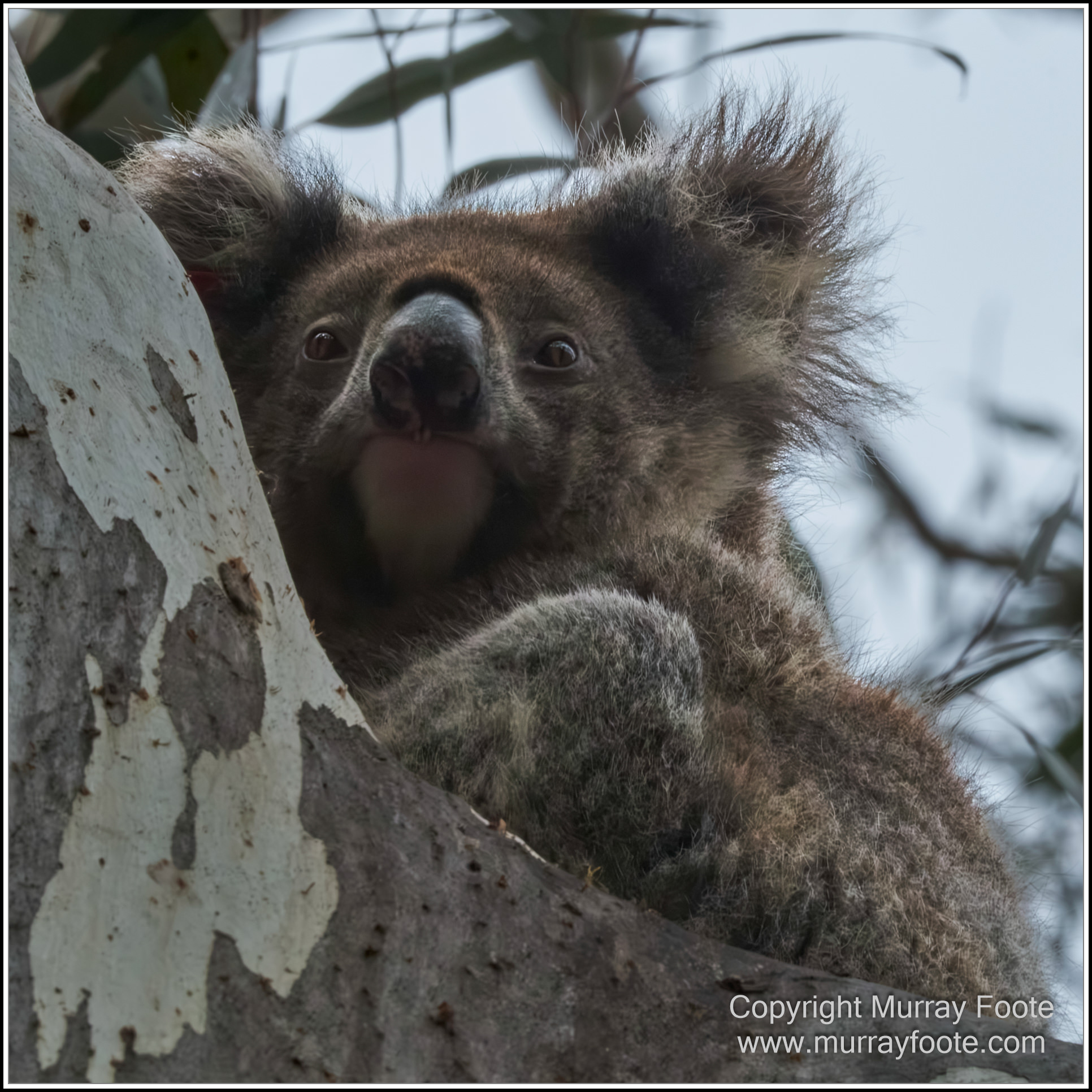
It is late morning and we are undertaking the Little Sahara Guided Koala Walk. The koalas here are not enclosed; they are just in a suitable area of eucalypts.
.
.
.
. 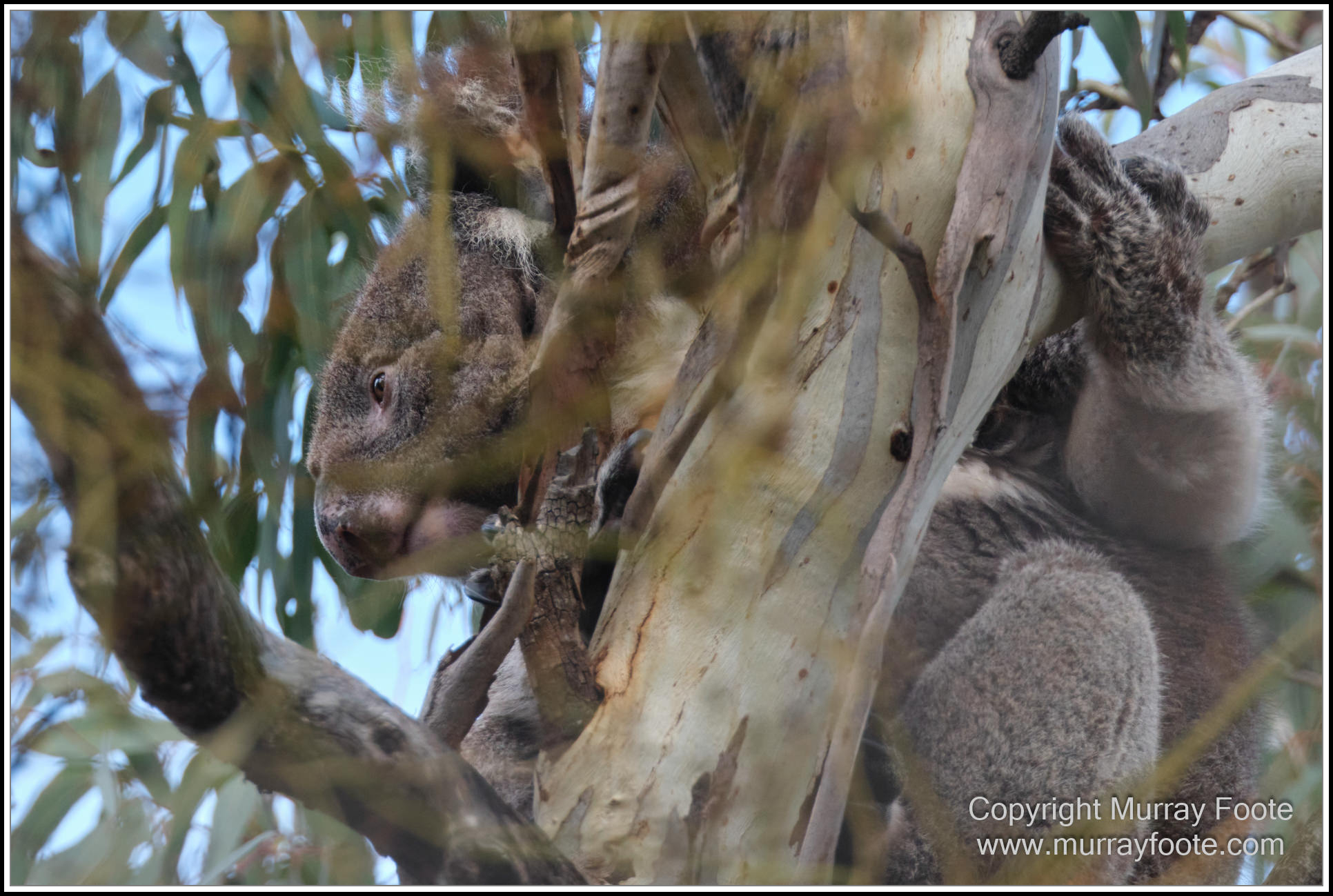
All these koala images are taken at very long focal lengths as they are quite some distance up in the trees.
.
.
.
. 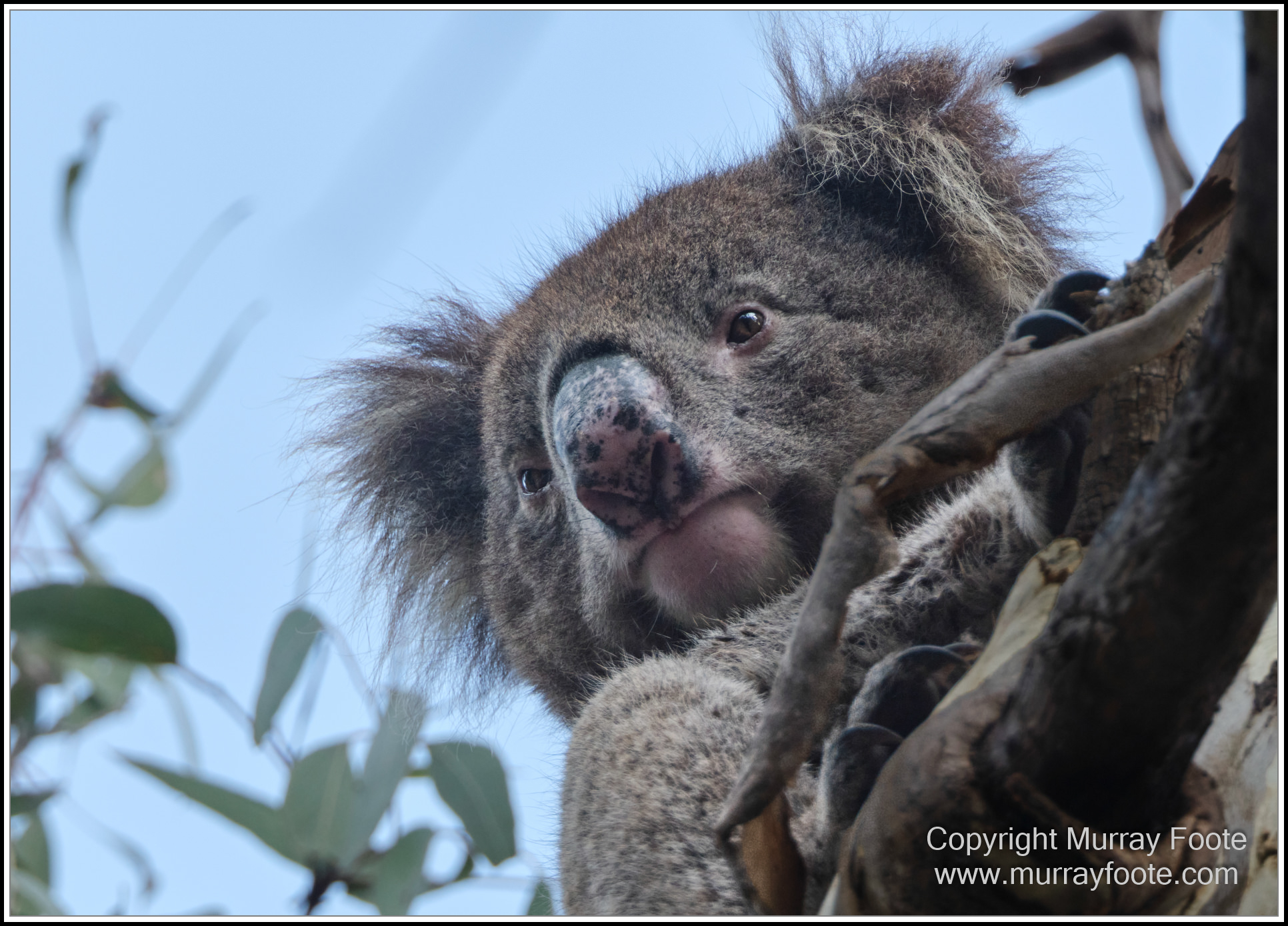
One of our guides remarked that the koalas were unusually lively that morning.
.
.
.
. 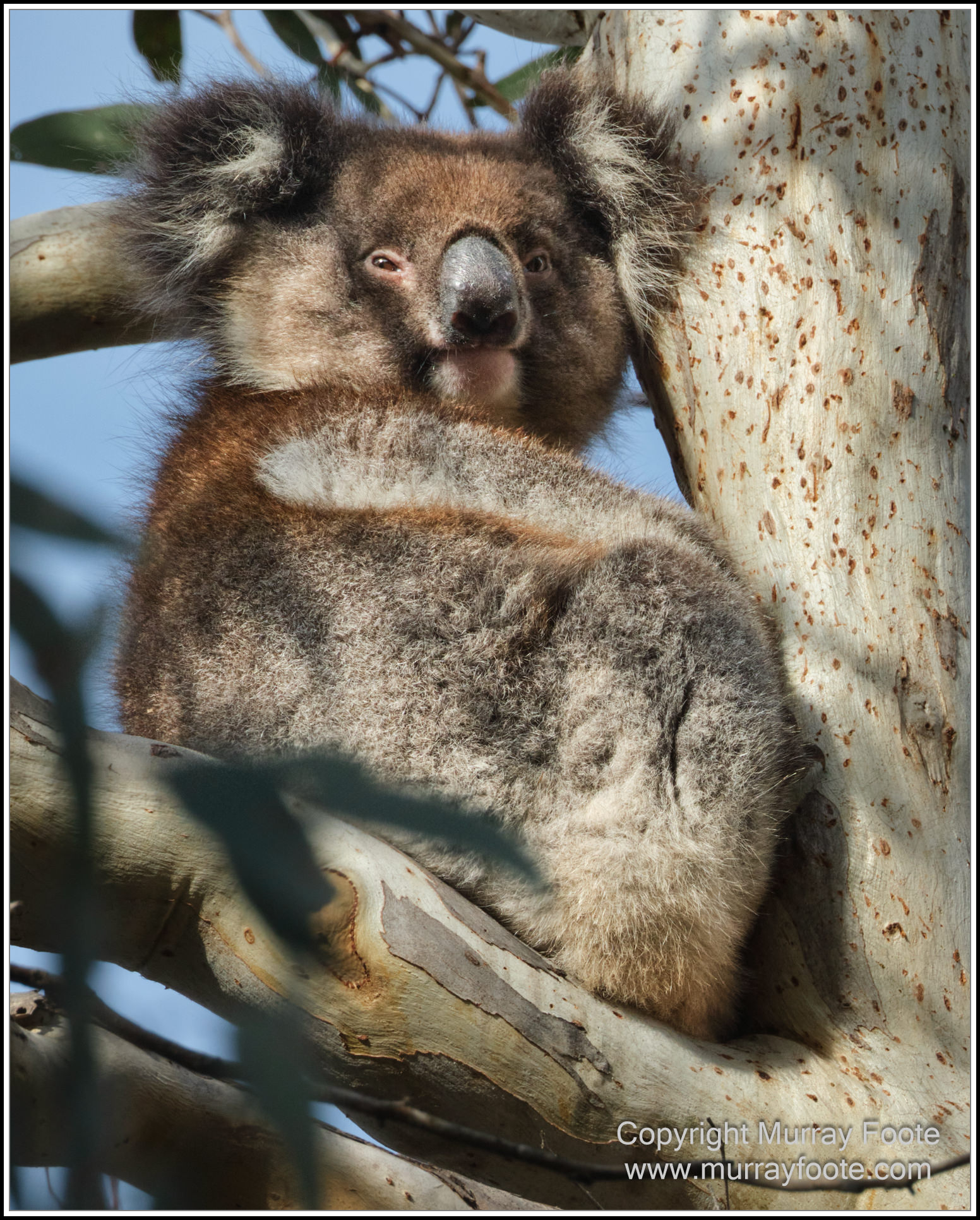
Koala ancestors lived in rainforest and ate a much more varied diet. About 15 million years ago, they adapted to an arid climate change by specialising in eating the leaves of particular eucalypt trees. They have to go through a lot of leaves for this and spend much of the rest of their time sleeping. They have adapted to a low-energy lifestyle and have a small brain in a large brain case, so may have shrunk their brain to conserve energy.
.
.
.
. 
Koalas are most closely related to wombats. They shared a common diprotodont ancestor around 40 million years ago. They are also related to the extinct palchorestes (giant marsupial ant-eaters that may have been the mythical bunyips) and the also extinct thylaceo (marsupial lions).
.
.
.
. 
There were about 20 species of extinct koala. One of them was a so-called giant koala, perhaps a third larger than the current koala, that co-existed with it until around 50,000 years ago.
.
.
.
. 
Koalas are classified as vulnerable. They were extensively hunted at the beginning of the twentieth century, mainly for their fur and there are now between 43,000 and 100,000 of them, as compared to 8 to 10 million at the beginning of that century.
.
.
.
.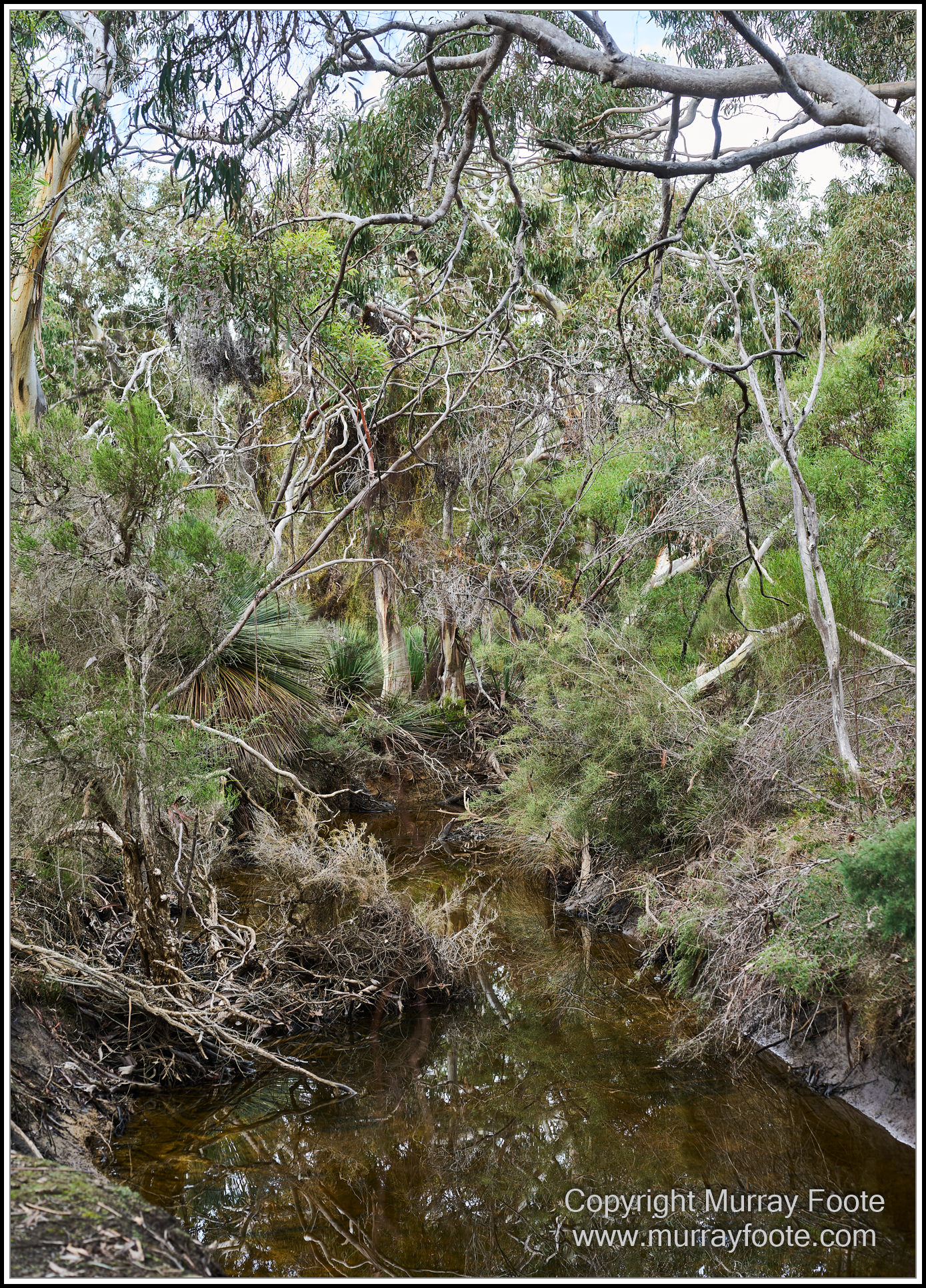
Stream.
.
.
.
. 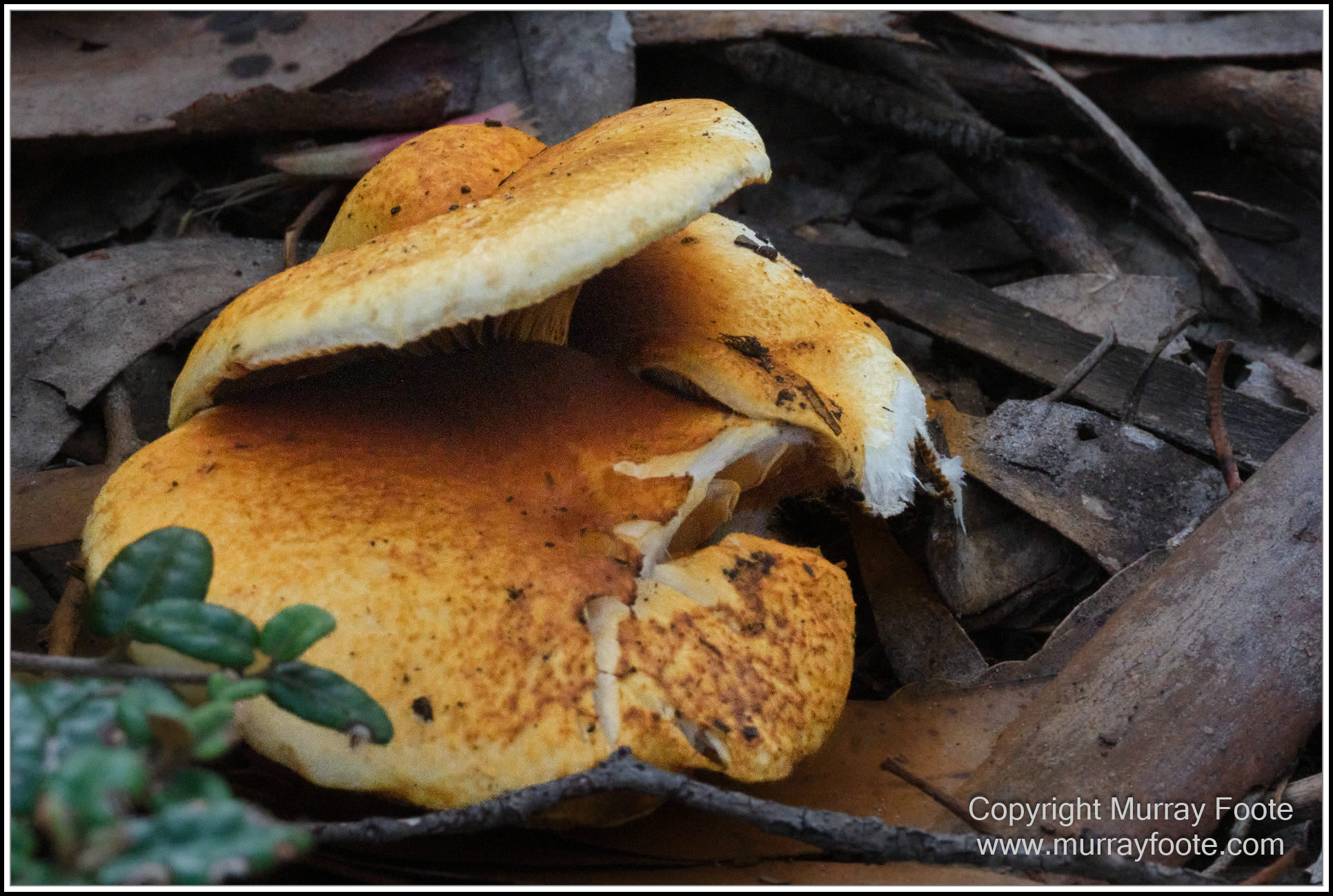
Funghi.
.
.
.
. 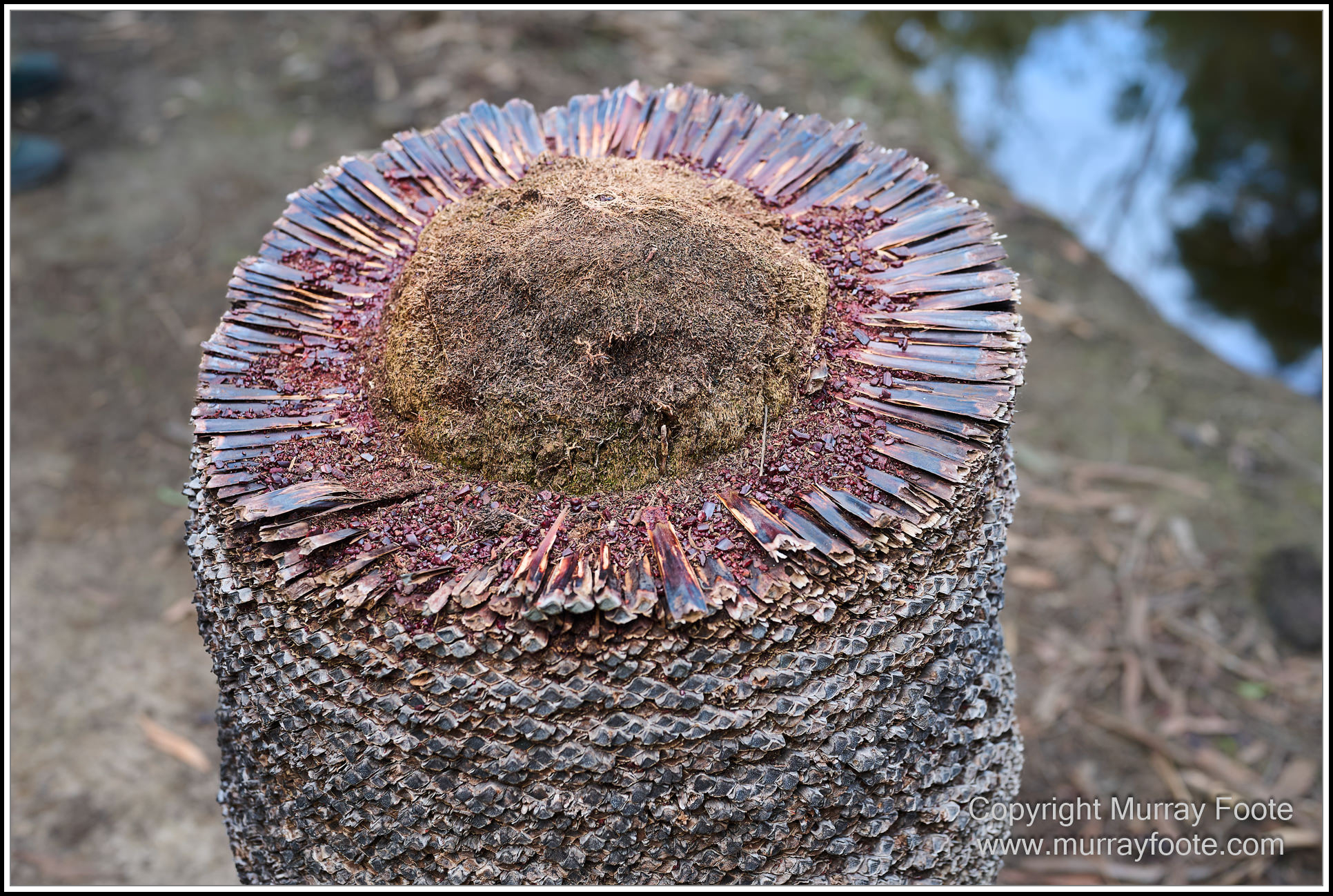
Xanthorrhea stalk.
Aboriginals had many uses for xanthorrhea. These included making a drink from the nectar, eating parts of the leaves, using the stalk as the shaft of a spear and using resin as a glue for weapons and axes.
There was also an early European use of xanthorrhea resin as a gunpowder substitute. This involved killing the plant (as has happened naturally here), something of a travesty since they grow very slowly.
.
.
.
. 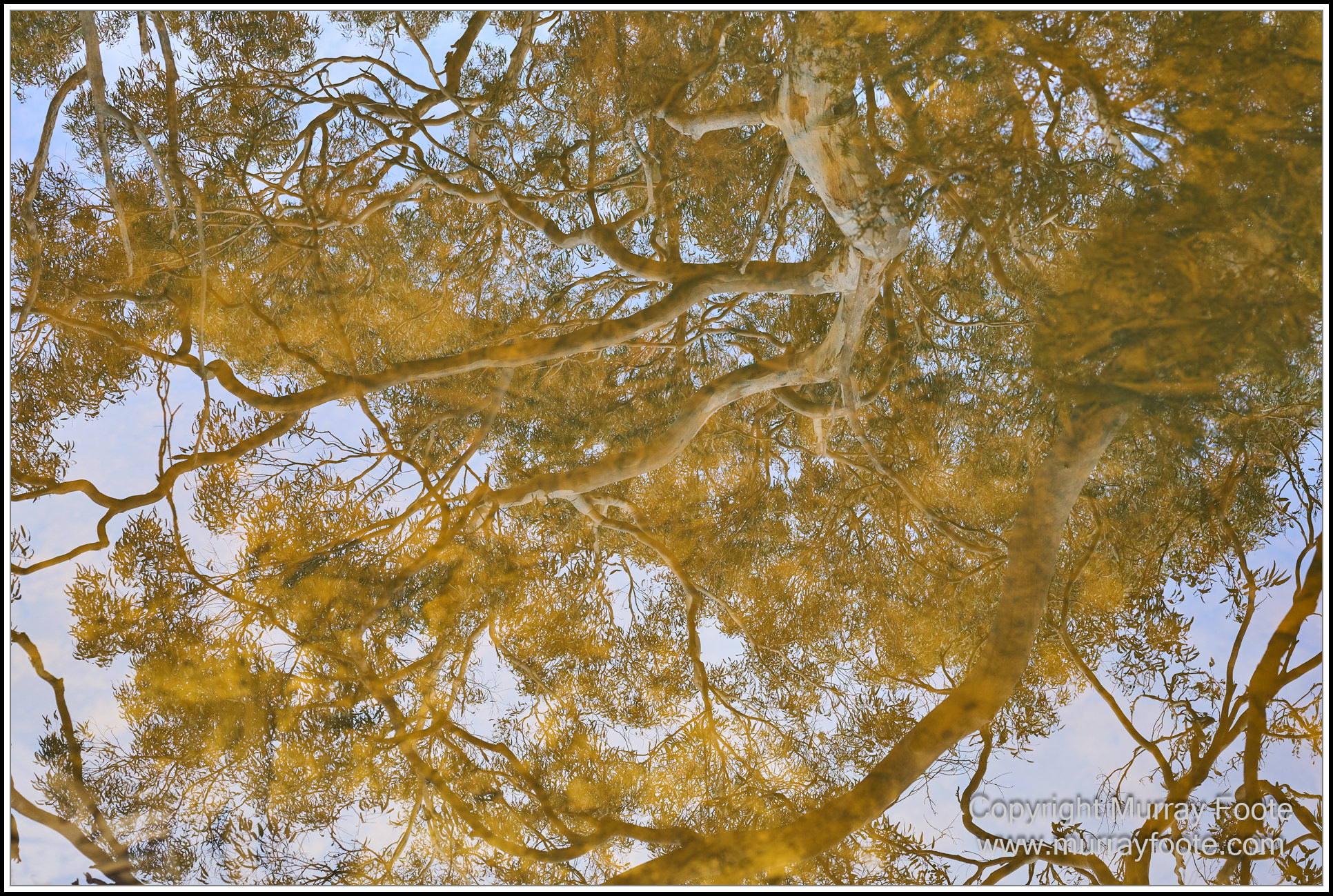
Reflections.
.
.
.
. 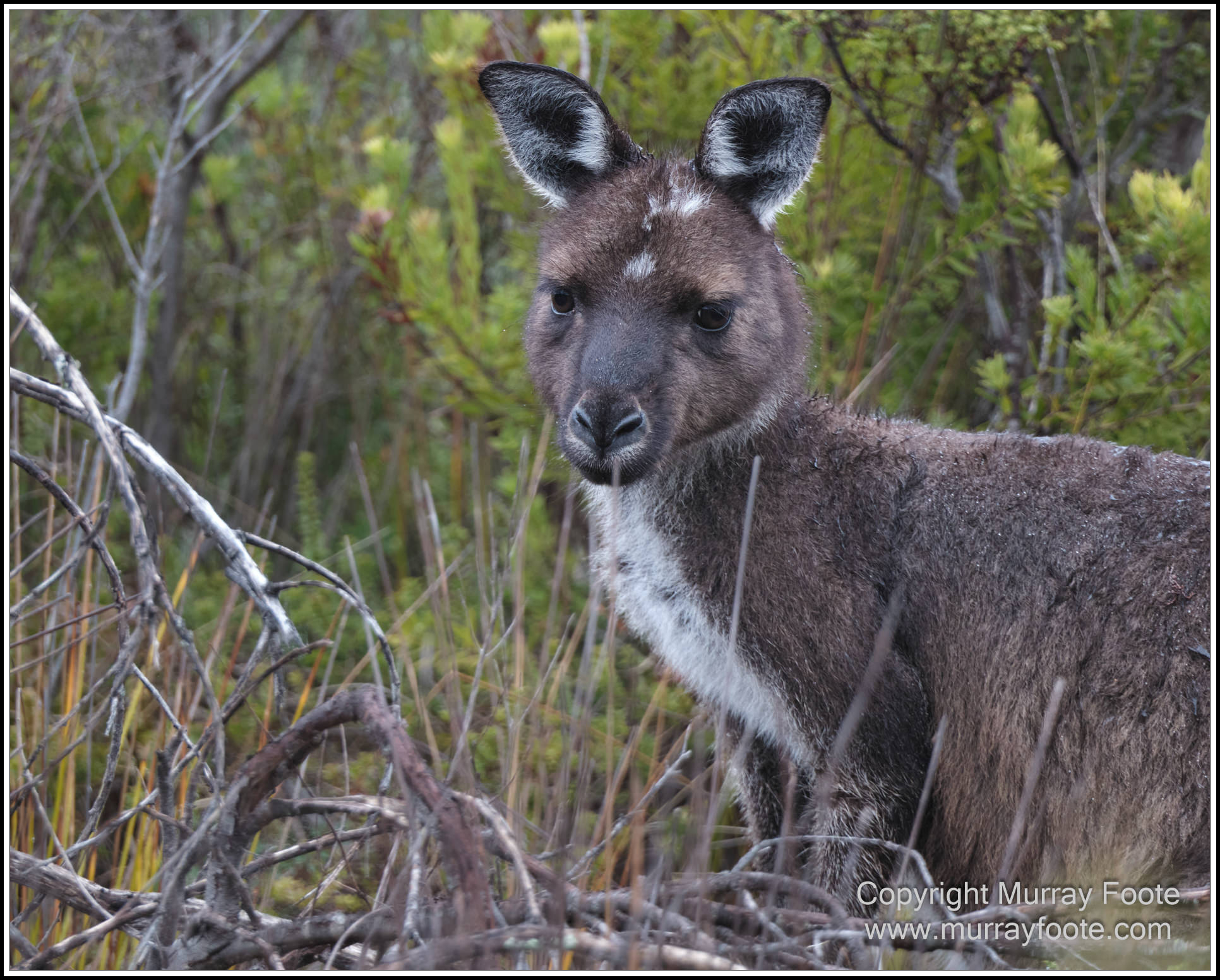
Kangaroo Island Kangaroo.
.
.
.
.
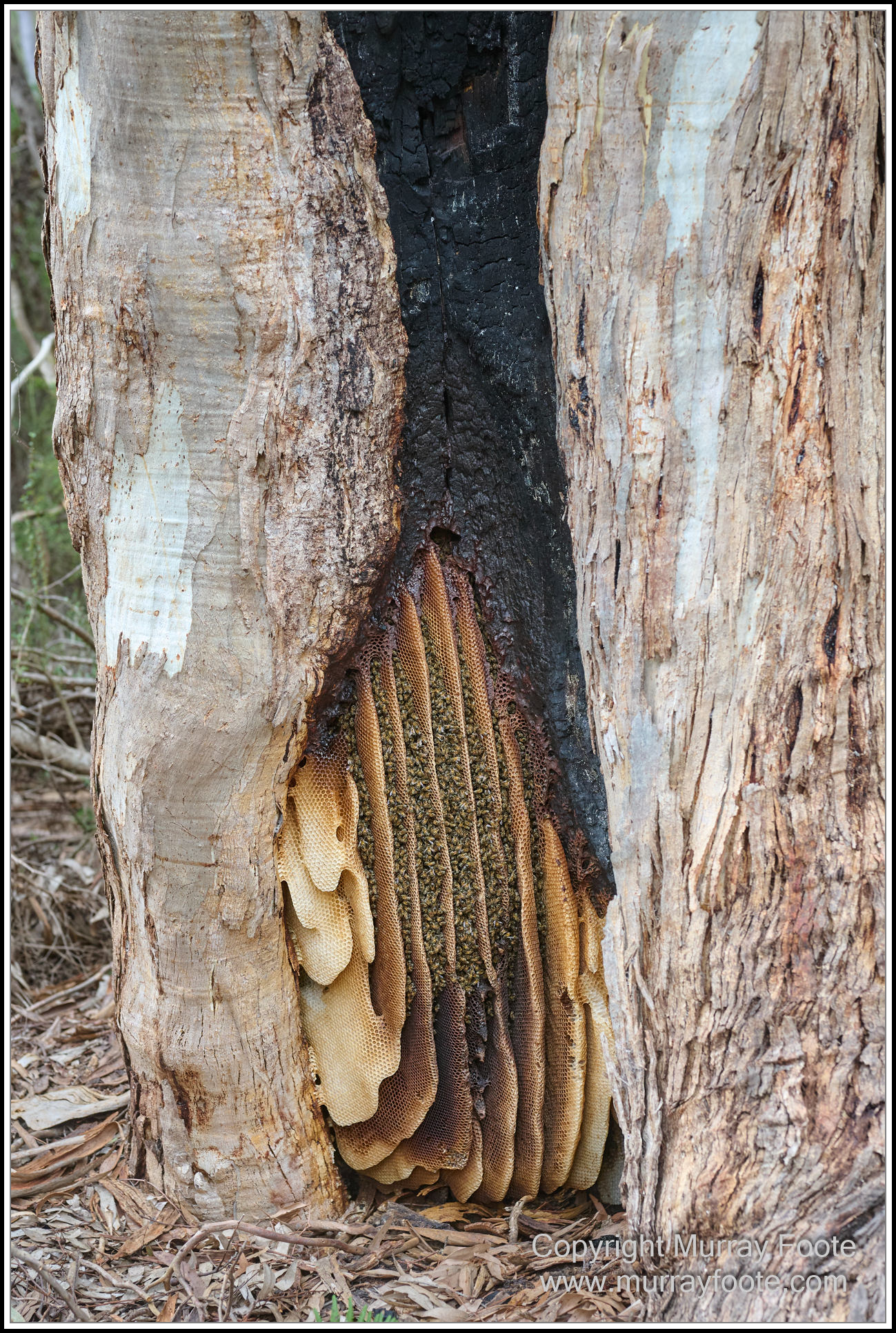
Bee hive in a tree that was maybe hollowed out by fire.
.
.
.
.
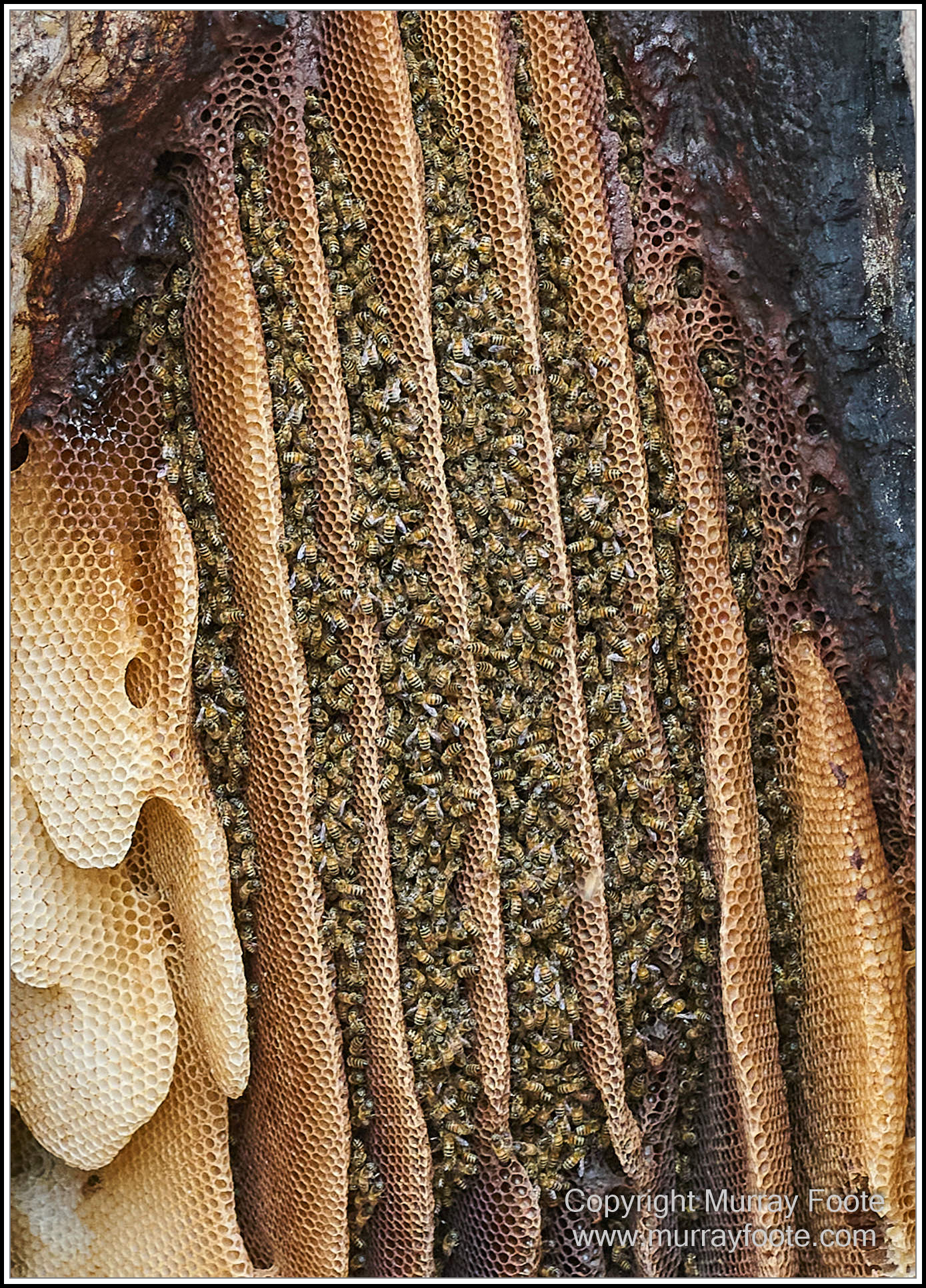
Here’s a closer look.
Quick – how many bees can you see here?
.
.
.
.
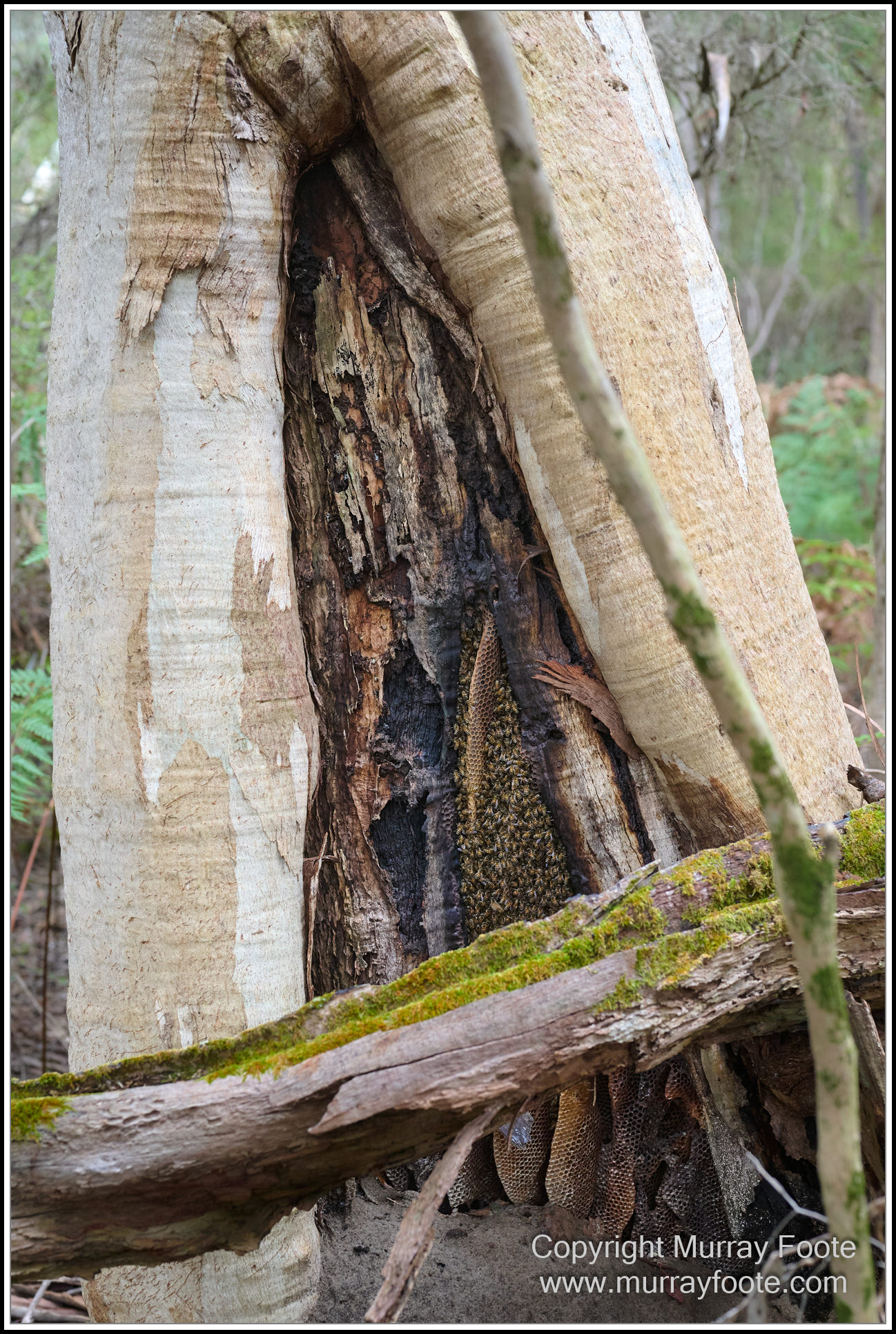
Bee hive in another tree.
(Note: In counting the bees in the previous hive I favour using the Yanomami counting system of one, two, many. Now, let’s see….)
.
.
.
.
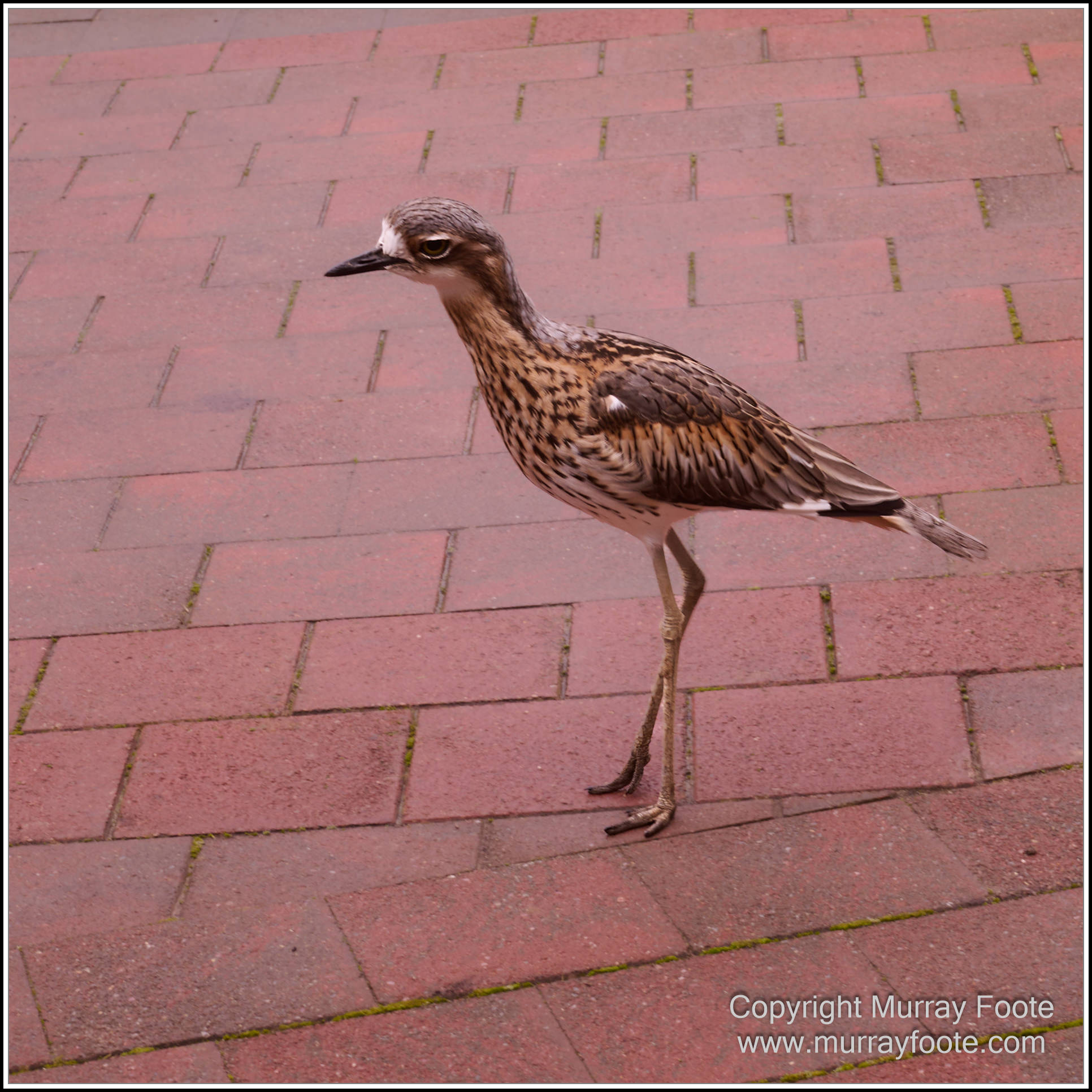
Back in the car park, a Bush Stone-Curlew.
Looks like a wader but actually favours dry environs.
.
.
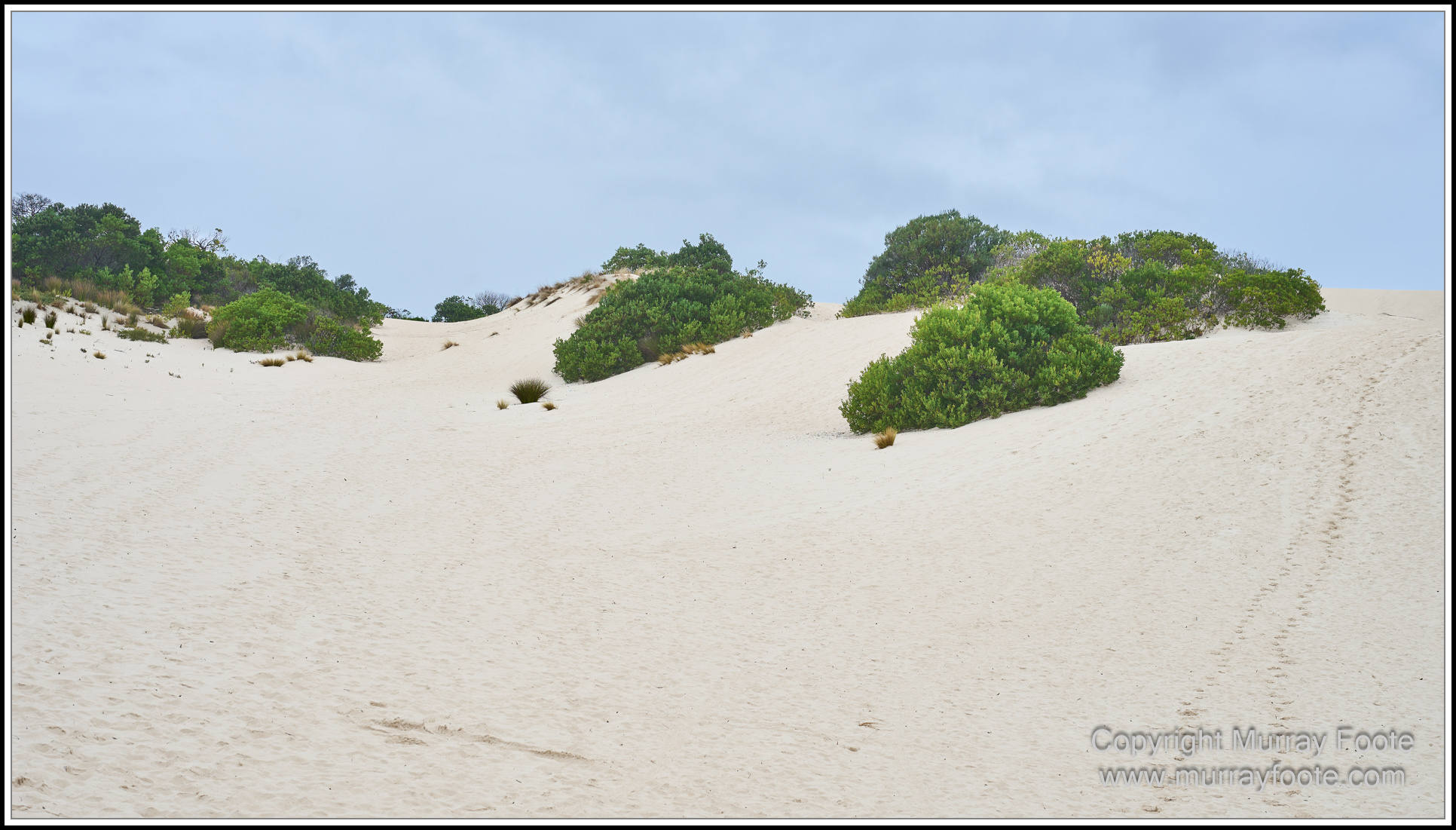
Beyond is the Little Sahara dunes. You can zot around on the sand in dune buggies, electric bikes or boards.
.
.
.
.
 Murray Foote