Malaga, Andalusia, Spain. 24th October 2018.
(Recent Posts, Top Posts, Subscribe and Search at bottom of page. Clicking image doubles size. Trip summary and links to posts.)
.
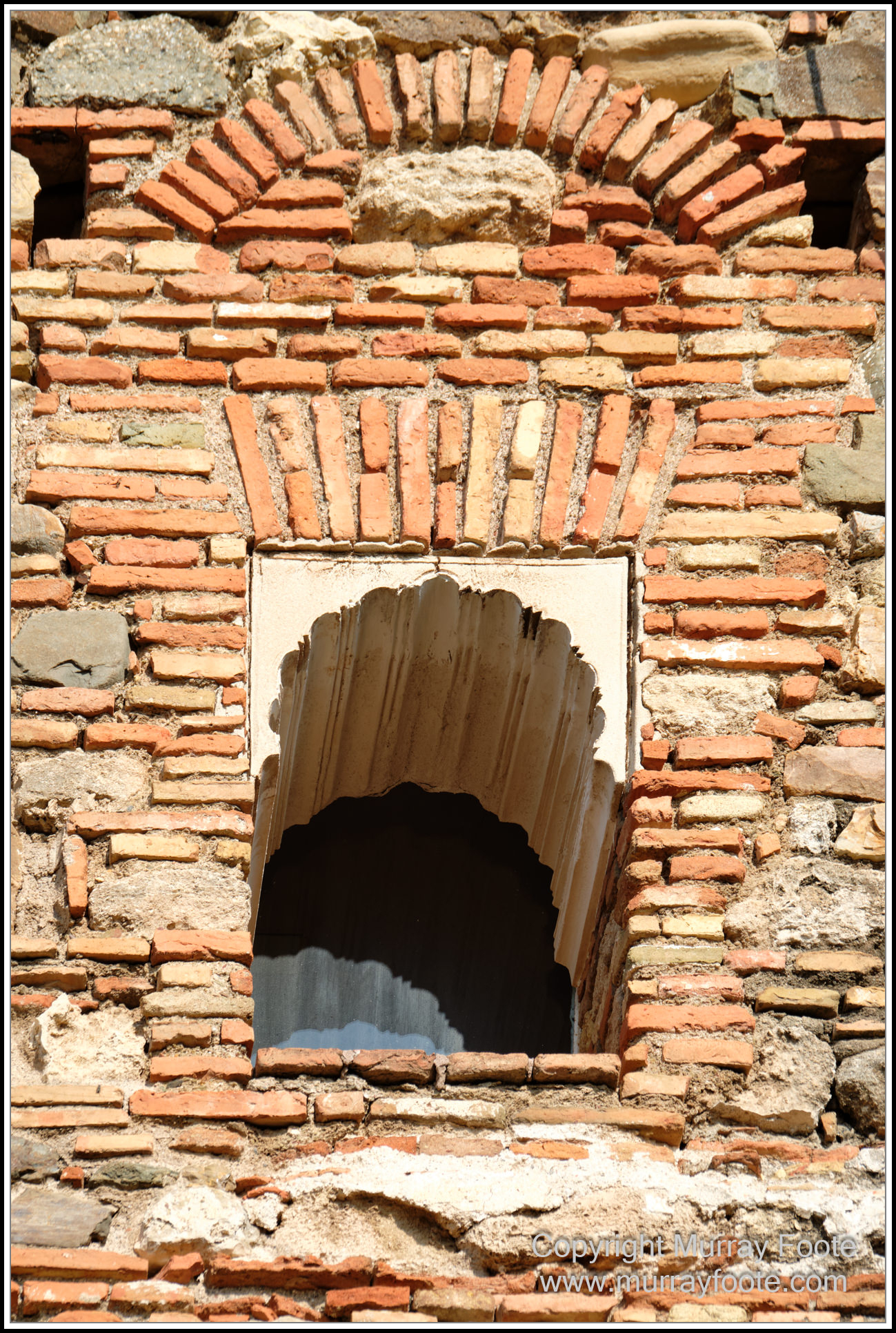
We are now in Malaga, on the southern coast of Spain, about one hundred kilometres east of Gibraltar. This must be a wall just outside the Alcazaba (Moorish castle and palace). The brickwork looks Roman to me, though perhaps it could even be Carthaginian; I don’t know what that would look like. The alcove looks like a Moorish addition, either containing something that was later removed or as an archer’s window.
Malaga is one of the oldest continuously inhabited cities in Western Europe. Phoenicians from Tyre founded it around 770 BC. It was taken over by Carthage in the 5th or 6th centuries BC and by Rome in 218 BC. After the fall of Rome it was ruled by the Visigoths with a Byzantine interlude from 553 to 615. Islamic forces took over in 711 or 713 and the Christians conquered in 1487. Only 50 inhabitants were then allowed to remain.
.
.
.
. 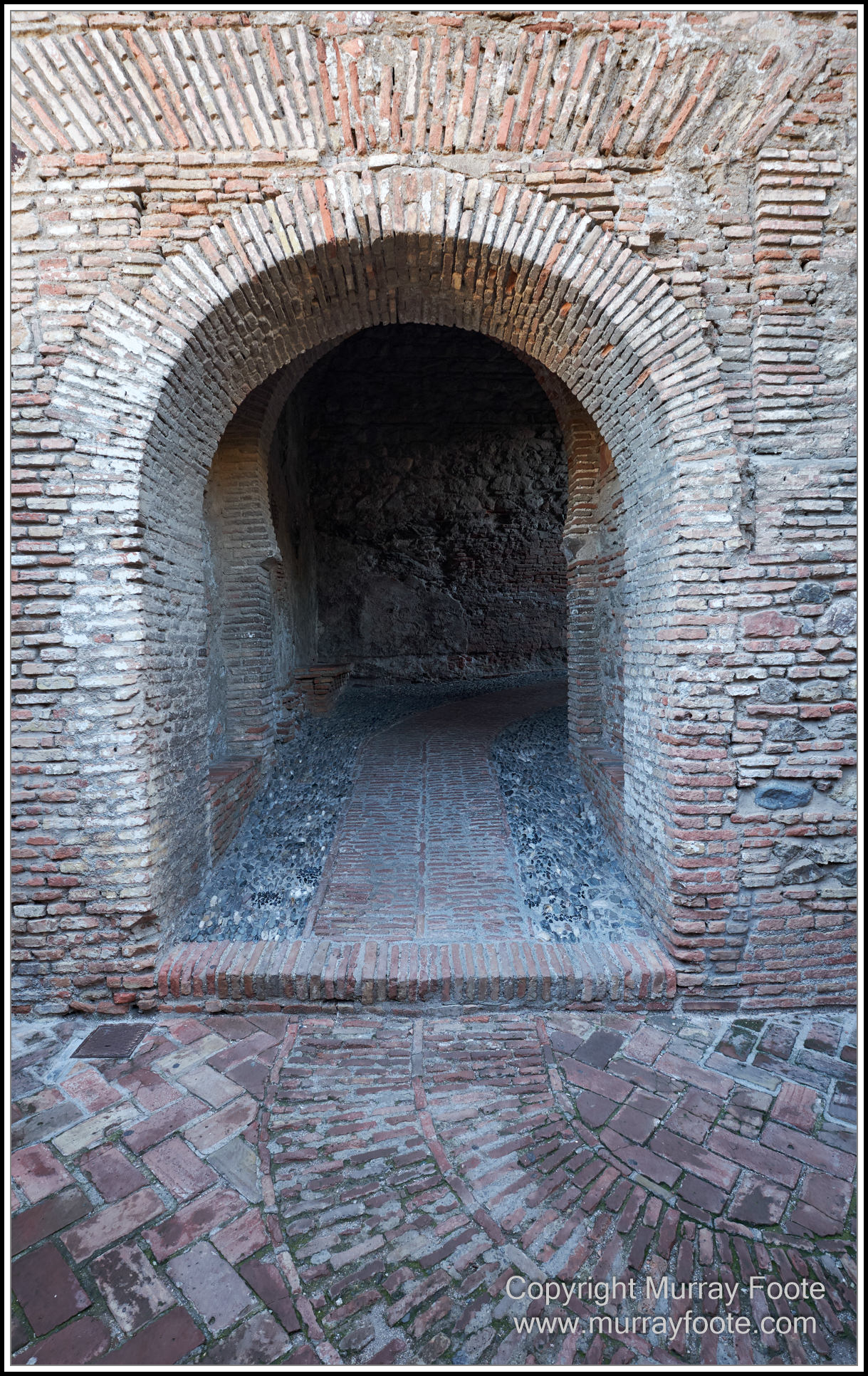
This must be the main entrance to the Alcazaba, because it immediately zigzags and hostile forces won’t know what lies beyond.
.
.
.
. 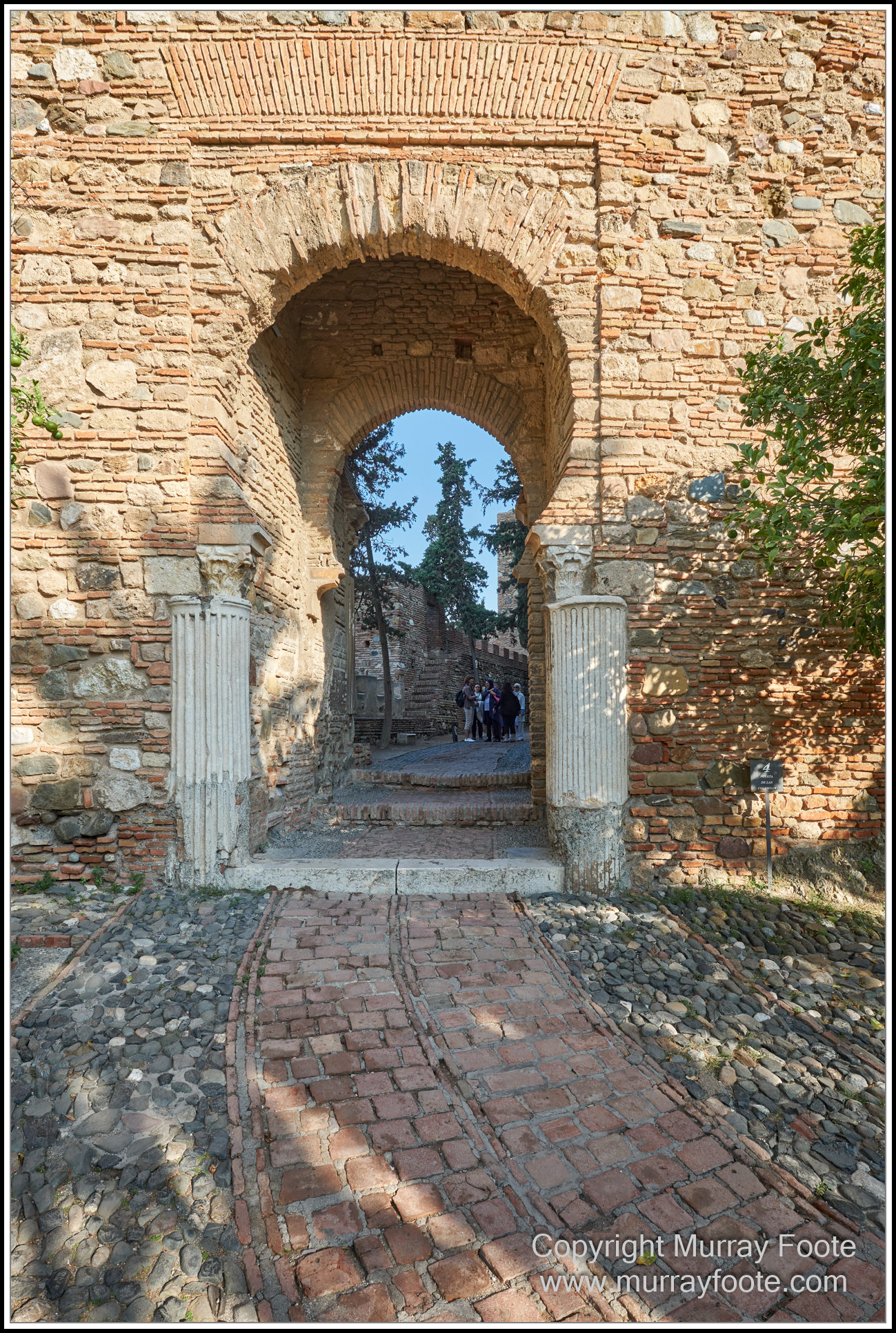
An internal portal, within the Alcazaba, which is on a hill behind the city. These would have been guarded passageways in historic times.
.
.
.
. 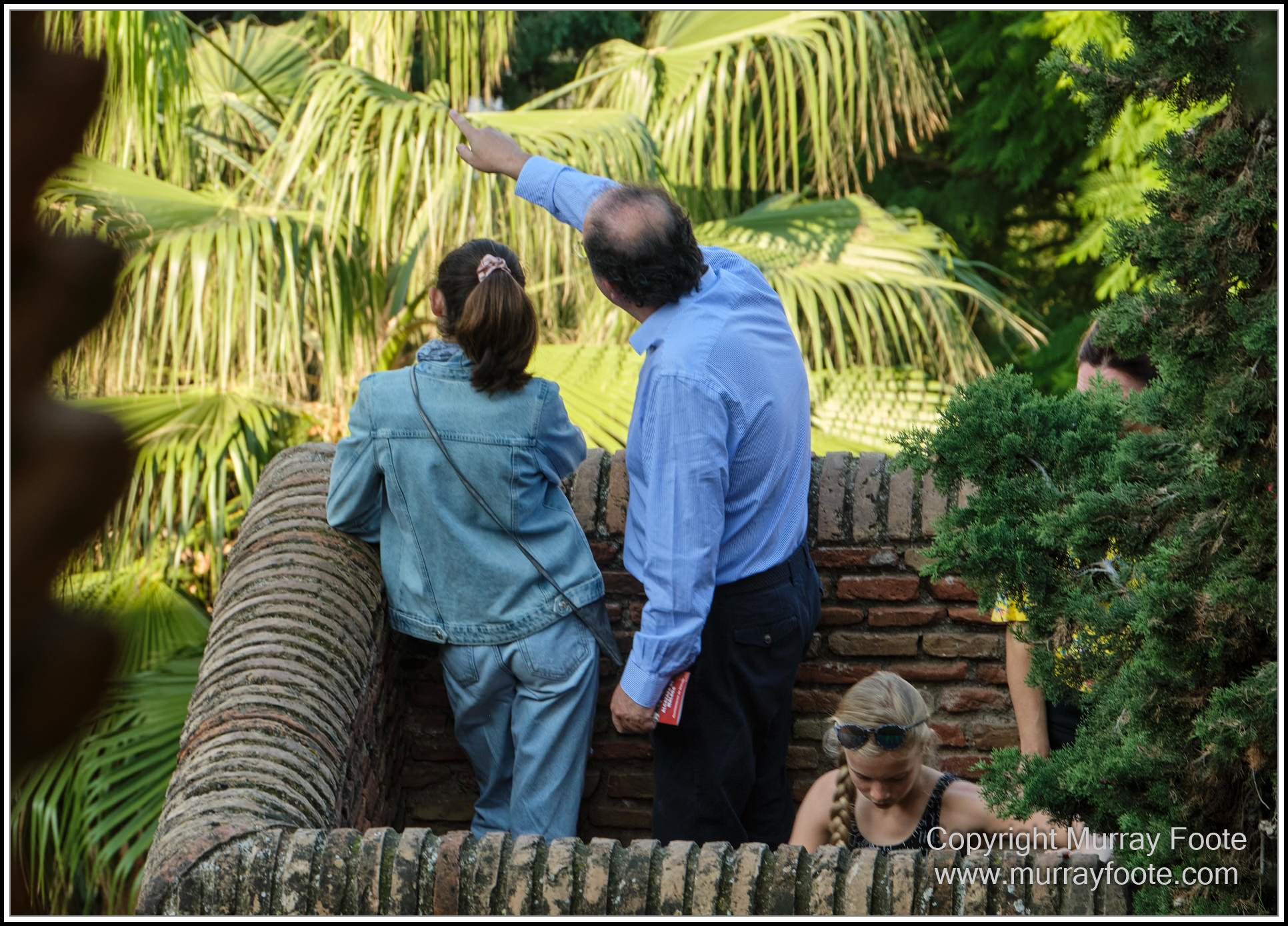
A small viewpoint.
.
.
.
. 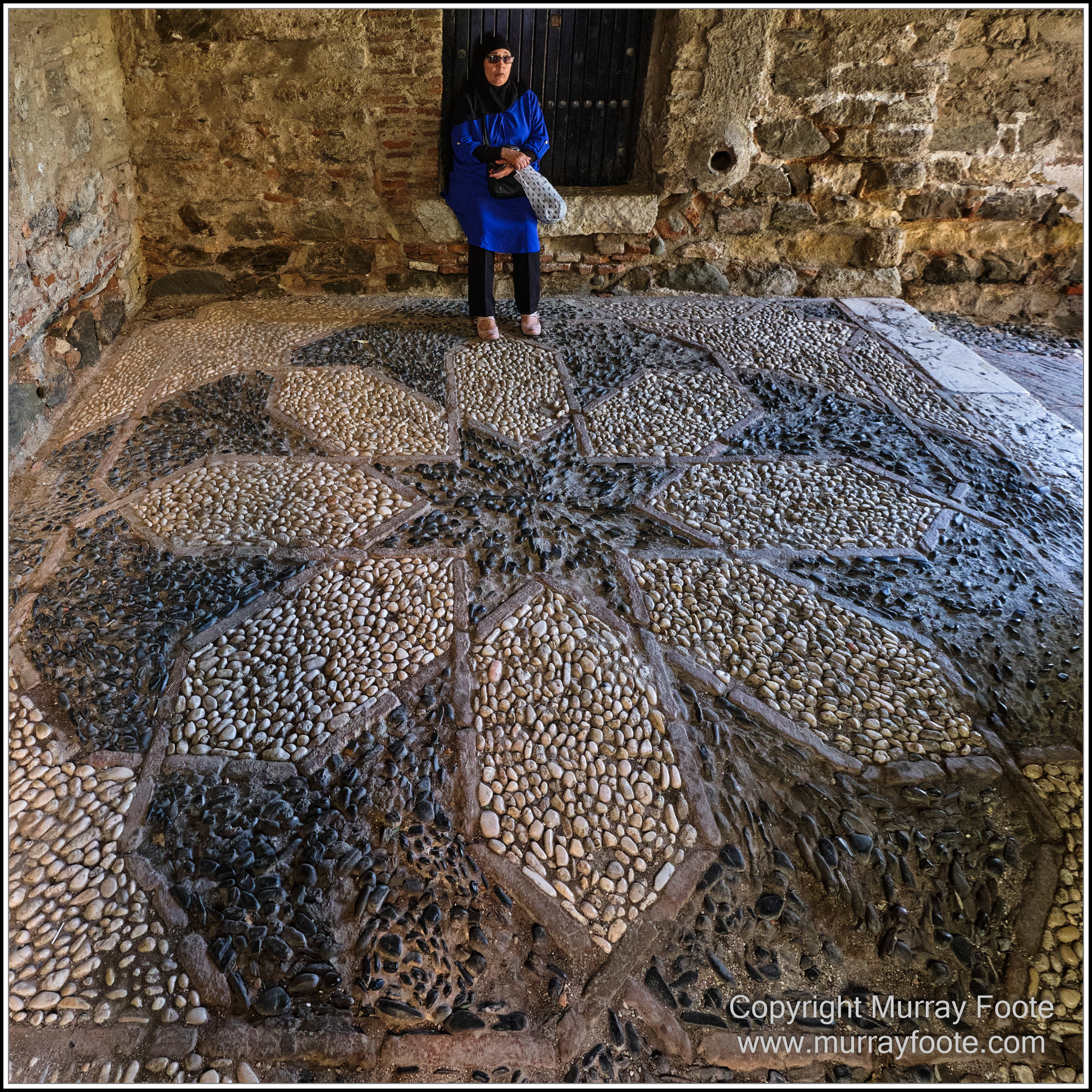
An inlaid corner of a walkway, with a person sitting who is perhaps a descendant of earlier residents.
.
.
.
. 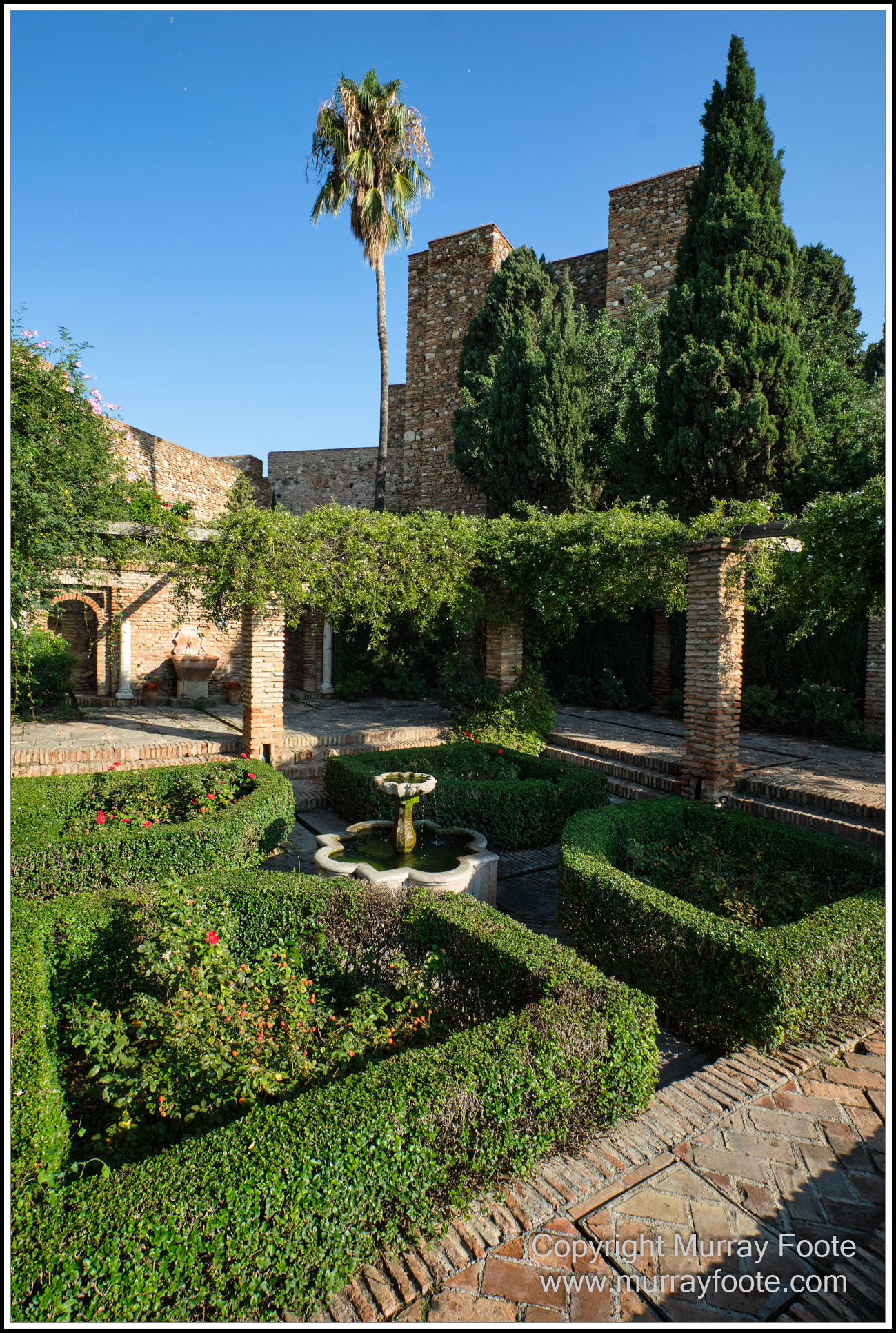
An alcazaba garden.
.
.
.
. 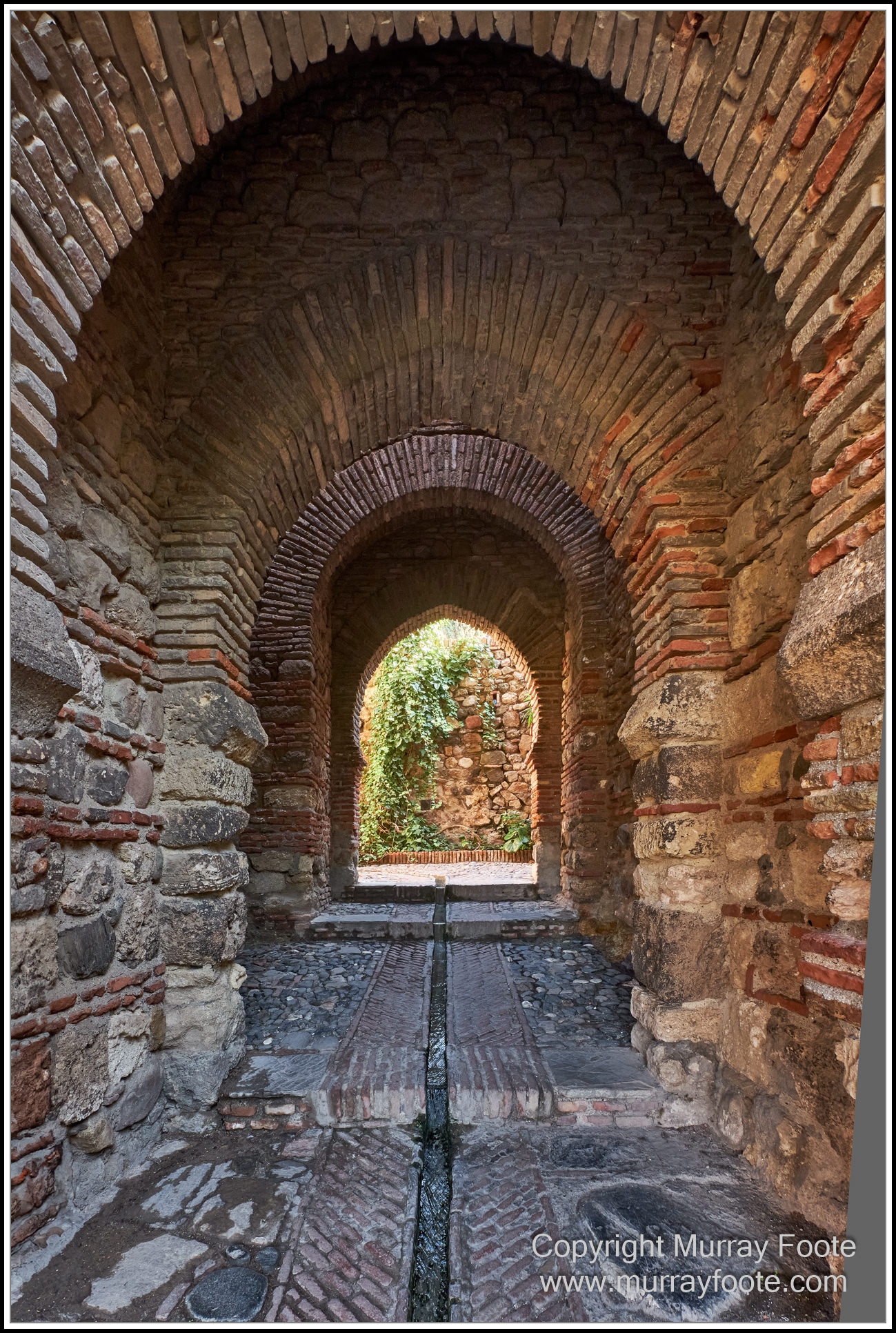
What may lie beyond?
(I do not have a detailed guide or photographed information boards and can make few specific comments.)
.
.
.
. 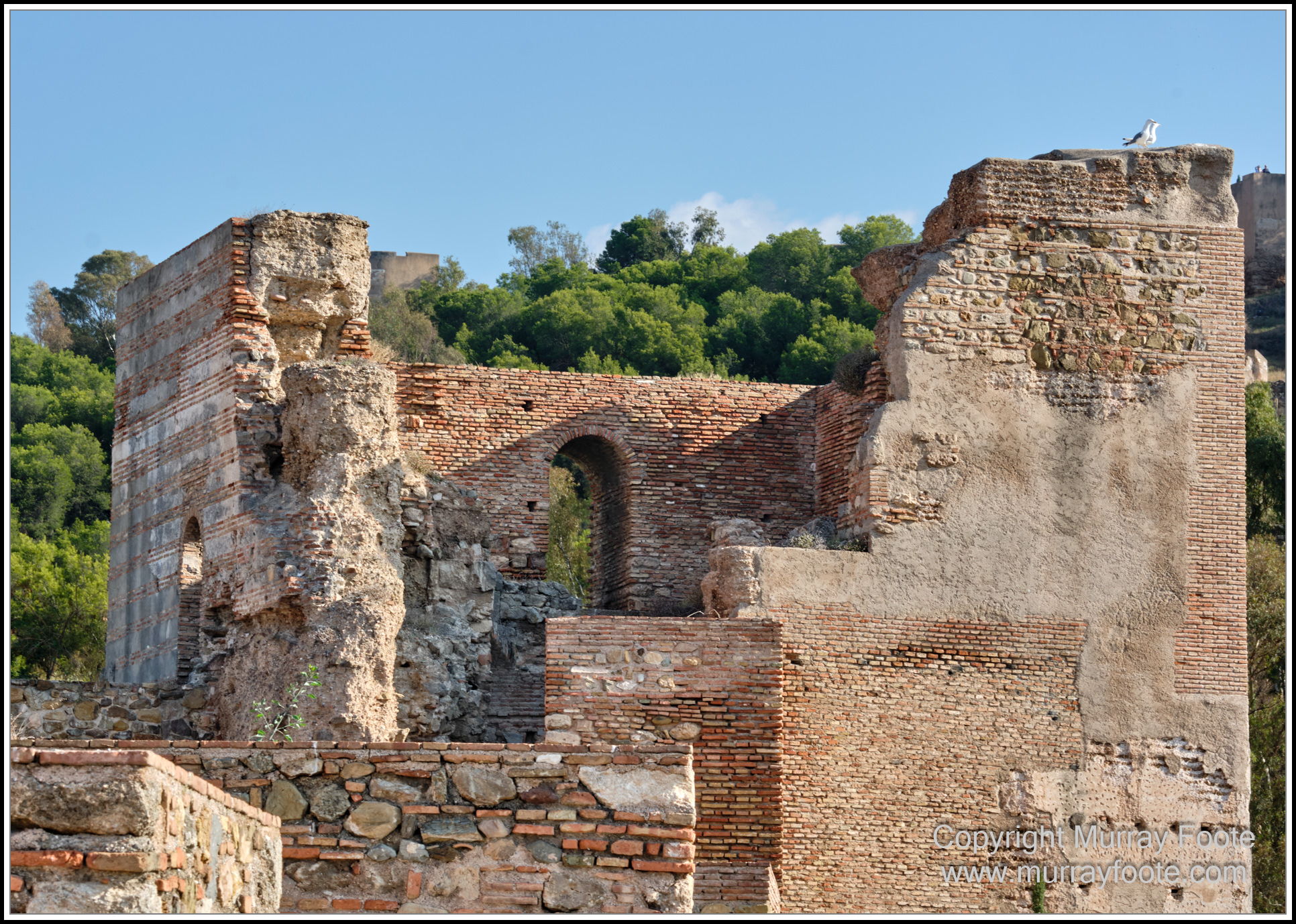
A ruined tower, guarded by two silver gulls.
.
.
.
. 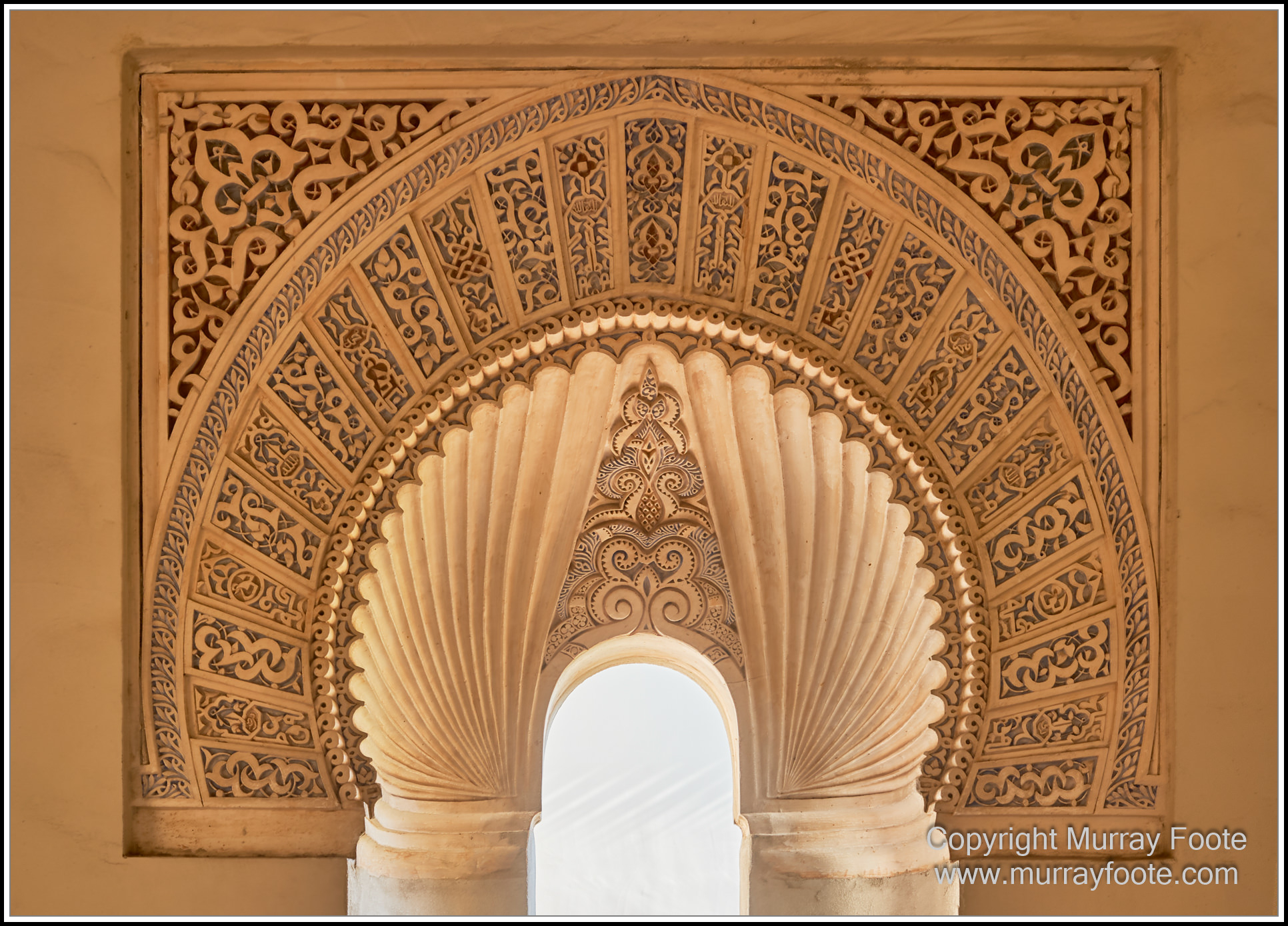
Decorations inside the palace.
.
.
.
. 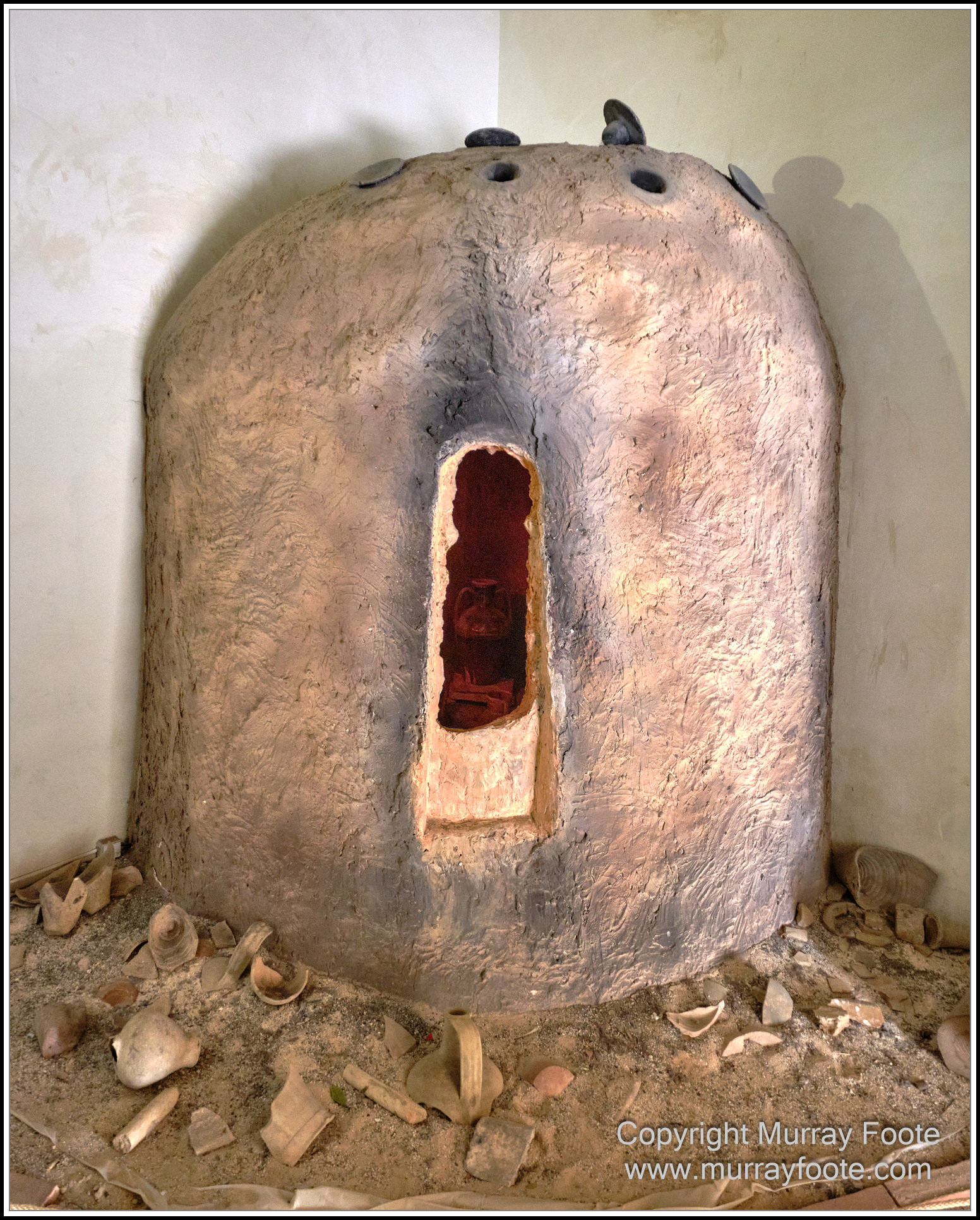
Pottery kiln.
.
.
.
. 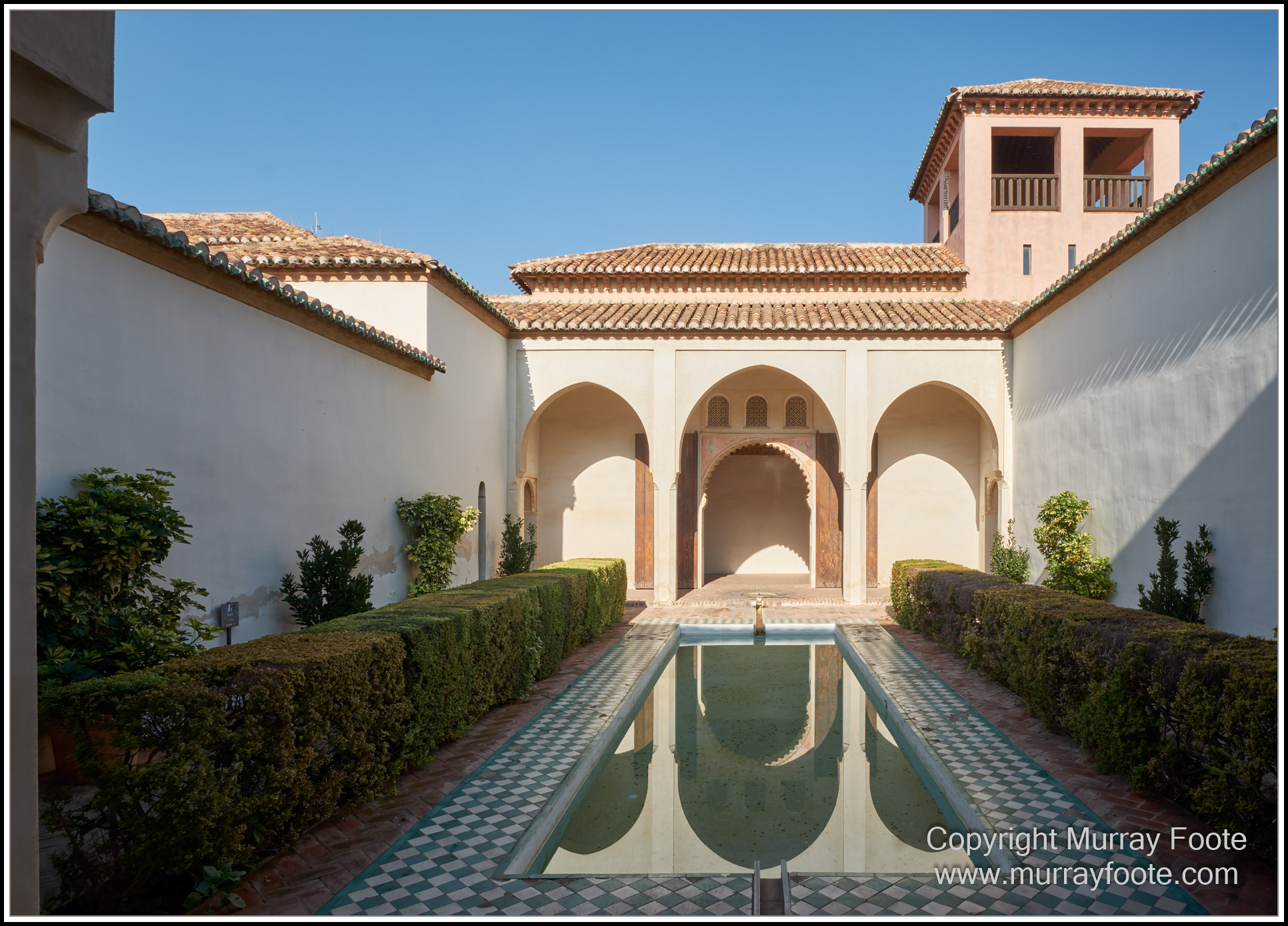
Water feature.
.
.
.
. 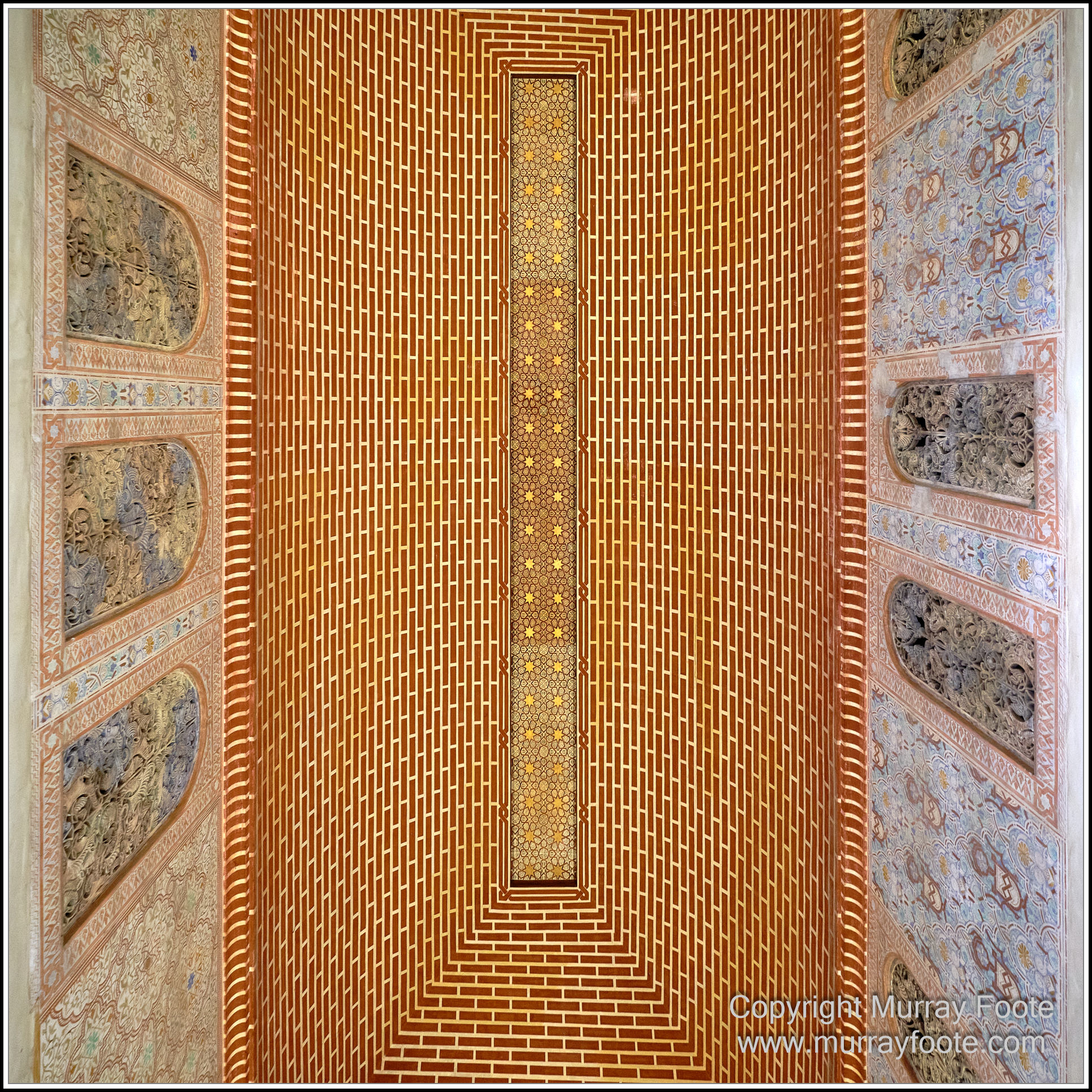
Ceiling.
.
.
.
. 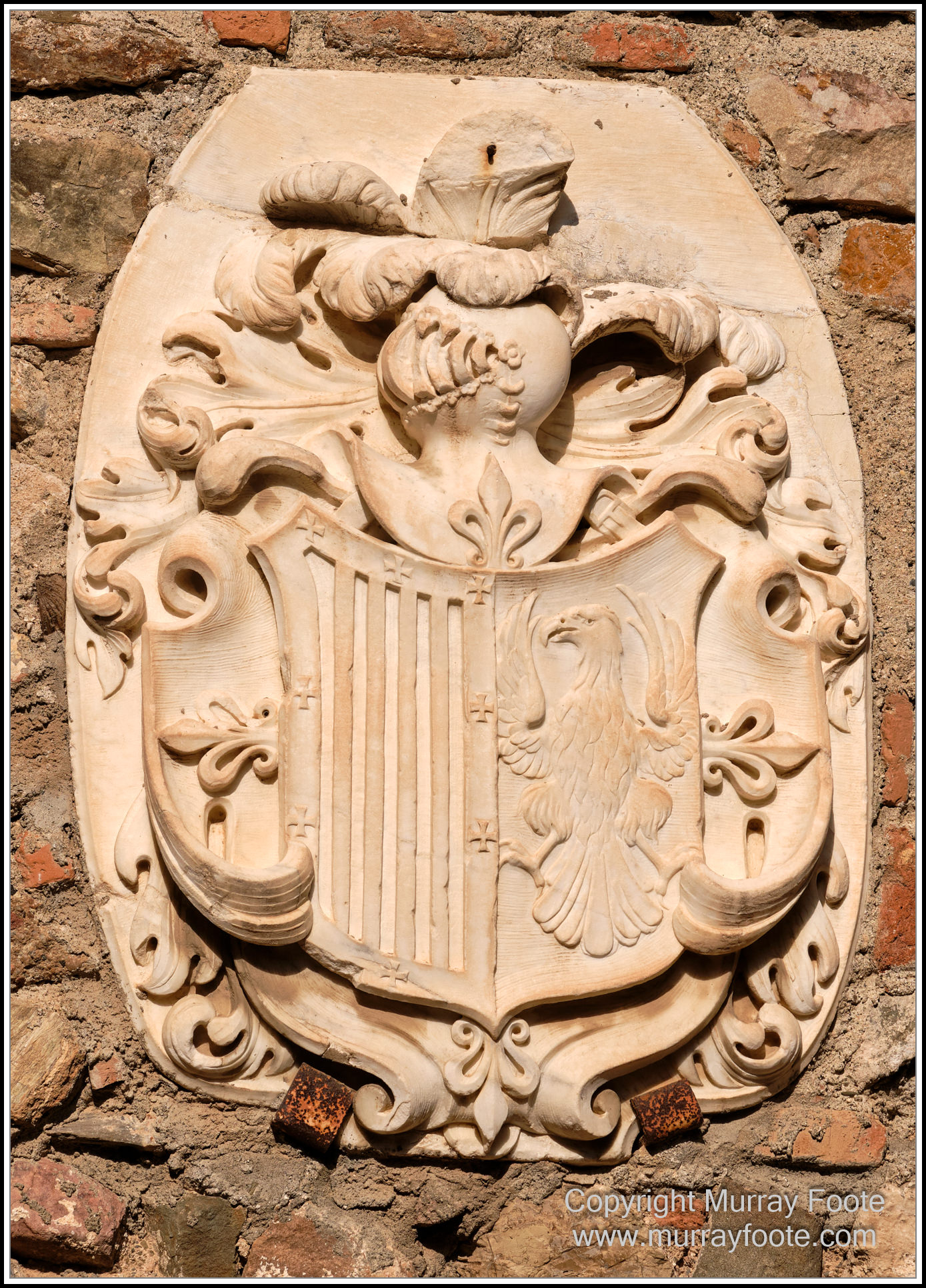
Coat of arms from after the Castillian Conquest.
.
.
.
. 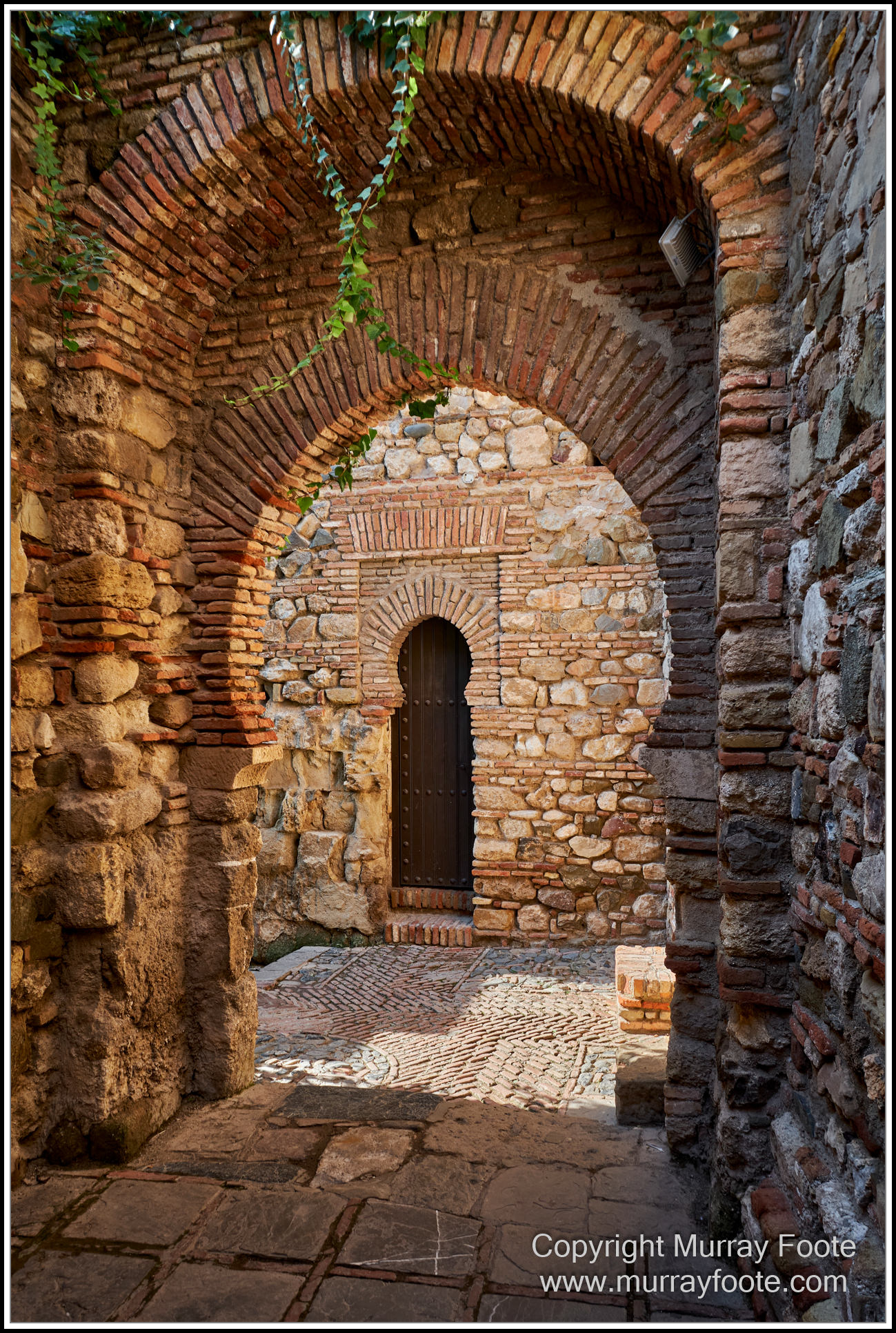
Mysterious doorway.
.
.
.
. 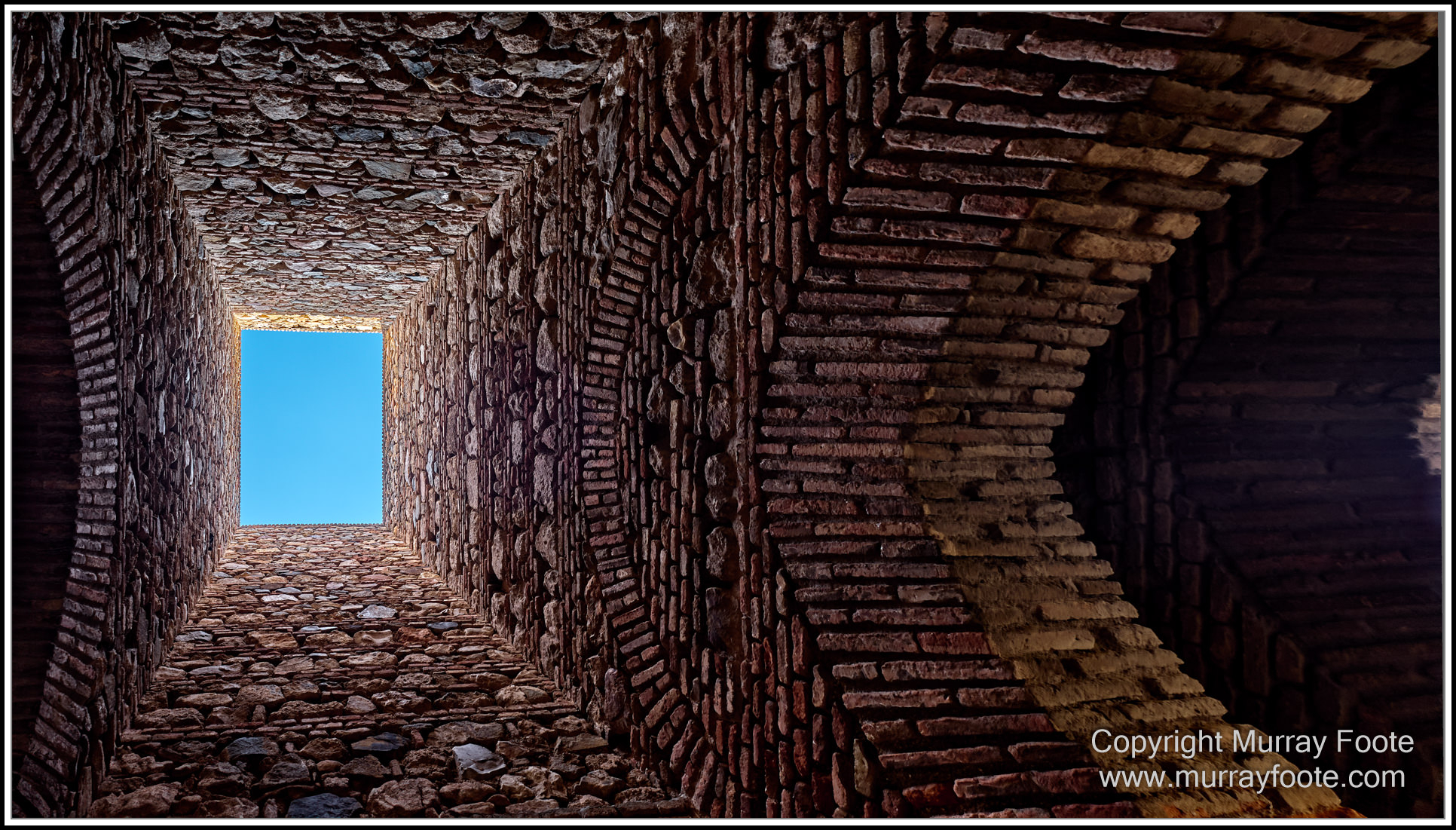
Looking up.
Clearly an inspection window for incoming knights, fired out of trebuchets in full armour from many kilometres away, parachuting down from a great height, and hoping for horses on the ground. A typical mediæval warfare tactic.
Or it might Denisovans returning in their time ships. Sentries would be able to lie there on their backs under the window for their whole shifts.
They might also see incoming mega-comets about to impact. Not so much point watching out for them though.
These would all have been Government secrets of course. You’ll never find any mention of them in the records.
.
.
.
.

Out the same way we came in. No sitting person this time….
.
.
.
. 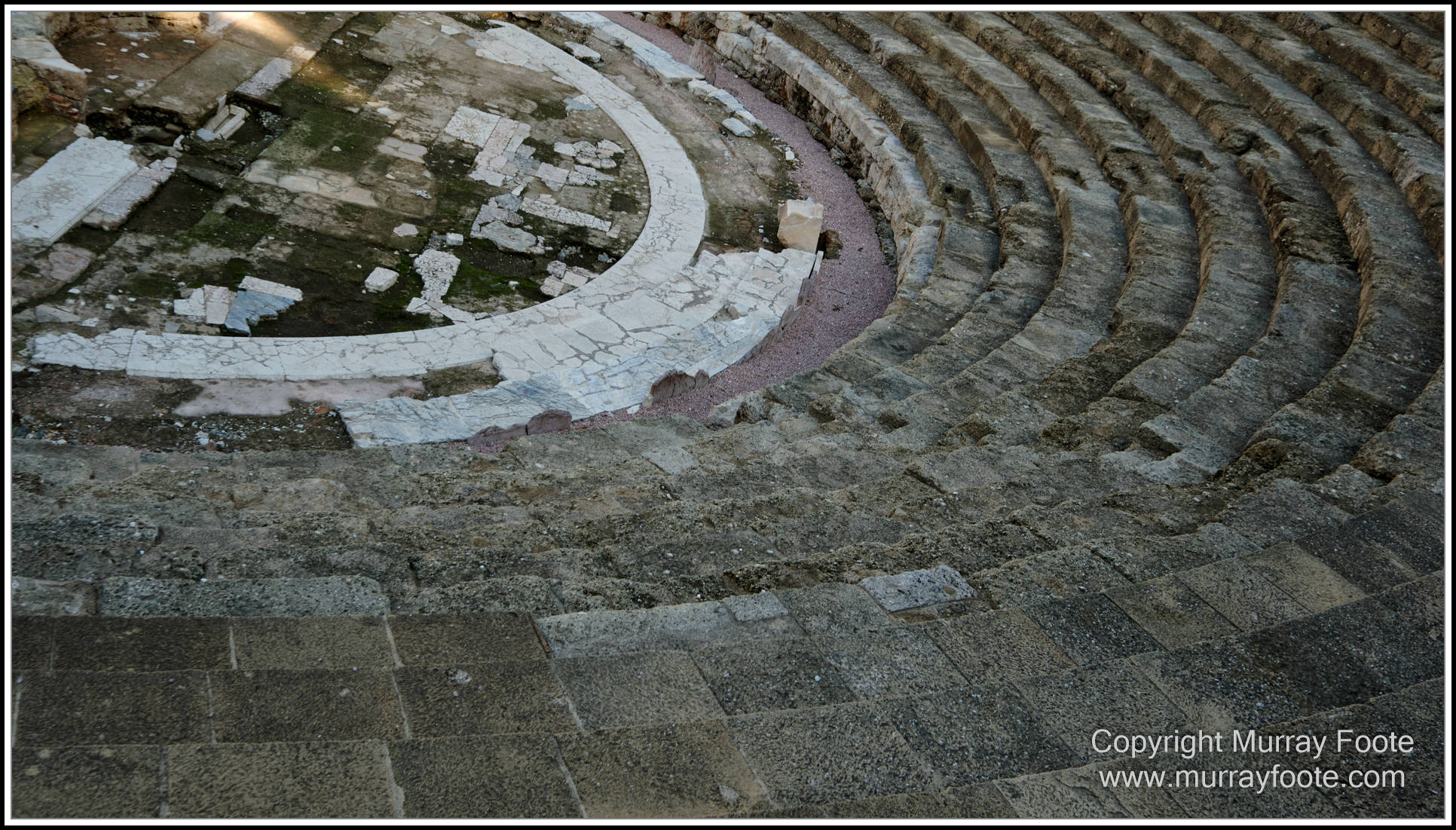
Looking down onto the Roman theatre below the alcazaba.
.
.
.
. 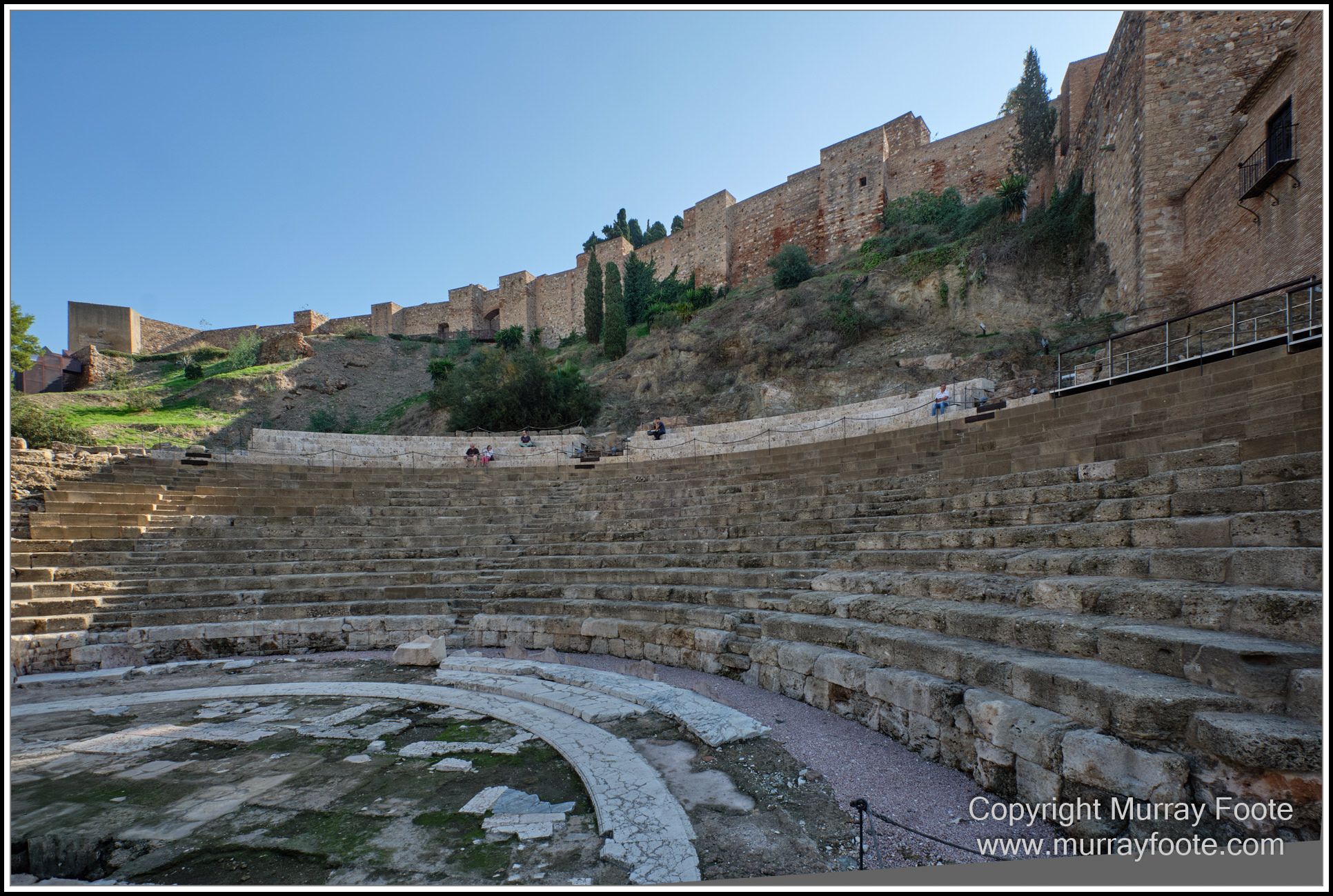
And now we’ve climbed down from the alcazaba walls to the Roman theatre.
It dates from the first century BC and was rediscovered in 1951. Seating, how close you were, was strictly by social hierarchy. The best seats, such as the remnants of marble ones at the front, were for the Senators. It is still in use today and the stage appeared to be in preparation for a night concert.
.
.
.
. 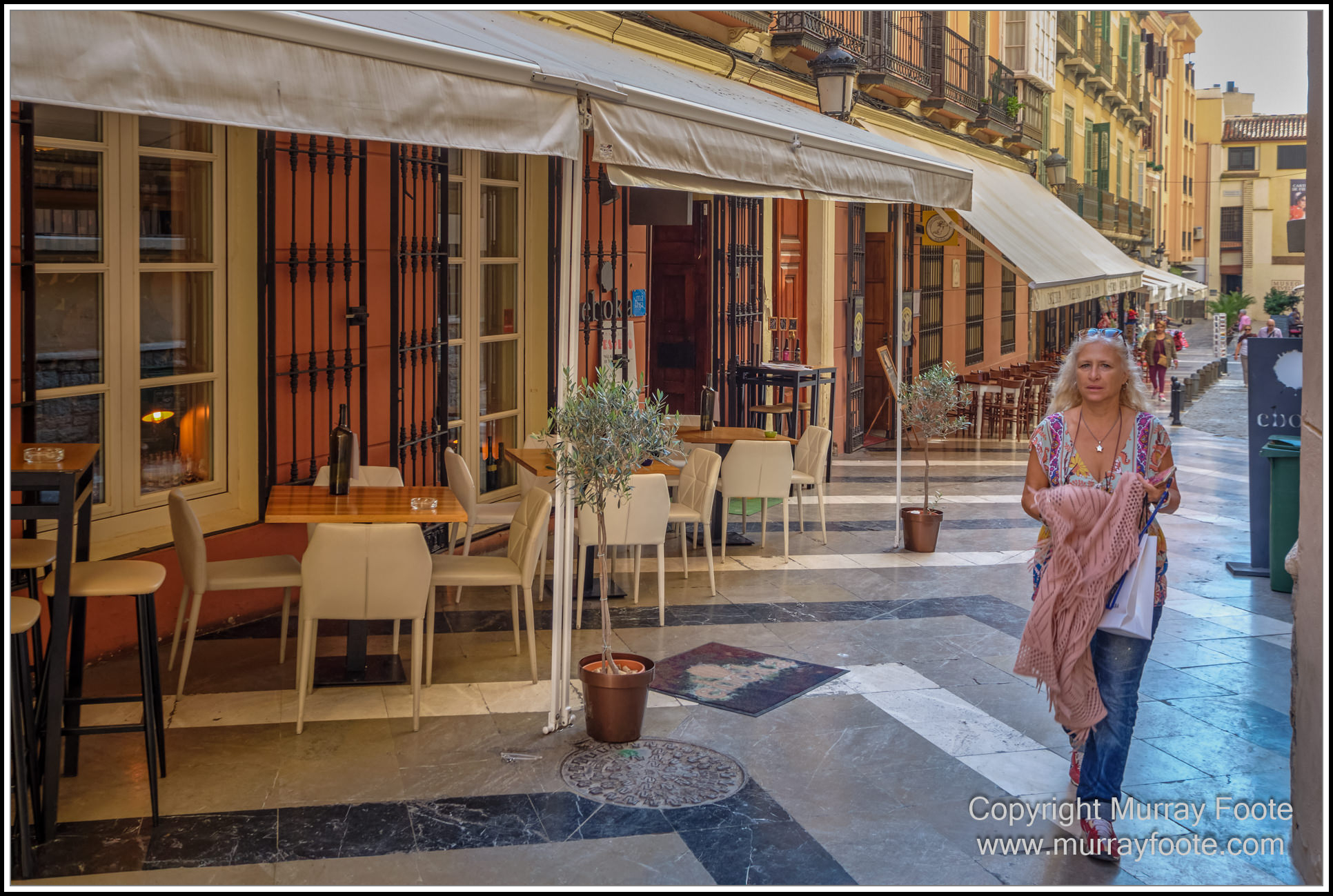
Walking through the streets of Malaga.
.
.
.
. 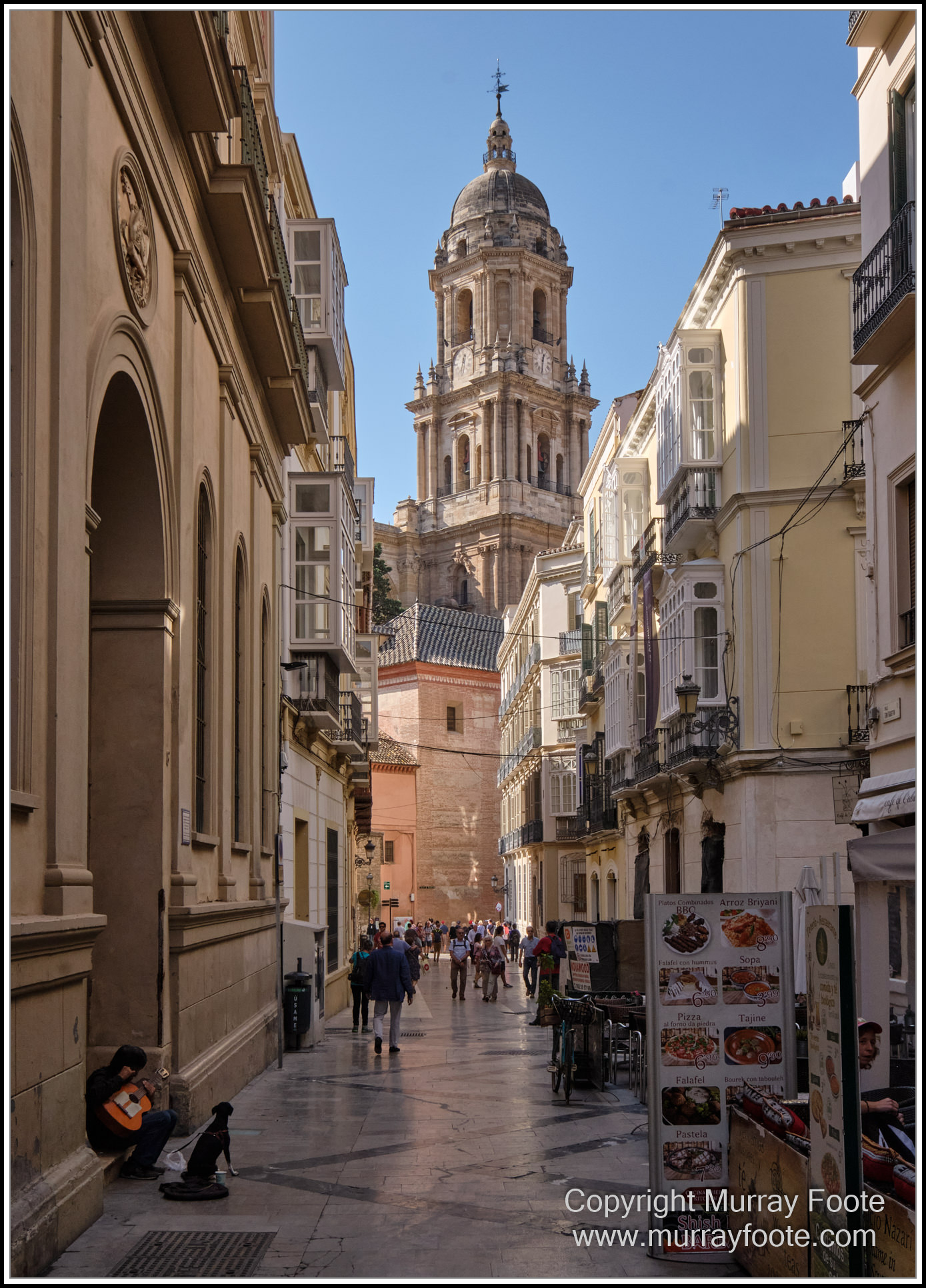
Street musician and dog. Restaurant on the right. Leading through the laneway to the Cathedral.
.
.
.
. 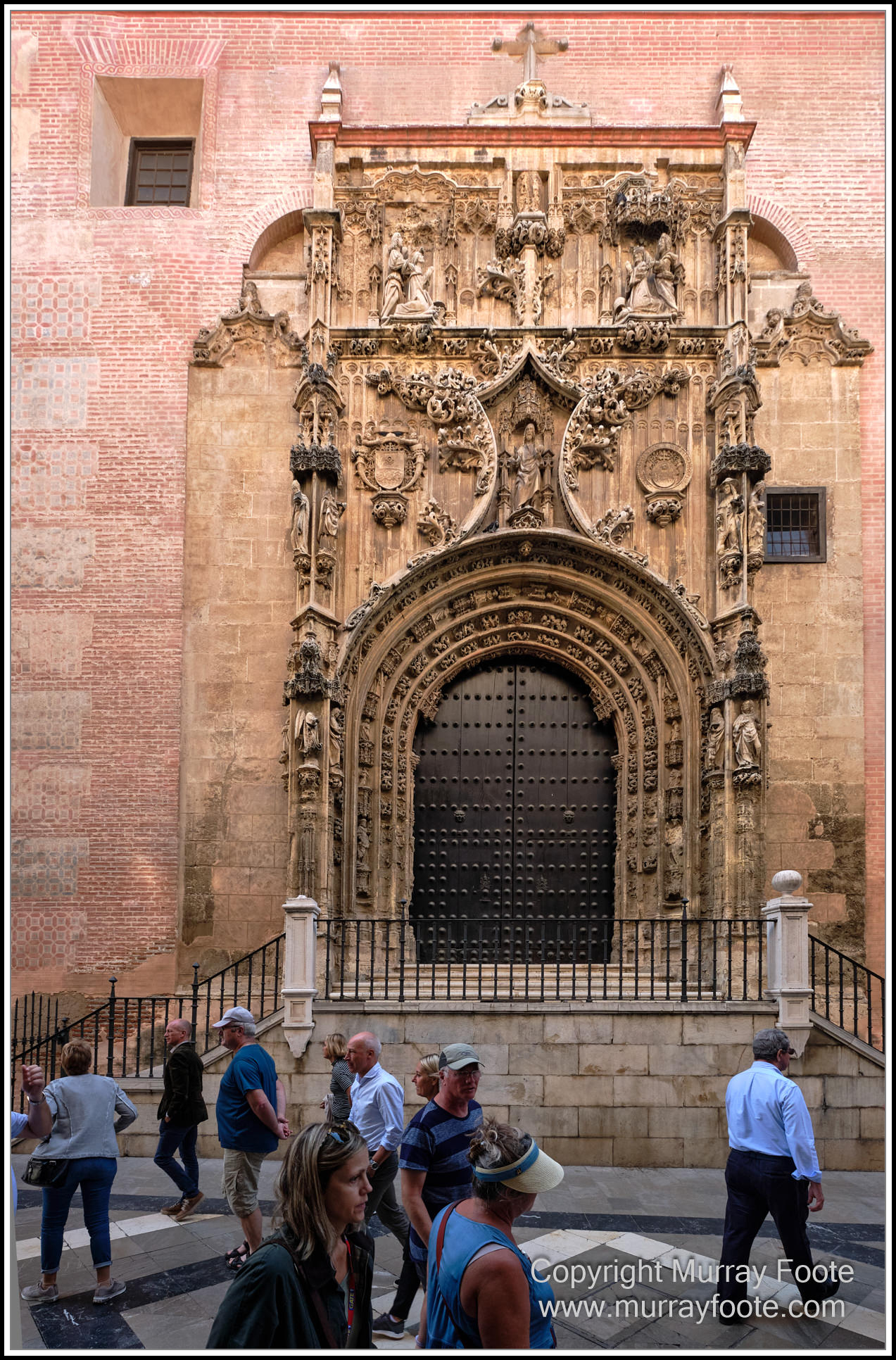
Cathedral door.
.
.
.
. 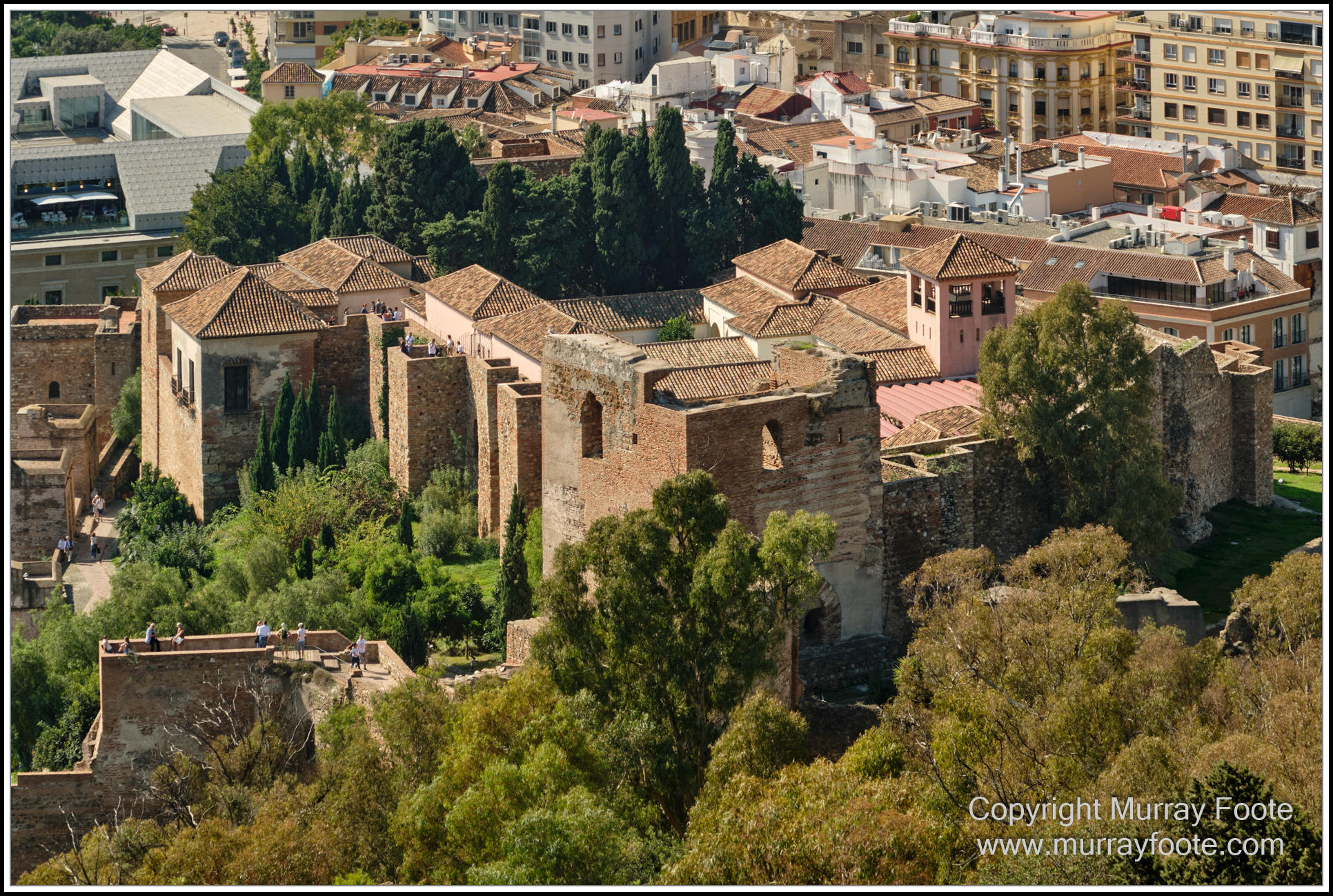
The Alcazaba from Gibralfaro Castle.
On our way out of Malaga, we are at another Moorish castle on the hill above the Alcazaba. There was a covered protective walkway connecting the two.
.
.
.
.
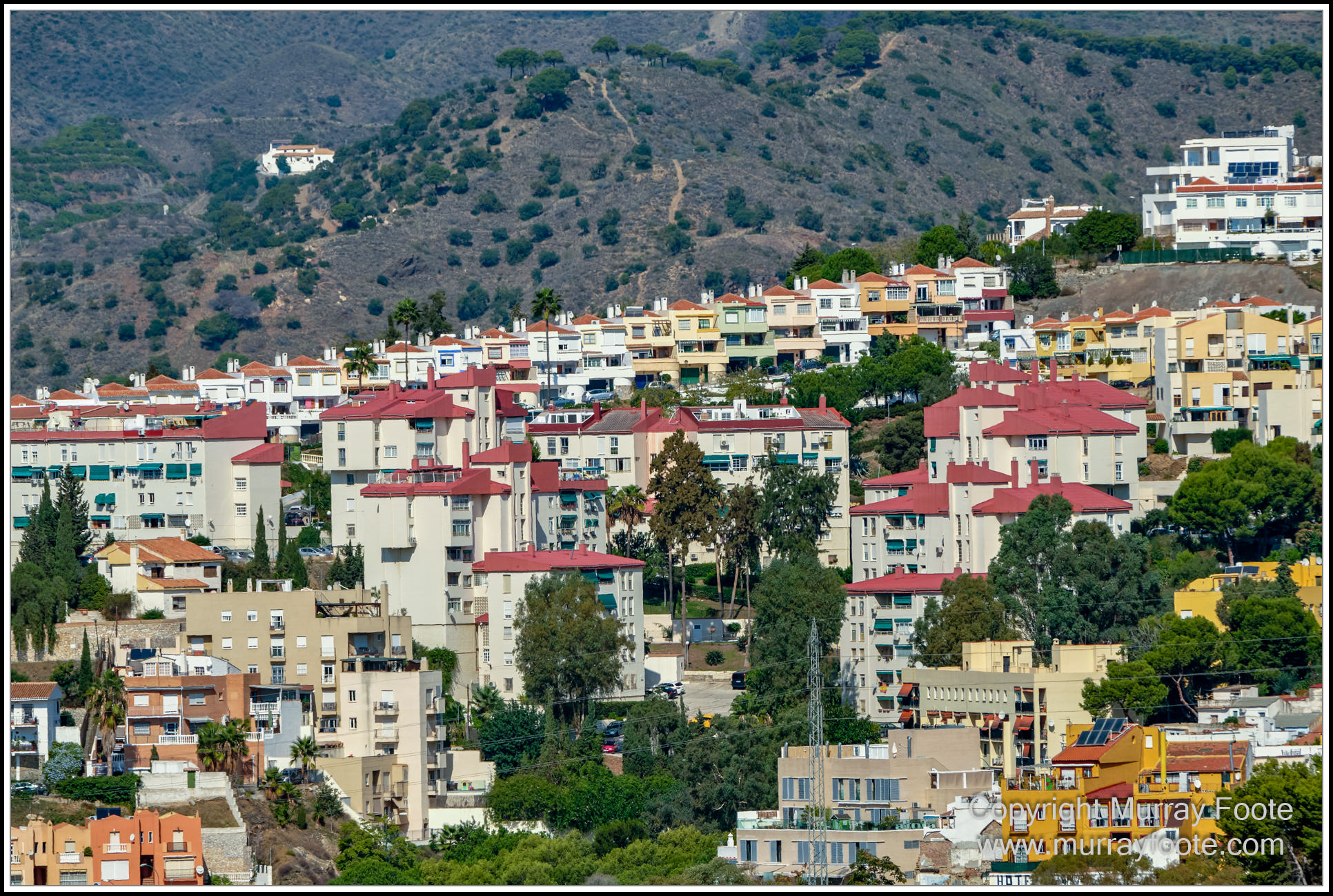
Views of the modern town.
.
.
.
. 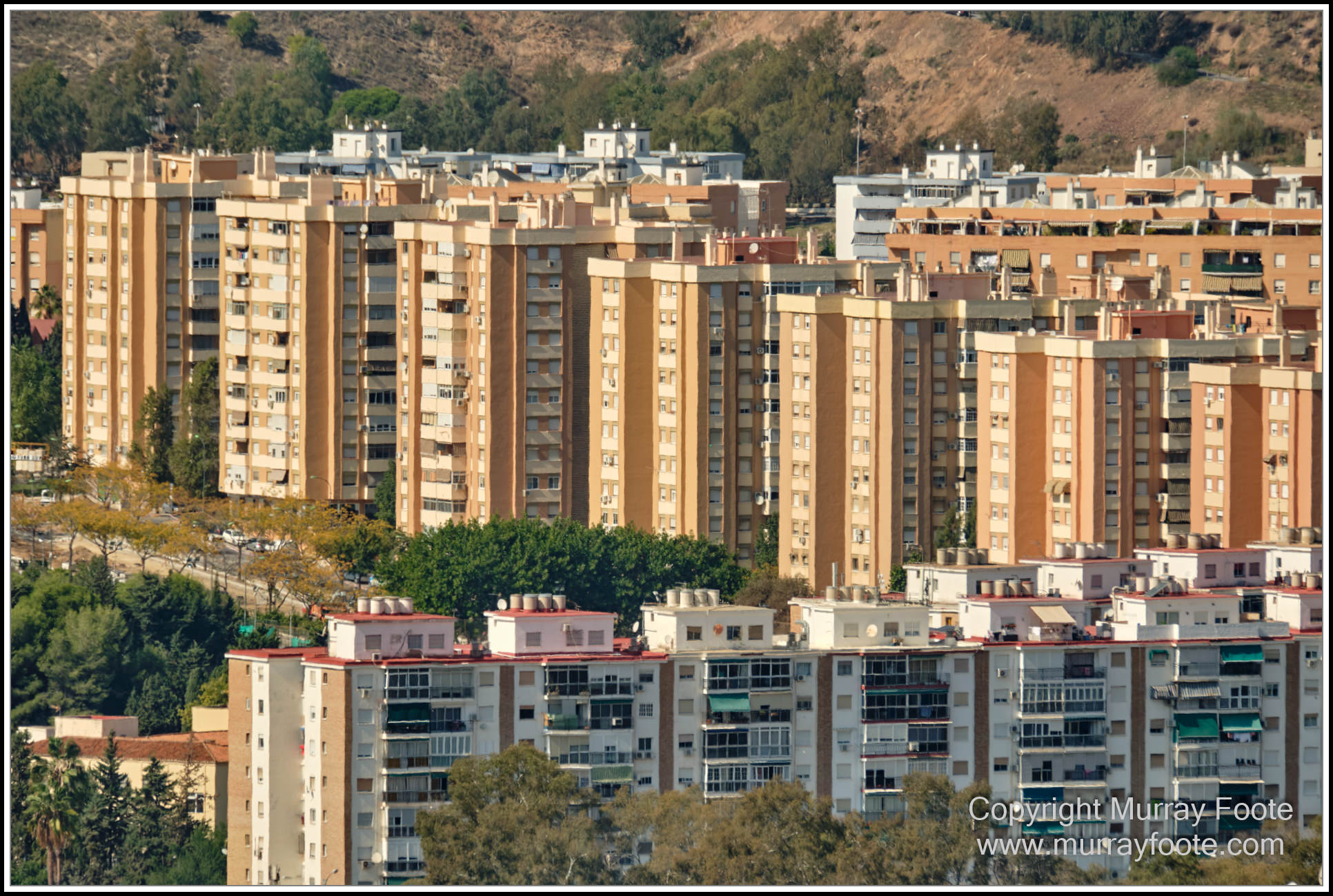
Dense urban living.
.
.
.
. 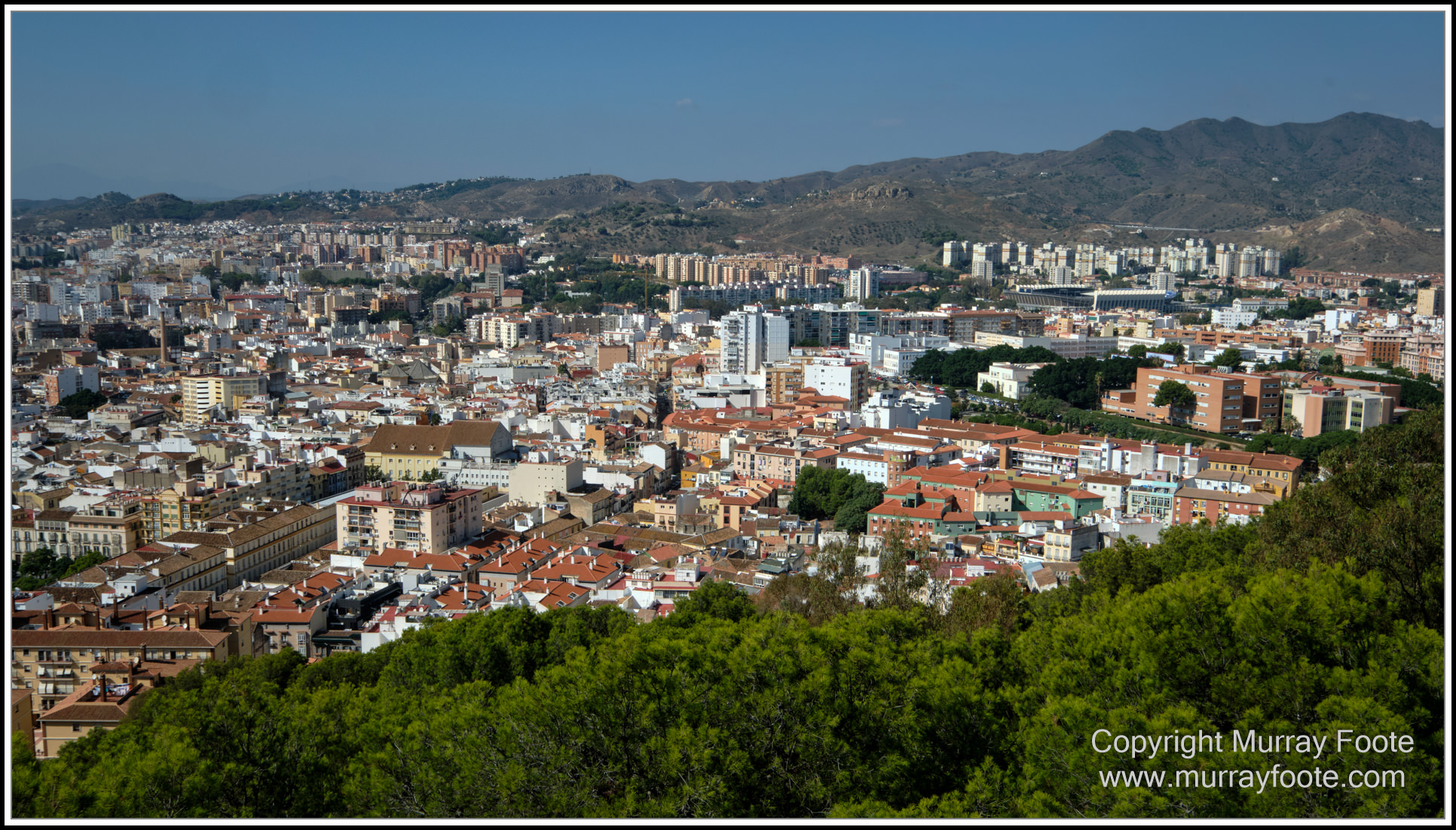
The apartments from the previous image are in the distance at the middle under the hill (wide angle lens rather than telephoto).
.
.
.
. 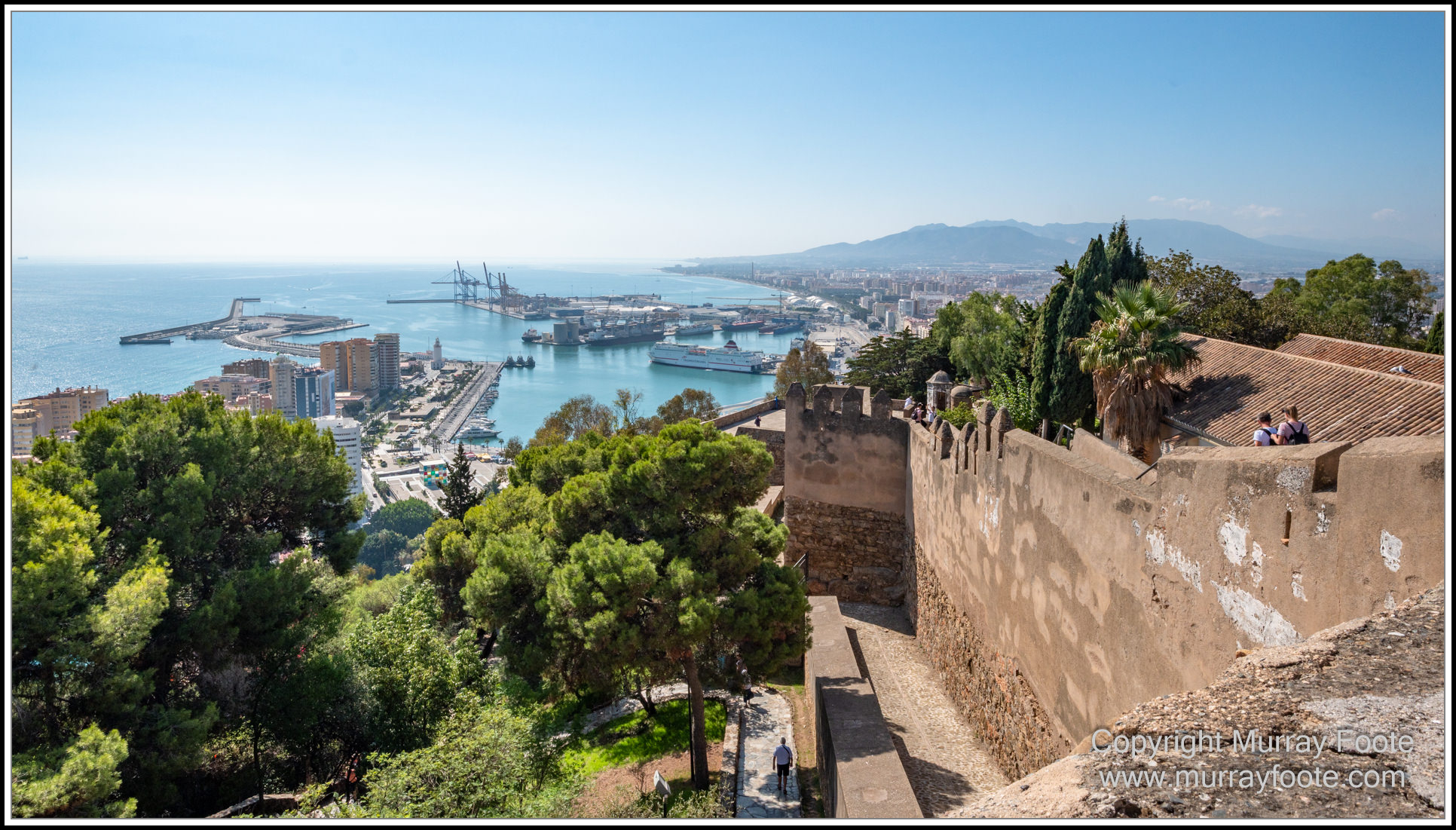
Harbour View from Gibralfaro Castle.
.
.
.
.
 Murray Foote